 Medical retina
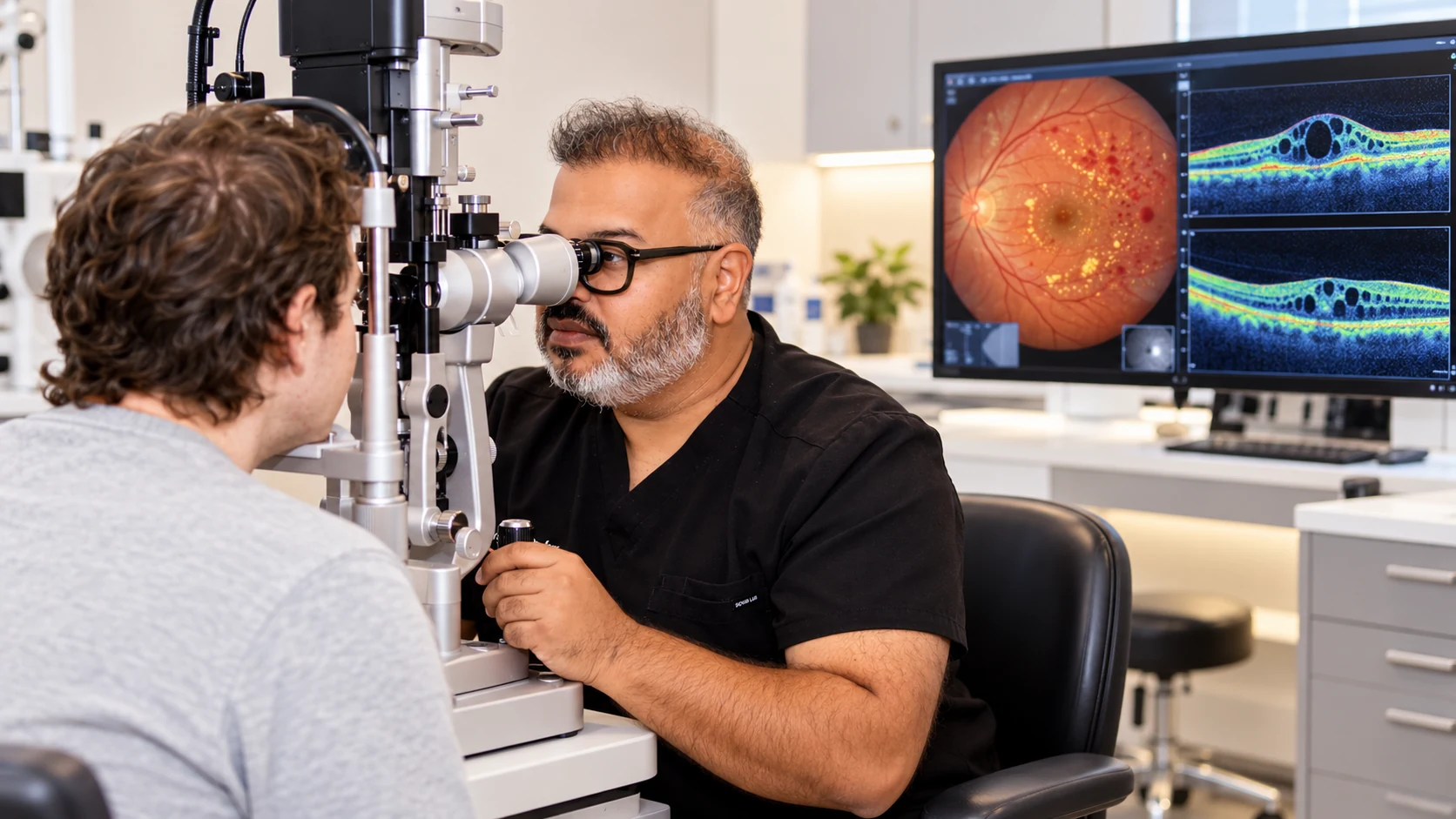
Diabetic eye disease
Protecting sight through early detection and treatment of diabetes-related retinal changes.
Learn more →Advanced, patient-centred care for retinal, macular and cataract conditions—guided by experience, precision and a commitment to helping you understand every step.
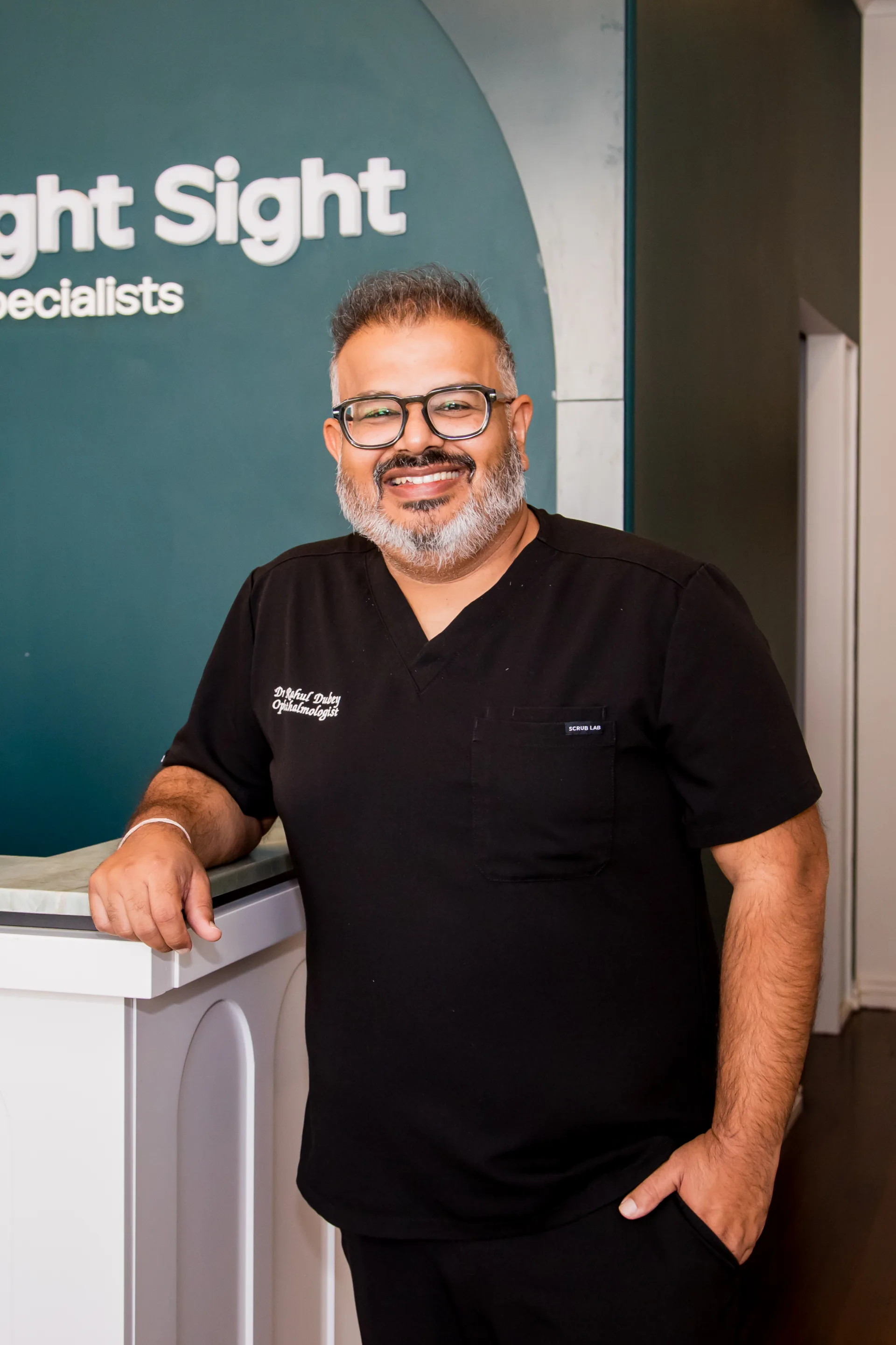
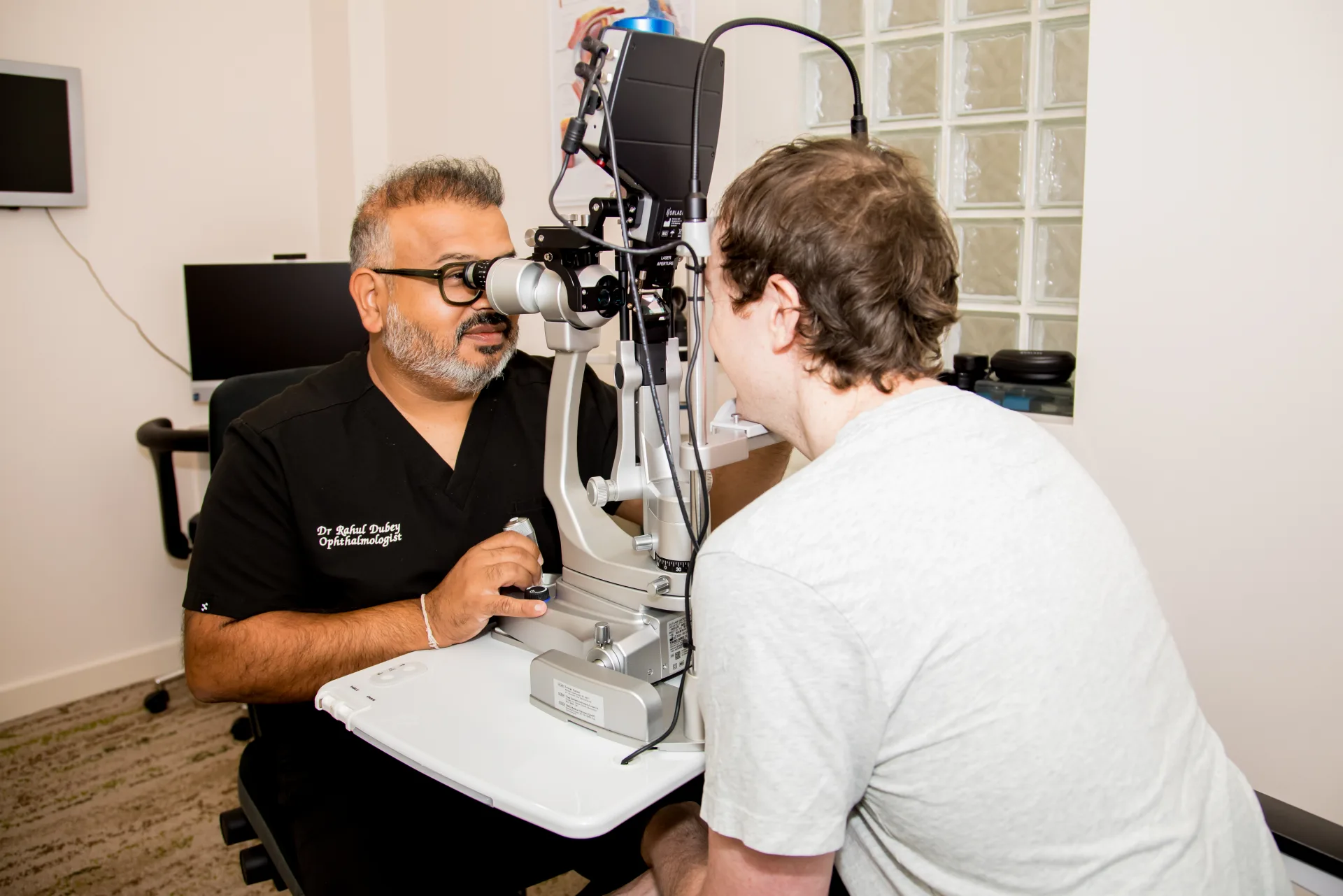
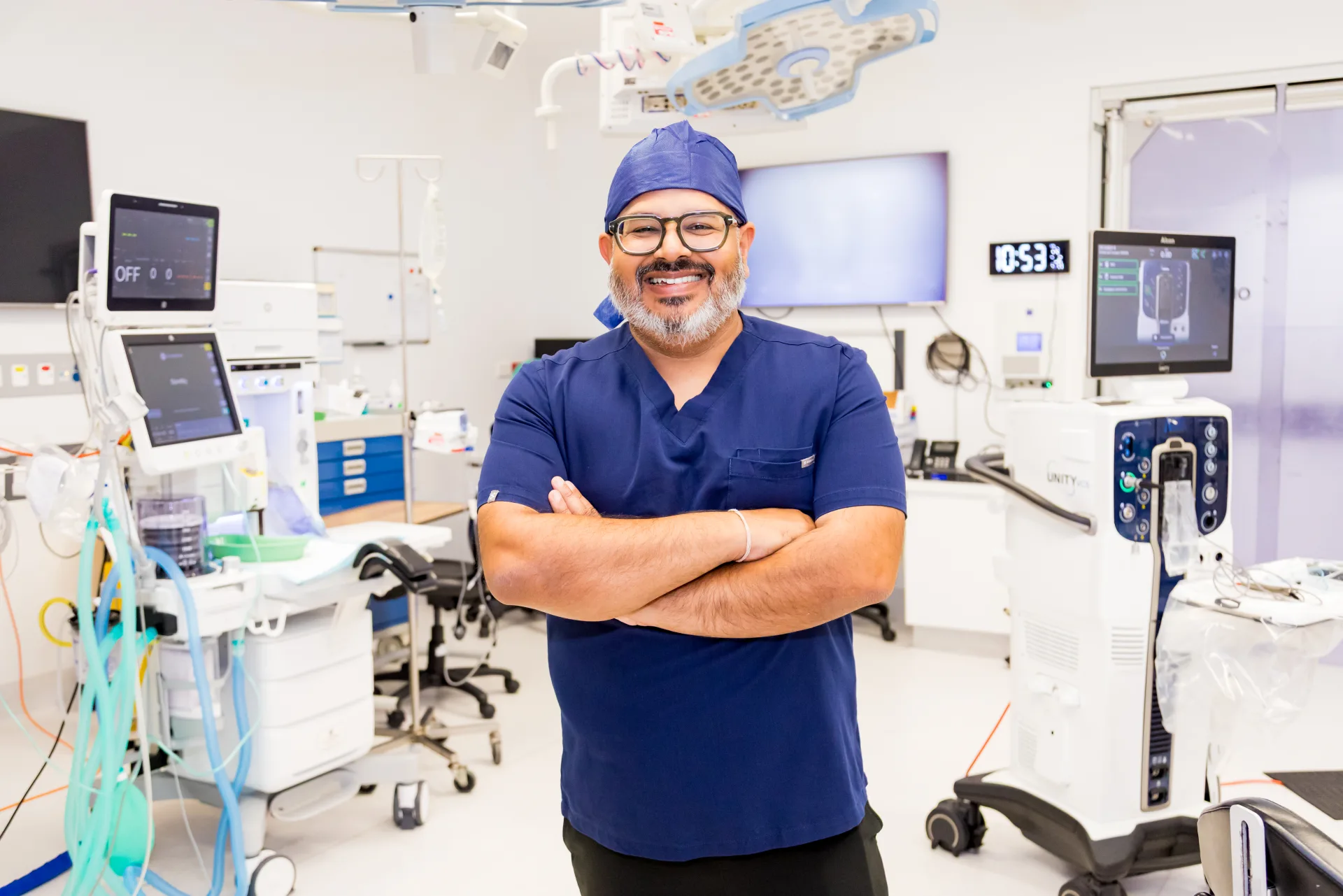
Dr Rahul Dubey is an Australian-trained ophthalmologist with international subspecialist training in the medical and surgical management of vitreous and retinal disorders.
His personable, evidence-informed approach helps patients feel heard, understand their choices and take an active part in their care.
View full profile →

Explore clear information about common eye conditions, available treatments and what to expect.
Medical retinaProtecting sight through early detection and treatment of diabetes-related retinal changes.
Learn more →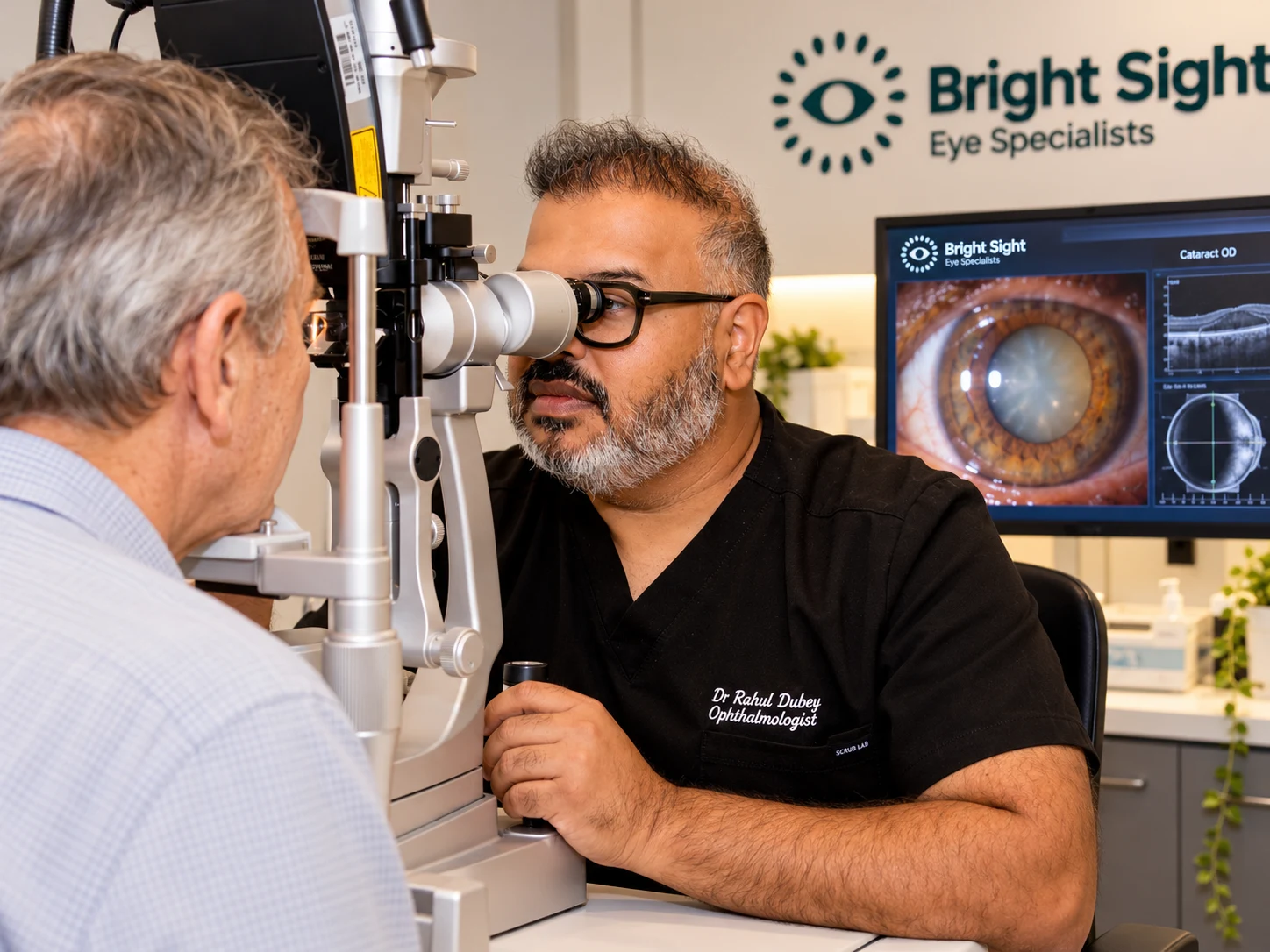 Lens and cataract care
Clear guidance on cataract symptoms, lens choices, surgery and recovery.
Learn more →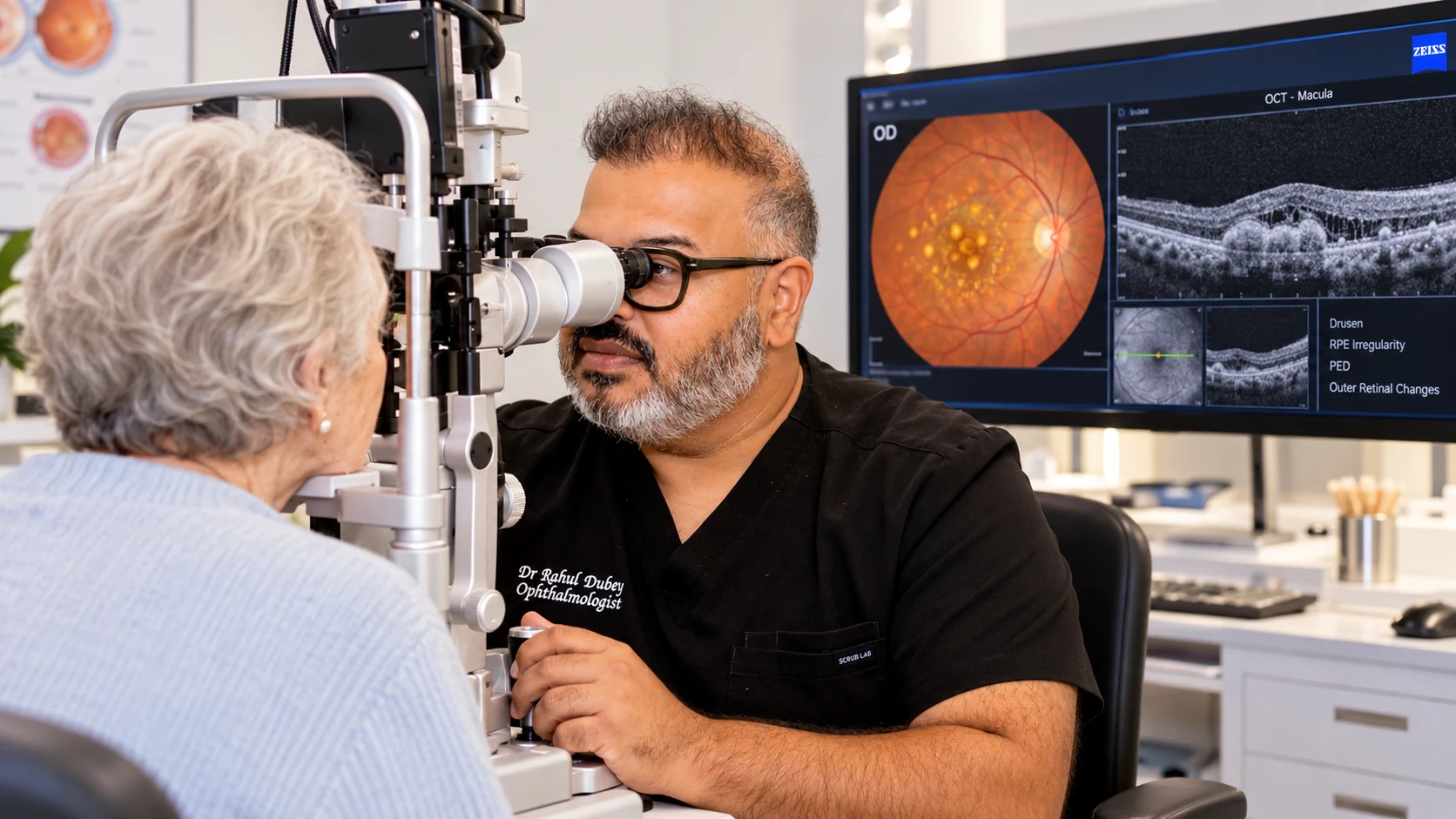 Macula care
Monitoring and treatment for dry and wet AMD.
Learn more →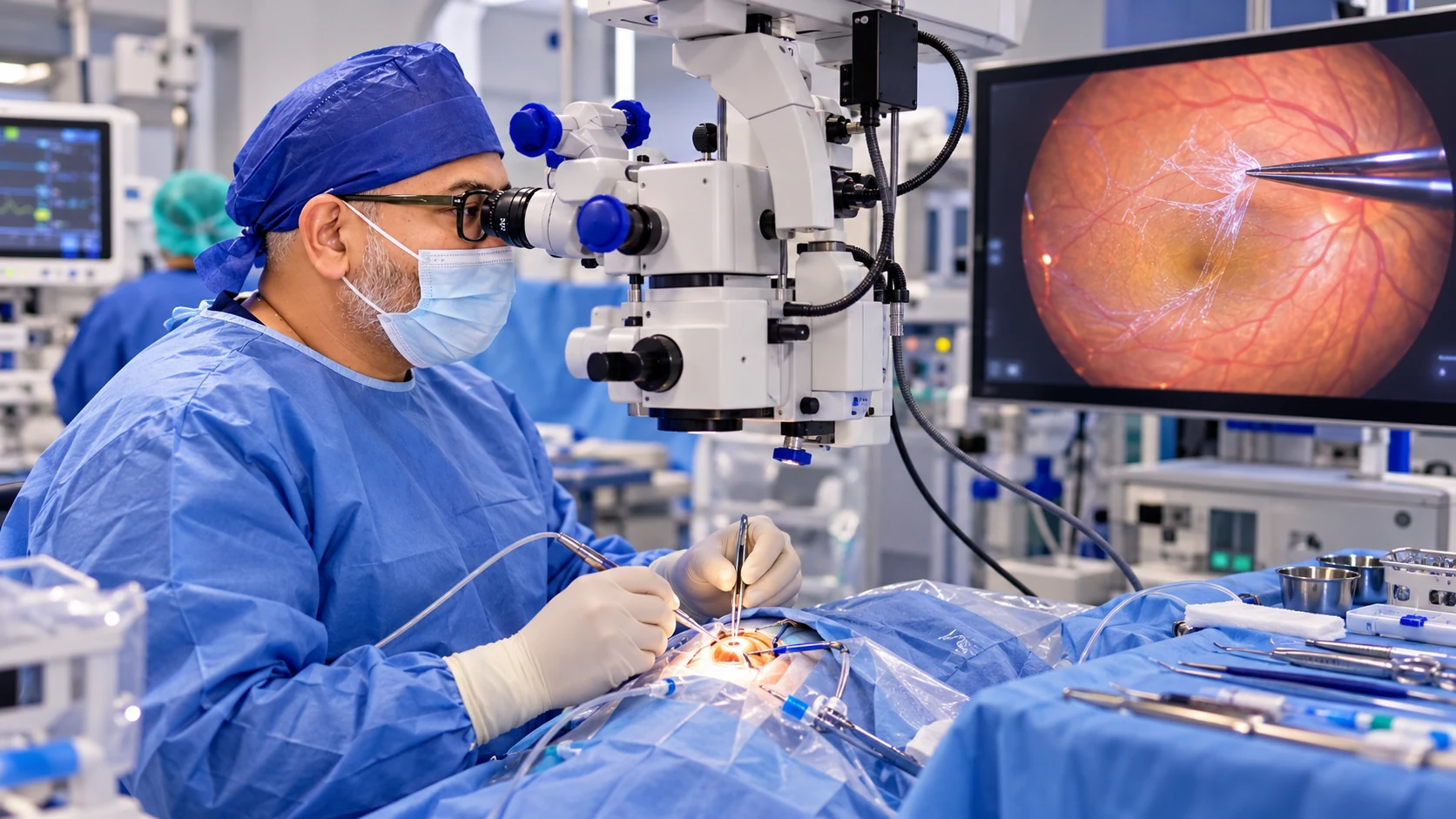 Vitreoretinal surgery
Assessment and microsurgical care for a fine membrane over the macula.
Learn more →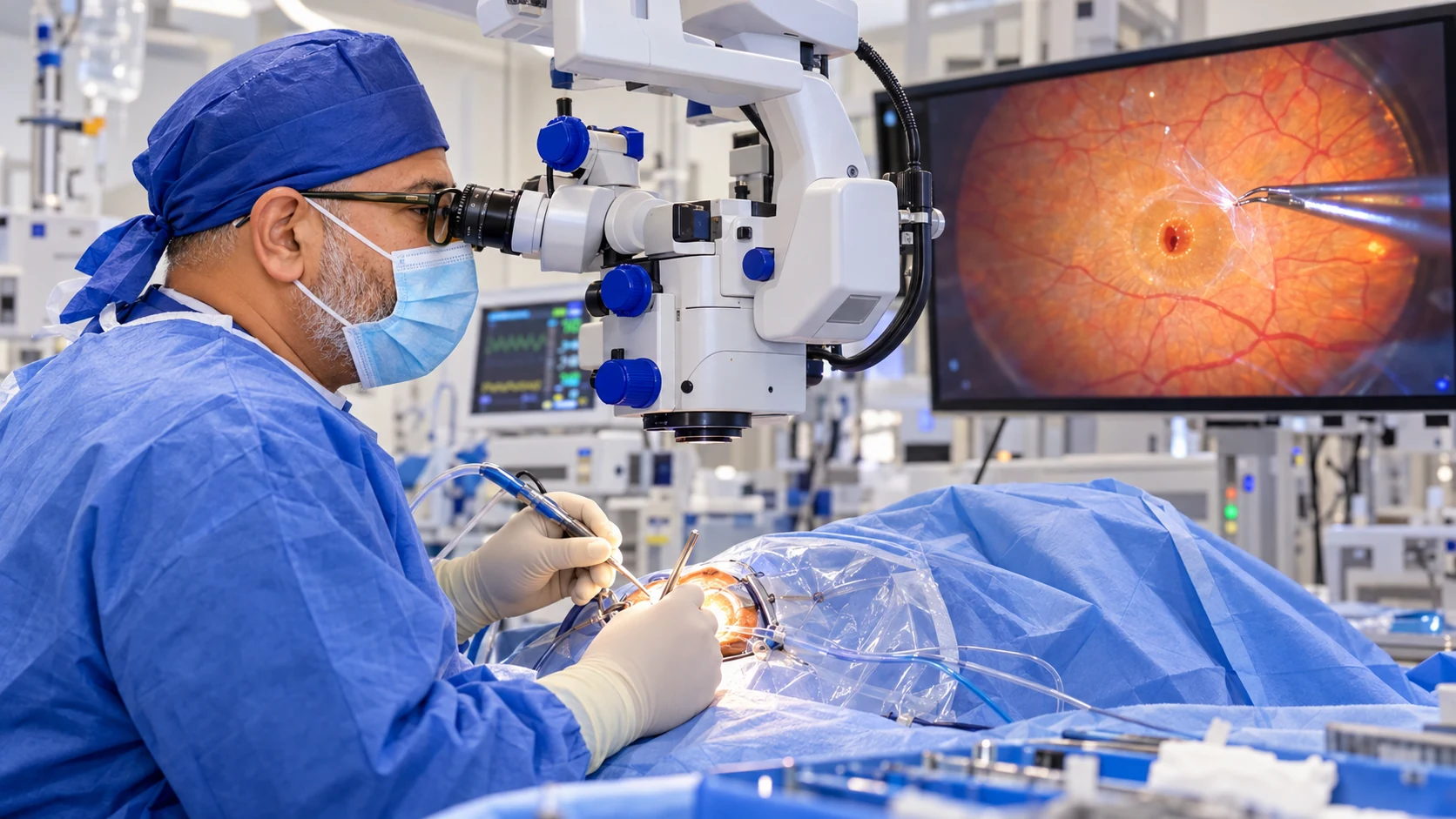 Vitreoretinal surgery
Specialist diagnosis and keyhole retinal surgery for a central macular opening.
Learn more →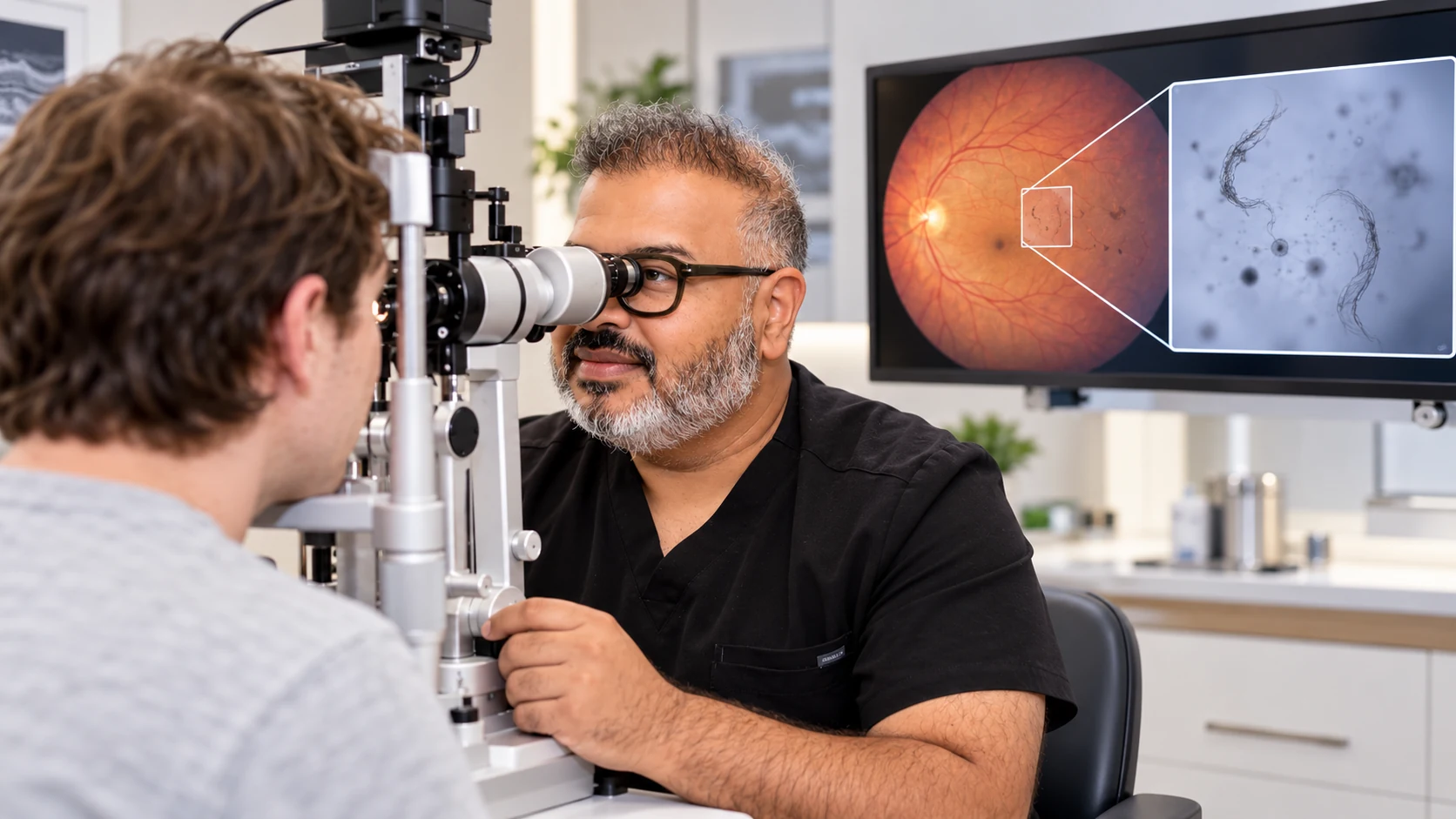 Vitreous care
Assessment of drifting dots, threads or cobweb-like shadows.
Learn more →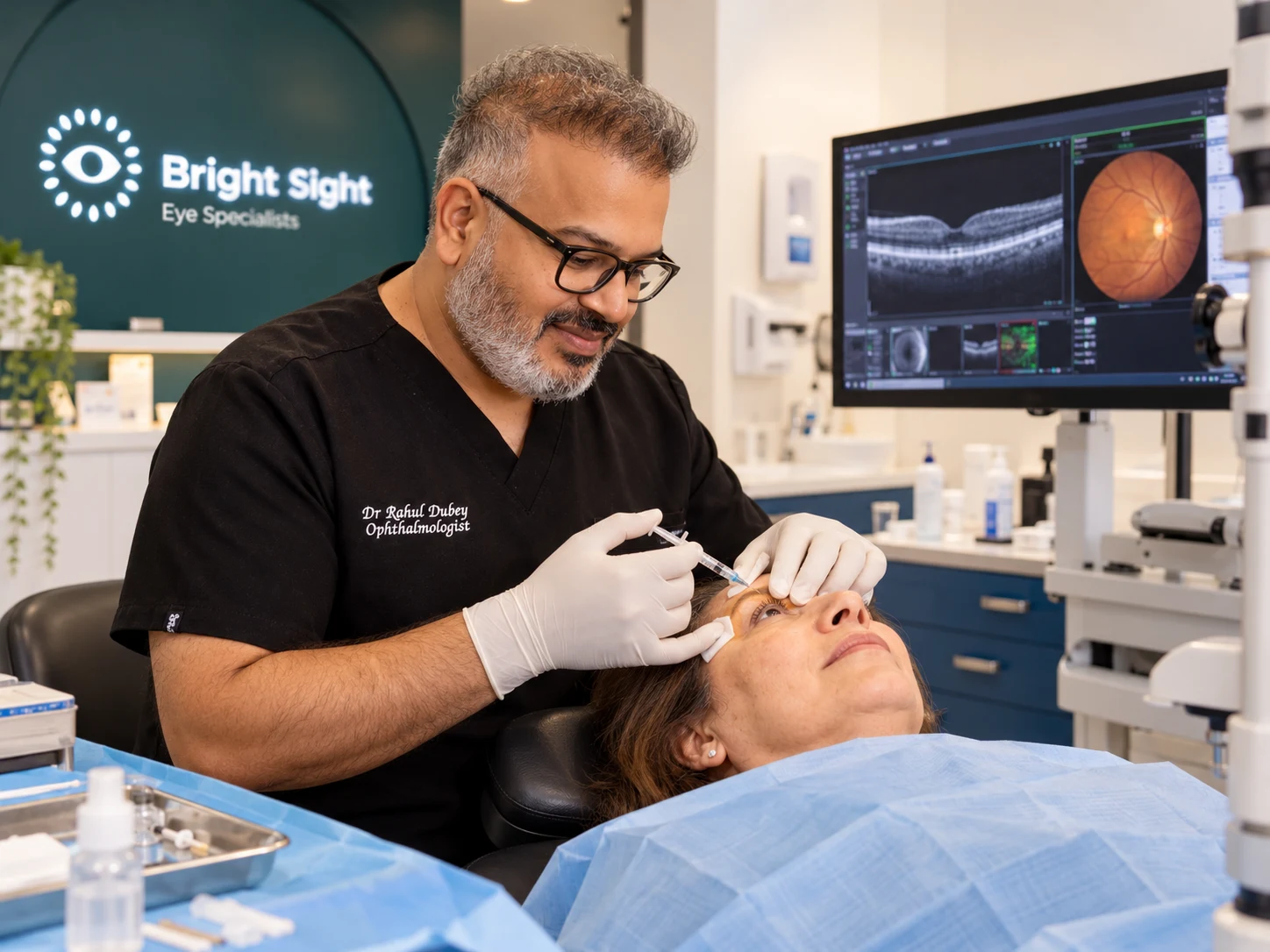 In-clinic procedure
Targeted retinal medicines delivered through a controlled procedure.
Learn more →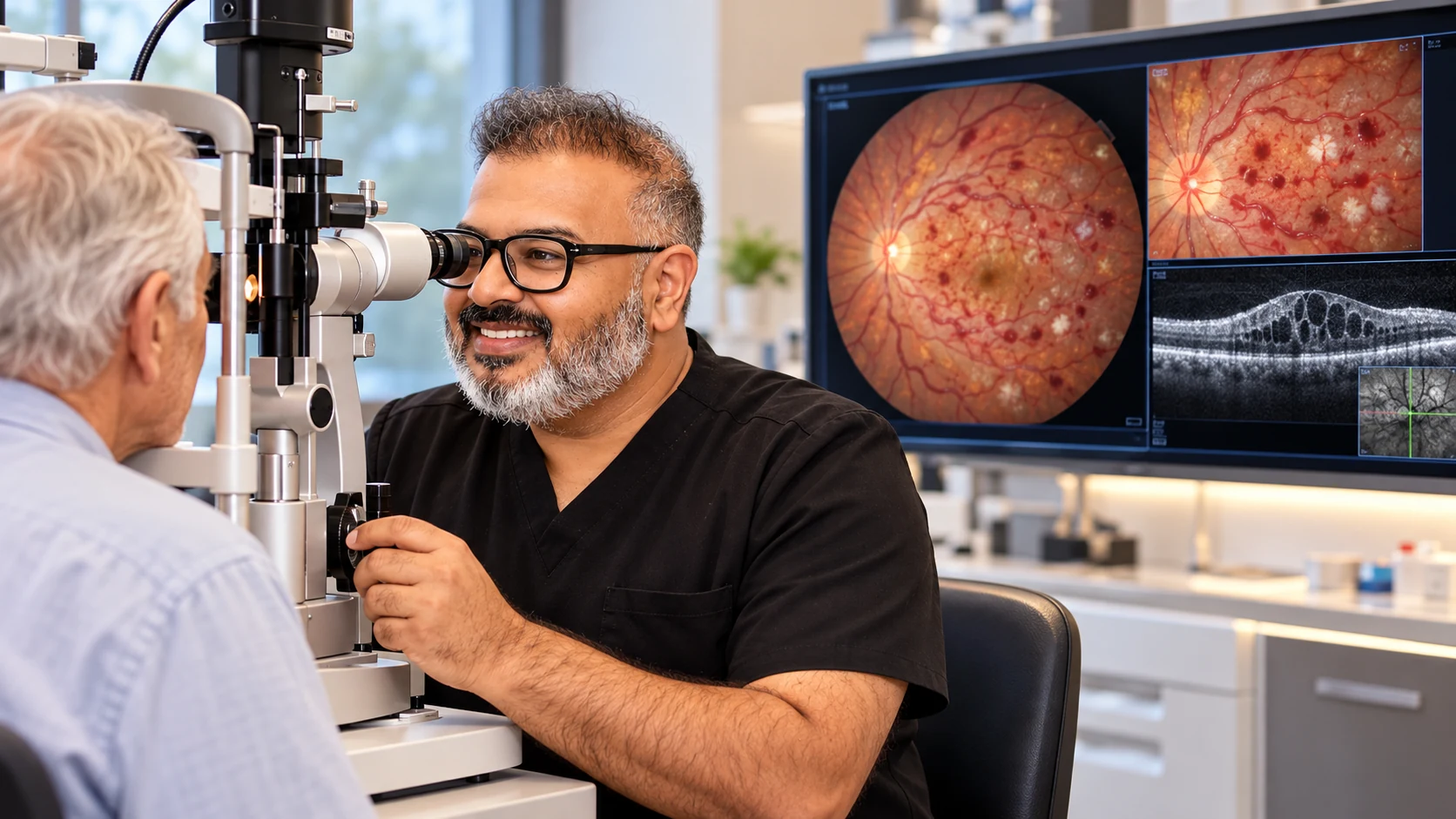 Retinal vascular care
Treatment and monitoring for blocked retinal veins.
Learn more →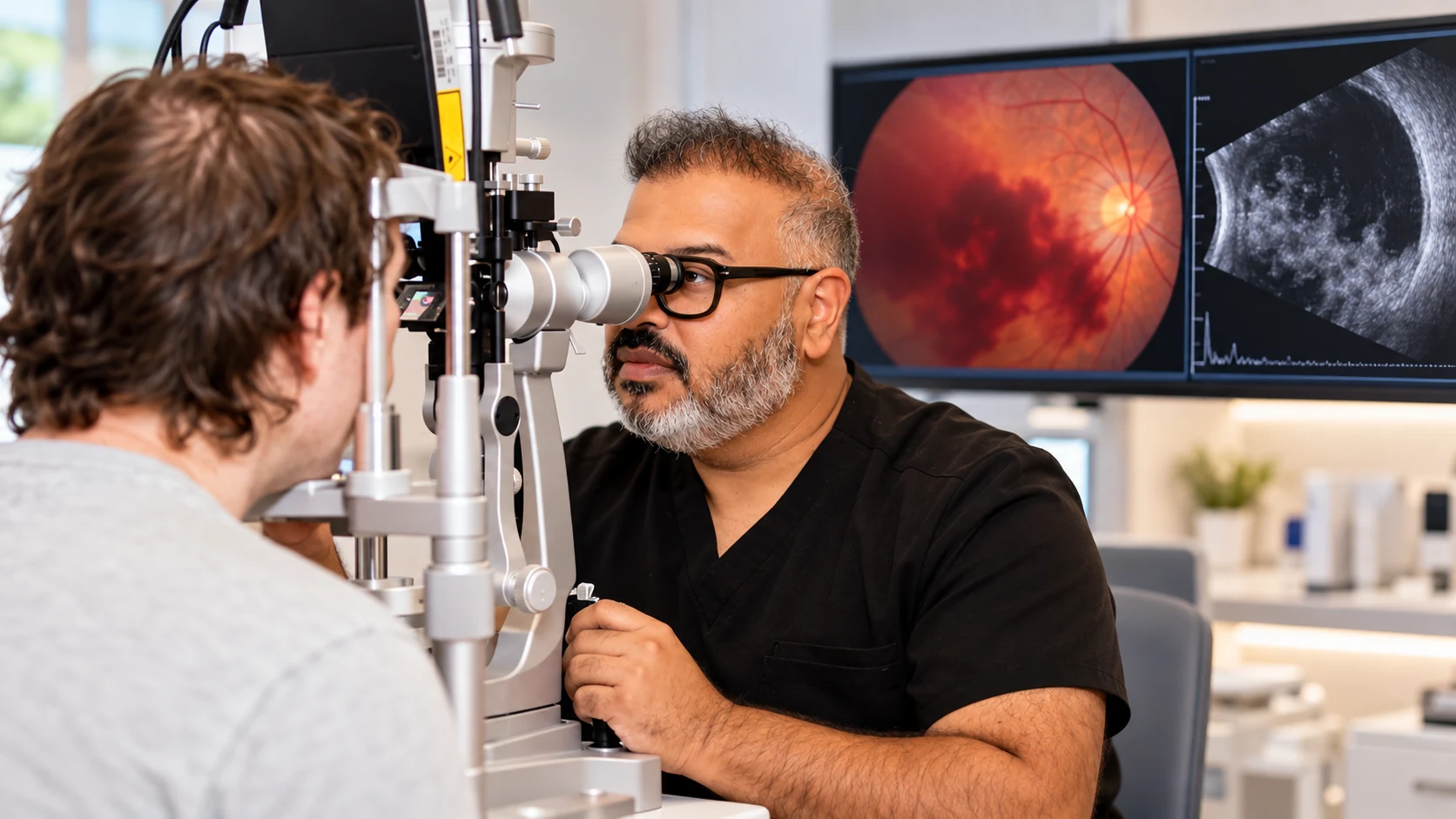 Urgent retina care
Assessment and treatment of bleeding into the vitreous.
Learn more →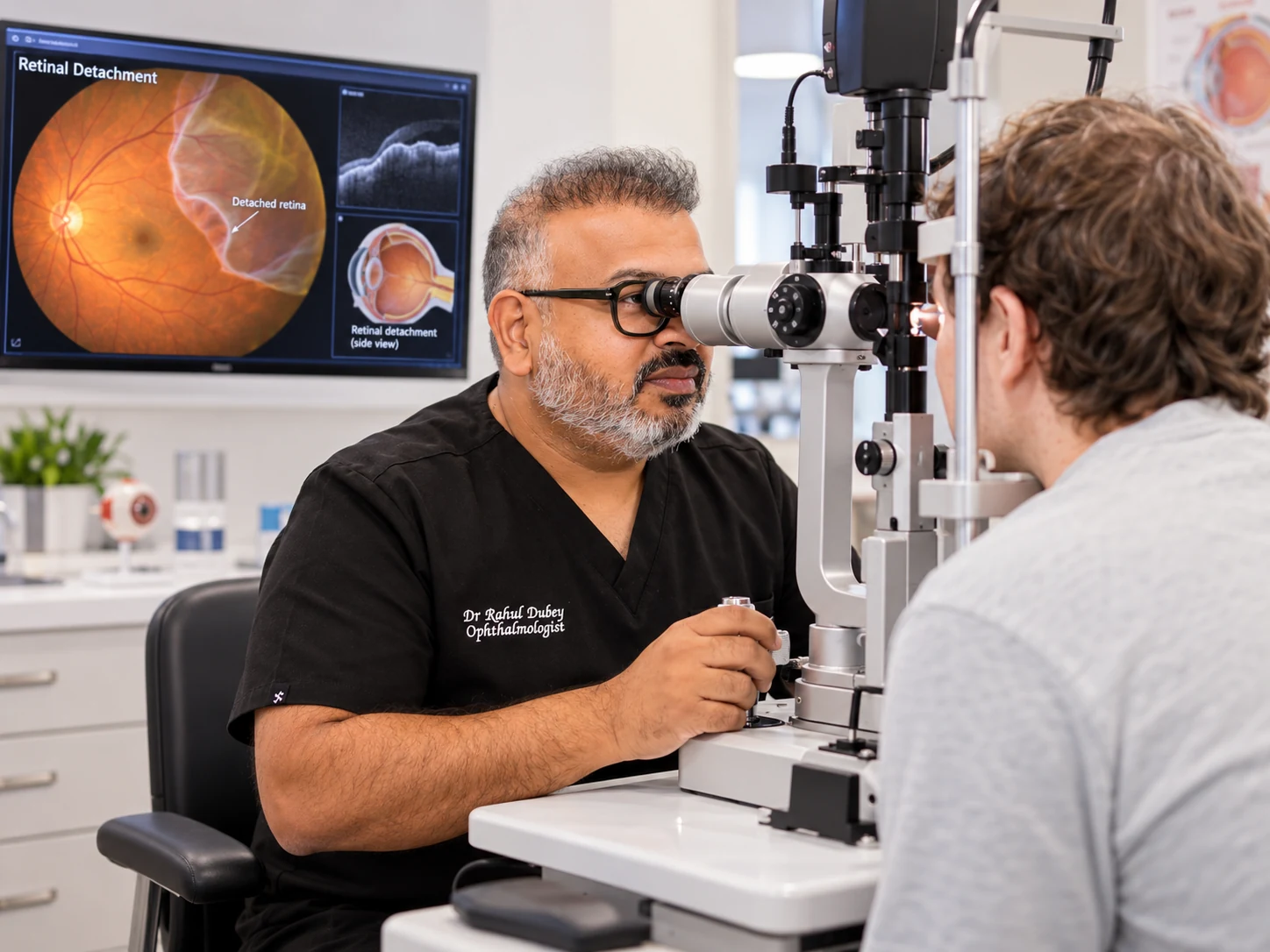 Urgent retina care
Urgent specialist treatment for separation of the retina.
Learn more →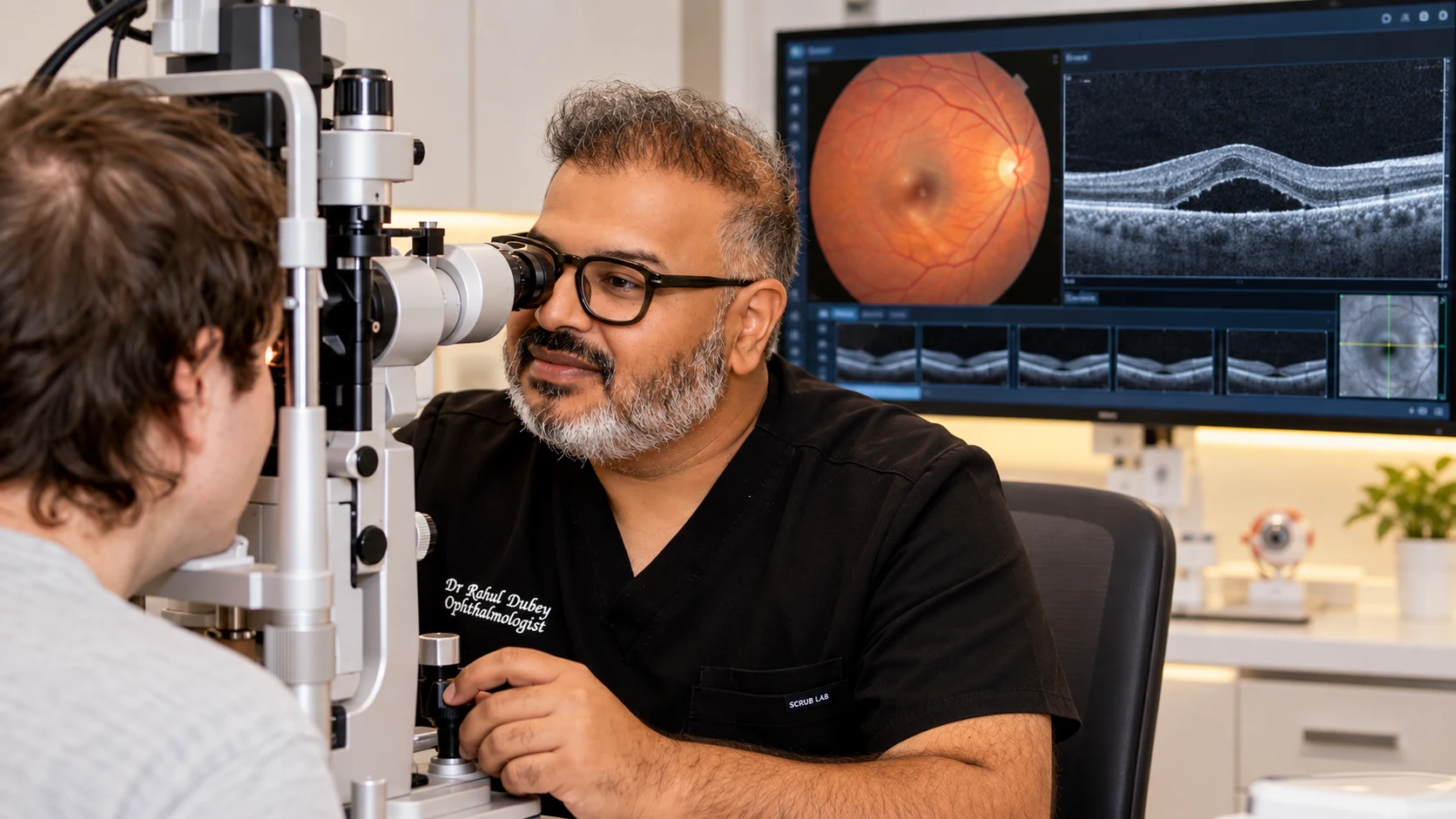 Macula care
Monitoring and treatment for fluid beneath the central retina.
Learn more →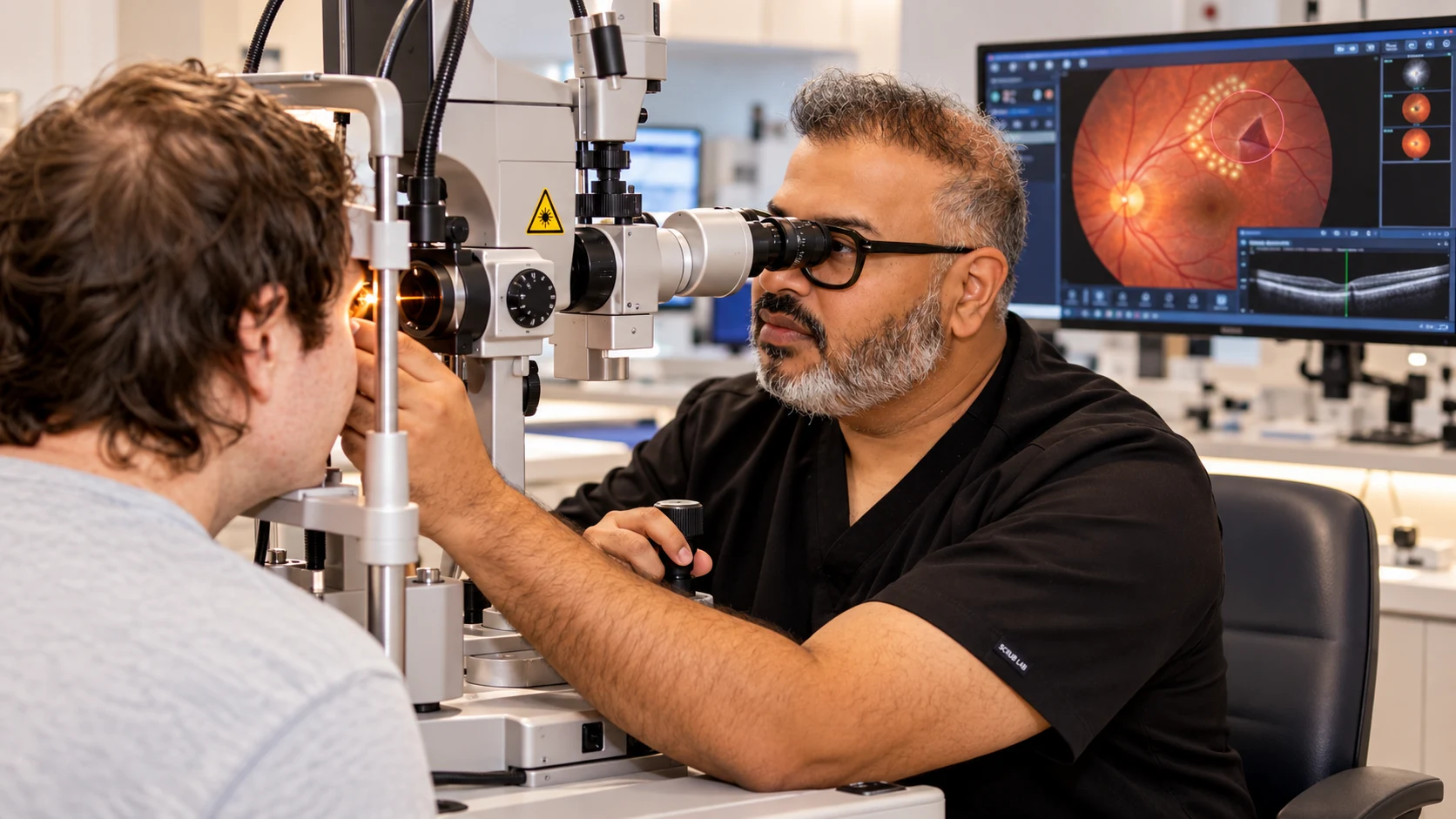 Urgent retinal assessment
Careful peripheral retinal examination for new flashes, floaters and suspected retinal tears.
Learn more →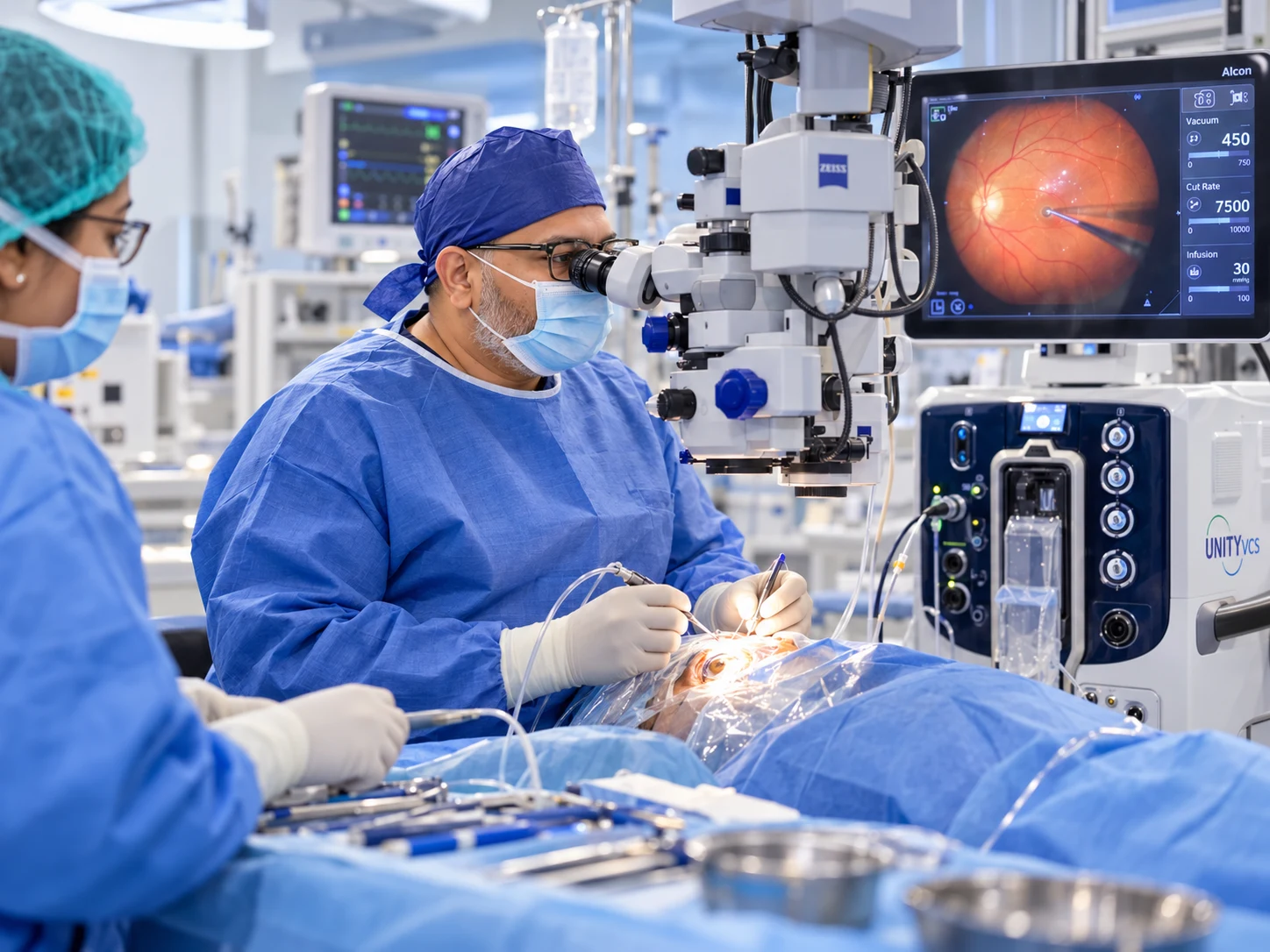 Vitreoretinal surgery
Small-incision surgery for selected conditions affecting the vitreous, retina and macula.
Learn more →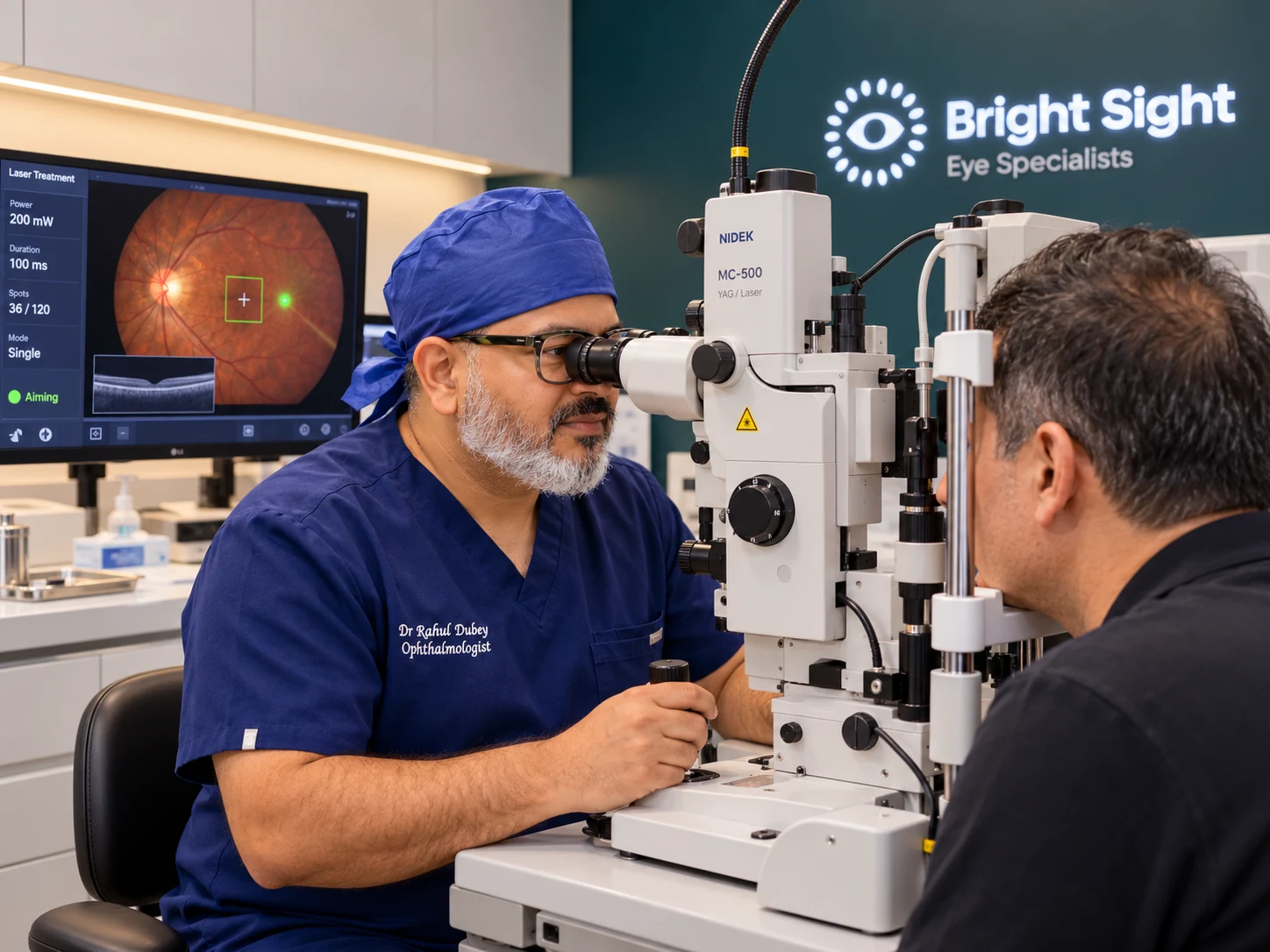 Laser retinopexy & photocoagulation
Targeted laser treatment for selected retinal tears, abnormal blood vessels and retinal disorders.
Learn more →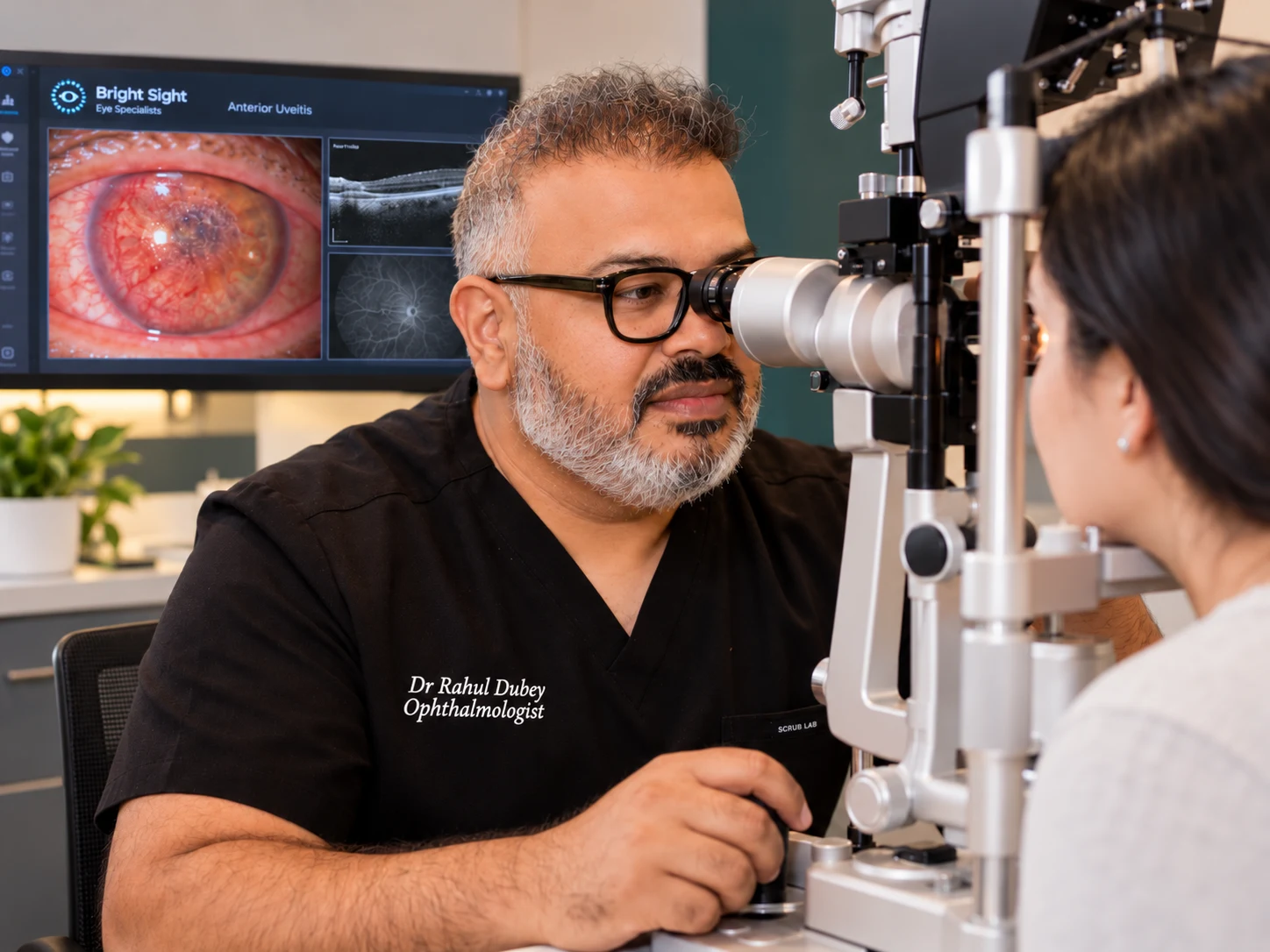 Ocular inflammation
Specialist assessment and treatment for inflammation affecting the eye.
Learn more →Explore each stage of the procedure. This guide is educational and does not replace personalised medical advice.
The natural lens becomes cloudy, reducing clarity and contrast.
Practical guidance for every stage of your care—from preparing for your first appointment to recovery at home.

Bring your referral, current glasses, medication list and Medicare card.
Prepare for your visit →Seek urgent assessment for sudden vision loss, new flashes, a shower of floaters, a dark curtain or shadow, severe pain, or eye trauma.
Call 02 9128 0888 ↗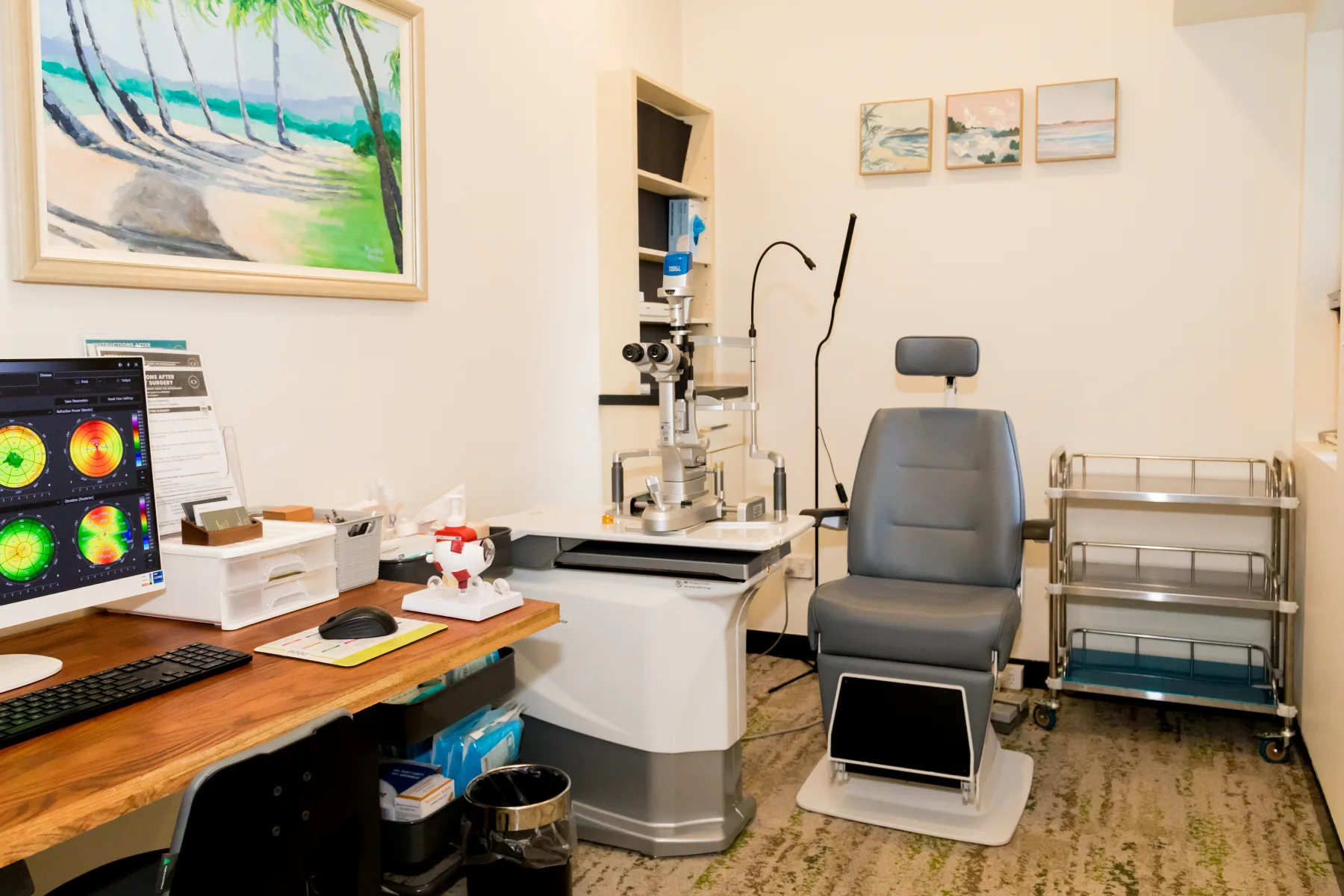
Access referral criteria, urgent clinical guidance and secure referral options.
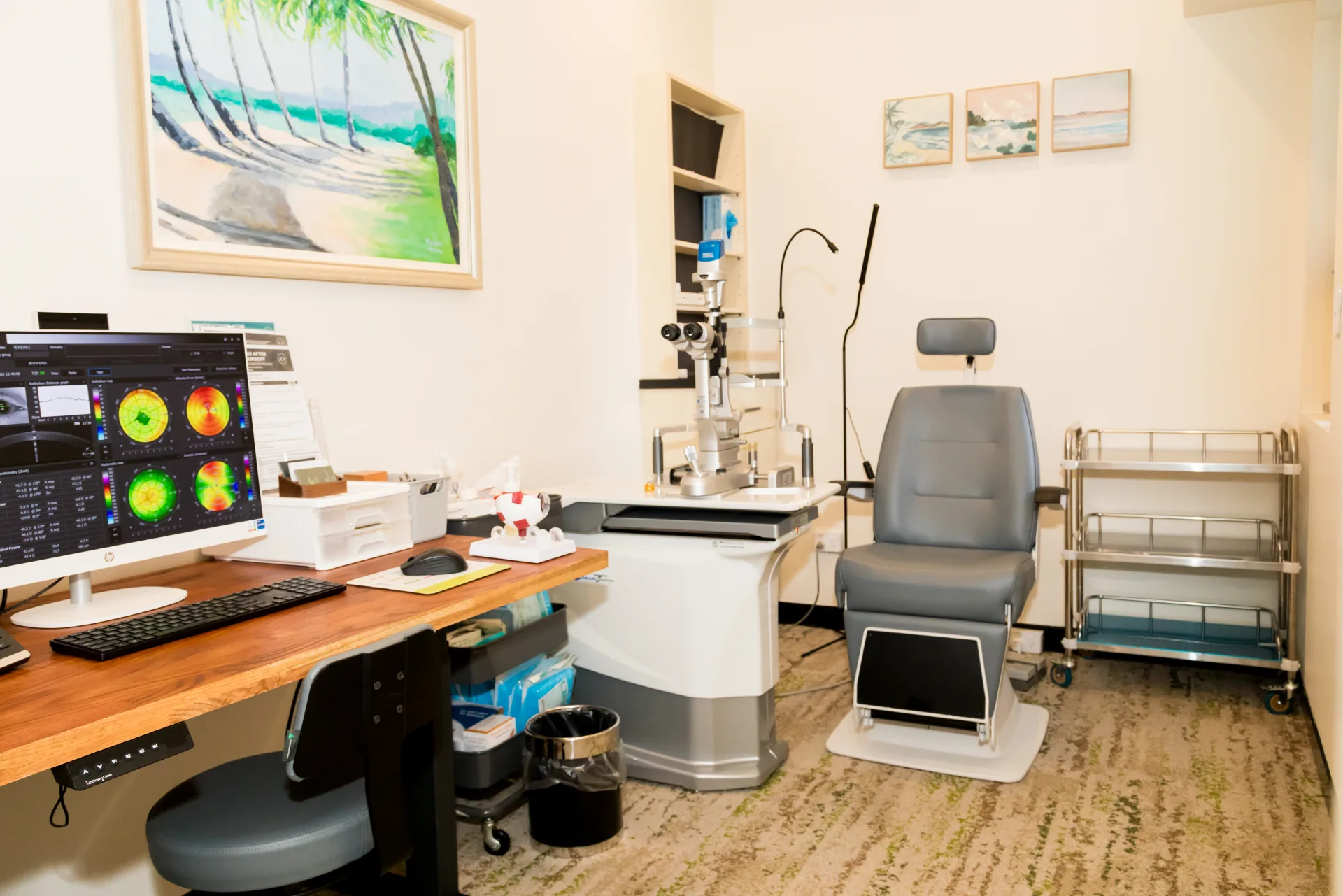
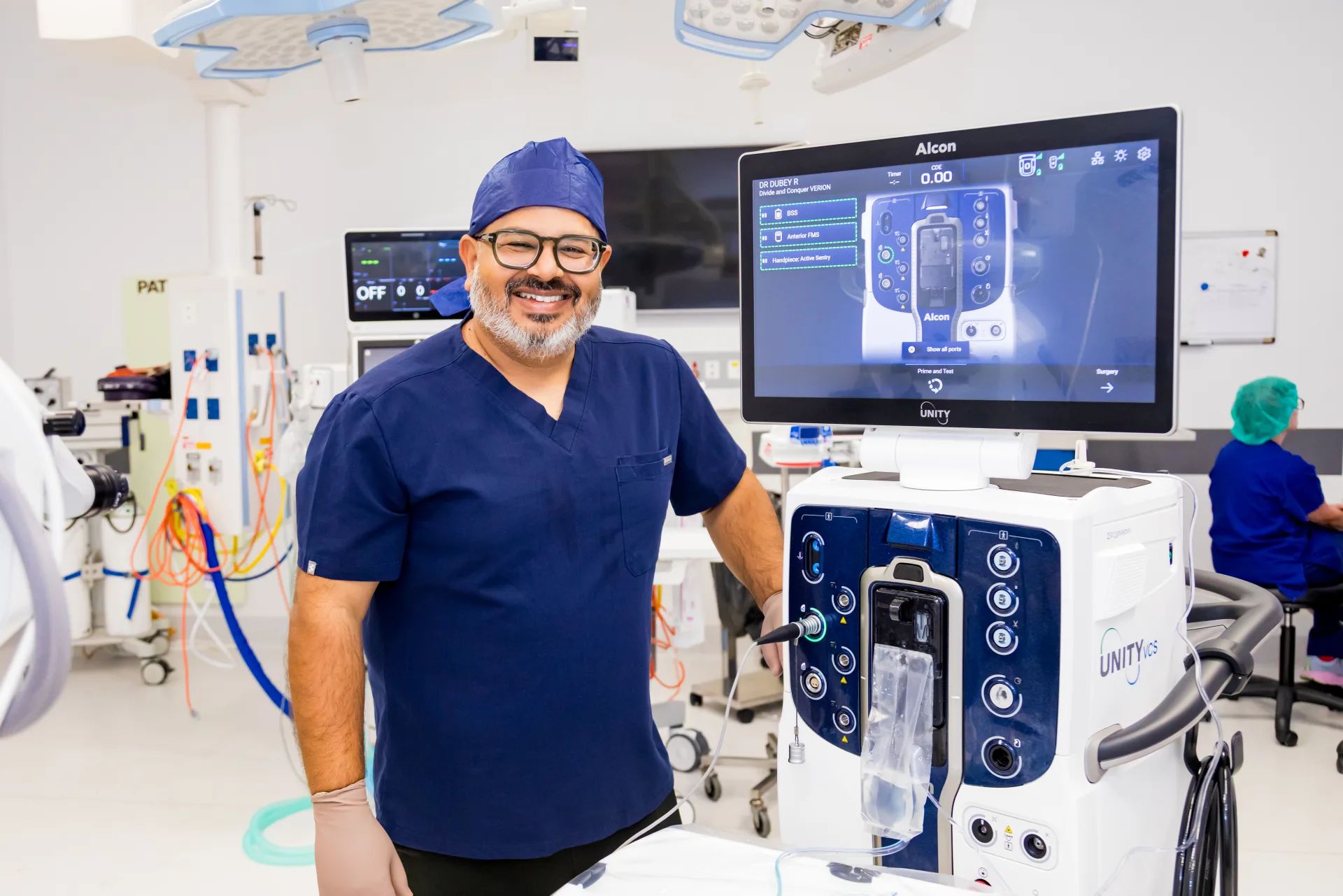
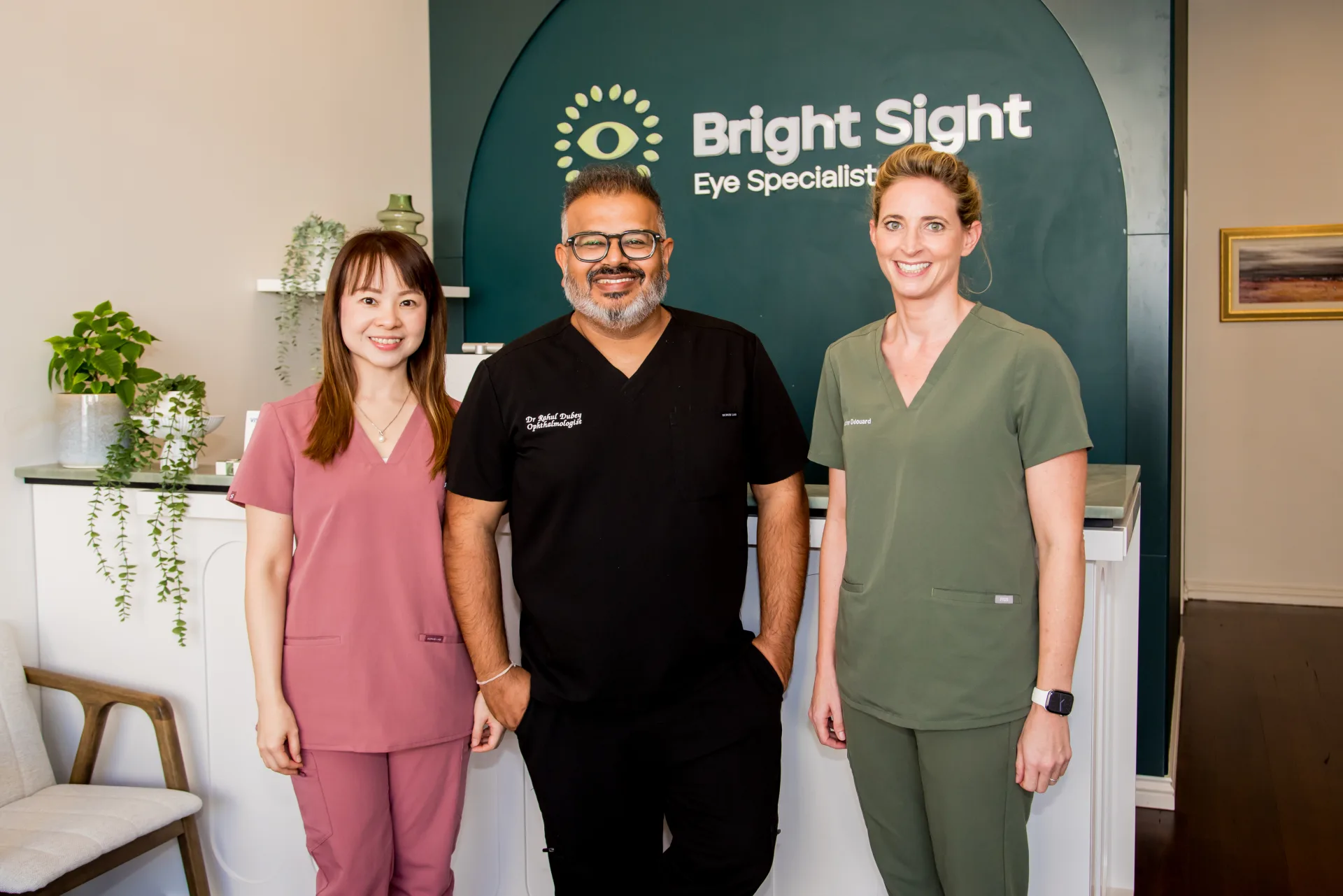
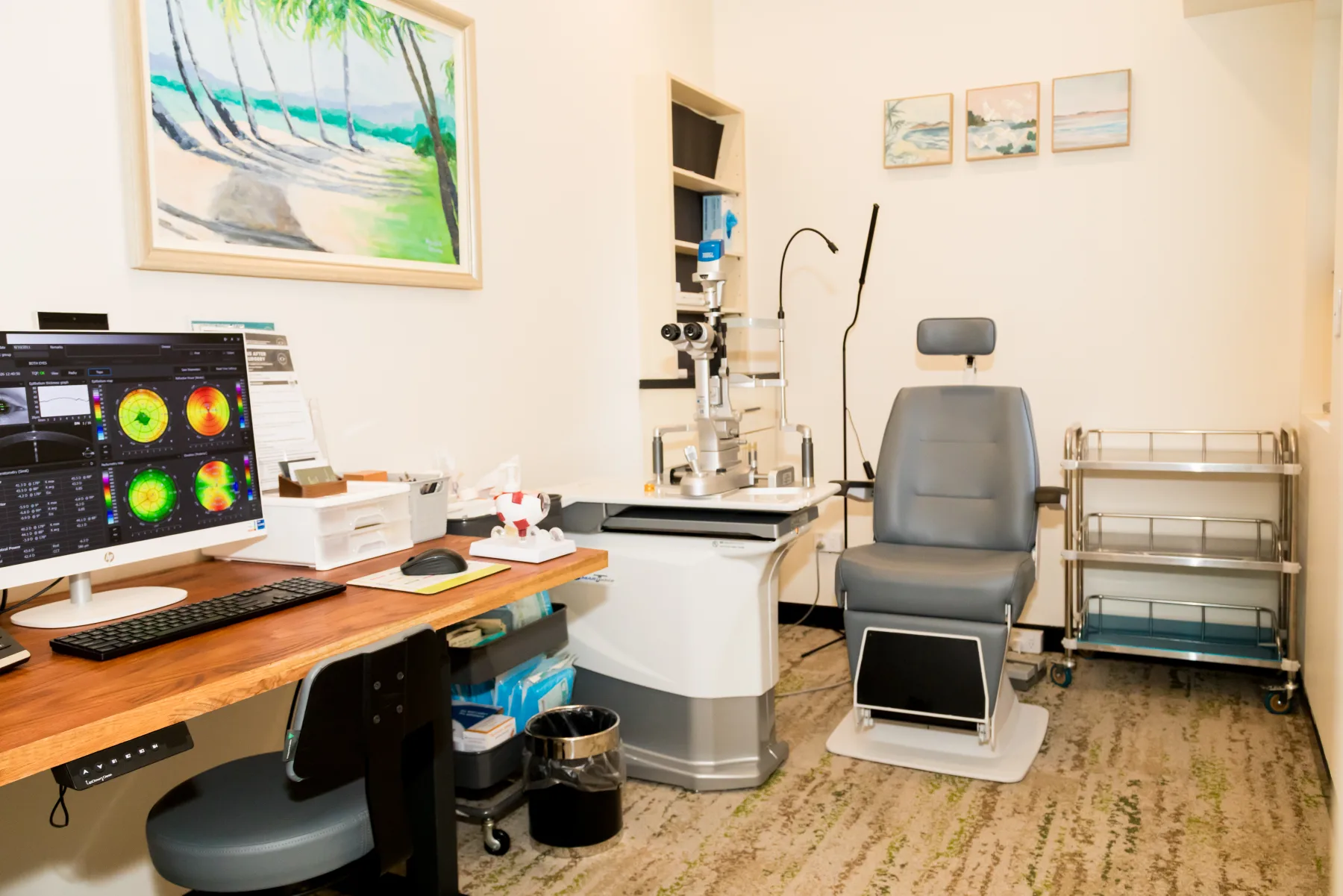
Step inside the consulting rooms, meet the team and see the technology supporting thoughtful specialist eye care.
Explore the practice →MEDICALLY REVIEWEDLearn the warning signs that should prompt an urgent retinal assessment.
↗ MEDICALLY REVIEWED
A calm, step-by-step explanation of preparation, treatment and aftercare.
↗ MEDICALLY REVIEWED
Understand the factors your surgeon considers when planning your vision.
↗Request an appointment or speak with our reception team. Please do not include sensitive medical information.
After you submit the form, reception will contact you to understand the appointment you need and confirm a suitable time.