


Your Cataract Surgery Eye Drop Schedule: A Practical Guide
- Mar 6
- 9 min read
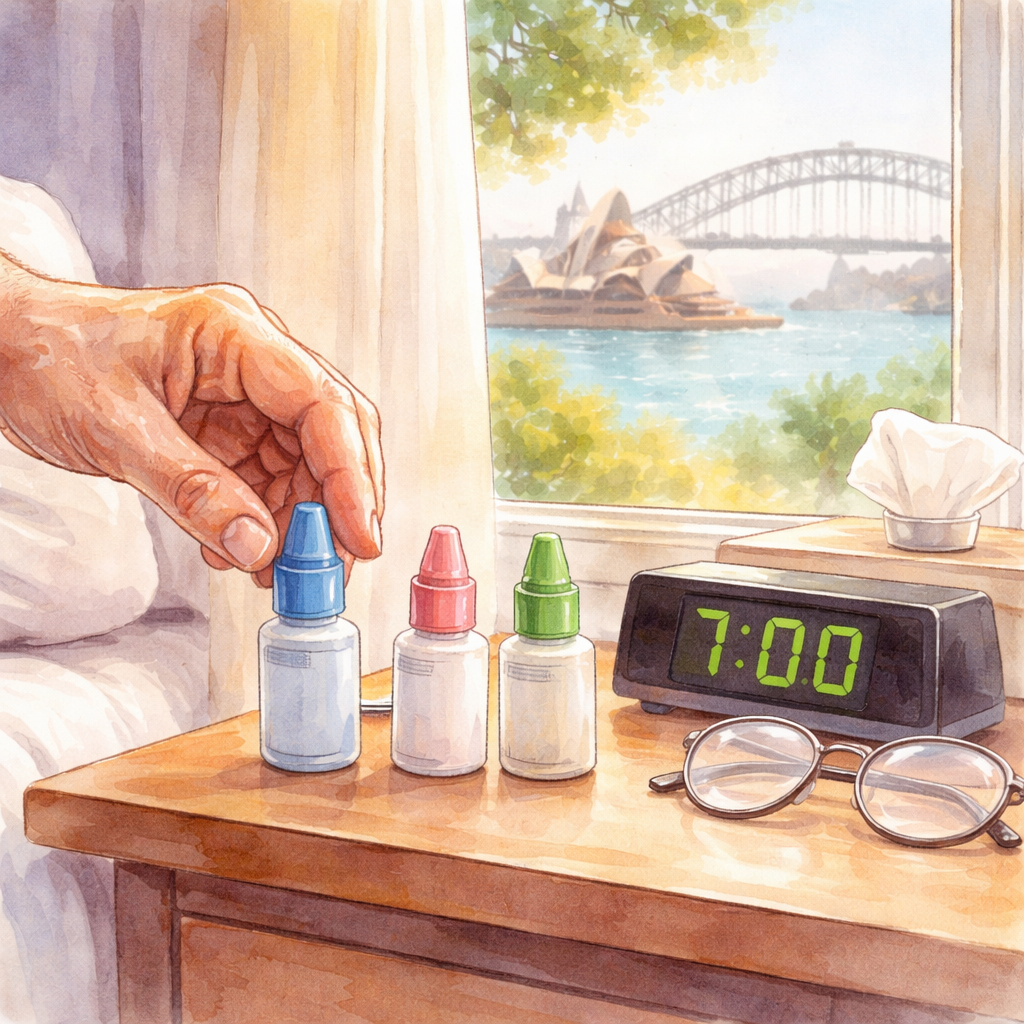
Your eyes start healing the moment the bandage comes off, and the first thing you’ll hear about is the eye‑drop schedule.
Missing a drop or using it at the wrong time can blur vision, raise pressure, or slow recovery. That’s why we break it down into three simple phases: the immediate post‑op days, the week‑long taper, and the long‑term maintenance.
In the first 24‑48 hours most surgeons prescribe an anti‑inflammatory drop three times a day and an antibiotic twice a day. Set an alarm on your phone, keep the bottles on the nightstand, and use a mirror to check placement.
After a week you’ll likely drop the antibiotic and keep the anti‑inflammatory once or twice daily. Many patients find a reminder app helps them stay on track.
From week two onward the schedule usually shifts to a single drop a day, often a steroid‑free formula, until the eye is fully stable. If you notice redness, pain, or sudden cloudiness, call your clinic right away.
For a full timeline and tips on what to expect at each appointment, see our cataract surgery follow up schedule guide.
Step 1: Understanding Your Post‑Surgery Prescription
Knowing exactly what drops to use and when they’re due is the first step to a smooth recovery.
In the first two days you’ll likely have an anti‑inflammatory drop three times a day and an antibiotic twice a day. After about a week the antibiotic drops stop, and the anti‑inflammatory may drop to once or twice daily. Some surgeons add a steroid‑free formula after two weeks for long‑term stability.
Set a phone alarm, keep the bottles on your nightstand, and use a mirror to check that the tip lands on the eye. A quick note in a habit‑tracker app can save you from a missed dose.
For a full checklist of post‑op steps, see our Postoperative Care for Cataract Surgery: A Step‑by‑Step Guide.
If you want a simple way to set reminders and track any side effects, XLR8well offers a health‑monitoring platform that lets you log drops alongside diet and activity.
Looking beyond eye care, the SC Clinic’s comparison of CoolSculpting and liposuction can help you plan any body‑contouring procedures you might consider while you recover.
Step 2: Day‑One Drop Routine
Right after the bandage comes off, the drop schedule kicks in. You’ll start with three eye‑drops a day – an antibiotic, a steroid‑type anti‑inflammatory, and a lubricating drop. The antibiotic stops germs, the steroid calms swelling, and the lubricating drop keeps the eye from feeling gritty.
Set three alarms on your phone, one for each drop. Keep the bottles on your nightstand so you don’t have to hunt for them in the dark. Use a clean mirror, pull the lower lid down, and drop the liquid. Wait five minutes before the next one – that tiny pause stops the drops from washing each other away.
Real‑world tip: One of my Sydney patients liked to label each bottle with a colour‑coded sticker. It turned the routine into a quick visual check and cut mistakes in half.
If you notice any extra redness, sudden pain, or blurry vision, call the clinic right away. Most of the time the drops will taper after a week – the antibiotic drops stop, and the anti‑inflammatory drops drop to once or twice a day. By the end of week two, you’ll likely be on a single lubricating drop.
For more on keeping your eyes comfortable after surgery, see our guide on dry eye care after cataract surgery. And if you’re sorting out financing for your procedure, Pacshores Mortgage has options that might fit your budget.
Step 3: Managing Drops in the First Week
Now the first week is the real test. You’ll notice the antibiotic drops disappear after a few days, but the steroid‑type anti‑inflammatory may stick around. That’s normal – it’s still soothing any lingering swelling.
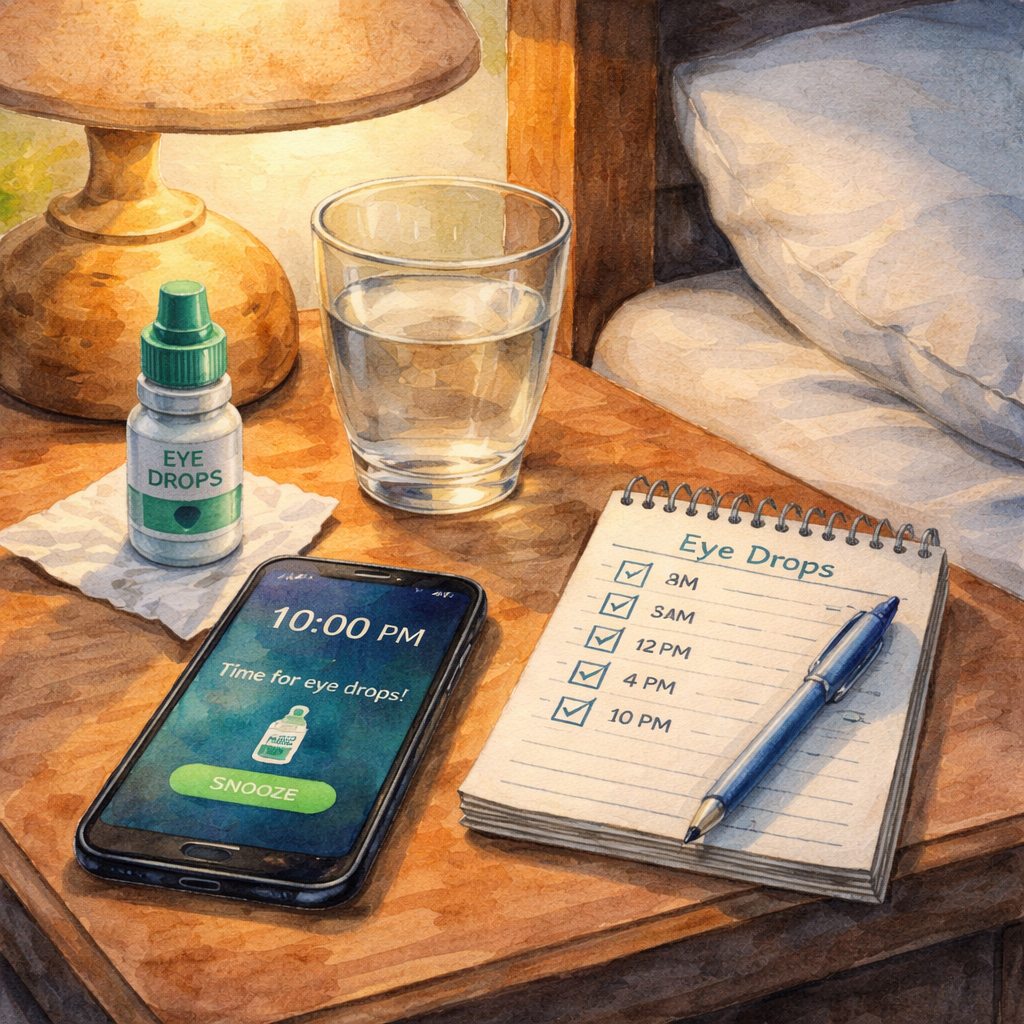
Tip: Keep a simple log . Write the time you squeeze each bottle next to the nightstand. A quick glance tells you if you missed a dose or doubled up.
If a drop feels watery or you see a tiny red spot, don’t panic. A little irritation is common as the eye adjusts. Still, call the clinic if the redness spreads, pain spikes, or vision blurs.
Most patients find the schedule settles by day five. By the end of week one you’ll likely be on one or two anti‑inflammatory drops and a lubricating drop for comfort.
For a full checklist of what to watch for, check out our Postoperative Care for Cataract Surgery: A Step‑by‑Step Guide. It walks you through signs that need a doctor’s eye.
Step 4: Week Two to Four Drop Schedule
By week two most of the swelling has calmed. Your eye now needs just a gentle reminder to stay clear. Switch to one drop a day – usually a preservative‑free lubricant. Put it in the morning after you wash your face. If you miss a dose, just give it when you remember; don’t double up.
Real‑world tip: One of my Sydney patients set a simple alarm titled “Eye drop” on his phone. He keeps the bottle on the bedside table, pulls the lower lid down, and lets a single bead fall. He blinks a few times, then wipes away the excess with a clean tissue.
Watch for any new redness or pain. If you see a sharp ache, a sudden cloudiness, or the eye feels gritty, call the clinic right away. Most issues show up early and are easy to fix.
It’s also a good time to keep a short log – just the date and time. Seeing a pattern helps you stay on track and gives the surgeon clear info if you need a check‑up.
Need a quick reminder of when you can safely shower after surgery? Check out our shower guide for safe timing and simple steps.
Step 5: Comparing Common Eye Drop Regimens
After you’ve gotten past the first weeks, you’ll notice three main ways surgeons guide healing. The classic route sticks with daily drops for a month. A tapered plan cuts back to a single lubricating drop after week two. And a newer “dropless” option gives you a one‑time injection at the end of surgery and skips most drops.
Here’s a quick look at what each style means for you:
Regimen | How long | What to watch |
Standard daily drops | 4‑6 weeks | Remember each dose; keep a log |
Tapered schedule | 2‑4 weeks | Switch to one drop a day after week two |
Dropless (intracameral) | Single injection | Check for inflammation on day 8 |
In a recent multicenter study, patients who got the dropless mix reported similar inflammation rates to those who used drops, but many said they liked not having to remember multiple bottles study shows . If you’re busy or find drops tricky, ask your surgeon if the injection option fits your lifestyle.
For a deeper dive into post‑op care steps, check out our Postoperative Care for Cataract Surgery: A Step‑By‑Step Guide. It breaks down when to start each drop, what signs mean you should call the clinic, and how to keep a simple log.
Step 6: Tips for Adherence and Managing Side Effects
Sticking to the cataract surgery eye drop schedule can feel like a tiny daily chore, but missing a dose can slow healing.
First, set a simple alarm for each drop type. Label the bottles with a colour or a sticker so you can spot them in the dark. Keep the bottle on your nightstand – that way you don’t have to hunt for it when you’re half‑asleep.
If a dose slips, don’t double‑up. Just give the missed drop as soon as you remember, then resume the normal timing. A quick note in a phone notebook helps you see any gaps at a glance.
Side effects are usually mild. A bit of redness or a watery eye often fades in a day. If the redness spreads, the pain gets sharp, or your vision blurs, call the clinic right away – those can signal inflammation that needs a tweak in the regimen.
Having a spare bottle on hand can save a panic moment if the original gets empty early. And a brief check of our post‑operative care guide gives you a handy reminder of warning signs.
Step 7: When to Contact Your Ophthalmologist
If something feels off with your eye, don’t wait.
Sharp pain that comes on fast, vision that suddenly gets blurry or cloudy, a red glow that spreads, or new flashes of light are all signs you should pick up the phone right away. Same goes for a thick discharge, a gritty feeling that won’t quit, or any sudden loss of sharpness.
Call the clinic as soon as you notice any of these, even if it’s just a few hours after surgery. If the problem is mild, like a tiny bit of irritation that eases in a day, you can wait until your next scheduled check‑up, but keep a close eye on it.
Keep the surgeon’s after‑hours number in your phone, and jot down the time you first saw the symptom. A quick note helps the doctor decide if you need to come in today or can wait.
If you lose vision or see many flashes, treat it as an emergency, call the clinic and follow their advice to go to the ER right away. Quick action can protect your sight.
For a full checklist of warning signs and when to book your next appointment, see our cataract surgery follow‑up schedule guide.
FAQ
What is the typical cataract surgery eye drop schedule?
Right after your surgery you’ll usually get three drops a day – an antibiotic, a steroid‑type anti‑inflammatory and a lubricating drop. The antibiotic runs for about a week, the steroid drops taper down after the first few days, and the lubricating drop often stays once a day for a month or longer. Your surgeon will give you a printed plan that matches your eye’s needs.
How long should I keep using the antibiotic drops?
Most doctors tell patients to use the antibiotic for seven to ten days. That window covers the time when germs are most likely to try to enter the eye after surgery. If you stop early, you raise the risk of an infection that can damage vision. Keep using the drops exactly as prescribed, even if your eye feels fine before the course ends.
Can I skip a drop if I forget?
Yes, you can. If you miss a dose, put the drop in as soon as you remember – just don’t double up. Doubling can flood the eye and wash out the medicine you just used. Set a reminder on your phone or keep the bottles where you see them at night. That way you’ll catch most doses without having to think too hard.
What signs mean I need to call the clinic right away?
Look for sudden sharp pain, a rapid spread of redness, new cloudiness, or flashes of light around lamps. Any of these changes suggest an infection or inflammation that needs prompt care. Also watch for vision that gets noticeably worse or a feeling like sand in the eye. When you see any of these, pick up the phone and tell the staff when the symptoms started.
Do I need to keep a log of my drops?
Keeping a simple log helps both you and your surgeon. Write down the date and time each drop goes in. If you miss a dose, note when you catch up. The record gives the doctor a clear picture of how well you’re following the schedule and can point out patterns if you develop a problem later. A notebook on the nightstand works fine.
Are there any special care tips for the first two weeks?
During the first 14 days avoid getting water directly into the eye – no swimming or hot tubs. Wear sunglasses when you’re outside to shield the eye from bright light and wind. If you wear contacts, wait until your surgeon says it’s safe to put them back in. Stay hydrated and use preservative‑free lubricating drops if the eye feels dry.
Conclusion
We've covered every stage of the cataract surgery eye drop schedule, from the first burst of drops to the gentle daily lubricants later on.
Set three alarms, label each bottle, and jot the time in a notebook, a quick log saves your surgeon time and catches patterns.
Watch for red‑flag signs like sharp pain, spreading redness, new cloudiness, or flashes of light; those cues mean you should call the clinic immediately.
Stay out of pools, wear sunglasses on bright days, and keep your eye hydrated with preservative‑free tears if it feels dry.
Follow up appointments are the perfect chance to ask questions and confirm that your eye is healing as expected.
So, what's the next step for you? If any doubt creeps in, give our office a ring or send a message, we’re ready to guide you through a smooth recovery.
Comments