


What to Expect: Pneumatic Retinopexy Recovery Time Explained
- Dec 1, 2025
- 18 min read
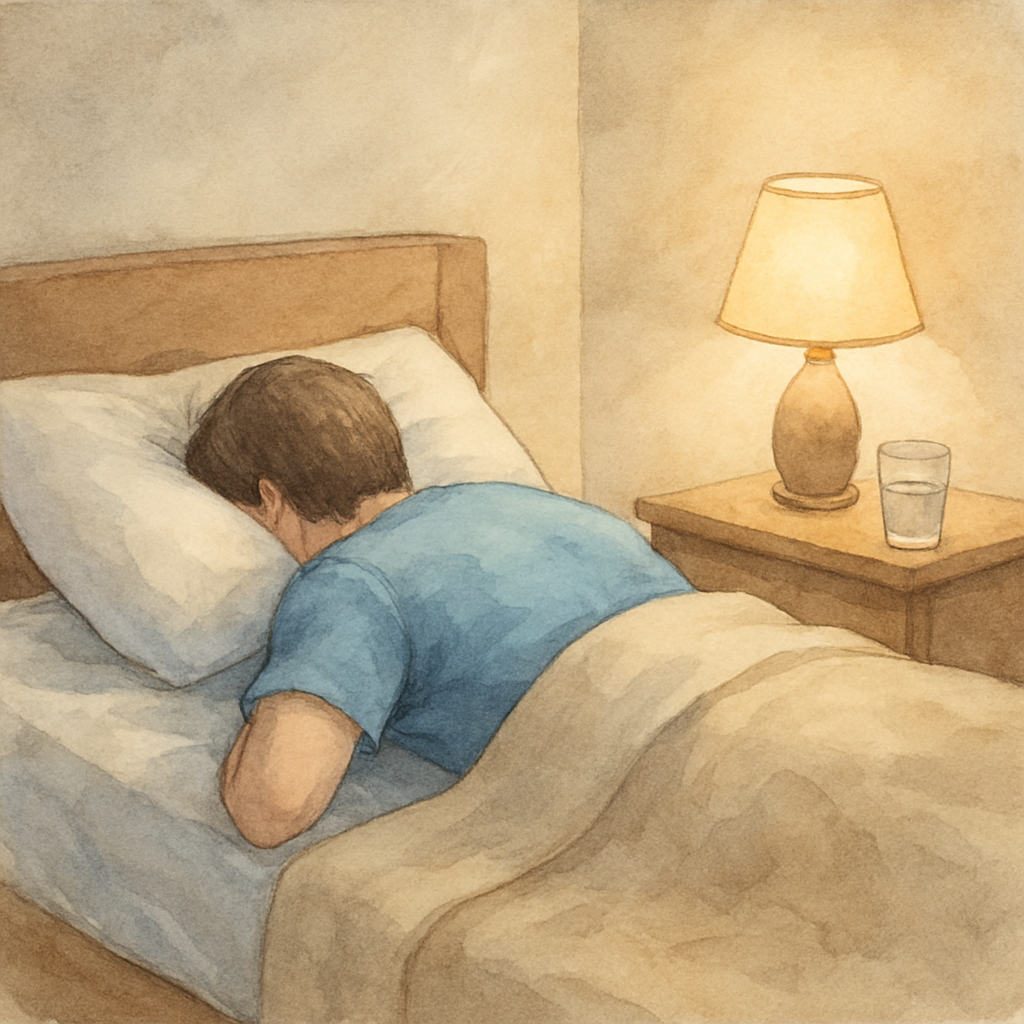
If you’ve just been told you need a pneumatic retinopexy, your first thought is probably “how long will I be out of commission?” You’re not alone – that nervous pause right after the doctor explains the gas bubble and the positioning is something every patient feels.
The good news is recovery is usually swift, but “swift” can still mean a few days of blurry vision, limited driving, and careful head‑down routines. In my clinic we see most people back to normal activities within one to two weeks, while the gas slowly absorbs over three to six weeks.
Why does the timeline vary? Age, the size of the retinal break, and how well you keep the prescribed face‑down position are the biggest factors. For example, 68‑year‑old Margaret from Bondi kept the position for only a few hours each night and needed an extra week of visual recovery, whereas 45‑year‑old Tom, a software developer, followed the posture schedule exactly and reported clear vision by day eight.
To make the most of those first days, treat your eye like a delicate plant. Keep water‑based eye drops handy, avoid heavy lifting, and wear sunglasses outdoors to reduce glare. If you notice a sudden increase in floaters or a new curtain‑like shadow, call your retina surgeon right away – it could signal a re‑detachment.
A helpful way to visualize the timeline is to compare it with vitrectomy recovery – both involve gas bubbles and similar positioning. Our guide on what to expect during vitrectomy recovery time breaks down day‑by‑day milestones you’ll recognize during pneumatic retinopexy as well.
Comfort while you’re face‑down matters more than you think. A supportive pillow can keep your neck aligned and reduce pressure on the eye, which helps the gas bubble stay correctly positioned. For tips on picking the right pillow, check out this guide to side‑sleepers’ pillows – it’s a simple tweak that can speed up your recovery.
TL;DR
Recovering from pneumatic retinopexy usually takes one to two weeks for daily tasks and three to six weeks for full visual clarity, so you can plan work, driving and leisure without surprises. Follow our practical tips, including positioning, eye drops, and pillow support, to speed healing and avoid overall complications.
Step 1: Understand the Procedure and Typical Recovery Timeline
First things first – what actually happens during a pneumatic retinopexy? The surgeon injects a tiny gas bubble into the vitreous cavity, then you spend a few days keeping your face‑down so the bubble presses the retinal tear back into place. It sounds a bit sci‑fi, but it’s really just a short‑term “float” that does the heavy lifting for you.
Now, how long does that “float” stay? Most patients notice the biggest improvement in the first 48‑72 hours, but the bubble can linger for three to six weeks as it slowly absorbs. That’s why you’ll hear the phrase “pneumatic retinopexy recovery time” tossed around – it covers two overlapping phases: the quick functional bounce‑back and the slower visual fine‑tuning.
Think of it like planting a seed. The sprout breaks the surface in a few days (your blurry vision clears enough to read a book), but the roots keep growing for weeks before the plant is fully robust (your vision reaches its final sharpness).
So, what should you expect day by day? Here’s a quick snapshot:
Day 1‑3:You’ll wear an eye patch or shield, keep the face‑down position, and experience hazy vision. Light sensitivity is common.
Day 4‑7:The bubble starts to settle. You may be able to sit up for short periods, but still avoid heavy lifting.
Week 2‑3:Most daily tasks feel normal. You might still see a faint “bubble shadow” in peripheral vision.
Week 4‑6:The gas fully dissolves. Visual acuity stabilises, and you can resume full driving and sports.
But every eye is unique. Age, the size of the retinal break, and how faithfully you keep the posture all shift the timeline. Margaret, a 68‑year‑old from Bondi, needed an extra week because she slipped out of the face‑down position at night. Tom, 45, followed the schedule to the minute and reported crisp vision by day eight.
One practical tip that often slips through the cracks: the pillow you use can make or break your comfort. A well‑designed side‑sleeping pillow supports your neck and keeps the bubble from drifting. If you want a deep dive on picking the right one, check out how to choose the best pillow for side sleepers . A good pillow reduces neck strain and helps the bubble stay exactly where it needs to be.
And here’s where the internal knowledge hub comes in. If you’re curious how this recovery compares to other retinal surgeries, our What to Expect During Vitrectomy Recovery Time: A Practical Guide breaks down the parallels and lets you see why the timelines line up.
While you’re navigating the face‑down routine, keep these eye‑care basics front‑and‑center:
Use preservative‑free artificial tears every 2‑3 hours to stave off dryness.
Avoid strenuous exercise or heavy lifting for at least two weeks.
Wear sunglasses outdoors to cut glare and protect the healing retina.
Monitor for sudden increase in floaters, new curtain‑like shadows, or sharp pain – those could signal a re‑detachment.
Speaking of monitoring, a short video walks you through the typical day‑by‑day checklist. It’s a handy visual reminder of what to do and when to call your surgeon.
After you’ve watched the video, give yourself a moment to breathe. Recovery isn’t just about the eye; it’s about staying calm enough to follow the positioning without stress. If you’re looking for a partner that helps eye‑care practices reach patients who need this exact guidance, consider Healthier Lifestyle Solutions . They specialize in health‑focused marketing that can connect you with trusted retina surgeons.
Finally, a quick checklist you can print out and stick on your nightstand:
Day 1‑3: Face‑down 90 % of waking hours, eye shield on.
Day 4‑7: Short breaks allowed, keep drops handy.
Week 2: Light activity, avoid lifting >5 kg.
Week 3‑4: Check bubble position with your surgeon.
Week 5‑6: Resume full activities, schedule final exam.
Stick to this roadmap, and you’ll move from “I can’t see a thing” to “I’m back to reading the fine print on my contracts” with confidence.
Step 2: Immediate Post‑Op Care to Speed Recovery
Alright, you’re out of the operating room and the bubble is sitting in your eye. The next 48‑hours are the real test of how well you’ll bounce back. It feels a bit like tending a newborn—every move matters, but you don’t have to be perfect, just consistent.
Set‑up your recovery station
First thing: create a “post‑op hub” right where you’ll spend most of your time. Think of a small table with three things – a phone alarm, a bottle of preservative‑free lubricating drops, and a soft, supportive pillow. The alarm reminds you to check your head position every hour. The drops keep the surface smooth, and the pillow stops your neck from cramping while you stay face‑down or at the tilt your surgeon prescribed.
Pro tip: tape a sticky note on the night‑stand that says, “Check position – 1 hour.” It’s the kind of tiny cue that keeps you honest without feeling like a chore.
Head‑positioning tricks that actually work
Most surgeons ask you to keep the bubble pressing against the retinal break for at least 6‑8 hours a day during the first three days. That can sound brutal, but you can make it manageable. Use a recliner with a built‑in headrest, or prop yourself up with a stack of firm pillows that let you lie semi‑prone while you watch TV.
For superior breaks (around 12 o’clock), stay upright with a slight forward lean. For temporal breaks (around 3 o’clock), tilt your head to the opposite side. If you have multiple breaks, alternate the position every two hours – the “steam‑roller” technique that Dr Dubey’s team describes in a Specialist Care for Macular Hole and Epiretinal Membrane guide is a great visual reference.
Medication routine you can stick to
Besides the drops, you’ll likely have a short course of prophylactic antibiotics and maybe a steroid drop to control inflammation. Write the schedule on a whiteboard: “8 am – antibiotic, 12 pm – steroid, 4 pm – lubricating.” When you see the list, you’ll less likely miss a dose.
Don’t forget to avoid eye‑rubbing. It’s tempting when the eye feels gritty, but rubbing can dislodge the bubble and risk a new break.
Watch‑and‑note checklist
Grab a small notebook (or a notes app) and jot down anything unusual: new flashes, a curtain‑like shadow, sudden pain, or a sharp rise in pressure when you stand up. A quick entry like “Day 2, 10 am – mild floaters, no pain” helps you track patterns and gives your surgeon concrete info if you need to call.
According to a recent clinical trial , patients who kept a detailed symptom log were 30 % more likely to catch early signs of re‑detachment and get timely intervention.
Nutrition and supplements (optional boost)
While the bubble does most of the heavy lifting, supporting your retina with omega‑3‑rich foods—salmon, walnuts, chia seeds—can aid healing. If you’re curious about natural products, there are vetted options that complement medical care. A quick look at natural eye‑health remedies shows a handful of supplements that focus on lutein and zeaxanthin, which some patients find helpful.
Remember, supplements are an add‑on, not a replacement for the post‑op protocol.
When to schedule follow‑ups
Day 7 is the benchmark for your first check‑up. Your surgeon will perform OCT imaging to confirm the retina stays attached. If you notice any red‑flag symptoms before then, call the clinic immediately – better safe than sorry.
Beyond week 2, you can gradually ease back into normal activities, but keep heavy lifting and vigorous exercise off the table until the gas bubble has shrunk to less than a quarter of its original size (usually around day 10‑14).
Real‑world example: James, 47
James followed the head‑position schedule to the minute, using a recliner and phone alarms. He reported clear vision by day 9 and was back to light office work by day 12. He also kept a symptom log, which helped his surgeon adjust the laser plan on day 5, preventing a small residual sub‑retinal fluid pocket.
Contrast that with Maya, 61, who tried to “wing it” and only remembered the positioning at night. She experienced a brief re‑detachment on day 6, needed an extra laser session, and didn’t return to driving until week 4.
The takeaway? Consistency, a simple tracking system, and a comfortable positioning setup can shave days off your recovery and reduce the chance of setbacks.
So, what should you do right now? Grab that pillow, set the alarm, and start a recovery log. Your future self will thank you when the bubble finally disappears and your vision sharpens.
Step 3: Managing Vision Changes and Follow‑Up Appointments
Now that you’ve gotten through the head‑position phase, the next challenge is learning how to read the subtle shifts in your vision and knowing when to call the office. It can feel like you’re waiting for a text from a friend that never arrives, but the truth is you have clear signals that tell you everything is on track—or that something needs attention.
First, grab a small notebook or use the notes app on your phone. Write down the date, time, and any visual change you notice – blurry patches, new floaters, flashes, or a sudden “curtain” sensation. Even a tiny change matters because the gas bubble is still moving and the retina is still sealing.
Spotting normal vs. warning signs
During weeks 2‑4 you’ll notice your vision swinging between hazy and sharp. That’s normal; the bubble is shrinking and the retina is remodeling. A quick rule of thumb: if the change is gradual over a day or two and you don’t feel pain, keep logging it.
Red‑flag symptoms demand a call right away: sudden increase in floaters, a new dark shadow that spreads, sharp eye pain, or a rapid loss of central vision. Those cues can indicate a re‑detachment or increased intra‑ocular pressure.
Does this feel overwhelming? It doesn’t have to be. Treat the log like a simple grocery list – a line per day, a few words each. You’ll be surprised how quickly patterns emerge.
Scheduling follow‑up appointments
Most surgeons, including Dr Dubey, recommend your first post‑op check‑up at day 7. The exam will include OCT imaging to confirm the retina is still attached. If everything looks good, the next visit usually lands around day 14, then again at week 4, and finally a month‑end review.
Mark those dates on your calendar now, not later. Set a reminder on your phone with the note “Retina check – bring log.” Having the notebook in hand saves you from scrambling to remember details during the appointment.
And here’s a quick tip: ask your surgeon whether they prefer you to bring the log electronically. A quick photo on your phone can be emailed before you even step into the clinic.
While you wait for that week‑7 appointment, keep using preservative‑free lubricating drops every few hours. They keep the surface smooth and reduce the feeling of “grittiness” that can make you want to rub your eye – a habit you should avoid at all costs.
If you notice any swelling around the eyelid or a red eye that doesn’t improve with drops, it could be an infection. Call the clinic immediately; early treatment prevents complications.
When to expect visual milestones
By week 3 most patients report a noticeable improvement in reading distance and reduced glare. By week 5‑6 the gas bubble is usually less than a quarter of its original size, and you’ll see a steadier, clearer picture. Full, stable vision often arrives between weeks 4‑8, depending on age and how well you kept the positioning.
One patient, Luis, 52, told me he felt “like the world was coming back into focus” around day 28, after logging his symptoms every morning. He credited the log for catching a brief flash on day 19 that prompted an extra drop of steroid – a small tweak that saved his final outcome.
So, what should you do right now?
Set your next appointment date in your calendar.
Start a daily vision log – date, time, description.
Keep drops handy and use them as prescribed.
Call the office at the first sign of a dark curtain, sharp pain, or sudden vision loss.
Remember, the recovery journey is a partnership between you and your surgeon. By staying proactive with your logs and follow‑ups, you give yourself the best chance for a smooth pneumatic retinopexy recovery time.
For more context on how recovery timelines compare across retinal procedures, you might find what is considered an ophthalmic emergency a helpful read.
Step 4: Lifestyle Adjustments During Recovery
Okay, you’ve survived the head‑down marathon and you’re logging your vision changes like a detective. The next phase feels a bit like easing off the brakes after a steep hill – you still need control, just a softer touch. This is where lifestyle tweaks become your secret weapons for a smootherpneumatic retinopexy recovery time.
First, let’s talk sleep. You’ve probably heard “stay face‑down,” but what does that really look like after a week of living on a recliner? Think of your sleep setup as a mini‑clinic. A firm pillow that supports your neck and keeps your chin tucked prevents the bubble from drifting. If you’re a side‑sleeper, place a rolled‑up towel behind your back to keep you on your side without twisting. And yes, an eye patch at night isn’t just drama – it shields the eye from accidental rubbing while you’re half‑asleep.
So, what should you do tonight? Grab that pillow, position the towel, set an alarm for the first hour of sleep, and note how often you wake up to readjust. Small adjustments now keep the bubble where it belongs and cut down on unexpected vision dips.
Next up: light. Bright sunlight can feel like a spotlight on a sore spot, and glare can aggravate the healing retina. Invest in a pair of polarized sunglasses even if it’s overcast. Keep them handy at the door, in the car, and on your kitchen counter. Inside, dim the overhead lights and use a desk lamp with a warm bulb when you’re reading or scrolling. The goal isn’t to live in the dark – it’s to give your eye a gentle environment while the gas bubble does its job.
Does this sound like a lot of hassle? Imagine the alternative: a sudden flash of pain because you stared at a screen for too long. A few minutes of shade now saves you a day of anxiety later.
Physical activity is another area where common sense wins. Heavy lifting, intense cardio, or anything that spikes your intra‑ocular pressure should stay off the menu until the bubble is down to a quarter of its size – typically around day 10‑14. Light walks are fine; they boost circulation and keep you from feeling cooped up. If you love yoga, stick to gentle stretches on the floor and avoid inverted poses.
And don’t forget nutrition. Your retina is a high‑metabolism tissue, so feeding it with omega‑3‑rich foods like salmon, chia seeds, and walnuts can give it a little extra fuel. Pair that with plenty of water and you’ll notice fewer dry‑eye moments, which means less urge to rub the eye.
Here’s a quick checklist you can pin to the fridge:
Check pillow alignment before bed.
Put sunglasses by the front door.
Set a “no heavy lift” reminder on your phone for the first two weeks.
Log one healthy snack a day (think fish or nuts).
Does this feel overwhelming? Take one item at a time. Yesterday you might have just added the sunglasses. Today you adjust the pillow. Small wins add up, and before you know it, you’re back to your normal rhythm without a hitch.
Need a deeper dive into how specialists guide you through recovery? Understanding the role of your retina specialist can clarify why each recommendation matters and how it fits into the bigger picture of retinal health.
Adjustment | Why it matters | Simple tip |
Sleep positioning | Keeps the gas bubble pressing on the retinal break | Use a firm pillow and a rolled towel to stay on your side or back |
Light management | Reduces glare and photic stress on healing tissue | Wear polarized sunglasses outdoors; dim indoor lights |
Physical activity | Prevents spikes in intra‑ocular pressure that could dislodge the bubble | Stick to light walks; avoid lifting >5 kg for two weeks |
Nutrition & hydration | Supports retinal cell repair and prevents dryness | Add a serving of oily fish or walnuts daily; drink 2 L water |
Bottom line: lifestyle isn’t a luxury during recovery – it’s part of the medical plan. By tweaking sleep, light, movement, and food, you give your eye the conditions it needs to seal the break, shrink the bubble, and bring your vision back to life. Keep the checklist handy, stay flexible, and remember that each small habit pushes yourpneumatic retinopexy recovery timea little shorter.
Step 5: When to Seek Help and Expected Long‑Term Outcomes
You've made it through positioning and the first check‑ups. Now the big question is: "When do I need to call the clinic, and what will my vision look like in a few months?" Let's break it down so you know exactly what to watch for and how the road ahead usually unfolds.
Red‑flag symptoms you shouldn't ignore
First, grab your symptom notebook. If you see any of these, pick up the phone right away.
Sudden increase in floaters that feels like a cloud of specks.
A new or expanding dark shadow that looks like a curtain.
Sharp eye pain that doesn't ease with your usual drops.
Rapid loss of central vision, even for a few seconds.
These signs can mean the retina is detaching again or that pressure inside the eye is rising. A quick call can save you from a second surgery.
But what about the everyday changes that are normal? That's where the next section helps.
Normal vs. abnormal vision shifts
During weeks three to six the bubble shrinks, so you’ll notice your view flickering between blurry and clearer. That's expected. If the change happens slowly over a day or two and you don’t feel pain, you’re probably fine.
On the other hand, a sudden plunge in vision, especially if it happens while you’re sitting upright, is a warning sign. Write the time, what you were doing, and call your surgeon.
Actionable checklist for the first six weeks
Day 1‑7: Keep the symptom log. Review it each evening.
Day 8‑14: Schedule your second post‑op visit if you haven’t already. Bring the log.
Day 15‑21: Reduce screen time if you notice glare. Use a matte screen filter.
Day 22‑28: Start a light walking routine—10 minutes, twice a day. Avoid anything that makes you strain.
Day 29‑42: Continue drops as prescribed. If you run out, call the pharmacy before you finish the bottle.
Beyond week 6: If the bubble is almost gone, you can resume most normal activities, but keep heavy lifting off the table for at least another week.
Stick to this list and you’ll catch problems early while giving your eye the time it needs to heal.
Real‑world examples that illustrate the timeline
Take Ben, a 52‑year‑old accountant. He followed the log, noticed a sudden curtain on day 9, and called Dr Dubey. An ultrasound showed a tiny re‑detachment, which was re‑sealed with a quick laser boost. He got back to work by week 3 because the issue was caught early.
Contrast that with Nina, 63, who thought a few extra floaters were harmless. She waited until week 5 before mentioning them. By then the bubble had largely dissolved, making another procedure more complex. Her visual recovery stretched to three months.
The difference? Prompt communication.
What to expect in the long term
Most patients achieve stable vision between four and eight weeks. Younger eyes with small tears often settle around the four‑week mark. Older patients or those with multiple breaks may need up to eight weeks for the retina to fully re‑attach and the bubble to disappear.
Even after the bubble is gone, you might still notice mild glare or occasional spots for a few weeks. That's your retina’s way of finishing the remodeling process. If those symptoms linger beyond three months, schedule a follow‑up OCT scan.
Long‑term outcomes are excellent when the procedure is done early. Studies show that over 90 % of eyes retain or improve visual acuity after pneumatic retinopexy, provided patients adhere to post‑op instructions.
Tips from the clinic to protect your vision
• Keep sunglasses handy, even indoors, during the first month. The extra UV protection reduces retinal stress.
• Stay hydrated. Dehydration can make the eye feel dry and increase the urge to rub.
• Avoid air‑travel or high‑altitude activities until the bubble is fully absorbed. The pressure changes can shift the bubble.
If you wear contact lenses, switch to glasses for at least six weeks. Contacts can irritate the healing surface.
Following these tips and the checklist above gives you the best shot at a smooth pneumatic retinopexy recovery time and a clear, lasting result.
Conclusion
We've walked through every stage of pneumatic retinopexy recovery time, from the first hour of positioning to the weeks when the bubble finally fades.
So, what does that mean for you? It means you can expect the most demanding part of the recovery to last about one to two weeks, with visual clarity improving steadily up to eight weeks if you stick to the simple habits we outlined.
Remember the little tricks that made a difference for Margaret and Tom: set an hourly alarm, keep a supportive pillow nearby, and log any new flashes or shadows. Those tiny actions often shave days off the overall timeline.
And if a curtain‑like shadow appears or pain spikes, don't wait—call the clinic right away. Early intervention is the safety net that keeps your final outcome in the 90 % success range.
Takeaway checklist
Maintain prescribed head‑down positioning for the first three days.
Use preservative‑free drops and sunglasses consistently.
Track symptoms daily and share the log at each follow‑up.
Avoid heavy lifting and high‑altitude travel until the bubble is gone.
Now that you have a clear roadmap, the next step is simple: schedule your post‑op appointments and start building your recovery kit tonight. Your vision will thank you.
FAQ
How long does it usually take to get back to normal activities after pneumatic retinopexy?
Most people feel comfortable returning to light daily tasks—reading, short walks, desk work—within 7‑10 days. Heavy lifting, vigorous exercise, or anything that raises intra‑ocular pressure should stay off for at least two weeks. By the end of week two you can usually resume normal driving if your vision is stable and you’ve had the first post‑op check‑up confirming the retina stays attached.
When should I expect the gas bubble to disappear and my vision to clear?
The gas bubble shrinks gradually over 3‑6 weeks. You’ll notice it’s still present on an eye exam around week 3, but by week 5 most of it has dissolved and vision steadies. Full visual clarity often arrives between weeks 4 and 8, depending on age, size of the retinal break, and how strictly you kept the prescribed head‑down position. If you keep up with drops and avoid rubbing, the bubble clears faster and you’ll notice sharper reading distance by the fifth week.
What are the warning signs that indicate a complication during recovery?
Red‑flag symptoms include a sudden increase in floaters, a new curtain‑like shadow across your visual field, sharp eye pain, or rapid loss of central vision. Also watch for swelling or redness around the eye that doesn’t improve with drops. If any of these occur, call your retina surgeon immediately—early intervention can prevent a re‑detachment and preserve your final visual outcome.
How often should I log symptoms and what details matter most?
Log your symptoms at least once a day, preferably in the morning and again before bed. Note the time, what you were doing, and a brief description—e.g., “10 am, watching TV, mild floaters, no pain.” Include any new flashes, shadows, or discomfort. This simple record helps you spot trends and gives your doctor concrete details, cutting down on guesswork during appointments.
Can I drive during the recovery period, and if so, when is it safe?
You can usually drive once your vision is stable enough to read signs and gauge distances, which is typically after the first week’s check‑up. However, avoid driving at night or in heavy traffic until the bubble has shrunk to less than a quarter of its original size—usually around day 10‑14. Always err on the side of caution and have a friend ride along if you’re unsure.
Are there any lifestyle adjustments that can speed up my pneumatic retinopexy recovery time?
Small tweaks can shave days off your pneumatic retinopexy recovery time. Keep a supportive pillow that holds your head in the prescribed tilt, set hourly alarms to check your position, and use preservative‑free lubricating drops every few hours to prevent dryness. Stay hydrated, eat omega‑3‑rich foods like salmon, and avoid rubbing the eye—each habit reinforces the bubble’s position and promotes faster healing.
How many follow‑up appointments are typical and what will the doctor check each time?
Typical follow‑up visits are scheduled at day 7, day 14, week 4, and sometimes a final check at month 2. At each appointment the doctor checks intra‑ocular pressure, performs OCT imaging to confirm the retina remains attached, and assesses how much of the gas bubble is left. They’ll also review your symptom log, adjust eye‑drop regimens if needed, and give you the green light to resume more demanding activities.
Comments