


When Can I Return to Work After Cataract Surgery in Sydney? A Practical Guide
- Mar 19
- 9 min read
Imagine you’ve just walked out of Dr Rahul Dubey’s clinic in Sydney. Your eye feels a little gritty, you’re wearing a protective shield, and you’ve got a tiny bottle of eye drops on the bedside table. You’re eager to get back to your desk job, to drive home, to pick up the kids from school. But you’re also told to take it easy for a few days. You wonder, “when can I return to work after cataract surgery Sydney?” This question is common for anyone who’s had cataract surgery. The answer isn’t a one‑size‑fits‑all number; it depends on how your eye heals, what kind of work you do, and how well you follow post‑op care. In this guide we’ll walk you through each step, from checking your own condition right after surgery to planning a smooth return to the office. You’ll learn what signs tell you you’re ready, how to talk with your surgeon, which jobs need more time, and practical tips to make the first days back at work safe and comfortable. By the end, you’ll have a clear timeline and a checklist you can follow, so you can get back to your routine with confidence.
Step 1: Assess Your Immediate Post‑Op Condition
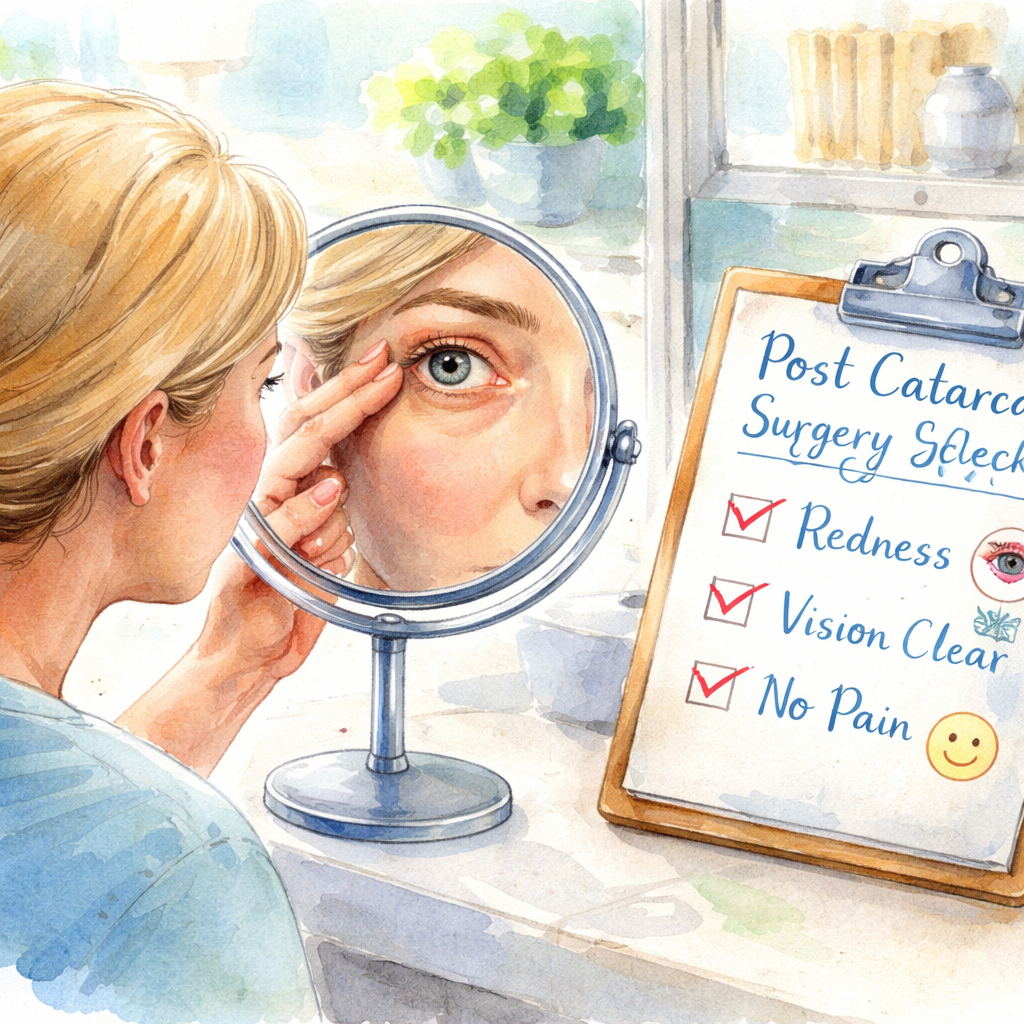
Right after the surgery, the first thing you do is look at how your eye feels. You might notice a mild ache, a bit of redness, or a watery feeling. These are normal and usually settle within a few days. The key question is whether your vision has improved enough to see clearly enough for simple tasks.
Check these three signs:
Clearer vision: Can you read the consent form on the counter without squinting?
Comfort level: Is the gritty feeling gone or just a light tingle?
Light sensitivity: Are you able to sit near a window without the lights hurting?
If you can answer “yes” to most of these, you’re on the right track. If not, give your eye a little more time and keep using the prescribed drops.
Here’s a quick self‑check you can run at home:
Open a newspaper at a comfortable distance. Can you read the headlines?
Turn on a lamp. Does the light glare cause pain?
Gently blink a few times. Does the eye feel gritty after blinking?
Record your answers in a notebook. This simple log helps you see progress and gives your surgeon clear data if you need a follow‑up call.
One study from the Vision Institute notes that most patients can see some improvement the very next day, but full stability often takes one to two weeks Vision Institute recovery timeline . That’s why doctors usually wait until vision steadies before clearing you for driving or detailed work.
Remember, you’re not alone. Many people feel the same mix of excitement and caution. If you’re unsure, call the clinic. A quick chat can save you from pushing too hard.
Quick tip: Keep a small mirror by your bedside. Use it to glance at your eye before you take any drops. Seeing the eye’s redness level can tell you if inflammation is still active.
Another tip: Avoid bending over for the first 48 hours. Bending can raise pressure in the eye and delay healing. Use a step stool if you need to pick something up.
And finally, keep your eye shield on while you’re sleeping for the first night. This protects against accidental rubbing.
By staying aware of these signs, you’ll know exactly when it’s safe to think about work. And if you need more guidance, you can always read the Cataract Surgery Activity Restrictions Sydney: A Practical Guide for a deeper dive.
Below is a visual reminder of the early post‑op checklist.
Step 2: Consult Your Surgeon About Work Readiness
Now that you’ve done your own check, the next move is a chat with Dr Dubey or your operating surgeon. This conversation is the key to a safe return. Your surgeon knows the exact type of intra‑ocular lens (IOL) used, any complications that may have arisen, and your overall eye health.
When you call, have these points ready:
Current vision clarity (e.g., “I can read the newspaper at 30 cm”).
Any lingering discomfort or light sensitivity.
Your work demands – do you need to look at a screen all day?
Most surgeons will ask you to wait until the first follow‑up visit, usually 24 hours after surgery, before giving the green light for work. Some may clear you earlier if the surgery was uncomplicated and your vision is stable.
During the call, ask specifically about “when can I return to work after cataract surgery Sydney?” and mention any tasks that require fine detail. This helps the surgeon tailor advice to your role.
Here’s a sample script you can use:
“Hi Dr Dubey, I’m feeling good after my cataract surgery. My vision is clearer, but I’m not sure if it’s safe to start my desk job tomorrow. Can you tell me if I’m ready, or should I wait a few more days?”
Most surgeons will give a clear timeline, often saying “you can return to light office work in 2–3 days, but avoid heavy lifting or intense screen time for a week.”
For visual reference, watch this short video where a cataract surgeon explains common post‑op questions:
In addition to the surgeon’s advice, you can read more about driving timelines on the How long after cataract surgery can I drive? A step‑by‑step guide. That page also lists legal limits for vision acuity when driving in NSW, which ties directly into work safety if you need to travel for your job.
Don’t forget to ask about any needed eye‑drop schedule. Missing a dose can slow healing and push back your return date.
Lastly, keep a copy of the surgeon’s clearance note. Some employers ask for proof that you’re medically cleared to resume duties, especially if you work with machinery or in a safety‑critical role.
Step 3: Compare Work Types and Recovery Needs
Not all jobs are created equal when it comes to eye health. To answer “when can I return to work after cataract surgery Sydney?” you need to match your job’s visual demands with the healing timeline.
Below is a simple table that shows typical recovery windows for three common work categories. Use it as a starting point, then adjust based on your surgeon’s advice.
Job Type | Typical Return Window | Key Considerations |
Desk/Office (email, spreadsheets) | 2–3 days | Screen glare may cause eye strain. Use anti‑glare screen and take 20‑20‑20 breaks. |
Manual Labor (lifting, bending) | 10–14 days | Avoid heavy lifting >5 kg. Keep head upright, wear eye shield when needed. |
Precision Work (surgery, detailed assembly) | 7–10 days | Requires steady focus. Ensure vision is at least 6/6 with glasses if prescribed. |
Why does a desk job often allow a quicker return? The eyes are not exposed to sudden pressure changes or bright outdoor light. However, staring at a screen can cause dryness, so keep lubricating drops handy.
Manual labor, on the other hand, raises the risk of accidental eye rubbing or a sudden jolt that could disrupt the new lens. That’s why the guideline pushes the return to two weeks.
If you’re a teacher, you’ll be moving around the classroom and looking at boards. Aim for a 4‑day return, but wear protective sunglasses when outside.
Imagine you work at a café and need to read orders on a screen. You might feel fine after three days, but the glare from the kitchen lights could still be harsh. In that case, add a couple of days and use a visor.
Here are three quick actions to match your work type:
Set up an anti‑glare monitor or use a matte screen filter.
Schedule short breaks every 20 minutes to look at something 6 feet away.
Ask your manager for a temporary switch to lighter tasks if you notice eye fatigue.
Reading the Post Cataract Surgery Eye Care Tips Sydney: Your Complete Guide can give you extra tricks for staying comfortable at work, such as using humidifiers and keeping screens at eye level.
Remember, the table is a guide, not a rule. Your surgeon’s clearance is the final word on “when can I return to work after cataract surgery Sydney?”
Step 4: Plan a Smooth Return to Work
Now that you know the timeline, it’s time to set up a plan. A good plan reduces stress and helps your eye heal without surprise setbacks.
Start with a “back‑to‑work” checklist. Write it down the night before your first day back.
Morning: Take all prescribed eye drops as scheduled.
Before leaving: Pack a small bottle of lubricating drops in your bag.
At work: Set your computer’s brightness to a comfortable level.
Mid‑day: Take a 5‑minute break to stand, stretch, and look away from the screen.
End of day: Remove any makeup or sunscreen residue from around the eye.
Next, talk to your employer. Let them know you’ve had cataract surgery and ask for any temporary adjustments. Most workplaces are happy to help if you give them a heads‑up.
Here’s a brief email template you can copy:
Subject: Request for Light Duty After Cataract SurgeryHi [Manager’s Name],I had cataract surgery on [date] and my doctor expects I’ll be back to work on [date]. I’m cleared for light office tasks but need to avoid heavy lifting and prolonged screen time for the first week. Could we arrange a reduced‑screen schedule or a short‑term desk change? I’ll keep you updated on my recovery.Thanks,[Your Name]
Adjusting your workspace can make a big difference. Try these ergonomic tweaks:
Place your monitor about an arm’s length away.
Use a document holder to keep paperwork at eye level.
Wear light‑filter sunglasses when you need to step outside.
Another practical tip: Keep a log of any eye symptoms you notice at work. Note the time, activity, and how you felt. If you see a pattern—like more dryness after long meetings—talk to your doctor.
Finally, remember the legal side. In NSW, you need at least 6/6 vision in the operated eye to drive. Your surgeon will confirm this before you hit the road. If your job involves driving, wait for that clearance.
For more on activity restrictions, see the Cataract Recovery Timeline: What to Expect After Surgery. That page also lists when it’s safe to resume sports and travel.
By following this plan, you’ll keep your eye safe and get back to work without surprise setbacks.
Conclusion
Getting back to work after cataract surgery isn’t a race. It’s a step‑by‑step process that balances your eye’s healing with the needs of your job. First, you check your own symptoms. Then you talk to Dr Dubey or your surgeon about when it’s safe. Next, you match your job’s visual demands to the recovery timeline. Finally, you set up a clear plan with your employer and a daily checklist.
Following these steps gives you a realistic answer to “when can I return to work after cataract surgery Sydney?” and helps you avoid complications. Remember to keep your eye drops handy, take regular breaks, and listen to your body. If anything feels off, call the clinic right away.
If you’re ready to start your recovery plan, schedule a follow‑up with Dr Dubey and download the Cataract Surgery Aftercare Checklist Sydney. That simple list can keep you on track and get you back to the things you love—work, driving, and clear sight—sooner and safer.
FAQ
How long should I wait before driving after cataract surgery?
Most patients can drive safely 1–2 weeks after surgery, but only once their surgeon confirms that vision meets the legal standard of 6/6 in the treated eye. Keep your eye drops in use, avoid bright sunlight, and start with short trips to gauge comfort.
Can I work from home while my eye heals?
Yes, working from home is a good option for the first week if your job is screen‑based. Set up an anti‑glare monitor, use lubricating drops, and follow the 20‑20‑20 rule to reduce strain. Make sure your employer approves the temporary arrangement.
What if my job requires heavy lifting?
If you lift more than 5 kg, wait at least 10–14 days before returning. Heavy lifting raises pressure in the eye, which could dislodge the new lens. Ask your doctor for a written clearance and plan a light‑duty schedule until you’re fully cleared.
Do I need special glasses after cataract surgery?
Many patients need a new prescription once the eye settles, usually after 4–6 weeks. Your surgeon will check your vision at follow‑up visits and let you know if you need reading glasses or distance lenses for work.
Is it safe to use a computer right after surgery?
Light computer use is fine after a few days if you feel comfortable. Start with short sessions, keep the screen at eye level, and use lubricating drops to prevent dryness. Increase time gradually as your eyes adjust.
When should I schedule my follow‑up appointments?
Typical follow‑ups are on day 1, week 1, and week 4 after surgery. These visits let your surgeon monitor healing, adjust eye‑drop prescriptions, and give you the official go‑ahead for work and driving.
Comments