


What to Expect After Retina Surgery Sydney: Your Complete Recovery Guide
- Mar 18
- 8 min read
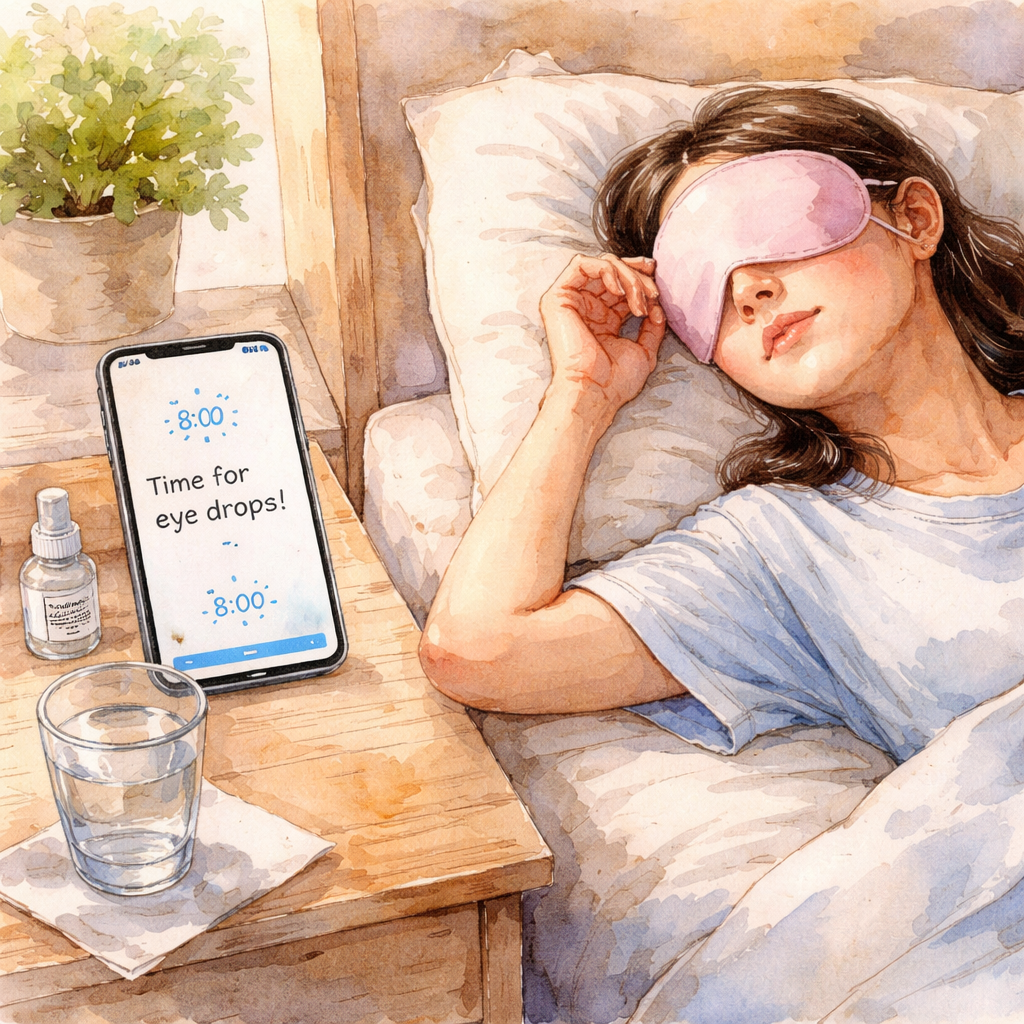
If you’ve just had retina surgery in Sydney, the next few weeks can feel like stepping into the unknown.
What you’ll notice first is a mix of relief and a bit of wobble in your vision as the eye settles.
You may see some floaters drifting across your field, or light spots that fade in and out, that’s normal as the retina heals and the fluid clears.
Dr Rahul Dubey advises you to keep your head elevated while you nap, avoid heavy lifting for a couple of weeks, and use the prescribed eye drops exactly as written.
Expect a gradual return of sharp detail, reading may still be fuzzy at first, but it improves day by day. If anything feels painful, or if you notice a sudden loss of sight, call the clinic right away.
By staying on top of your follow‑up appointments and following these simple tips, you’ll move through recovery with confidence and get back to the things you love in Sydney.
You’ll also hear about activity limits, no swimming, no contact sports, and no driving at night until your doctor signs off. These rules sound strict, but they protect the delicate work done on your retina and help you avoid setbacks.
Understanding the Immediate Post‑Op Phase
Right after your retina surgery, the world can feel a bit blurry and strange. Your eye is still healing, so it’s normal to notice floaters, light flashes, or a slight wobble in vision. This early stage sets the tone for the rest of your recovery.
The first 24‑48 hours are all about protecting the eye. Keep your head propped up with a pillow when you nap, it lowers pressure and helps the fluid settle. Stick to the eye‑drop schedule your surgeon gave you, even if you think you’ve had enough.
You’ll also notice your eye may feel gritty or a bit sore. That’s why Dr Rahul Dubey recommends using a clean, damp washcloth to gently dab around the eyelid, never rub. If you see a sudden dark spot or sharp pain, call the clinic right away; it could signal a complication.
For a step‑by‑step look at what to expect in the weeks after a vitrectomy, check out our Vitrectomy recovery timeline. It breaks down each milestone, from the first check‑up to when you can safely resume normal activities.
In the first week, avoid heavy lifting, bending over, and swimming. These actions can raise pressure and undo the work done on your retina. Light chores like cooking or short walks are fine, but listen to your body. Rest is your best friend now.
Stick to follow‑up appointments and keep a simple log of any new symptoms. By staying vigilant, you’ll move through the immediate post‑op phase with confidence and set yourself up for a smooth return to clear vision.
Managing Pain and Discomfort
After your retina surgery, a dull ache or sharp sting can feel normal. It’s your eye’s way of healing, but you don’t have to suffer in silence.
First, keep the prescribed eye drops on schedule. A missed drop can let inflammation flare up, which often brings more pain. Set a reminder on your phone or use a habit‑tracker app so you never forget.
Second, protect your eye with a shield while you nap. A soft eye patch blocks stray light and keeps you from rubbing the eye accidentally. If you wake up with a throbbing feeling, a cool compress for five minutes can calm the nerves.
Third, watch what you eat and drink. Staying hydrated helps the eye’s natural healing fluids flow. A light snack of fruit or a glass of water can ease a headache that sometimes follows the drops.
For many patients, adjusting sleep position makes a big difference. How to Sleep After Retinal Detachment Surgery offers step‑by‑step tips on propping your head up with pillows to reduce pressure.
If pain spikes or you notice new redness, call the clinic right away. It could signal an infection, and early treatment prevents bigger problems.
Extra support is easy to add. Exuvital sells eye‑health supplements that many surgeons suggest for a smooth recovery. And Askesis lets you log each drop, appointment, and symptom so you can spot patterns before they become issues.
Remember, pain usually eases after the first week. Keep to the plan, track your progress, and you’ll find relief faster than you think.
Follow‑Up Appointments and Tests
One week after you leave the clinic, you’ll have your first follow‑up. The doctor checks that the eye is sealed and that the drops are working.
What to do before each visit:
Set a reminder on your phone the night before.
Write down any new red eye, blur, or pain.
Ask the nurse to explain the test results in plain words.
Bring your drop bottle to the visit so the nurse can check the expiry date and technique.
Typical tests you’ll see:
OCT scan – a painless picture of the retina layers.
Pressure check – a quick tap with a tiny probe.
Vision chart – you read the smallest letters you can see.
If the OCT shows swelling, the surgeon may add a short steroid drop regimen. If pressure is high, a single dose of medication might be prescribed. Jot down any change so you can tell the doctor at the next slot.
Don’t rely on the clinic to call you. A simple text reminder the day before each appointment cuts missed visits in half. One patient I heard about set a recurring alarm called “Eye check‑up” and never missed a slot.
If you miss a slot, call the clinic within 24 hours to reschedule. Explain why you missed it – a quick chat can keep the recovery timeline on track.
When the surgeon asks you to go to an imaging centre, you can find trusted locations on the Floaters After Cataract Surgery: How Long Do They Last and What to Expect page.
Need help with paperwork or insurance claims? You can explore options at Nanda & Associate Lawyers .
Activity Restrictions and Vision Recovery Timeline
Right after retina surgery you’re told to take it easy. The rules feel tight, but they protect your eye while it heals.
First two weeks
Skip swimming and any sport that could splash water into the eye. A splash can bring germs and cause infection. Light walking or gentle stretching is fine. Keep your head above waist when you bend - no yoga inversions.
Week 3-4
If your surgeon says the pressure is normal, you can add light jogging. Still avoid heavy lifting or anything that makes you hold your breath. A good rule: stop if you feel a sudden pressure rise.
Beyond a month
Most people can return to normal work and drive at night once the doctor clears them. Contact sports stay off until the retina is fully attached - often 6-8 weeks.
Here’s a quick cheat-sheet you can print:
Restriction | When safe | Tip |
Swimming, hot tubs | After 2 weeks (or doctor’s OK) | Wear goggles if you must be near water |
Heavy lifting, straining | After 3-4 weeks | Use your legs, not your back |
Contact sports, diving | After 6-8 weeks | Ask about protective eyewear |
Need a broader view of how long each step takes? Check the Cataract Recovery Timeline: What to Expect After Surgery guide - many of the same milestones apply to retina work.
The American Academy of Ophthalmology notes that most patients can start light exercise after about a week, but they stress asking your surgeon before any new activity (AAO guidance on post-surgery exercise).
Action steps: mark your calendar with the three dates above, set a daily reminder to check your eye drops, and call the clinic if anything feels off. Stick to the plan and your vision will come back stronger.
Potential Complications and When to Seek Help
After retina surgery you might feel fine, but a few warning signs can pop up. If you notice a sudden blur, a new flash of light, or a curtain‑like shadow across your vision, stop what you’re doing and call the clinic right away.
Another red flag is any increase in eye pain that doesn’t ease with a cool compress. A mild ache is normal, but sharp or throbbing pain could mean inflammation or infection. Check your eye for redness, swelling, or a discharge that looks yellow or green.
Imagine you’re getting ready for work and the light from the kitchen looks washed out. That could be a sign of retinal swelling. A quick step is to note the time it started, any activities you did before, and mention it to your surgeon during the next appointment.
Here are three practical steps to take if you spot a problem:
Call the clinic’s emergency line within the hour of noticing the change.
Keep a written record of the symptom, including when it began and any triggers.
Avoid rubbing the eye, heavy lifting, or bending over until you get professional advice.
If you’re unsure whether something is serious, a safe rule is: if it’s new, worsening, or affecting daily tasks, reach out.
Many patients wonder about the risk of infection from everyday activities. A common tip is to skip hot tubs, swimming pools, and dusty chores for at least two weeks, even if you feel okay. This simple precaution cuts the chance of bacteria reaching the surgical site.
For a deeper look at how retinal procedures recover, see Laser Retinopexy Recovery Time: What to Expect. It breaks down typical healing milestones and when to watch for trouble.
Frequently Asked Questions
What are the first signs that something might be wrong after retina surgery in Sydney?
You might feel a sudden blur, a new flash of light, or a curtain‑like shadow across part of your view. If any of these appear, note when they started and call the clinic right away. Even a mild increase in pain or a change in eye colour deserves a quick phone call – better safe than sorry.
How long should I stay away from swimming, hot tubs, or dusty chores?
Most surgeons recommend at least two weeks of zero water‑related activities and dust exposure. The eye’s stitches are still weak, and bacteria can slip in easily. If your doctor gives you a green light earlier, follow that advice, but don’t guess – the two‑week rule cuts infection risk dramatically.
When can I safely drive at night again?
Night driving usually waits until your doctor signs you off, which often happens after the first month if vision has steadied. Test your own comfort by reading street signs from a short distance. If you still see glare or halos, hold off and schedule another check‑up.
What should I do if I notice a new float or a bright flash?
Write down the exact time you saw it, what you were doing, and any eye‑drop changes. Then call the clinic within an hour. A new float can be harmless, but a flash might mean the retina is shifting. Prompt medical advice helps catch problems before they grow.
How often should I use my eye drops and how can I remember?
Follow the schedule your surgeon gave you – often three to four times a day for the first two weeks. Set a phone alarm or use a simple habit‑tracker app to log each dose. Mark the bottle with the time you last used it; a quick glance lets you know if you missed a dose.
What tests will the doctor run at my follow‑up appointments?
Typical checks include an OCT scan, which gives a painless picture of the retina layers, a quick pressure test, and a standard vision chart. The nurse may also look at your eye‑drop bottle for expiry. Knowing what each test does helps you feel more in control and ready to ask clear questions.
Conclusion and Next Steps
You"ve made it through the first weeks after retina surgery in Sydney. The road ahead may still feel a bit fuzzy, but the steps are clear.
First, keep your eye‑drop schedule tight. Set an alarm, note each dose, and replace the bottle when it expires.
Second, watch for any new flashes, sudden blur, or sharp pain. Write down what you see and call the clinic within an hour. Early action can stop a problem from growing.
Third, stick to the appointment calendar. A quick reminder the night before helps you stay on track and gives your surgeon the chance to check healing progress.
Finally, lean on Dr Rahul Dubey’s team for any questions. They can confirm when it’s safe to drive at night, return to light exercise, or resume normal activities.
Follow these simple habits, and your vision will keep improving day by day.
Comments