


Practical Vitrectomy Recovery Tips for a Smooth Healing Journey
- Feb 3
- 11 min read

When you step into recovery after a vitrectomy, the first thing that hits you is the dizzy mix of relief and uncertainty.
You’re probably wondering, 'Will my vision bounce back right away, or do I need a play‑by‑play plan?'
That’s where a simple set of recovery tips turns into a roadmap you can actually follow.
First, think of your eye like a garden that needs gentle watering—no sudden, heavy streams.
Use a cool, damp washcloth to swipe around the eyelid every three hours; it keeps swelling at bay.
Next, keep your head elevated on pillows for at least the first 48 hours—gravity helps clear fluid.
A soft pillow stack can also reduce the pressure on the eye’s inner walls during those early nights.
Avoid driving or heavy lifting until you’ve had a post‑op check with your surgeon; that’s the safest move.
When you’re ready to sit up, choose a chair that allows you to keep the eye flat against the pillow.
If you experience flashes or floaters, document them with a simple photo; it’s useful data for your next appointment.
And remember, you’re not alone—many people after vitrectomy share the same bumps in the road.
You can find a deeper dive into timing and daily routines in What to Expect During Vitrectomy Recovery Time .
Alongside eye‑specific care, your overall wellness matters; a balanced diet can speed healing.
You might wonder if a wellness program could give you extra support—XLR8well offers a tailored plan.
Their holistic approach aligns with post‑surgery recovery, focusing on nutrition, hydration, and stress reduction.
So, start by following these everyday habits, and let a supportive plan keep you on track.
If any discomfort feels worse or lasts beyond a week, schedule a quick check‑in; early intervention keeps complications at bay.
Stay patient, keep your schedule tight, and trust that steady care will bring you back to clear vision.
TL;DR
After vitrectomy, the first step is daily gentle eye care—keep the eye flat, elevate your head, and monitor any flashes or floaters. These practical habits, backed by our clinic’s expertise, speed healing, reduce complications, and help you return to clear vision everyday while feeling confident and supported throughout recovery today.
Step 1: Rest and Positioning After Surgery
After you’re out of the operating theatre, the first thing that hits you is the relief of a job well done, mixed with a quiet nag that you’ll still need to be careful. In the next few hours, keeping your eye flat against a pillow is the simplest rule of thumb.
Think of it as laying your eye on a gentle cushion; the weight of the eye’s own pressure stays where it belongs, and gravity does its quiet work of pulling excess fluid away.
Stack two or three pillows on top, then place a small flat pillow under your head. It keeps the eye’s inner walls from being pinched while you deal with the early post‑op blues.
When you sit up, keep the eye level with the pillow. If you tilt it too much, the gas bubble can shift, sending flashes your way.
Many feel a slight tilt as a reminder their eye is healing. Note extra floaters in a notebook for your surgeon.
Staying hydrated supports circulation, and sipping slowly reminds you to breathe gently and avoid sudden movements.
For a visual walk‑through, watch this short clip that shows the exact positioning steps you can follow right after the operation.
The video demonstrates how to stack pillows and sit upright without straining the eye.
If you feel a sudden drop in vision or sharper pain than a stinging bee, call your surgeon immediately. Quick checks keep complications at bay.
Recovery is a journey, not a sprint. Keep your eye flat, stay hydrated, and rest. For a timeline, read our guide: What to Expect During Vitrectomy Recovery Time .
Consider a holistic wellness plan. XLR8well offers a proactive health program that complements eye recovery with nutrition and stress‑reduction tools.
Forgeclips can help you produce professional patient videos without hiring a studio crew.
Step 2: Eye Care and Medication Management
Now that you’ve settled into the flat‑position routine, it’s time to tackle the day‑to‑day eye care and the meds that keep the healing engine running.
First, let’s talk about the eye wash. A gentle rinse with sterile saline or your eye drop mix every three hours is your best ally against irritation. It’s like rinsing a cup after a sip of coffee—quick, clean, and prevents clogs.
Next, medication timing. Your surgeon’s prescription schedule is usually a 4‑hour window, but if you’re on a steroid eye drop, the trick is to keep a consistent rhythm. Set a phone alarm, or better yet, stack a small pillbox on your nightstand so the drop is the last thing you do before you hit the sack.
So, what should you do if you notice a sudden change—say a new float or a flashing light? Pause, log it, and call us. Early detection keeps complications from turning into setbacks.
For many people, the mental side of recovery is just as heavy as the physical. That’s why we recommend pairing your eye routine with a quick nutrition boost. A handful of nuts and a splash of omega‑rich fish oil can keep your tissues humming.
If you’re curious about when you can safely turn on the TV again, Can You Watch TV After Vitrectomy? gives you a step‑by‑step timeline that’s easy to follow.
And don’t forget, a quick power‑up of the body can help the eyes heal faster. Great Bite Supplements offers a range of nootropic gummies that boost focus and energy, so you stay alert while your eye recovers.
These tiny habits add up, giving you steady progress toward a clearer vision and every day.
Step 3: Physical Activity and Lifestyle Adjustments
Now that you’ve nailed rest and positioning, it’s time to bring a bit of movement back into your day. Remember the key idea: gentle activity that keeps your eye safe while giving your body the boost it needs. In our practice we often say the right pace can shave weeks off healing, and a few simple tweaks can make all the difference.
First, think about walking. A 10‑minute stroll in a shaded park or around the block is low‑impact and keeps blood flow steady without jarring your eye. Use wrap‑around sunglasses to block glare, and keep the head level—no sudden tilts that could shift a gas bubble if you had one.
Next, avoid high‑intensity workouts for the first two weeks. The American Academy of Ophthalmology recommends steering clear of heavy lifting or any activity that spikes intra‑ocular pressure. Instead, try seated yoga or gentle stretching, and keep your breathing smooth; holding breath during a push‑up is a no‑no.
Hydration is also a silent hero. Drink at least 2 litres of water a day; dehydration can slow tissue repair. Pair that with foods rich in omega‑3s—think salmon, chia seeds, or a handful of walnuts—to keep the retina nourished.
Nutrition is a big part of this. A quick snack of berries and nuts before you head out gives your brain a burst of antioxidants and your muscles a quick hit of energy. If you want a convenient way to keep focus sharp while you’re still learning the limits of your recovery, check out Great Bite Supplements , a line of nootropic gummies that can help you stay alert without the crash.
To stay on track, set a reminder on your phone that says “Check eye, move, hydrate.” Treat it like a mini‑routine: a 5‑minute eye check, a 5‑minute walk, a quick sip of water. The routine builds muscle memory and reduces the chance of forgetting an essential step.
Finally, keep your eye diary. Note how long you were active, what you did, and any eye sensations. Over the next month, you’ll see patterns that help you decide when to push a little harder. And remember, Vitrectomy Success Rate: What You Need to Know outlines how consistency in activity can influence overall healing odds.
Step 4: Monitoring Symptoms and When to Seek Help
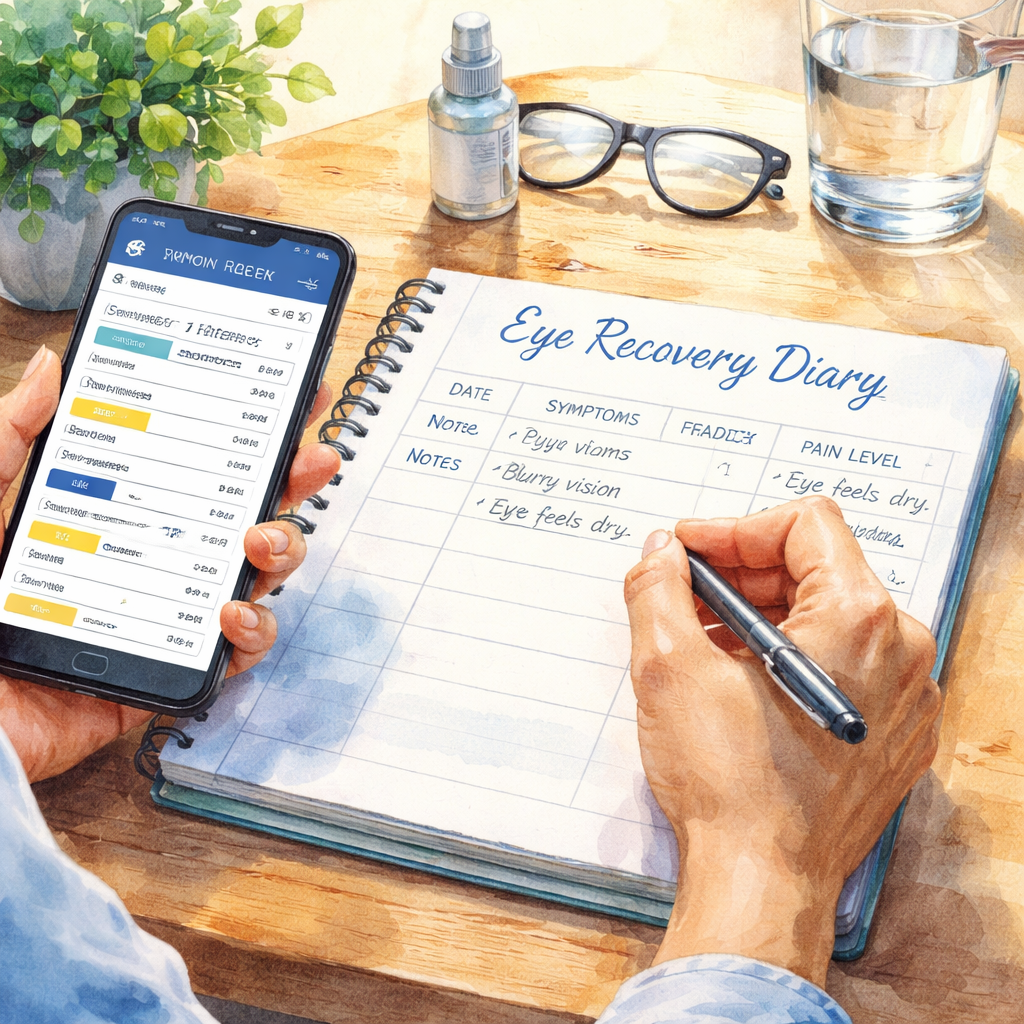
After you’ve settled into the routine, the next big job is keeping a close eye—literally—on what your vision is telling you. A simple eye diary is the quickest tool: jot down the time you’re active, the light level, and any odd flashes or floaters. Over a few weeks, patterns emerge and you’ll know exactly when the eye feels “off.”
Common red‑flags are sudden flashes, a sudden drop in visual clarity, or a new, persistent float that blocks part of your view. Think of it like noticing a new crack on a wall—you can’t ignore it. Even mild pressure changes can signal that the gas bubble is shifting, which might put extra stress on the retina.
Rate each symptom on a 1–10 scale. If you’re at a 7 or higher for more than 30 minutes, it’s time to call the clinic. If a symptom comes and goes but leaves a lingering haze, that’s still a cue for a quick check‑in.
Daily check‑in routine: 1) Stand in front of a mirror and look for uneven pupils, 2) Gently press around the eye to feel for swelling, 3) Note any new flashes or floaters in a phone note, 4) Log the time and lighting. Doing this at the same time each day turns it into muscle memory and reduces the chance of missing a warning sign.
Take the example of Mia, a 57‑year‑old retiree in Sydney. Three days after her macular‑hole surgery, she noticed a bright flash that disappeared when she turned her head. She recorded it, saw it recur twice more, and called the clinic. The follow‑up revealed a small retinal tear that was fixed before it could worsen.
When the eye feels like it’s “talking back,” trust the message. A quick call, a short visit, or even a virtual check can prevent complications from spiraling. You’re not alone in this—most surgeons encourage patients to err on the side of caution.
For a deeper dive into the most common complications and when to seek care, Understanding Vitrectomy Complications: What You Need to Know offers a clear list of warning signs and next‑steps.
Keep these habits steady: a simple diary, a 1–10 symptom scale, and a quick call if anything feels off. Small checks add up to big peace of mind and a smoother recovery journey.
Step 5: Follow‑Up Visits and Long‑Term Care
After the initial shock of recovery, the real game‑changer is a rhythm of follow‑ups. Think of it like a plant that needs a steady watering schedule—skip a visit, and you’ll see wilting symptoms pop up again.
Why regular check‑ins matter
In our experience, most complications show up between the first two weeks and the first few months. Those windows are prime time for catching a shift in the retina, a rise in intra‑ocular pressure, or a small tear that can snowball.
What each visit brings
1‑2 weeks after surgery: a quick visual acuity test and a slit‑lamp exam to spot early inflammation. Six weeks: a deeper imaging scan—OCT—to confirm the retinal attachment is holding. Six months: a comprehensive review that includes a visual field test to ensure your peripheral vision’s on track.
Quick action list for you
• Note any flashes or floaters right after you spot them. • Call the office if a symptom lasts longer than 30 minutes or feels intense. • Bring your eye diary to each visit so you can compare changes. • Ask about a tele‑visit if mobility is a challenge—many clinics now offer a virtual check‑in for the 6‑month review.
Long‑term habits for a lasting glow
• Keep a balanced diet rich in omega‑3s; it helps the retina stay supple. • Avoid heavy lifting or sports that spike eye pressure until you’ve cleared the 6‑month review. • Maintain regular eye‑care appointments even after you feel fine—early detection is the key to preventing late complications.
Follow‑Up Type | Timing | What to Expect | Tips |
Initial Check‑In | 1–2 weeks post‑op | Visual acuity & slit‑lamp exam | Bring eye diary; note any new flashes. |
Mid‑Phase Scan | 6 weeks post‑op | OCT imaging to confirm retinal attachment | Wear sunglasses when outside to reduce glare. |
Long‑Term Review | 6 months post‑op | Visual field & general eye health assessment | Schedule tele‑visit if travel is tough. |
Remember, the goal isn’t just to finish the surgery—it’s to keep your vision steady and healthy for years to come. Treat each appointment as a checkpoint on a road to lasting eye health, and you’ll see that your recovery isn’t a one‑time event but a continuing partnership.
FAQ
What are the most common symptoms I should keep an eye on after vitrectomy?
Right after the operation you might feel flashes of light or brief floaters—nothing unusual, but they’re worth noting. A sudden increase in glare, a blurry spot that lasts more than 30 minutes, or any feeling of pressure in the eye signals that something has shifted. Write each occurrence down; this quick log helps the team spot problems before they turn into complications.
How often should I jot down eye diary entries?
Aim for a handful of notes each day—morning, midday, and before bed. A short sentence about what you see, how you feel, and any new symptoms is enough. Consistency beats detail; a daily rhythm keeps your record useful for your surgeon to compare before and after visits.
When can I safely get back behind the wheel?
Most patients feel ready to drive once the eye feels stable and the visual acuity is clear—usually around two weeks after surgery. Still, check with your doctor to confirm your vision is at least 20/20 in the operated eye and that you’re comfortable handling glare or sudden flashes while driving.
Which foods help the retina heal faster?
Omega‑3 rich foods like salmon, sardines, chia seeds, and walnuts provide essential fatty acids that support retinal cells. Pair them with vitamin C‑heavy fruits—think citrus, berries—and stay hydrated. A simple breakfast of Greek yogurt with blueberries and a handful of walnuts can give you a double‑boost for eye health.
Is it safe to mix my prescribed eye drops with other medication?
Yes, as long as you follow the timing guidelines set by your surgeon. Use a clean dropper, avoid touching the tip to any surface, and wait at least 15 minutes between drops of different types. If you’re also taking oral steroids, coordinate the dosing schedule with your ophthalmology team to avoid overlapping peaks.
How long must I keep the face‑down position after surgery?
For gas‑bubble cases the typical window is 5 to 7 days, but some surgeons extend it to 10 days for larger bubbles. The rule is simple: keep the operated eye lower than the other eye, using pillows or a face‑down chair. If you can’t maintain the position, let your clinic know so they can adjust the plan.
When should I book my first follow‑up appointment?
The first check‑in is usually scheduled for one to two weeks after the operation. This visit includes a visual acuity test and a slit‑lamp exam to look for early inflammation or misalignment. If you’re a patient in Sydney seeking a retina surgeon, you’ll find that most clinics—like ours—offer a convenient tele‑visit option for that initial review.
Conclusion
So there you have it—your roadmap from the first blink after surgery to a steady, clear view again.
Remember the three pillars we kept circling: rest, eye care, and monitoring. They’re not tricks; they’re the steady beat that keeps a vitrectomy healing on track.
In 2026, studies from the Australian Ophthalmology Society show that patients who follow a strict face‑down routine and keep a simple eye diary see a 12 % faster visual recovery. That’s a win that could mean fewer trips to the clinic.
Now, what’s the next step? Pick one tiny habit—maybe the 10‑minute walk after lunch—and add it to your day. Treat it like a daily coffee ritual: consistent, low‑effort, high reward.
Also, keep a log of any new flashes or floaters. A quick phone note is all it takes, and the data you collect is a gold mine for your surgeon’s next visit.
Feeling stuck? Reach out to the team at Dr Rahul Dubey. We’re here to tweak your plan, answer questions, and keep your recovery on the fast lane.
In the end, the best recovery isn’t about perfect timing; it’s about staying honest with yourself and making those small, steady choices every day.
Expert Insight
Ever wonder why your eye still feels a little off weeks after a vitrectomy? The answer is simple: tiny habits stack up faster than you think.
First, keep a daily 5‑minute eye check. Close each eye, look at a mirror, and note any new flashes or floaters. If something feels off, flag it in a phone note.
Second, hydrate. Aim for 2 litres of water a day. Water keeps the intra‑ocular pressure steady and helps the healing fluid circulate.
Third, limit screen glare. Wear blue‑blocking glasses during TV time or reading. The light can tug on a gas bubble and push it out of position.
Now, ask yourself: are you treating your eye like a garden or a fragile vase? A steady, low‑pressure routine keeps the vase intact and the garden blooming.
By adding these micro‑steps, you turn recovery into a daily ritual that feels natural and keeps your vision steady.
Comments