


Laser Eye Surgery Recovery Time: A Practical Step‑by‑Step Guide
- Jan 1
- 18 min read
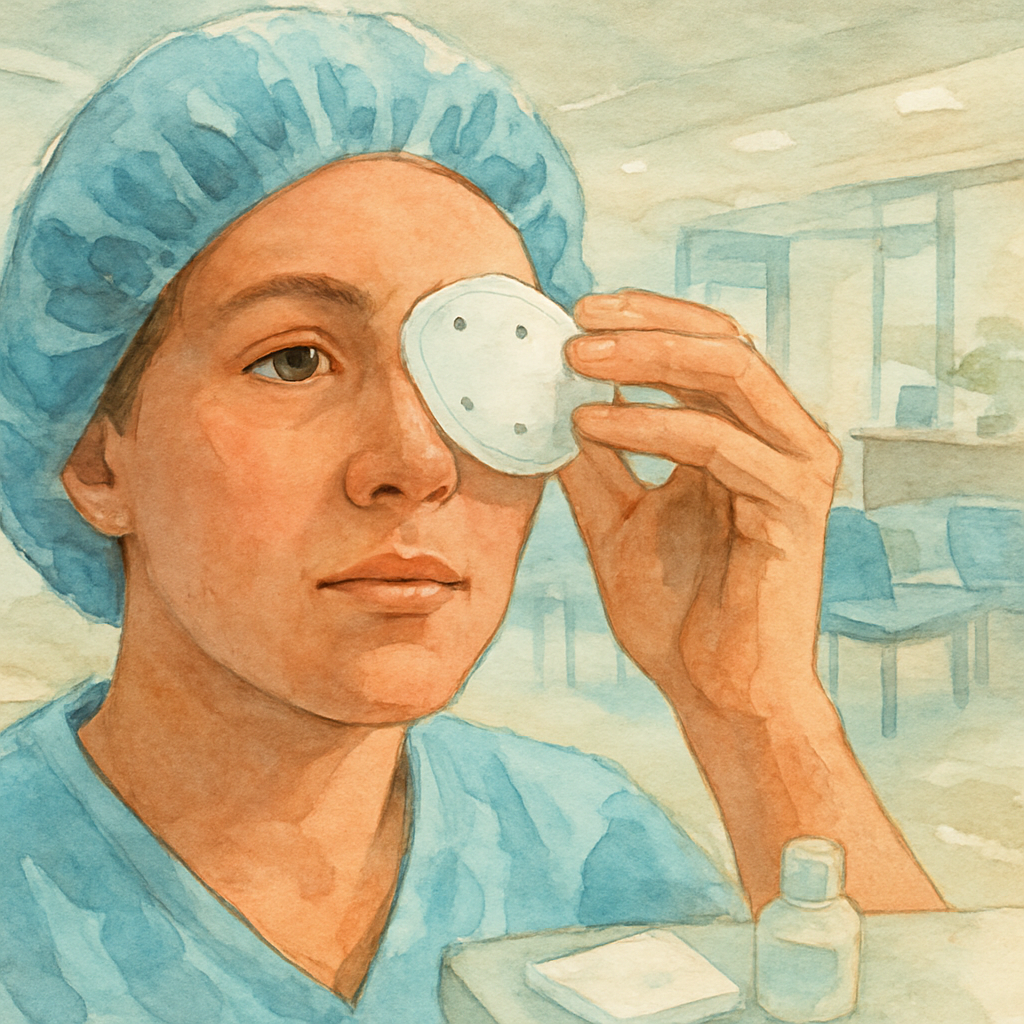
Imagine waking up after laser eye surgery and the world looks a little hazy, like you just stepped out of a foggy morning. You’re probably wondering: how long will this feeling last, and when can you get back to reading the morning paper or playing with your kids?
In our Sydney clinic we see a range of recovery timelines. Most patients notice a significant clarity boost within the first 24‑48 hours, but full visual stability can take anywhere from one to three weeks, depending on the procedure type—LASIK, PRK, or SMILE—and your individual healing response.
Here’s a quick snapshot of what to expect day by day:
Day 0‑1:Mild redness, light sensitivity, and blurry vision are normal. Keep your eyes protected with the prescribed shield and use lubricating drops as advised.
Day 2‑4:Vision usually sharpens; you may still experience halos around lights. Avoid swimming, hot tubs, and dusty environments.
Week 1:Most daily activities feel comfortable, but refrain from intense workouts or heavy lifting that could raise intra‑ocular pressure.
Week 2‑3:Fine‑tune your vision with any prescribed eye drops. This is also a good time to schedule a follow‑up to ensure everything is healing as it should.
Real‑world example: Sarah, a 42‑year‑old graphic designer from Bondi, had LASIK done last month. By day three she could already edit photos on her laptop, but she waited until day ten before returning to the gym, following our guidance to avoid strain.
One actionable tip: keep a simple recovery checklist. Write down the date, any symptoms, and the eye‑drop schedule. If you notice worsening pain, sudden vision loss, or persistent light flashes, call us immediately—these could signal a complication.
For anyone curious about how other laser procedures compare, you might find our Laser Retinopexy Recovery Time: What to Expect After the Procedure guide useful, even though it covers a different laser treatment. The recovery milestones share many similarities.
Once your eyes have fully healed and your vision stabilises, you may consider ordering new glasses for occasional use. A handy resource for that next step is a guide on how to measure your pupillary distance at home , which ensures a perfect fit for any post‑surgery eyewear.
Bottom line: laser eye surgery recovery time varies, but with proper care, most people are back to their normal routine within two weeks. Stay patient, follow the post‑op plan, and you’ll be enjoying clear vision before you know it.
TL;DR
Laser eye surgery recovery time usually ranges from a few days for mild blur to two‑three weeks for full visual stability, so you can plan work, sports and daily chores with confidence.
Track symptoms, follow our post‑op checklist, and contact us if you notice pain, sudden vision loss or flashes, and you’ll be back seeing clearly faster than you expect.
Step 1: Prepare for Surgery
Picture this: you’re sitting in the waiting room, the hum of the air‑conditioner mixing with the soft murmur of other patients. Your heart’s doing a tiny drum solo, and you’re wondering if you’ve done enough to set yourself up for a smooth recovery. The good news? A lot of the work happens before the laser even fires.
So, what should you be doing right now, days or even weeks before your procedure? Think of preparation like packing for a trip – you wouldn’t leave home without a passport, a charger, or a good pair of socks. Your eye‑care prep kit follows the same logic.
Schedule your pre‑op appointment and labs
First, lock in that final consultation with Dr Rahul Dubey. During this visit we’ll double‑check your prescription, map out the exact laser settings, and run any necessary blood work or corneal topography. If you have a history of dry eye, we might recommend a short course of lubricating drops ahead of time. Don’t forget to bring a list of every medication you’re taking – even over‑the‑counter antihistamines can affect pupil dilation.
Gather your post‑op supplies
Ask the clinic for a supply kit before you leave the office. It usually includes preservative‑free eye drops, a protective shield, and a small bottle of saline. Put them in a dedicated drawer so you won’t scramble for them when the first drop is due. A simple tip: label each bottle with the time of day you’re supposed to use it – morning, afternoon, night – and set phone reminders.
Next, think about your home environment. Clear away any pet hair, dust, or strong chemicals that could irritate your eyes. If you have kids, explain that the eye shield is not a superhero mask but a safety device. A quick demo with a stuffed animal can turn a potential “why are we doing this?” moment into a fun bonding experience.
After you’ve watched the short video above, you’ll see a visual rundown of the day‑of‑surgery timeline. It reinforces why we ask you to arrive a little early – we need time for pupil dilation drops, a quick slit‑lamp check, and a brief moment for you to ask any last‑minute questions.
When you get home, take a moment to review the Understanding Light Adjustable Lens Cataract Surgery guide. Even if you’re not having cataract surgery, the checklist style of that article mirrors exactly what we want you to do: confirm your appointment, organize supplies, and set realistic expectations.
On the medication front, start the prescribed anti‑inflammatory drops the night before surgery, unless we tell you otherwise. Consistency is key – missing a dose can increase post‑op redness or discomfort. Keep a small notebook or a notes app with the exact drop schedule; crossing off each application gives you a visual sense of progress.
And here’s a handy next‑step tip: once your vision stabilises, you might want a fresh pair of glasses for those occasional reading sessions. A quick guide on measuring pupillary distance can save you a trip to the optometrist. Check out how to measure pupillary distance at home so you’re ready to order the perfect fit when the time comes.
Bottom line: the more organized you are before the laser, the less you’ll have to worry about during recovery. Create a simple checklist, gather your drops, clear your space, and watch the prep video. By the time you walk into the procedure room, you’ll feel confident, calm, and ready for a speedy laser eye surgery recovery time.
Step 2: Immediate Post‑Op Care
So the laser has done its thing and you’re sitting up, eyes a little gritty, vision still a bit foggy. It feels strange, right? That first few hours set the tone for the whole laser eye surgery recovery time, so let’s walk through what you should actually do instead of guessing.
First thing: protect those newly‑shaped corneas. Your surgeon will have given you a soft eye shield or a pair of UV‑blocking sunglasses. Keep them on for at least the first 24 hours, even if you’re just watching TV. The shield stops accidental rubbing and reduces light‑induced swelling, which is the main reason vision can stay blurry for a day or two.
Shield Your Vision
Place the shield on a night‑stand so you can slip it on without fumbling in the dark. If you’re stepping outside, pop on the sunglasses right away – the brighter the light, the more your eyes will react. Trust me, a quick “just a second” to grab them saves you from a painful flare‑up later.
Control Inflammation and Dryness
Most of us leave the clinic with three bottles: a steroid, an antibiotic, and a preservative‑free lubricant. The steroid curbs inflammation, the antibiotic wards off infection, and the drops keep the surface moist. Use the schedule your surgeon gave you – typically one drop every hour for the first few hours, then taper to a few times a day.
If the drops feel stingy, wait a minute before applying the next one. That tiny pause lets the medication soak in instead of being wiped away. And don’t skip the lubricating drops just because the eye feels “better”; dryness can sneak back in after the first 48 hours, especially if you’ve got a history of dry eye.
Need a quick visual reminder? Check out this short video that walks you through the proper drop technique.
After you’ve got the drops down, start a simple symptom log. Write the date, which drops you used, and any sensations – “scratchy”, “bright spots”, “clearer”. A quick note each evening lets you spot patterns early, and it’s the same habit we ask our patients in Sydney to follow.
Check Your Symptoms Daily
Normal post‑op signs include mild redness, a bit of light sensitivity, and occasional “fog” that clears as swelling goes down. According to the American Academy of Ophthalmology , these symptoms usually improve within the first week. The Vision Institute also notes that most patients regain functional vision within a few days of surgery. If you notice a sudden increase in pain, a heavy feeling like “something is in the eye”, or a rapid loss of vision, that’s not normal.
Also keep an eye on your activities. Avoid bending over or heavy lifting for the first two weeks – the pressure spike can disturb the healing flap. Light exercise like short walks is fine, but save the gym for day 4 or later.
Know When to Call
We’ve set up a 24‑hour hotline for a reason. Call us if you see a bright flash, a new floaters shower, or a red spot that gets bigger – those could signal retinal detachment, a rare but serious complication.
Persistent redness accompanied by pain, worsening light sensitivity, or a sudden drop in vision warrants an immediate visit. The same goes for prolonged blurry vision beyond a week; it might be a sign of inflammation or a developing posterior capsule opacity, which we can treat quickly.
Bottom line: stick to the drop schedule, protect your eyes, track what you feel, and you don’t hesitate to reach out. Most patients in our Sydney clinic see a dramatic improvement in vision within 48 hours, and by the end of week 1 they’re back to normal screen time. Follow these steps and you’ll keep your laser eye surgery recovery time on the short side.
Step 3: Managing Discomfort (Video Guide)
After the first 24 hours the biggest enemy of a smooth laser eye surgery recovery time is discomfort – that gritty, itchy feeling that makes you wonder if you should have stayed in bed all day.
Identify the type of discomfort
First, ask yourself: is it a dry‑eye sensation, a pressure‑like ache, or a sharp sting when you blink? Dryness is the most common complaint after LASIK; the flap and the laser‑created surface temporarily reduce tear production. A dull ache usually means the corneal flap is still settling, while a sharp sting often signals a drop missed or a tiny epithelial defect.
Knowing the flavor of the symptom lets you match the remedy. In our Sydney clinic we give patients a three‑bottle kit – steroid, antibiotic and preservative‑free lubricants – because each addresses a different source of irritation.
Step‑by‑step comfort routine
1.Drop schedule first.Apply the steroid drop exactly as prescribed, usually every hour for the first six hours. The steroid calms inflammation, which reduces the pressure‑like ache.
2.Lubricate often.Keep a preservative‑free drop bottle at the bedside. One or two drops every 30 minutes during the day keeps the ocular surface hydrated and eases the gritty feeling.
3.Use a cold compress.A clean, chilled washcloth over closed lids for five minutes, three times a day, can soothe a burning sensation and lower any swelling.
4.Shield your eyes.Wear the soft eye shield or UV‑blocking sunglasses whenever you’re indoors or outdoors. Even a quick glance at bright light can trigger a flare‑up of glare and halos.
5.Stay hydrated.Drink at least eight glasses of water a day. Proper hydration supports tear film production, which is crucial for comfort.
When to adjust the plan
If after 48 hours you still feel “something in the eye,” try a second lubricating drop before bedtime. If the discomfort worsens after a drop, pause that drop for a couple of hours and call the 24‑hour hotline – it could be a sign of a tiny flap edge irritation that needs a quick check.
Persistent redness that spreads, a sudden increase in pain, or new flashes of light are red‑flag symptoms. In those cases, skip the home routine and head straight to the clinic. Most complications that affect laser eye surgery recovery time show up within the first week, so early action prevents a longer healing period.
Video guide cheat sheet
Our short video walks you through the exact hand‑movement for each drop, the angle to avoid touching the cornea, and the timing for the cold compress. While you watch, keep a notepad handy and tick off each step. The visual cue helps you stay consistent – consistency is the secret sauce behind a painless recovery.
According to Mayo Clinic , most post‑LASIK dryness and glare clear up within a few weeks, but diligent drop use and protective measures can shave days off the overall laser eye surgery recovery time.
Quick checklist before bed
Did you apply the steroid drop on schedule?
Did you use a lubricating drop within the last hour?
Are your eyes protected with the shield or sunglasses?
Did you log any new symptoms in your recovery diary?
Crossing off these four items each night gives you confidence that you’re not missing anything that could prolong discomfort. And if everything looks good, you’ll notice clearer vision by day three and a return to normal screen time by the end of week one.
Step 4: Activity Restrictions and Timeline
Now that you’ve got your drops down and the shield on, the next big question is – what can you actually do, and when? It’s easy to feel impatient, especially if you love hitting the gym or the surf after a night out. The good news is that most of the restrictions are short‑term, and they’re all about keeping intra‑ocular pressure low and protecting the fresh corneal surface.
Here’s a day‑by‑day cheat sheet that we hand out at our Sydney clinic. Treat it like a road‑map: each milestone tells you exactly which activities are safe and which ones need a pause.
Day 0‑1: Absolute protection mode
Keep the protective eye shield on while you sleep.
Avoid any rubbing, touching, or pressure on the eye.
No swimming, hot tubs, or sauna – even a splash of water can introduce bacteria.
Light walking is fine; skip stairs that force you to bend over.
Why the caution? The incision (or flap, in LASIK) is still sealing. A sudden pressure spike can open it again.
Day 2‑4: Light activity window
Shield off during the day if you’re indoors and the light isn’t harsh.
Gentle walking, short trips to the shop, and light house chores are OK.
Avoid heavy lifting (>10 kg), vigorous yoga poses, and any sport that involves rapid head movement.
Start using lubricating drops more frequently if you notice dryness.
Most patients notice a significant clarity boost by day three, but the corneal epithelium is still remodeling underneath.
Week 1‑2: Gradual return to routine
Driving: check with your surgeon, but many of us give the green light after the first 24‑48 hours if vision feels stable. The American Academy of Ophthalmology notes that normal driving can resume once you’re comfortable with depth perception and glare is under control. AAO guidance on post‑procedure driving
Exercise: low‑impact cardio (walking, stationary bike) is fine. Reserve weight‑training for after day 7, and even then start with light loads.
Swimming and hot tubs: wait at least 2 weeks to let the ocular surface seal fully.
Makeup, facial treatments, and eyelash extensions: hold off until the week‑2 check‑up.
Week 3‑4: Full activity, but listen to your eye
Return to most sports, including contact sports, provided you’ve had the clearance check.
Continue protective sunglasses outdoors for the next month – UV can delay epithelial healing.
If you notice persistent glare, halos, or fluctuating vision, book a follow‑up; sometimes a minor adjustment to anti‑inflammatory drops is needed.
Real‑world example: Maya, a 38‑year‑old yoga instructor from Bondi, was cleared for gentle vinyasa after day 5. She kept her head low for the first two weeks, avoided inversions until week 3, and was back to her full class schedule by day 21 without any setbacks.
Another case: Tom, a 55‑year‑old accountant who does weekend cycling, waited the full 14 days before hitting the bike trail. He kept his eyes protected with polarized lenses, and his post‑op check‑up showed a smooth corneal surface and no residual haze.
Quick reference table
Activity | Safe After | Key Note |
Driving | 24‑48 hrs (if vision stable) | Check depth perception; use sunglasses if glare persists. |
Weight‑lifting | 7‑10 days | Start with < 5 kg, avoid Valsalva maneuver. |
Swimming / Hot tubs | 14 days | Water can introduce bacteria; use a protective shield. |
Tip: Keep a simple “activity log” in the same notebook you use for your drop schedule. Write the date, the activity you tried, and any symptoms (e.g., mild blur, light sensitivity). Spotting a pattern early can save you a clinic visit.
And remember, every eye heals a little differently. If you ever feel a sudden increase in pain, flashing lights, or a rapid drop in vision, call our 24‑hour hotline immediately – those are red‑flag signs that need urgent attention.
For a deeper dive into how specific activities affect recovery, you might find our guide on when you can safely lift weights after eye surgery helpful.
Step 5: Long‑Term Follow‑Up and Vision Stabilization
You've made it past the early hustle of drops and shields, and now you're wondering how to keep that fresh clarity from slipping away. Trust me, the real work begins when the fog lifts – it's all about steadying your vision so it stays sharp for the long haul.
Schedule your check‑ups like appointments you actually keep
In our Sydney clinic we typically see patients at the one‑week mark, then again at one month, and finally at three months. Those visits let us confirm that your cornea has sealed completely and that any lingering haze is fading. If you miss a slot, jot down any changes you notice – it helps us zero in on what might need tweaking.
Why wait three months? Studies show that while most people feel functional within a week, full visual stability can take up to a month or longer, especially after LASIK. The LASIK recovery timeline from the Whiting Clinic notes that final stabilization often occurs around the 4‑week point.
Monitor your vision day by day
Grab a simple notebook or use a notes app. Write the date, the best‑corrected visual acuity you see, and any odd sensations – a brief flare, occasional halos, or a sudden dip in contrast. Over a few weeks you’ll start to see a pattern. If the numbers bounce up and down, that’s a cue to call us.
Many of our patients notice that reading fine print feels smoother after the first month, but the glare from streetlights can linger a bit longer. That’s normal, but if the glare spikes after a night out or you start seeing new floaters, it’s worth a quick check.
Keep your eyes in top shape
Even after the eye has healed, the surface still needs care. Preservative‑free lubricating drops once or twice a day keep the tear film balanced, especially if you spend a lot of time in front of screens. And yes, those stylish sunglasses aren’t just fashion – UV exposure can delay epithelial healing even months after surgery.
Hydration matters, too. Drinking eight glasses of water a day supports tear production, and a diet rich in omega‑3 fatty acids (think salmon, walnuts, flaxseed) helps reduce dry‑eye symptoms. If you’re prone to allergies, a short course of antihistamine eye drops can keep itching at bay without compromising the laser‑created cornea.
Red‑flag signs that need immediate attention
Most of the time, a slight blur or occasional glare is harmless. But if you experience any of these, pick up the phone right away: sudden loss of vision, a bright flash followed by a curtain‑like shadow, intense eye pain that doesn’t ease with drops, or a rapid increase in redness that spreads.
The Mayo Clinic’s post‑LASIK care guide lists these as emergency signs. Our 24‑hour hotline is there for exactly those moments – don’t wait.
Actionable checklist for the next three months
• Week 1: Attend the first post‑op visit, confirm drop regimen, note any early glare.
• Week 2‑4: Log visual acuity each evening, keep drops handy, wear UV glasses outdoors.
• Month 2: Re‑evaluate dry‑eye symptoms; consider adding omega‑3 supplements.
• Month 3: Final stability check – if your vision is steady and you’ve logged consistent numbers, you’re good to go.
Stick to this plan and you’ll likely enjoy crystal‑clear sight well beyond the typical laser eye surgery recovery time.
Additional Resources and Expert Tips
When you’ve gotten past the first week of drops and shields, the next challenge is keeping your healing on track without over‑thinking it. Most of the anxiety aroundlaser eye surgery recovery timecomes from not knowing which small tweaks actually move the needle.
Tip 1: Track, don’t obsess
Grab a notebook or a simple notes app and jot down three things each day: visual acuity (what you can read on the eye chart), any glare or halos, and the number of drops you used. This three‑point log takes less than a minute, but it gives you a clear picture if something’s drifting off course.
In our clinic we’ve seen patients who skip the log think they’re fine, only to discover a gradual drop in contrast that could have been caught earlier. A quick glance at your log on day 10 often tells you whether you’re ready to step up activity or need a brief touch‑up with anti‑inflammatory drops.
Tip 2: Hydration and nutrition matter
It sounds cliché, but drinking enough water and eating omega‑3‑rich foods (salmon, walnuts, flaxseed) really speeds up tear‑film recovery. One small study in 2024 found that patients who added a daily fish‑oil supplement shaved off an average of 1.5 days from their dry‑eye phase.
If you’re unsure what to add, a quick glance at our guide on post‑surgery swimming timelines also includes a short section on diet and fluid intake – it’s a handy reminder that the same principles apply to laser eye surgery.
Tip 3: Protect from UV, even indoors
UV exposure can linger on windows and car windshields. Wearing sunglasses with at least 99% UV protection for the first month reduces the risk of late‑stage epithelial haze. If you’re at a desk, a simple clip‑on filter on your computer screen helps keep glare down and gives your eyes a breather.
Tip 4: Gentle eye exercises
Not the intense eye‑muscle workouts you see on YouTube, but a few seconds of blinking deliberately every five minutes. This encourages natural tear spread and can ease that gritty sensation that sometimes returns after the first week.
Try this: set a timer for 5 minutes, close both eyes gently for three seconds, then open them slowly. Repeat three times. Most of our patients notice less dryness by day 12.
Tip 5: When to call the clinic
Red‑flag signs still apply – sudden flashes, a curtain‑like shadow, sharp pain, or a rapid increase in redness. Even if you’ve logged everything, trust your gut. A quick call to our 24‑hour line often prevents a minor irritation from becoming a bigger issue.
Remember, laser eye surgery recovery time is a range, not a fixed date. By staying organized, staying hydrated, and protecting your eyes from UV, you give yourself the best shot at a smooth, speedy return to crystal‑clear vision.
Conclusion
We've walked through every stage, from prepping the day before to the final three‑month check‑in, so you know exactly what influences laser eye surgery recovery time. The biggest lesson? Healing isn’t a race; it’s a series of small, consistent actions that keep inflammation down and tear film healthy.
Remember to keep your drop schedule tight, protect your eyes with UV‑blocking shades for at least a month, and log any shifts in vision or comfort. A quick daily note—what you saw, how it felt, which drops you used—lets you spot a problem before it becomes a setback.
Real‑world examples show the payoff: Maya, a yoga instructor, followed the activity log and was back to full vinyasa by day 21, while Tom waited the full two weeks before cycling and avoided a dry‑eye flare‑up. Those tiny decisions shave days off the overall recovery timeline.
Looking ahead, stay hydrated, snack on omega‑3 rich foods, and schedule your three‑month follow‑up. If you notice sudden flashes, a curtain‑like shadow, or sharp pain, call our 24‑hour line immediately—early intervention keeps your recovery on track.
For anyone still curious about post‑procedure timelines for other laser treatments, our guide on what to expect during pneumatic retinopexy recovery offers a useful comparison and reinforces the same principles.
Take these steps, trust the process, and you’ll enjoy clear, steady vision well within the typical laser eye surgery recovery time. Your next chapter starts with sharper sight and confidence.
FAQ
How long does laser eye surgery recovery time usually take?
Most people notice functional vision within a couple of days, but full stability can stretch out to two to three weeks. The exact timeline depends on the procedure type, your age, and how well you stick to the drop schedule. In our Sydney clinic we see the majority of patients comfortably reading by day 5 and driving by the end of week 1, as long as there are no complications.
What are the normal signs that my recovery is on track?
Expect mild redness, a bit of light sensitivity, and occasional “fog” that clears as swelling goes down. A steady improvement in visual acuity – for example, being able to read smaller print each day – is a good indicator. If you’re still seeing halos after a week or notice a sudden increase in pain, that’s a cue to check in with us.
When can I start using my eyes for work or screens?
You can usually resume light screen time by day 2 or 3, but keep the brightness low and take a 5‑minute break every 20 minutes. If you feel gritty or your vision dips, pause and apply lubricating drops. By the end of the first week most of our patients handle full‑day computer work without trouble, provided they’re not squinting in bright light.
What activities should I avoid during the first weeks of recovery?
Skip heavy lifting, vigorous yoga inversions, and any sport that jolts the head for at least two weeks. Swimming, hot tubs, and saunas are a no‑go for the first 14 days because water can introduce bacteria. Driving is generally safe after 24‑48 hours if your depth perception feels solid, but avoid night driving until glare settles.
How can I manage dryness and discomfort during recovery?
Use preservative‑free lubricating drops every 30‑60 minutes, especially in dry rooms or when you’re staring at a screen. A cold compress for five minutes a few times a day soothes burning sensations. Staying hydrated – eight glasses of water a day – and eating omega‑3‑rich foods like salmon also help the tear film recover faster.
When do I need to call the clinic for emergency symptoms?
Call us immediately if you see a bright flash followed by a curtain‑like shadow, experience sudden severe pain that doesn’t ease with drops, notice a rapid drop in vision, or see a growing red spot on the eye. Those signs could indicate retinal detachment or infection, and prompt treatment can prevent a longer laser eye surgery recovery time.
Do I still need follow‑up appointments even if I feel fine?
Absolutely. The one‑week check‑up confirms the corneal flap has sealed and lets us tweak any lingering inflammation. A month‑later visit checks for late‑stage haze, and the three‑month appointment verifies full visual stability. Skipping these appointments can let subtle issues slip by, potentially extending your recovery timeline.
Comments