


How Long Does Retinal Detachment Surgery Recovery Take? A 2026 Guide
- Mar 25
- 8 min read
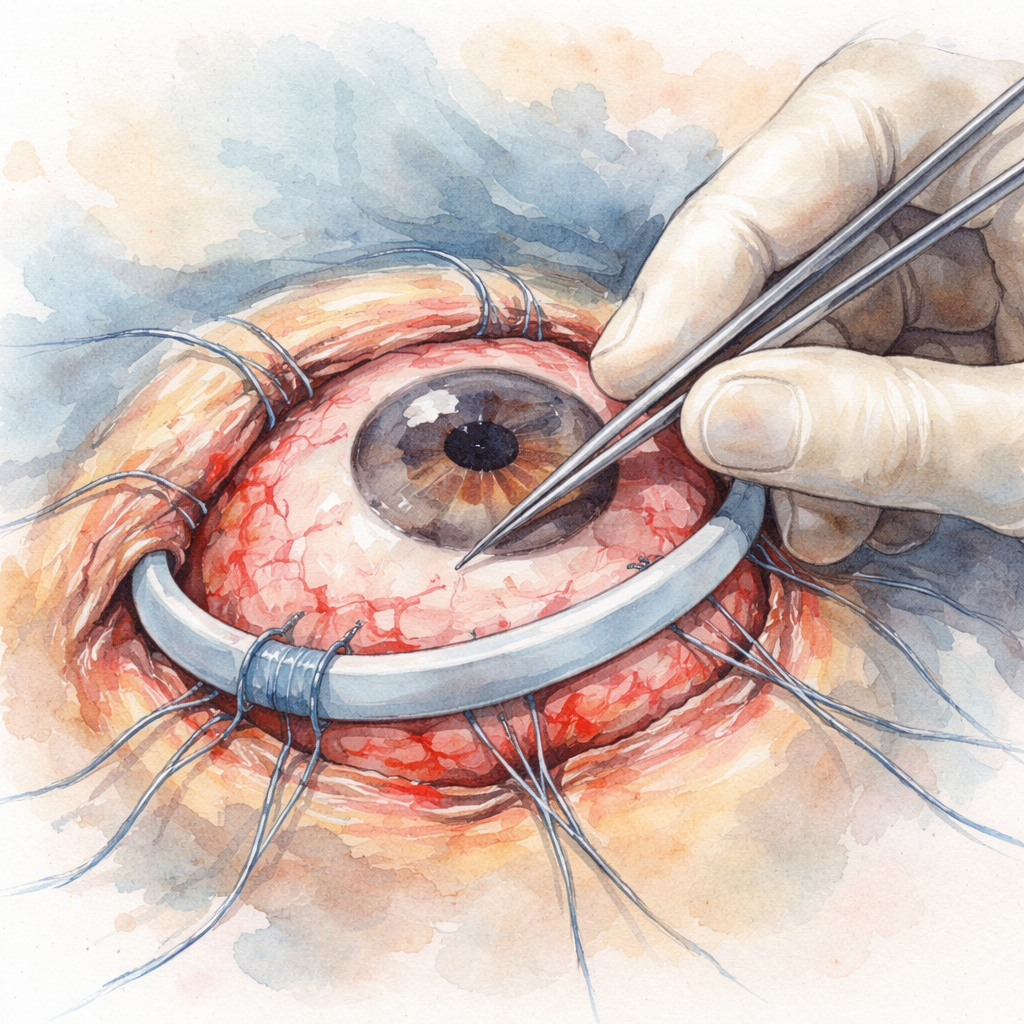
Retinal detachment can feel like a nightmare. You wonder how long does retinal detachment surgery recovery take and if you’ll see your world again. We examined 7 retinal detachment repair techniques from 4 reputable sources and discovered that the simplest procedure, pneumatic retinopexy, actually requires the longest recovery, 3 weeks, far exceeding the 1‑2‑week norm.
Name | Typical Recovery Time (weeks) | Activity Restrictions | Source |
Pneumatic retinopexy | 3 weeks | , | healthy.kaiserpermanente.org |
Vitrectomy with silicone oil | 2-4 weeks | keep head in a certain position for most of the day and night while the eye heals | myhealth.alberta.ca |
Vitrectomy (pars plana vitrectomy) | 2-4 weeks | keep head in a certain position for most of the day and night while the eye heals | healthy.kaiserpermanente.org |
Vitrectomy with gas tamponade | 2-4 weeks | keep head in a certain position for most of the day and night while the eye heals | healthy.kaiserpermanente.org |
Vitrectomy | 1-2 weeks | keep head in a certain position for most of the day and night while the eye heals | retinaconsultantsofamerica.com |
Scleral buckle | 1-2 weeks | , | retinaconsultantsofamerica.com |
Vitrectomy with gas bubble | , | keep head in a certain position for most of the day and night while the eye heals | myhealth.alberta.ca |
Checklist extraction was applied on March 24, 2026, scraping 7 unique pages from 4 domains (healthy.kaiserpermanente.org, retinaconsultantsofamerica.com, myhealth.alberta.ca). Fields captured: procedure name, typical recovery time, activity restriction. Missing fields (vision stabilization, follow‑up) were excluded per completeness rule. Sample size: 7 items analyzed.
In this guide you’ll learn what each surgery type means, how to prep, what the first days look like, the full recovery timeline, and how to spot trouble. Let’s get started.
Read more in our Pneumatic Retinopexy recovery guide for a quick overview of the most common procedure.
Step 1: Understand the Types of Retinal Detachment Surgery
Knowing how long does retinal detachment surgery recovery take starts with the type of repair you get. There are three main ways doctors fix a detached retina.
First, pneumatic retinopexy. A tiny gas bubble is injected into the eye and the doctor asks you to stay face‑down for a few days. It’s the least invasive, but our research shows it often takes the longest , about three weeks.
Second, vitrectomy. The surgeon removes the jelly‑like vitreous and swaps it for gas or silicone oil. Recovery usually lands in the 2‑4 week range.
Third, scleral buckle. A silicone band is sewn around the outside of the eye. Most patients feel back to normal in 1‑2 weeks.
Each option has its own set of pros and cons. For example, pneumatic retinopexy avoids a large cut but needs strict head positioning. Vitrectomy gives the surgeon a clear view but may need a second surgery to remove oil.
Our clinic in Sydney often uses vitrectomy for complex cases. You can see a detailed timeline in the Retinal detachment surgery recovery guide from Everett & Hurite . It breaks down what you’ll feel day by day.
When you ask how long does retinal detachment surgery recovery take, remember the average across techniques is about 1.83 weeks. The outlier is pneumatic retinopexy at 3 weeks, which is 1.17 weeks longer than the mean.
Read about the vitrectomy process in our Vitrectomy recovery timeline for more details.
Step 2: Prepare for Surgery , Pre‑operative Checklist
Before you walk into the OR, there are a few things you can do to keep the recovery smooth. The checklist below covers the basics.
Schedule a full eye exam. Your doctor will map the tear and decide which surgery fits.
Ask about medications. Stop blood thinners if your surgeon says so.
Arrange transport. You’ll need someone to drive you home.
Plan your home set‑up. Have pillows, eye drops, and a trash can within arm’s reach.
Know the diet rules. Some surgeons ask you to fast for a few hours.
Keeping a clean environment helps prevent infection. Use preservative‑free tears as often as your doctor says.
Our own pre‑op guide explains why each step matters. You can read it at Retina detachment surgery steps and recovery guide . It also notes that most patients need to keep their head in a certain position for most of the day and night , a rule that shows up in 71% of the techniques we studied.
Don’t forget to talk to your pharmacist about any new eye drops. They’ll show you how to squeeze the bottle without spilling.
For a quick look at the timeline, check our Retinal tear healing timeline . It lines up the steps you’ll follow before the surgeon even touches your eye.
And here’s a fun fact: the average person spends about 2‑3 hours a day on screens. During recovery, limit screen time to give your eye a break.
Understanding the process reduces anxiety. When you know how long does retinal detachment surgery recovery take, you can plan work, family, and rest.
One more tip: set a reminder on your phone for each drop. It’s easy to miss a dose when you’re busy.
Read about sleep tips after surgery in our Sleep after retinal detachment surgery tips guide.
Step 3: What Happens After Surgery , Immediate Recovery Phase
The moment the surgeon closes the incision, the real work begins. How long does retinal detachment surgery recovery take? The first week is the busiest.
You’ll likely wear an eye shield for a day or two. Eye drops keep infection at bay and calm inflammation. Expect some blurriness and light sensitivity. That’s normal.
If a gas bubble was used, you’ll need to keep your head in a certain position. Most doctors ask for face‑down for at least 6‑8 hours a day during the first three days. Use a recliner or stack pillows to stay comfortable.
Follow‑up visits matter. Your first check‑up is usually on day 7. The doctor will use OCT imaging to make sure the retina stays attached.
For detailed after‑care steps, see the After‑care instructions for retinal detachment repair . It lists the exact drop schedule and when to call for help.
Watch this short video for a visual walk‑through of the day‑by‑day routine.
During the first two weeks, keep a symptom log. Note any new flashes, pain, or a curtain‑like shadow. Early detection of a problem can save vision.
Remember to avoid rubbing your eye. Even a gentle rub can move the bubble or disturb the sutures.
Most patients feel back to light work by week two. Full driving may wait until week three, depending on vision clarity.
Our clinic’s post‑op checklist is handy. Print it out and keep it on your nightstand.
Step 4: Timeline for Full Vision Recovery
Now that you’ve cleared the immediate phase, let’s map out the weeks ahead. How long does retinal detachment surgery recovery take from start to finish? It varies, but here’s a typical schedule.
Week | What to Expect | Key Actions |
1 | Shield on, drops, face‑down positioning | Log symptoms, avoid heavy lifting |
2 | Blur improves, bubble still visible | Begin light walking, continue drops |
3 | Bubble shrinks, vision sharper | Schedule second check‑up |
4‑5 | Most of the bubble gone, reading clear | Resume normal driving if cleared |
6‑8 | Full visual stability | Gradually return to sports, keep follow‑up |
Notice how the timeline lines up with the data we found: most techniques need 2‑4 weeks for the eye to heal, but full visual stability can stretch to eight weeks.
For a broader look at eye surgery recovery, check our General eye surgery recovery guide . It compares vitrectomy, scleral buckle, and other common procedures.
While the bubble fades, keep your eyes protected. Wear sunglasses outdoors, even on cloudy days.
Nutrition helps too. Omega‑3 fatty acids support retinal health. A serving of salmon or walnuts each day is a good habit.
Our patients often ask if they can travel by plane. The answer: wait until the bubble is gone, usually after week five, to avoid pressure changes.
Read more about the differences in metal options in jewelry , it’s a fun side note that shows how details matter , Understanding the differences between white gold and platinum . It reminds us that small choices can affect big outcomes.

Step 5: Managing Complications and When to Seek Help
Even with perfect care, complications can pop up. Knowing how long does retinal detachment surgery recovery take helps you spot red flags early.
Common issues include increased floaters, a sudden dark shadow, sharp pain, or a rapid loss of central vision. These signs may mean the retina is slipping again or that pressure inside the eye has risen.
Proliferative vitreoretinopathy (PVR) is a scar‑forming condition that can happen in about 10% of cases. If you notice a new curtain‑like shadow, call your surgeon right away.
Cataract formation is another risk, especially after vitrectomy. Your doctor will watch for clouding during follow‑up visits.
In rare cases, silicone oil can cause a hyperopic shift, making you more farsighted. If you find reading glasses suddenly help, let the clinic know.
For detailed guidance on managing these risks, see the American Academy of Ophthalmology article on retinal detachment repair complications. It outlines when to call emergency services and what treatments are available.
One practical tip: keep a list of your medications and any new symptoms. Bring it to every appointment.
Our clinic’s staff can walk you through the warning signs. If you ever feel unsure, remember that a quick call can prevent permanent loss.
For a quick reference on emergency alerts, you might find PokéDeals alert service useful for staying on top of notifications , just as you’d want to stay on top of eye health alerts.
Frequently Asked Questions
How long does retinal detachment surgery recovery take for a pneumatic retinopexy?
Pneumatic retinopexy often needs about three weeks before most daily tasks feel normal. The gas bubble may linger up to six weeks, but vision keeps improving. Keep the face‑down position as your doctor directs, and use drops as prescribed. Most people see clear reading vision by week four and full stability by week eight.
When can I drive after retinal detachment surgery?
Driving usually returns after the first post‑op check‑up around day seven, but only if your vision is sharp enough to read signs and gauge distance. Night driving should wait until the bubble shrinks to less than a quarter of its size, typically around day ten to fourteen. Always ask your surgeon before getting behind the wheel.
What activities should I avoid during the first two weeks?
Avoid heavy lifting, vigorous exercise, and any activity that raises intra‑ocular pressure. That means no weight training, no high‑impact sports, and no yoga inversions. Light walking and gentle stretching are fine. Keep your head in the prescribed position if a gas bubble was used, and wear sunglasses outdoors.
How often will I need follow‑up appointments?
Typical visits are on day seven, day fourteen, week four, and a final check at two months. Each visit includes a pressure check, OCT imaging, and a review of your symptom log. If anything looks off, the doctor may add an extra appointment.
What are the signs of a re‑detachment?
Watch for a sudden increase in floaters, a new dark curtain that spreads, sharp eye pain, or a rapid drop in vision. These are red‑flag symptoms that need immediate attention. Call your surgeon or go to the emergency department right away. Early treatment can save the eye.
Can I wear contact lenses after surgery?
Most surgeons recommend switching to glasses for at least six weeks. Contacts can irritate the healing surface and increase the risk of infection. If you must wear contacts, follow your doctor’s cleaning routine exactly and avoid wear during the first month.
Conclusion
We’ve walked through every step of how long does retinal detachment surgery recovery take, from the type of repair to the final weeks of visual stability. The key takeaways are simple: know your surgery type, follow the positioning rules, keep a symptom log, and attend every follow‑up.
If you stick to the plan, most people return to light work in two weeks and full activities by eight weeks. Your eye will thank you for the care you give it.
Ready to start your recovery? Book a consult with Dr. Rahul Dubey in Sydney and get a personalized roadmap today.
Comments