


Find a Retina Doctor Near Me Sydney – Your Complete Local Guide
- Feb 19
- 18 min read
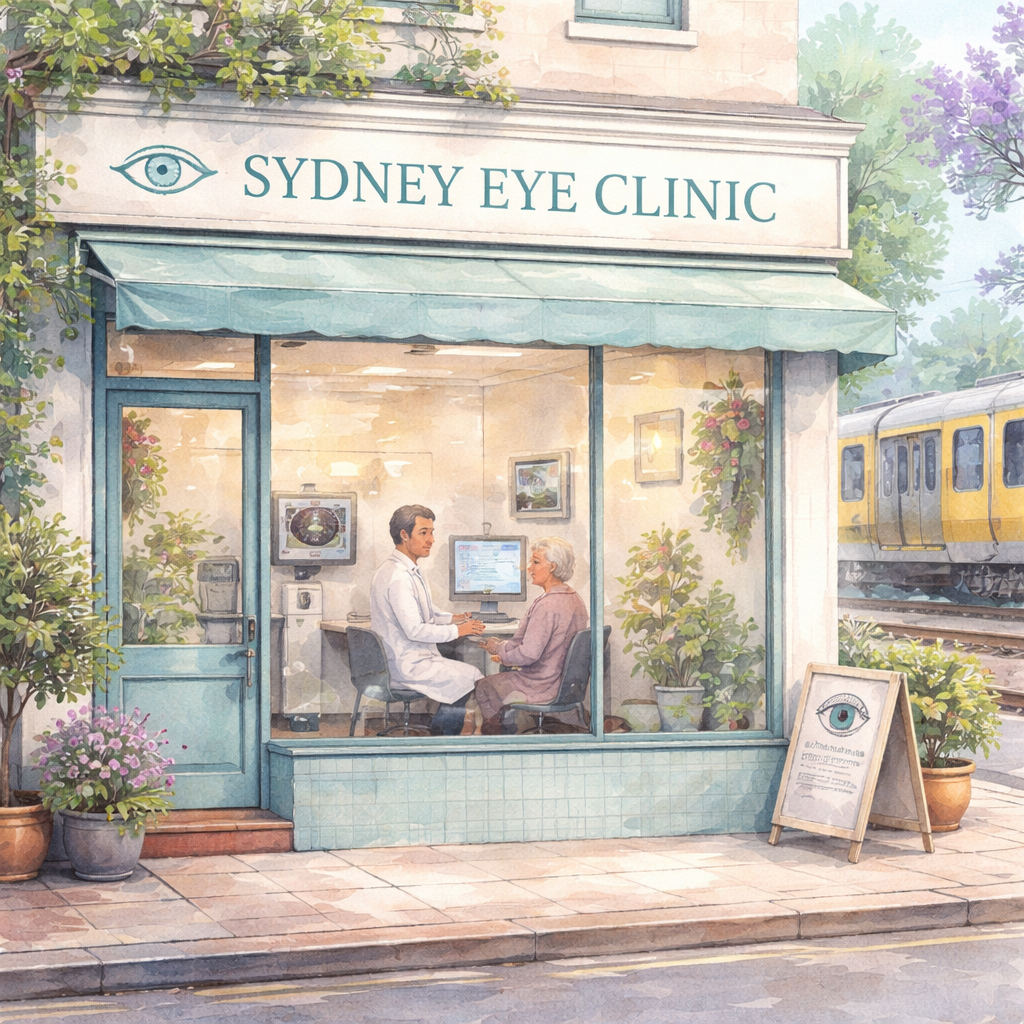
Ever stared at the Sydney skyline and thought, "I hope my eyes can keep up with all this beauty"? If you've ever noticed blurry spots, floaters, or a sudden loss of sharpness, you know how unsettling it can feel. That's why finding a reliable retina doctor near me Sydney is more than a Google search—it's about protecting the window to your world.
In my practice, I've seen patients mistake a minor flicker for harmless fatigue, only to discover an early retinal tear that needed prompt treatment. One mom from Bondi, juggling daycare and a full‑time job, ignored the warning signs until she could no longer read bedtime stories. After a swift referral, we performed a minimally invasive vitrectomy and she was back to bedtime stories within weeks. The difference between waiting and acting can be a lifetime of clear vision.
So how do you separate the noise and zero in on the right specialist? Start by checking credentials: a retina surgeon in Sydney should be a board‑certified ophthalmologist with additional fellowship training in vitreoretinal surgery. Look for affiliations with major hospitals like Royal Prince Alfred or St Vincent's, because those centres have the latest imaging tech—OCT, fluorescein angiography, and ultra‑widefield cameras—that can catch problems early.
Next, consider accessibility. Sydney traffic can turn a 15‑minute drive into a half‑hour ordeal, especially during rush hour. Choose a clinic that's easy to reach by train or bus, and that offers flexible appointment slots. Many of our patients appreciate the ability to book online and receive a reminder text the day before—they never miss a critical follow‑up.
Finally, think about holistic support. After surgery or injection, recovery isn’t just about eye‑drops; nutrition, sleep, and stress management all play a role. That's why I often recommend partnering with wellness programs that focus on eye‑friendly nutrients. For example, XLR8well provides nutrition plans rich in lutein and omega‑3s, which complement retinal health and speed up healing.
If you're ready to take the next step, our practical guide walks you through the whole process—from the first Google query to the day you sit in the operating theatre. You can start there: Find a Retina Specialist Near Me: A Practical Guide . Remember, the sooner you act, the better the chance of preserving your sight.
TL;DR
Finding a retina doctor near me Sydney doesn’t have to be a headache—you’ll get steps to spot qualified surgeons, check hospital tech, and schedule appointments that fit your life.
Follow our guide, learn how nutrition and follow‑up care can speed recovery, so you protect your vision before problems worsen today.
How to Find a Qualified Retina Doctor Near You in Sydney
Picture this: you’re scrolling through Sydney’s endless suburb list, thinking, “Where on earth do I find a retina doctor near me Sydney that actually gets me?” You’ve probably felt that knot of anxiety – the fear of missing a warning sign, the worry about a long drive, the dread of endless phone tag. Trust me, I’ve sat there too, watching the Harbour Bridge blur as I worried about my own vision.
First thing’s first – check the credentials. A qualified retina doctor isn’t just any ophthalmologist; they need a board‑certified status plus a fellowship in vitreoretinal surgery. In Sydney, look for affiliations with teaching hospitals like Royal Prince Alfred or St Vincent’s – those places invest in the latest imaging tech (OCT, ultra‑widefield cameras) that catches trouble before it becomes a crisis.
Step 1: Verify Their Training
Head to the doctor’s profile on the Australian College of Ophthalmologists website or simply ask their office for proof of fellowship. You’ll hear terms like “vitreoretinal surgery” or “macular surgery” – those are good signs they handle the complex cases you might need.
When you’re done, hop over to our own guide for a quick checklist: How to Find a Retina Specialist Near Me: A Step‑by‑Step Guide . It walks you through the exact questions to ask.
Step 2: Scope Their Facilities
Even the best surgeon can be limited by outdated equipment. Ask whether the clinic has a modern OCT machine or a fluorescein angiography suite. Those tools let the doctor see tiny blood vessel leaks that could spell macular degeneration down the line.
And don’t forget about location. Sydney traffic can be brutal – a 15‑minute drive can turn into a 45‑minute nightmare during peak hour. Aim for a practice near a train line or a bus route. That way you can pop in for follow‑ups without rearranging your whole day.
Step 3: Gauge Their Support Network
After a vitrectomy or an injection, recovery isn’t just about eye drops. Nutrition, sleep, and stress management matter. That’s why many of my patients pair their treatment with holistic programs. For instance, XLR8well offers nutrition plans rich in lutein and omega‑3s – perfect for supporting retinal health after surgery.
Another angle is tech‑enabled monitoring. Platforms like Aynnoon provide remote eye‑health tracking, so you can log symptoms and get alerts before anything escalates.
Step 4: Test Their Communication Style
Schedule a brief consult – many clinics now offer a 15‑minute video chat. Pay attention: do they explain things in plain language? Do they answer your “what‑if” questions without jargon? A doctor who can break down complex procedures into everyday talk will make your journey far less stressful.
During that call, ask about appointment flexibility. Some practices let you book online and send reminder texts – a tiny convenience that saves you from missing crucial post‑op checks.
Below is a quick visual recap of the steps:
Take a moment to jot down the clinic’s address, its nearest train station, and whether they’ve got the tech you need. A simple spreadsheet can turn a chaotic search into a clear action plan.
Finally, trust your gut. If something feels off – maybe the receptionist seems rushed, or the doctor can’t answer a basic question – keep looking. The right retina doctor near you Sydney will combine expertise, top‑tier equipment, convenient access, and a caring bedside manner.
What to Expect During Your First Retina Consultation
Walking into the clinic for the first time can feel a bit like stepping onto a train platform you’ve never used – you see the signs, you hear the announcements, but you’re not quite sure which carriage to board. That’s why I like to break down the whole appointment into bite‑size moments, so you know exactly what’s coming next.
1. The warm welcome and quick paperwork
When you arrive, the receptionist will usually confirm your details and ask about any recent changes in vision or health. It’s a good idea to have a short list of symptoms ready – think of it as a travel itinerary for your eyes. For example, a 58‑year‑old accountant from Surry Hills once told us he’d noticed “tiny black dots that seemed to drift when he looked at the sky”. Writing that down helped the doctor focus on floaters versus a possible retinal tear.
After the check‑in, you’ll be shown a brief consent form. Don’t rush it; the clinic staff will explain why they need your approval for imaging and any potential treatments.
2. Comprehensive eye exam and imaging
Next, the retina specialist will perform a dilated exam. The drops make your pupils wide open, letting the doctor see the back of the eye on a slit‑lamp. It might feel a bit bright, but it’s over in a few minutes.
Most Sydney practices, like Retina Associates, use state‑of‑the‑art optical coherence tomography (OCT) and ultra‑widefield photography. These images are like a high‑resolution map of your retina, highlighting any tears, fluid, or early macular changes you couldn’t see with the naked eye.
During the exam, the doctor will point out what they see on the screen, using plain language – “Here’s a small bleed near the macula, but it’s not yet threatening your central vision”. That real‑time walkthrough helps you visualise the problem.
3. Discussion of findings and next steps
After the imaging, the specialist sits down with you (and maybe a family member) to discuss the diagnosis. This is the moment to ask those “what‑if” questions you’ve been holding onto. For instance, a recent patient with diabetic retinopathy asked, “Will I need laser treatment now, or can we try injections first?” The doctor explained the staged approach we often use, weighing the severity of retinal swelling against the invasiveness of the procedure.
We like to give you a clear action plan, usually broken into three parts: immediate next steps, short‑term follow‑up, and long‑term monitoring. A typical plan might read: “Schedule a monthly anti‑VEGF injection for the next three months, then reassess with OCT in six weeks.”
4. Practical logistics and support
Before you leave, the clinic will hand you a printed checklist – think of it as a travel guide for your treatment journey. It covers medication schedules, eye‑drop instructions, and signs that warrant a call‑back (like sudden increase in floaters or new flashes).
We also talk about post‑procedure care: protecting your eye from bright sunlight, using protective eyewear, and arranging any needed transport if you’ve had surgery that temporarily affects vision.
For a deeper dive into how to pick the right specialist and what paperwork to bring, check out our guide on how to choose the right retina specialist in Sydney . It walks you through the entire pre‑appointment checklist.
That short video walks you through the exam room, showing what the OCT machine looks like and how the doctor explains the scan results. It’s a good way to visualise the process before you get there.
5. Your role in the journey
Finally, remember that you’re the driver of this trip. Keep a symptom diary – note any new flashes, changes in peripheral vision, or how your eyes feel after a long arvo on the computer. Bring that diary to every follow‑up; it gives the doctor concrete data to adjust treatment.
Most importantly, don’t hesitate to call the clinic’s nurse line if something feels off. A quick check can prevent a minor issue from turning into a bigger emergency.
Key Services Offered by Sydney Retina Specialists
If you're searching for a retina doctor near me Sydney, you're not alone. In a city this big, protecting your central vision matters more than ever.
At Dr Rahul Dubey's practice, we offer a full suite of retina services—from precise diagnostics to delicate surgeries. It's all about catching problems early, mapping the retina in detail, and giving you a clear plan you can actually follow.
Comprehensive diagnostic imaging and evaluation
We begin with a dilated exam and high-resolution imaging. Optical coherence tomography (OCT) creates a cross-section map of the retina, while ultra-widefield cameras capture peripheral areas you might not notice. This baseline helps us tailor treatments and track changes over time.
We tailor the imaging protocol to your age, risk factors, and symptoms, so you get the right snapshot of your eyes at every visit. In a city like Sydney, these tools let us detect subtle changes before they become urgent problems.
Macula-focused treatments and injections
Many retinal conditions involve the macula—the tiny, central area you use for reading and recognizing faces. Anti-VEGF injections are a common, effective option for conditions like wet age-related macular degeneration and diabetic macular edema. We explain the treatment timeline, what to expect during visits, and why sticking to the schedule matters for preserving central vision.
During your first injection visit, you’ll usually have numbing drops and a brief eyelid stabilizer, then a quick, precise injection. Most people resume normal activities right away, though you might notice mild eye discomfort or a brief light sensitivity. We typically start with monthly injections for the initial phase—often 3 to 6 months—then extend intervals as your eyes respond. We coordinate with your broader health care so systemic factors don’t undermine ocular outcomes.
Does it feel like coordination between specialists is hard? It doesn’t have to be—our team works as a single path to protect your sight. For a practical roadmap, you can check our guide on the topic: Find a Retina Specialist Near Me: A Practical Guide .
Laser and light-based therapies for tears, holes, and detachments
Laser therapy is a quick outpatient option to seal retinal tears or treat early detachments. It often takes just minutes and has minimal downtime. Post-treatment guidance includes avoiding rubbing the eye, wearing protective eyewear, and recognizing warning signs that mean a follow-up is needed.
In some cases, laser is used in combination with other treatments to stabilize the retina and create a safer pathway for healing. Your surgeon will tailor the approach to the location and extent of the problem, aiming for the simplest route to long-term stability.
Vitreoretinal surgery for complex cases
When surgery is required, modern microincision vitrectomy techniques minimize trauma and speed recovery. We routinely address macular holes, epiretinal membranes, and complex detachments. Afterward, we use imaging to confirm the retina remains stable and map recovery progress.
The recovery timeline varies by procedure, but we guide you with concrete milestones, instruction on eye drops, positioning if needed, and scheduled follow-ups to ensure your retina stays attached and your vision recovers as fully as possible.
Diabetic eye disease management
For diabetic retinopathy and diabetic macular edema, we combine laser, injections, and close coordination with your diabetes team. Early treatment slows progression and helps preserve vision. Regular screening and adherence to clinic follow-ups are critical—don’t skip those appointments.
We also focus on prevention: education about blood sugar control, nutrition, and blood pressure management can make a real difference in eye outcomes over the years. In our experience, integrated care improves both eye health and general well-being for patients with diabetes.
Ongoing monitoring and patient education
Vision can change slowly. A proactive plan—regular OCT checks, symptom diaries, and scheduled reviews—empowers you to act before a problem worsens. So, what should you do next? Talk with a retina specialist about building a simple, practical eye-care routine.
If you’d like a clear path to choosing the right clinician, you can start with our Find a Retina Specialist Near Me: A Practical Guide.
Understanding Common Retina Conditions and Treatments
When you finally sit down with a retina doctor near me Sydney, the first thing you’ll notice is how many different conditions can affect the same thin layer of tissue at the back of your eye. It feels overwhelming, but breaking them into bite‑size groups makes the whole picture clearer.
Age‑related macular degeneration (AMD)
AMD is the leading cause of vision loss for Australians over 60. The dry form creeps in slowly – you might notice a fuzzy spot when you read the news on the train. The wet form spikes quickly, with new blood vessels leaking under the macula, causing sudden distortion. In our practice, we use anti‑VEGF injections to seal those vessels. Most patients see a stabilisation of vision within three monthly visits, and many regain a few lines of sharpness.
Action step: if you’re over 55 and notice any change in central vision, book a screening. Early treatment can mean the difference between keeping your favourite surf photos clear or watching them blur.
Diabetic retinopathy and macular oedema
High blood sugar attacks the tiny retinal vessels, leading to micro‑bleeds and fluid buildup. A common story we hear is a 48‑year‑old electrician from Parramatta who thought his occasional floaters were harmless. A quick OCT scan revealed swelling that, if left untreated, would have stolen his ability to read wiring diagrams. Laser photocoagulation and, when needed, anti‑VEGF injections halted the progression.
Tip: keep your HbA1c under 7 % and schedule a retinal check at least once a year. The retina doesn’t wait for your next GP appointment.
Retinal tears and detachments
A sudden flash of light followed by a curtain‑like shadow is the classic warning sign. In a recent case, a 32‑year‑old surfer from Bondi ignored a few flashes after a surf session. By the time he saw us, the tear had progressed to a partial detachment. We performed a laser seal and a brief vitrectomy; within weeks he was back on the board.
Practical checklist:Note any new flashes, floaters, or a shadow in your peripheral vision.Don’t rub your eye.Call your retina clinic immediately – timing is everything.
Macular holes
These tiny openings in the centre of the retina usually develop after the vitreous gel pulls away. A 62‑year‑old teacher from Surry Hills described reading bedtime stories becoming a struggle because the centre of her vision turned hazy. Surgery to close the hole using a micro‑incision vitrectomy has a 90 % success rate when done within six months of diagnosis. Post‑op, a gas bubble helps the retina seal, and most patients notice improvement as the bubble dissolves over two weeks.
What to do: if you notice a sudden loss of fine detail – like trouble reading the small print on a prescription bottle – get an OCT scan right away.
Retinal vein occlusion (RVO)
Think of it as a traffic jam in the eye’s veins. Blood pools, causing swelling and sometimes bleeding. A 55‑year‑old accountant from Chatswood came in with sudden blurry spots in one eye after a stressful tax season. We treated him with targeted laser and anti‑VEGF, which reduced swelling and preserved his vision for those long spreadsheet nights.
Quick tip: control blood pressure and cholesterol; they’re major risk factors for RVO.
How we choose the right treatment pathway
Every condition follows a similar decision tree: diagnose with high‑resolution imaging, assess severity, and then match the least invasive yet effective therapy. Our clinic uses OCT, ultra‑widefield photography, and fluorescein angiography to map the problem down to the micron. For a deeper dive into the nuances between a retina specialist and a general ophthalmologist, check out our guide on Retina Specialist vs Ophthalmologist: Key Differences Explained .
Bottom line: regular monitoring, prompt action on new symptoms, and a clear treatment plan keep your retina healthy. Keep a symptom diary, stick to your injection schedule, and don’t skip that annual OCT – your future self will thank you.
Comparing Retina Clinics in Sydney – Services, Costs, and Patient Ratings
When you type “retina doctor near me Sydney” into a search bar, a dozen options pop up. That can feel overwhelming, especially when every clinic promises the latest tech and painless procedures. So, how do you cut through the noise and pick the place that actually matches your needs?
What to look at first
Start with three things: the range of services, the out‑of‑pocket cost after Medicare, and real‑world patient feedback. A clinic that offers everything from high‑resolution OCT scans to micro‑incision vitrectomy is usually better equipped for unexpected twists in your treatment plan. But it also tends to cost a bit more, so you need to know what you’re comfortable paying.
Next, think about location and flexibility. Sydney traffic can add 30 minutes to a 10‑minute drive. A practice near a train line or with evening appointments can save you stress on busy weeks.
Side‑by‑side snapshot
Clinic | Key Services | Typical Cost (A$) | Patient Rating (out of 5) |
Dr Rahul Dubey Retina Centre | OCT, ultra‑widefield imaging, anti‑VEGF injections, laser therapy, micro‑incision vitrectomy | ~$250‑$650 per visit (depends on procedure) | 4.8 |
Sydney Eye Hospital Retina Unit (public) | Comprehensive imaging, laser, injections, surgery (government‑funded) | Mostly covered by Medicare; modest co‑pay $20‑$80 | 4.3 |
Private Practice – Generic Sydney Retina Clinic | Standard OCT, laser, injections (no vitrectomy) | ~$180‑$400 per visit | 4.0 |
Notice the spread? The Dubey centre charges a bit more, but the rating is higher and the service list is the most complete. The public unit is the most affordable, but you might wait weeks for an appointment.
Why cost matters
In Australia, many retina procedures are partially covered by Medicare and the PBS. However, out‑of‑pocket costs for anti‑VEGF injections can still run $300‑$600 per session if you’re paying privately. That adds up fast if you need monthly shots.
Ask the clinic upfront: “What’s the total cost after Medicare for a three‑month anti‑VEGF loading phase?” A transparent answer saves you surprise bills later.
Patient ratings – what they really tell you
Ratings on Healthengine or Google give a quick pulse, but dig deeper. Look for comments about wait times, bedside manner, and post‑procedure support. One common thread we see is the value of a clear written care plan – patients love having a checklist of eye‑drop schedules and red‑flag symptoms.
If a clinic’s rating is high but the reviews mention “hard to get a follow‑up call”, that’s a red flag. Consistency matters as much as the numeric score.
Making the decision
Grab a notebook or your phone’s notes app. Jot down three criteria that matter most to you right now – maybe it’s same‑day appointments, cost, or a surgeon who does both laser and surgery. Then rank each clinic against those criteria.
In our experience, patients who choose a clinic offering the full suite of services (like Dr Rahul Dubey’s practice) often avoid the hassle of being referred elsewhere mid‑treatment. That continuity can be a real peace‑of‑mind booster.
So, what’s the next step? Compare the table, check the latest reviews, and give the clinic a quick call to confirm costs and appointment flexibility. You’ll walk in feeling informed, not anxious.
Tips for Scheduling Appointments and Preparing for Your Visit
Scheduling an eye visit doesn't have to feel like a mystery. You want clarity, not chaos. Here's how we keep it simple for you.
If you're searching for a retina doctor near me Sydney, here's how to streamline the process. In our experience, a little prep goes a long way and can save you time, money, and worry.
Before you book
First, know what you want from this visit. Are you checking a new floater issue, planning macula injections, or reviewing cataract options? Having a clear goal helps our reception team schedule the right appointment type and ensures the clinician you’ll see has the right focus.
What to have ready when you call
Your current symptoms and when they started
Any recent eye drops, medications, or medical conditions
Availability for in-person vs. telehealth and preferred days
Insurance and Medicare information if you’re checking costs
Time and format: online booking vs phone calls
Online booking is usually fastest and lets you see same-day slots. If you prefer human interaction, a quick phone call can get you a precise time and give you a chance to ask about parking, accessibility, or after-visit questions. In 2026, many practices offer both options with automated reminders, which helps you show up on time.
Ask the right questions
What tests will I have today (OCT, fluorescein, dilated exam)?
Do I need dilation, and how long will vision be blurry?
What should I do if I notice new symptoms after the visit?
What’s the plan for follow-ups or injections, and how often?
Day of the appointment: what to expect
When you arrive, you’ll check in, then meet a nurse or assistant who will record symptoms and vitals. You'll likely have a dilated exam and imaging, followed by a discussion of findings. It’s normal to feel a bit overwhelmed, but we keep explanations plain and actionable.
Dilation awareness
Dilation helps the doctor see the back of your eye, but it can blur reading and driving. Read the dilation guidelines here: dilation guidelines. Plan transportation and online tasks for the afternoon if needed. For our patients, we usually align dilation with imaging so we can review everything in one session.
Aftercare and transport
Most people can drive after a dilation once their vision returns, but it’s common to arrange a ride home the day of the exam. If you’re having injections or surgery, your team will give you a recovery plan and a direct contact for questions.
A quick checklist you can reuse
Bring a list of symptoms and medications
Confirm parking and access details
Bring a friend or family member for support if you’re getting dilated
Set calendar reminders for follow-ups
In 2026, taking charge of your eye health starts with a smooth appointment. Our practice offers online booking, friendly reminders, and a nurse line to answer quick questions—so you can focus on what matters: protecting your sight, whether you’re here for macula injections Sydney or other retina care. If you need guidance, we’re here to help every step of the way.
Conclusion
After everything we’ve walked through, you can see why finding a retina doctor near me Sydney feels like a small but crucial mission.
Think about the last time you juggled a busy arvo, a school run, and a flicker of light in your vision. If you’d had a clear checklist and a trusted clinic, that stress would have been half the size.
What matters most? A surgeon who blends state‑of‑the‑art imaging with genuine bedside care, a location that fits your commute, and a transparent cost plan that respects your budget.
In our practice, we’ve seen patients walk out of a dilated exam feeling reassured because we walked them through each OCT image and explained the next step in plain language. That moment of clarity is what we aim for every time.
So, what’s your next move? Grab the quick checklist we’ve shared, book a convenient slot, and let a retina specialist guide you through the journey. Remember, early action protects the pictures you love – from beach sunsets to your kid’s first school photo.
Ready to take control? Reach out today and let us help you secure clear vision for the years ahead.
Remember, your eyes work nonstop; giving them professional attention now saves countless missed moments later.
FAQ
What should I look for when searching for a retina doctor near me Sydney?
First, check that the clinician is a board‑certified ophthalmologist with a fellowship in vitreoretinal surgery – you’ll often see FRANZCO (Retina) after their name. Next, make sure the clinic has modern imaging like OCT and ultra‑widefield cameras; these tools catch tiny tears before they become emergencies. Finally, read a few patient reviews for bedside manner and wait‑time reliability – a friendly, punctual practice makes a big difference on a busy arvo.
How quickly can I usually get an appointment with a retina specialist in Sydney?
Many private practices offer same‑day or next‑day slots for urgent floaters or flashes, especially if you call the nurse line directly. For routine checks, you’ll often see availability within 1‑2 weeks if you use online booking and mention your preferred train station or suburb. If you’re flexible with evenings or telehealth pre‑consults, you can shave a few days off the wait time.
Will Medicare cover the cost of my retina consultation and treatment?
Medicare generally funds the dilated exam and most imaging, but the clinician may charge a modest gap fee – usually between A$20‑A$80. Anti‑VEGF injections, laser therapy or vitrectomy often have a partial rebate, leaving a private‑patient portion that can range from A$250‑A$650 per visit. Ask the clinic up front: “What’s the total out‑of‑pocket cost after Medicare for a three‑month injection loading phase?” That way there are no surprise bills.
What will happen during my first retina consultation?
You’ll start with a quick check‑in, then a nurse will record your symptoms and medical history. The doctor will dilate your pupils – the drops can blur vision for a few hours – and perform a slit‑lamp exam while looking at the back of your eye. High‑resolution OCT and ultra‑widefield photos are taken, and the specialist walks you through the images, explaining any findings in plain language.
How should I prepare for pupil dilation?
Bring sunglasses and plan not to drive for the rest of the afternoon; bright light will be uncomfortable. If you work from home, schedule a light‑free block so you can still read emails without glare. Let the receptionist know you need a ride or will use public transport, especially if you’re meeting a child after the appointment. A quick tip: keep a notebook of any new floaters or flashes to discuss afterwards.
What kind of follow‑up care can I expect after an injection or laser treatment?
Usually you’ll get a printed care plan that lists eye‑drop schedules, activity restrictions and red‑flag symptoms – like a sudden increase in floaters or new light flashes. Most clinics call you the day after an injection to check on discomfort. Your next OCT scan is often booked at four‑to‑six‑week intervals to see how the retina is responding, and you’ll have a clear timeline for any additional visits.
When is it an emergency and I need to see a retina doctor right away?
If you notice a sudden curtain‑like shadow, a burst of bright flashes, or a rapid increase in floaters, treat it as an emergency. Those signs can mean a retinal tear or detachment, which needs prompt laser sealing or surgery. Call the clinic’s urgent line or head straight to the nearest emergency department – time is vision. Having your doctor’s after‑hours number saved in your phone can make all the difference.
Comments