


Effective Dry Eye After Cataract Surgery Treatment: A Practical Guide
- Mar 6
- 9 min read
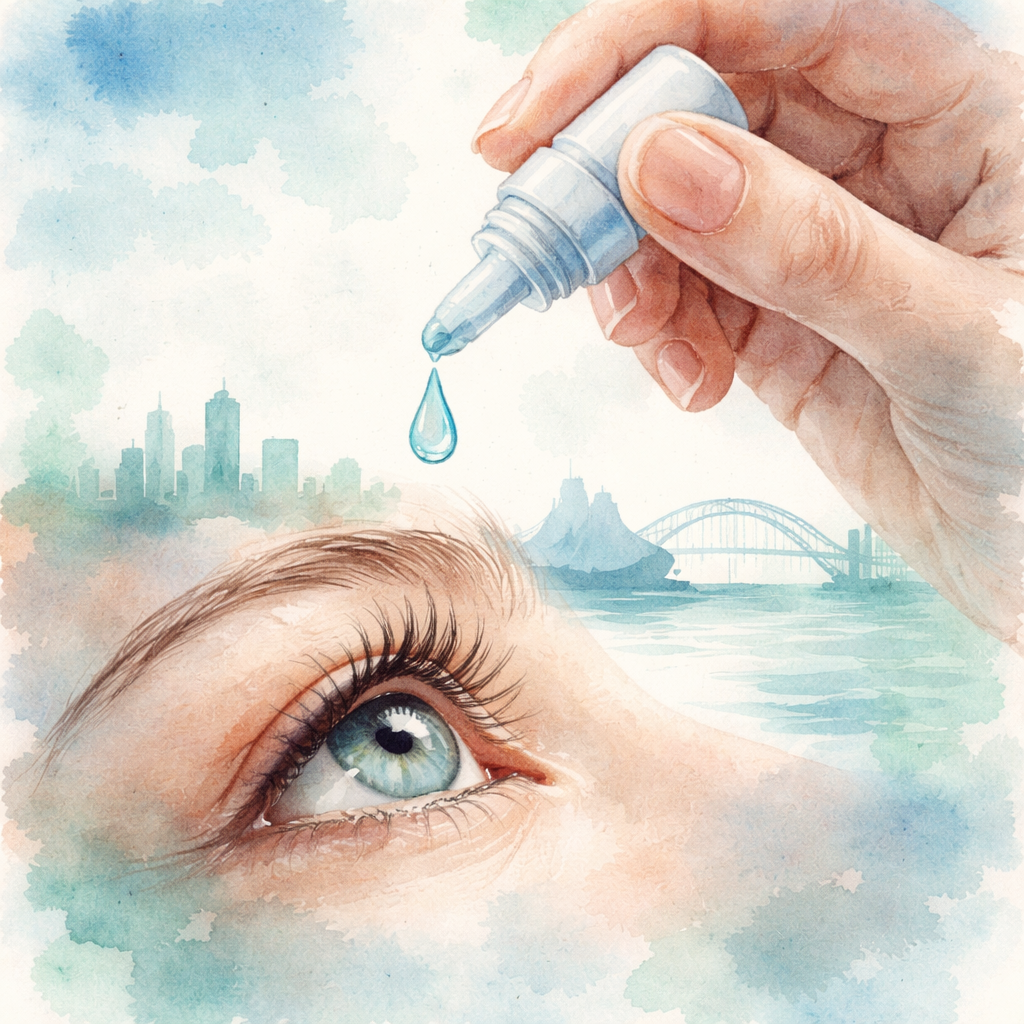
Most patients feel great after cataract surgery, but many notice a gritty, uncomfortable feeling in their eyes a few days later. That’s dry eye, and it’s more common than you think.
In Sydney, the dry climate and indoor air conditioning can make the problem worse. You might find yourself blinking more, rubbing your eyes, or seeing blurry spots that fade after a few seconds. It’s not a sign that the surgery failed – it’s a side‑effect of the procedure and the healing process.
What you do next matters. Simple steps can keep the discomfort from turning into a chronic issue. Start by using preservative‑free artificial tears several times a day. Choose a brand that feels like a thin wash, not a thick gel. Keep a small bottle on your bedside table so you don’t forget the routine.
Next, think about your environment. A humidifier in your bedroom adds moisture to the air and eases the sting. When you’re cleaning or cooking, wear protective goggles to stop wind and fumes from drying your eyes further.
Don’t overlook diet, either. Foods rich in omega‑3 fatty acids – such as salmon, walnuts, and flaxseeds – support the tear film. If you’re not getting enough, a daily supplement can help.
For a step‑by‑step plan, see our detailed guide on postoperative care after cataract surgery. It walks you through eye‑drop schedules, lifestyle tweaks, and warning signs that need a doctor’s eye.
Finally, if symptoms persist beyond two weeks or you notice redness, pain, or sudden vision loss, call our clinic right away. Early intervention prevents long‑term complications and gets you back to enjoying clear sight.
Step 1: Control Inflammation
Inflammation is the hidden trigger behind post‑surgery dry eye. It makes the tear film thin and the eye feel gritty. Tame it early and the comfort lasts.
First, use the anti‑inflammatory drops your surgeon prescribed. Put a drop in each eye three times a day for the first week, then taper as advised. The medication calms the tiny blood vessels that swell after the operation.
Second, apply a cold compress for five minutes, twice daily. The chill shrinks swollen tissue without any medicine. Just wrap a clean washcloth around a bag of frozen peas and press gently over the closed lids.
Third, boost your diet with omega‑3 rich foods. A handful of walnuts or a salmon fillet at dinner gives the eye the fatty acids it needs to rebuild a stable tear layer. If you don’t eat fish often, a daily supplement works too.
Why it matters: unchecked inflammation keeps the surface dry, triggers more blinking and can turn a short irritation into a chronic problem. Acting now prevents that cycle.
Method | How it helps | Quick tip |
Anti‑inflammatory drops | Reduces vessel swelling | Set a phone alarm for each dose |
Cold compress | Constricts tissue, eases pain | Use a wrapped ice pack for 5 min |
Omega‑3 intake | Supports tear film quality | Add 1 tbsp ground flaxseed to breakfast |
For a deeper dive into each step, see our Dry Eye Treatment After Cataract Surgery: A Practical Guide. It walks you through drop schedules, lifestyle tweaks, and when to call the clinic.
Looking for a broader health plan, check out XLR8well. Their proactive coaching includes eye‑friendly habits that can cut inflammation faster. Their program even tracks eye‑drop usage so you stay on schedule.
You might also consider a daily multivitamin that contains vitamin A and omega‑3. A quick read on men's multivitamins for eye health shows which formulas are worth a look. A balanced supplement can fill gaps you miss in meals.
Step 2: Use Lubricating Eye Drops
After you’ve cooled the eye and tamed inflammation, the next move is to keep the surface slick. A drop or two of the right lubricant can stop the gritty feeling before it turns into a full‑blown dry‑eye episode.
Start with a preservative‑free formula . The research shows that preservative‑free tears reduce irritation more effectively than drops that contain benzalkonium chloride. research on preservative‑free artificial tears confirms this benefit, especially right after cataract surgery.
Pick the right type for your day
For daytime use, a thin, watery drop like sodium hyaluronate or carboxymethylcellulose works well. It spreads quickly, so you can blink and go on with your screen time. If you notice the eyes getting sand‑dry at night, swap to a gel‑based drop – it clings longer and shields the eye while you sleep.
Example: Maria, a 68‑year‑old Sydney patient, tried a standard drop and still felt gritty after a few hours. She switched to a hyaluronic‑acid gel at bedtime and woke up with clear vision and no burning.
How often should you apply?
Most surgeons recommend 4‑6 drops per day for the first week, then taper based on comfort. Keep a small bottle on your bedside table and a travel‑size tube in your bag – missing a dose is easy when you’re busy.
Tip: Gently pull down the lower lid, look up, and let the drop fall onto the white part. Blink a few times to spread it evenly. If you see a hazy spot, a quick blink will smooth it out.
Need a full plan? Check out our dry eye treatment guide for a step‑by‑step schedule and product suggestions.
Remember, the goal is to keep the tear film stable so your vision clears faster and you stay comfortable.
Step 3: Adjust Lifestyle Habits
After you’ve got the drops and the inflammation under control, the next thing to look at is how you live day‑to‑day. Small tweaks in your routine can keep the tear film steady and stop the gritty feeling before it gets worse.
Watch the air around you
Dry indoor air is a silent culprit. A portable humidifier in your bedroom or living room adds a thin layer of moisture that slows tear evaporation. Aim for about 45‑50 % humidity – that’s the sweet spot most eye doctors recommend.
Try to avoid sitting directly in front of air‑conditioning vents or fans. If you can’t move the vent, a simple piece of cardboard can deflect the draft.
Mind your screen time
When you stare at a screen, you blink less. The 20‑20‑20 rule helps: every 20 minutes, look at something 20 feet away for 20 seconds and blink a few times on purpose. It feels a bit odd at first, but it keeps the tear film spread evenly.
One of our Sydney patients, James, noticed his eyes felt less dry after setting a timer on his phone to remind him to blink. He also reduced his screen brightness, which made the glare less harsh.
Eat and drink for eye health
Omega‑3 rich foods – salmon, walnuts, flaxseed – feed the oily layer of the tear film. If you don’t eat fish often, a daily supplement can fill the gap. Staying hydrated is just as important; aim for at least eight glasses of water a day.
Research from dry eye after cataract surgery overview notes that patients who boost omega‑3 intake see a noticeable drop in irritation within a few weeks.
Sleep smart
How you sleep can change the pressure on your eye. Try to rest on your back for the first few nights, or use a soft pillow to keep the face level. If you’re curious about the best way to position yourself, check out our guide on Can you sleep on your side after cataract surgery for easy steps.
Finally, keep your eyelids clean. A warm, damp washcloth pressed to closed lids for five minutes twice a day loosens any crust and helps the oil glands work right.
Stick to these habits, and you’ll give your eyes the environment they need to heal faster and stay comfortable.
Step 4: Follow‑Up Care and When to Seek Help
After the first few weeks you’ll start wondering if you’re back to normal. The truth is, your eye still needs a little watch‑ful care. A quick check‑in with your surgeon can catch problems before they snowball.
Set a follow‑up routine
Mark your calendar for the 1‑week, 1‑month and 6‑week appointments. At each visit your doctor will look at the incision, test tear film stability and ask how often you’re using drops. If the eye feels gritty, note when it happens – after a screen break, a windy walk, or a night of low humidity.
Tip: Bring a small diary. Jot down the time of each drop, any redness, and the weather. Patterns pop out fast.
Know the red‑flags
Most dry‑eye symptoms fade, but some signs mean you need to call the clinic right away:
Sharp pain that doesn’t ease with a drop
Sudden vision loss or a curtain‑like shadow
Persistent redness that spreads
Swelling that looks like a bump on the eyelid
These could point to infection, a pressure issue, or an IOL problem. Early treatment keeps your recovery on track.
When to tweak your treatment
If you still feel sand‑dry after the first month, ask about switching to a gel‑based lubricant at night or trying a punctal plug. Some patients find a short course of prescription eye drops (Restasis or Xiidra) helps the oily layer settle.
For a deeper dive on making those choices, see our guide on when you can safely wear makeup after cataract surgery. It walks through timing and product tips that keep irritation low.
Boost recovery with whole‑body health
Staying hydrated, eating omega‑3 rich foods and getting regular, gentle exercise all support tear production. A simple walk in the park each afternoon can improve circulation without raising eye pressure.
For a broader wellness plan, you might explore XLR8well, which offers health coaching that fits right into your eye‑care routine.
Remember, the goal isn’t just to stop the dry feeling – it’s to protect the clear vision you earned from surgery.
FAQ
What causes dry eye after cataract surgery?
After the lens is swapped, the eye’s surface can lose a bit of its natural moisture. The procedure can disturb the tiny glands that put oil into the tear film. Dry air in Sydney and the use of eye drops with preservatives can add to the problem. The result is that the eye feels gritty and uncomfortable.
How soon should I start using lubricating drops?
Begin right after you get home from the clinic. Most surgeons tell you to put a preservative‑free drop 4‑6 times a day for the first week. Starting early helps the tear film stay smooth and stops the gritty feeling from getting worse. Keep a small bottle on your bedside table so you don’t forget.
When is it safe to stop using artificial tears?
Watch how your eyes feel. If after two weeks you’re blinking normally and the sting is gone, you can cut back to once or twice a day. Some people keep a drop handy for windy days or when they watch screens for long periods. If symptoms return, add the drops back in.
What signs mean I need to call the doctor right away?
Any sharp pain that won’t ease with a drop is a red flag. Sudden loss of vision, a dark shadow over part of your view, or swelling that looks like a bump on the eyelid also need urgent attention. These could mean infection or pressure issues that a quick check‑up can fix.
Can I wear makeup or sunglasses while I have dry eye?
Yes, but pick gentle products. Use oil‑free eye makeup and avoid anything that can flake into the eye. Clean your brushes often. Sunglasses that block wind and UV light are great, they keep the air from drying out your eyes and protect against glare.
Do lifestyle changes really help with dry eye?
They do. Drinking plenty of water, eating omega‑3 rich foods like salmon or walnuts, and using a humidifier at night all boost tear production. A short walk in the park each arvo improves circulation without raising eye pressure. Small habits add up and keep the eye comfortable.
Conclusion
Recovering from cataract surgery shouldn't leave you fighting a dry, gritty eye. By cooling inflammation, using preservative‑free drops, tweaking your environment and keeping an eye‑diary, you give your tear film a real chance to heal.
Stick to the drop schedule, stay hydrated, and watch for any sharp pain or sudden vision loss. Those red‑flags mean a quick call to the clinic can stop a bigger problem.
In our experience, patients who pair these habits with regular check‑ups get clear vision faster and avoid chronic irritation. If you need a personalised plan or have concerns, schedule a follow‑up with Dr Rahul Dubey. Your eyes have worked hard, give them the support they deserve.
Remember, healing is a daily effort. A quick blink before a screen, a sip of water during a meeting, or a short humidifier run at night can keep the dryness at bay. Keep it simple and stay consistent, your eyes will thank you.
Comments