


Cataract Surgery Aftercare for Diabetic Patients: A Complete Guide
- Mar 16
- 10 min read

Having cataract surgery can feel like stepping into unknown territory, especially if you also manage diabetes. Your eyes need extra care because blood sugar can slow healing and raise infection risk. This guide will walk you through the steps that keep your vision clear and your recovery smooth.
First, keep your blood sugar as steady as possible. Even small spikes can cause swelling around the eye. Talk to your GP or diabetes nurse about adjusting meds for the first week after the operation.
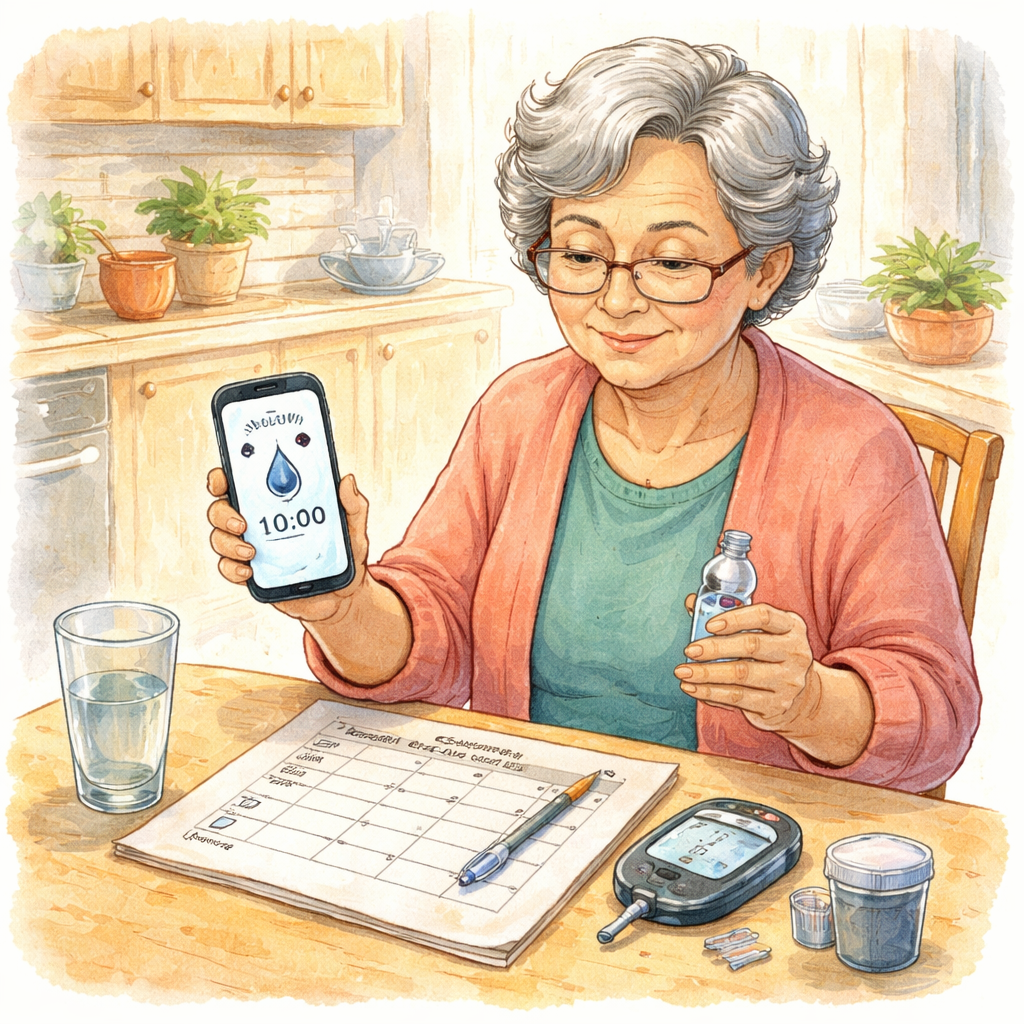
Your doctor will prescribe eye drops that fight inflammation and prevent infection. Use them exactly as the schedule says, missing a dose is like leaving a door open for germs. A handy way to remember is to set reminders on your phone or keep a printed chart beside your bed.
Follow the cataract surgery follow-up schedule your surgeon gave you, usually a visit at one week and another at one month. During these checks the doctor will look for any sign of fluid buildup, which diabetics are more prone to.
While you’re watching your eye heal, you might wonder about overall wellness. Some readers find that looking at calming stones, like pyrite, helps them stay relaxed during recovery, see Exploring Pyrite Metaphysical Properties for a quick read.
Finally, protect your eyes from bright light and keep a clean environment, no dust, no smoke. If you notice redness, pain, or sudden blur, call the clinic right away, early care makes a big difference. A good night's sleep also speeds up healing.
Step 1: Prepare for Surgery
Before you walk into the operating room, get your body ready like you would for a big test. Keep your blood sugar steady, stay hydrated, and get plenty of rest the night before. A calm mind helps your eyes heal faster.
Ask your GP or diabetes nurse to check your meds. A small tweak in insulin timing can stop a sudden sugar spike that might cause swelling after the cut. Write down the new schedule so you don’t forget it.
Pack a small care kit for the day of surgery. Include your eye drops, a clean washcloth, and a phone charger. Put the kit in a zip‑bag you can slip into your coat pocket. This way you won’t scramble for supplies when the nurse calls you in.
While you wait, review the cataract surgery aftercare checklist to make sure nothing is missed. The list covers drop timing, activity limits, and warning signs like sudden pain or blurry vision. Tick each item as you go – it feels good to see progress.
Plan your meals for the first 48 hours. Choose low‑glycemic foods like oats, berries, and eggs. Avoid sugary drinks that can cause a quick rise in blood sugar. A steady level helps the eye’s tiny stitches stay closed.
Set up a quiet recovery zone at home. Dim the lights, keep pets out of the room, and have a soft pillow ready. A calm space cuts down on eye strain and lets you nap when you feel tired.
Finally, think about what you’ll do if something feels off. Keep the clinic’s emergency number on the fridge, and know the nearest pharmacy that sells your prescribed eye drops.
Step 2: Immediate Post‑Op Care
Right after the surgery your eyes feel strange. They may be gritty, watery, or a bit blurry. That feeling is normal, but you still need to act fast to keep infection away and help healing.
Protect your eyes right away
Wear the shield or goggles your surgeon gave you as soon as you get home. The shield stops dust and bright light from irritating the eye. If you have to move around, keep the shield on until you’re back in a low light room.
Start your drop routine
Pick up the first drop within the first hour. Your doctor will have given you anti‑inflammatory and antibiotic drops. Put one drop in the operated eye, close the lid gently, and press a finger at the inner corner for a minute. This stops the drop from draining out too fast.
Set a timer on your phone for each dose. A simple alarm says “drop time” and you won’t miss a beat. Missing a dose is like leaving a door open for germs.
Watch your blood sugar
High sugar can slow healing and raise infection risk. Check your level at least twice a day for the first 48 hours. If it’s high, sip water and take any meds your doctor advised.
Rest, but stay upright
Sleep with your head raised on a few pillows. This cuts pressure on the eye and helps fluid drain correctly. Avoid lying flat for the first night.
Get up to use the bathroom, but move slowly. A sudden head turn can increase pressure and cause discomfort.
Know the warning signs
If you see a lot of red, feel sharp pain, or notice sudden vision loss, call the clinic right away. Those could be signs of infection or a pressure spike.
Most patients feel better after a couple of days. Keep the checklist handy so you don’t forget any step. For a quick reference, check out the cataract surgery aftercare checklist that Dr Rahul Dubey recommends.
Take each tip one at a time. Your eyes will thank you, and your recovery will stay on track.
Step 3: Manage Blood Sugar After Surgery
Keeping your blood sugar steady after cataract surgery is as important as the eye drops. A spike can cause swelling, blurry vision, or slower healing.
First thing: check your glucose right before you put any drop in. If the number is higher than your usual range, have a small snack – a few crackers, a piece of fruit, or a handful of nuts. This quick fix can bring the level down without a big insulin jump.
Set a reminder on your phone for each drop time and add a note to check your sugar. You’ll see the pattern quickly and can spot any trend.
Here’s a simple three‑step routine you can try:
Measure glucose with your meter.
Record the reading in a notebook or app.
If the reading is above your target, eat a low‑glycemic snack and re‑measure after 15 minutes.
Imagine you’re at a café on the first afternoon after surgery. You’re about to take your 10 am antibiotic drop, but you feel a bit light‑headed. You pull out your meter, see 180 mg/dL, grab a half‑banana, wait, re‑check after 15 minutes, 140 mg/dL, then go ahead with the drop. That small pause can keep the eye from swelling.
Talk to your diabetes nurse about adjusting medication for the first week. Many find that a short‑term reduction in rapid‑acting insulin helps avoid lows when meals are smaller.
Stay hydrated. Dehydration can push sugar higher and make the eye feel dry. Aim for six glasses of water a day, but sip slowly if you feel full.
Physical activity also helps. A gentle 10‑minute walk after a drop can lower sugar a bit and boost circulation to the eye. Just avoid heavy lifting or bending for the first 48 hours.
For a quick visual guide, check out the Cataract Surgery Aftercare Checklist: Your Complete Post‑Op Guide. It lays out the timing for drops, meals, and sugar checks in one easy table.
If you like digital tools, you might try a free blood‑sugar tracker like the one mentioned on EchoApply . It lets you log readings, set alerts, and see trends without extra cost.
Finally, keep a log of any symptoms – blurred vision, extra tearing, or unusual fatigue. Share this with Dr Dubey at your follow‑up. Early tweaks can keep your recovery on track.
Step 4: Eye‑Drop Regimen & Monitoring
Now that you’ve steadied your sugar, it’s time to lock in the eye‑drop routine. A steady drop schedule is the single biggest thing that keeps infection out and swelling down.
Pick a time and stick to it
Pick two moments a day that fit your life – for most people that’s after breakfast and before bedtime. Set a phone alarm with a label like “drop time”. When the alarm sounds, pause, check your glucose, then put the drop in. The pause lets the medicine soak in before you move.
If you miss a dose, don’t double up. Just take the next dose at the regular time and note the miss in your log.
Watch for warning signs
Redness that spreads, sharp pain, or a sudden blur means you need to call the clinic right away. Same goes for any new tearing or a feeling of pressure behind the eye.
Write down what you see, when you saw it, and what drop you used. A short note like “12 pm – redness, ciprofloxacin” is enough.
Use a simple tracking sheet
A quick table with columns for time, drop name, glucose reading, and symptoms works well. You can print it or jot it in a phone note. Seeing the pattern over a few days helps you and your doctor spot anything odd.
For a ready‑made version, check out the complete aftercare checklist. It lines up drop times with meals and sugar checks in one clear view.
Keep your eyes upright while you wait for each drop to work. A few pillows under your head keep pressure low and let fluid drain properly.
Remember to stay hydrated. Water helps the eye tissue heal. Sip a glass of water after each drop if you can.
By the end of the first week you should see less irritation and clearer vision. If anything feels off, note it and call Dr Dubey’s office. Early tweaks keep your recovery smooth.
Step 5: Follow‑Up Appointments & Warning Signs
After you finish the first week of drops, the real test begins: showing up for your follow‑up visits and knowing when something feels off.
Schedule the must‑have check‑ups
Most surgeons in Sydney ask you back at 1 week and again at 1 month. Mark those dates in your phone calendar the same way you set your drop alarms. If you miss a slot, call the clinic within 48 hours to re‑book – a small delay can hide early signs of infection.
What the doctor will look for
During the visit the eye doctor checks for swelling, redness, and fluid buildup. They also test your vision sharpness and measure eye pressure. For diabetic patients, a gentle pressure check helps catch hidden spikes that can slow healing.
Warning signs you shouldn’t ignore
Keep an eye on these red flags. If you notice any of them, pick up the phone right away.
Sudden pain that doesn’t fade in a few minutes.
Redness that spreads or is accompanied by a gritty feeling.
Blurred or hazy vision that lasts longer than a week.
Flashes of light or a curtain‑like shadow in the side of your view.
Increasing light sensitivity that makes you squint or shut your eyes.
These symptoms match what the American Academy of Ophthalmology warns about as common post‑surgery issues. Acting fast can stop a problem before it becomes serious.
Quick self‑check routine
Every evening, spend two minutes doing a simple sweep:
Look at your eye in a well‑lit mirror. Note any new redness or swelling.
Read a line of text. If it’s still blurry after a week, write it down.
Touch the eyelid gently. If it feels unusually sore, record the time.
Write these notes in the same notebook you use for your drops. Bring the page to the clinic – it gives the surgeon a clear picture.
Appointment | When to Go | What to Watch For |
1‑week check‑up | 7 days post‑op | Swelling, pressure, early infection signs |
1‑month check‑up | 30 days post‑op | Vision clarity, dry eye, residual haze |
Any urgent visit | When red flag appears | Pain, rapid vision loss, flashes, severe redness |
Remember, you don’t have to figure this out alone. Dr Rahul Dubey’s team in Sydney offers easy appointment booking and clear guidance for diabetic patients.
For a handy reminder of how to keep your eye‑drop routine on track, see Your Cataract Surgery Eye Drop Schedule: A Practical Guide. It ties the drop timing to your follow‑up plan.
And if you’re curious about keeping your accessories safe while you heal, check out this guide on travel jewelry care How to Choose and Care for a Diamond Veneer Travel Jewelry Set for Women .
Frequently Asked Questions
How soon after surgery should I start my eye‑drop regimen?
Most surgeons tell you to begin the first drop as soon as you get home, usually within an hour. Check the eye’s surface first, it should feel clean, not gritty. Put the drop in, close the eye gently and blink a few times to spread it. If you miss a dose, take it as soon as you remember, but don’t double up.
What if my blood sugar spikes right after I use a drop?
High sugar can make the eye swell a bit. First, pause the drop and grab a low glycaemic snack, a few crackers or a small piece of fruit. Check again your level after 15 minutes; if it’s back in range, go ahead with the drop. Keep a short note of the reading so you can show it at your check up.
When are the key follow‑up appointments I must not miss?
The first check up is usually 7 days after surgery, the second at about 30 days. Mark both dates in your phone calendar just like you do for drop alarms. If you can’t make a visit, call the clinic within two days to rebook, a late visit can hide early signs of infection.
What warning signs mean I need to call the clinic right away?
Call immediately if you feel sharp pain that doesn’t ease, see a sudden increase in redness, notice blurry vision that lasts more than a day, or spot flashes or a dark curtain in part of your view. These symptoms can signal infection or pressure problems that need fast treatment.
Is it safe to drink alcohol while I’m healing?
Alcohol can affect blood sugar and may thin the blood, both of which can slow healing. Most doctors suggest avoiding it for at least two weeks. For a clear guide on this topic, see Can you drink alcohol after cataract surgery?
How can I keep my eye clean without risking infection?
Wash your hands with soap before touching any eye area. Use a clean, damp cloth to gently wipe away any discharge, never rub. If you need to rinse, use sterile saline drops rather than tap water. Keep pillows and bedding fresh; change them if they get damp.
Conclusion
You’ve made it through the whole plan for cataract surgery aftercare for diabetic patients.
Remember, steady blood sugar, on‑time eye drops, and quick action on any warning sign are the three pillars that keep your vision clear.
Set alarms, keep a simple notebook, and call the clinic the moment pain, redness, or sudden blur shows up. A short call can stop a problem before it grows.
Keep your home low‑light, avoid rubbing, and stay away from alcohol for at least two weeks. Small habits like washing hands before each drop make a big difference.
If you feel unsure, a quick check‑in with Dr Rahul Dubey’s Sydney clinic can give you peace of mind and tweak any part of the routine.
Stick to these steps and you’ll give your eye the best chance to heal fast and safely.
Take it day by day, and trust the process, you’ll see improvement.
Comments