


Cataract Surgery Aftercare Checklist: Your Complete Post‑Op Guide
- 2 hours ago
- 8 min read
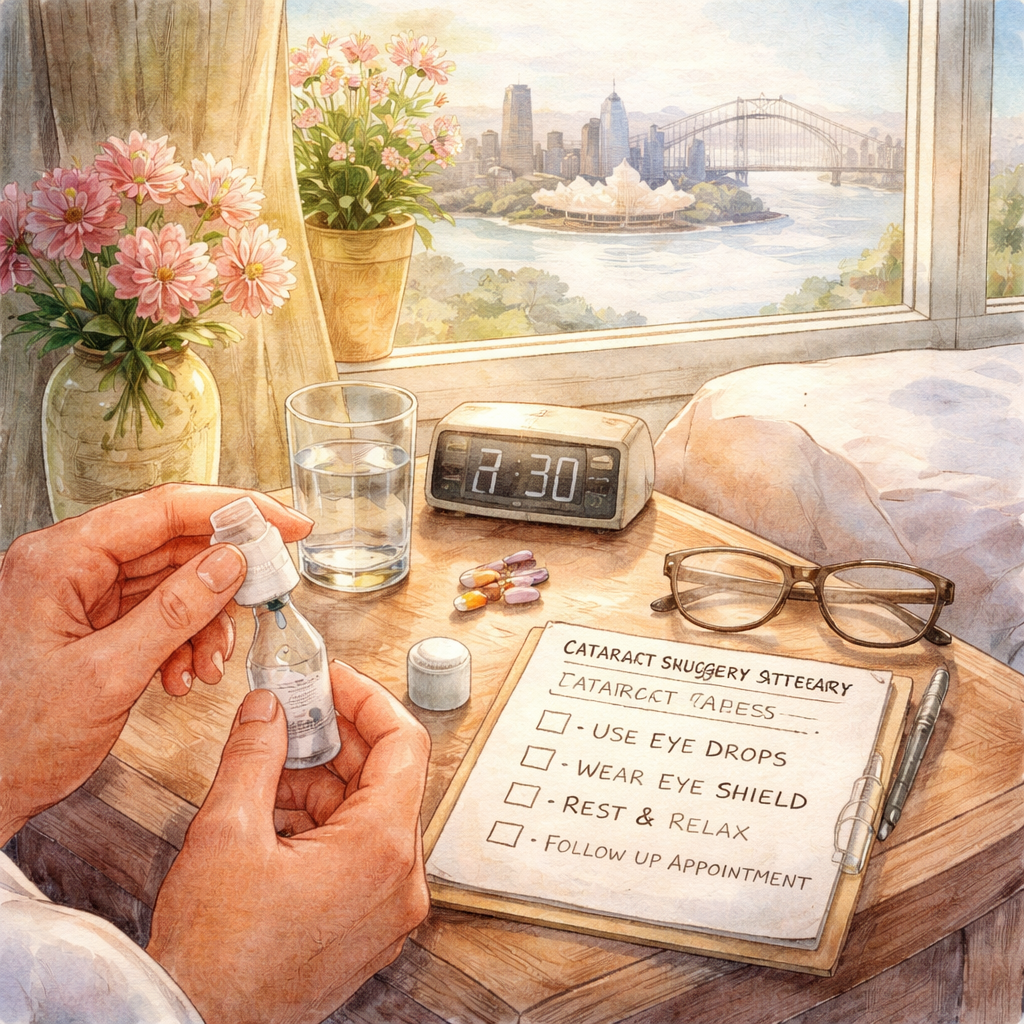
Getting ready for life after cataract surgery is a real test of how well you follow a plan.
Too many people think the eye will just bounce back on its own. In reality, a simple cataract surgery aftercare checklist can mean the difference between a smooth recovery and a frustrating set‑back.
In the next few minutes you’ll see the exact steps you need to take – from the moment you leave the operating theatre to the first week at home. We’ll cover eye‑drop schedules, activity limits, when it’s safe to drive, and how to spot warning signs that need a call to Dr Rahul Dubey.
Think of the checklist as a pocket‑size coach that nudges you at the right time. You’ll know exactly what to do each day, so you won’t waste time guessing or risk complications.
By the end of this guide you’ll feel confident you’ve got the right routine in place, and you’ll be ready to get back to the things you love—reading, gardening, or simply enjoying clearer vision.
Skipping a single step, like missing a drop, can delay healing and cause glare. That’s why sticking to the list is worth the few minutes each day.
Step 1: Immediate Post‑Surgery Care (First 24 Hours)
Right after you step out of the theatre, your eye will feel a bit gritty and bright. That’s normal. The first 24 hours are all about keeping the eye clean, calm, and moist.
Start your drop routine as soon as the nurse hands you the bottles. Usually it’s a mix of antibiotic, steroid, and lubricating drops. Put one drop in the eye, close your lid for a count of ten, then gently press the inner corner of the eye for a minute. Repeat for each bottle, waiting a minute between them.
Shield the eye with the protective cover the clinic gave you. Wear the shield while you nap, and avoid rubbing or pressing on the eye. If you need to sleep, lie on your back or side with the shield on – never on the operated side.
Don’t rush back to screens or bright lights. Dim the lights, use a cool compress if you feel warmth, and keep your head slightly elevated. If you notice sudden pain, heavy bleeding, or a big drop in vision, call Dr Rahul Dubey right away.
For a deeper walk‑through of the whole recovery plan, check out Postoperative Care for Cataract Surgery: A Step‑by‑Step Guide. It lines up each day’s tasks with the checklist you’re building.
Take a breath. Follow the drop schedule, keep the shield on, and give your eye a quiet space. You’ll wake up tomorrow feeling steadier and ready for the next steps.
Step 2: Protecting Your Eye and Managing Medications (Days 2‑7)
Day 2 onward the eye still feels odd. It might be gritty or a little sore. That’s normal, but you need to keep it safe.
Wear the shield every night
The night shield stops you from rubbing the eye while you sleep. Armadale Eye Clinic notes that most surgeons ask patients to wear it for about a week after the operation. Keep it on for the whole night and also when you nap.
Keep using the drops
Continue the drop schedule your surgeon gave you. A common pattern is one drop four times a day for the first week. Set a phone alarm so you don’t miss a dose. If a drop blurs your vision for a minute, just close the eye and press the inner corner for a few seconds, that keeps the medicine where it belongs.
Tip: if you ever forget, a quick glance at the How Soon Can You Drive After Cataract Surgery guide reminds you why staying on schedule matters.
Avoid strain
No heavy lifting, no bending over to pick up heavy bags, and no vigorous housework that makes you sweat. If you feel sharp pain, sudden loss of vision, or swelling that gets worse, call the clinic right away.
Light activities like reading, watching TV, or short walks are fine. Keep water away from the eye, a gentle splash is okay if you tilt your head back, but don’t wash directly on the eye.
By the end of day 7 you should notice the redness fading and the vision becoming clearer. Keep following the checklist and you’ll be on track for a smooth recovery.
Step 3: Activity Restrictions and Vision Recovery (Weeks 1‑2)
The first two weeks feel like a pause button on your normal life. Your eye is still sealing the tiny cut and the new lens is settling in.
What you can do
Stick to short walks, gentle stretching, reading a book, or watching TV. Light chores like washing dishes or folding laundry are fine as long as you keep your head upright.
What to avoid
No heavy lifting, no bending over to pick up bags, and no vigorous housework that makes you sweat. Skip swimming, jogging, or any sport that could jostle the eye.
Shower safety
When you’re cleared to shower, tilt your head back and let the water flow away from the eye. Don’t spray water straight onto the eye. For exact timing see When Can You Shower After Cataract Surgery?
Exercise and driving
The American Academy of Ophthalmology says you can start very light walking the day after surgery, but hold off on jogging or cycling for at least a week. If you need to drive, ask your doctor for clearance; many patients wait 7‑10 days.
Vision changes
Blur, light flashes, or a feeling of grit are normal as the brain adjusts. If you see a dark curtain, feel sharp pain, or lose vision quickly, call the clinic right away. Vision usually clears up over 2‑3 weeks, according to the Vision Institute .
Quick checklist for weeks 1‑2
Wear eye shield at night.
Follow drop schedule four times a day.
Do short walks, no more than 15 minutes.
Avoid lifting >5 kg, bending, or swimming.
Call the clinic if pain, redness, or vision loss worsens.
Step 4: Follow‑Up Appointments & Warning Signs (Weeks 2‑6)
By the end of week two you’ll start feeling steadier, but the eye still needs a watchful eye. That’s why a solid follow‑up plan matters. Miss a visit and you could miss a problem that’s easy to fix.
Key follow‑up visits
Most surgeons schedule a check‑up at day 7, then again at week 3 and week 6. At each visit the doctor will look for inflammation, check your pressure, and make sure the new lens sits right. If you’re in Sydney, the cataract surgery follow‑up schedule page shows the exact timing you can expect.
Tip: write the date on a calendar as soon as you get the appointment card. A quick phone call if you can’t make it can keep the timeline on track.
Red‑flag warning signs
Not all blur or light flashes are normal. Keep an eye out for these signals and call the clinic right away:
Symptom | Possible issue | What to do |
Sudden dark curtain or loss of side vision | Possible retinal detachment | Call the clinic immediately; go to the nearest emergency eye unit. |
Sharp, stabbing pain or increasing redness | Infection or severe inflammation | Contact your surgeon; they may prescribe stronger drops or antibiotics. |
Persistent glare, halos, or vision not improving after a week | Posterior capsule opacity or lens positioning issue | Schedule an extra review; a YAG laser capsulotomy might be recommended. |
Most warning signs appear early, but they can surface up to six weeks after surgery. Trust your gut – if something feels off, it probably is.
Finally, keep using your prescribed drops until the doctor tells you otherwise. Even if your sight looks great, the medication helps keep inflammation down and lowers the risk of late‑stage complications.
Step 5: Long‑Term Eye Health and Lifestyle Tips (Beyond 6 Weeks)
Now that you’ve passed the six‑week mark, the real work begins. Your eye still needs care to stay clear for years.
Keep the drops going if your doctor told you to. Even a tiny dose once a day can keep inflammation low.
Guard your eyes from UV. Slip on sunglasses with 100 % UV protection whenever you step outside. The Pacific Vision guide on long‑term eye health says UV damage can slow healing and cause future problems.
Stay hydrated. Aim for eight glasses of water a day. Good moisture helps the tear film and cuts dry‑eye risk.
Eat eye‑friendly foods. Think orange carrots, leafy greens, berries, and fish rich in omega‑3. Those nutrients act like armor for your retina.
Give your screens a break. Follow the 20‑20‑20 rule: every 20 minutes look at something 20 feet away for 20 seconds. It eases strain and keeps your vision sharp.
Make your home bright but soft. Use a lamp with a warm shade for reading. Avoid glare from shiny surfaces.

Keep active, but be smart. Light walks, gentle yoga, or a calm bike ride are fine. If you’re wondering about sleeping posture, check the Can You Sleep on Your Side After Cataract Surgery guide for tips that protect your eye while you rest.
Schedule regular eye checks. Even if you feel fine, a yearly exam catches issues early. Your surgeon will check pressure and lens position.
If you notice new glare, flashes, or sudden blur, call the clinic right away. Better safe than sorry.
Pick low‑impact hobbies like gardening or painting. If your eyes feel dry, a drop from your regimen can keep them comfortable.
Conclusion
You’ve made it through the whole cataract surgery aftercare checklist. That alone shows you care about a smooth recovery.
Stick to the simple habits you’ve read. Keep the drops on schedule, protect your eye at night, and give screens a break.
If any new glare, pain, or sudden blur shows up, call the clinic right away. Early action can prevent bigger issues.
Remember, your surgeon in Sydney knows the local nuances and will guide you through any questions. A quick check‑in every few weeks keeps you on track.
Take the checklist with you, set phone reminders, and enjoy clear vision sooner. When you feel ready, you’ll be back to reading, gardening, and those sunny balcony moments you love.
If you need a reminder or a quick chat about your progress, feel free to book a follow‑up with Dr Rahul Dubey’s clinic. Staying proactive today means brighter days ahead.
FAQ
How soon should I start using my eye drops after cataract surgery?
You should begin the drops as soon as the nurse hands them to you, usually within the first hour after the operation. Wash your hands, tilt your head back, pull down the lower lid and squeeze the prescribed drop. Keep the eye closed for a minute and press the inner corner for a few seconds. This helps the medicine stay where it belongs and reduces redness.
What warning signs mean I need to call the clinic right away?
Call the clinic immediately if you notice any sudden dark curtain across your vision, sharp stabbing pain, increasing redness, or a rapid loss of sight. Also watch for flashes of light that don’t go away, swelling that gets worse, or any new glare that persists after a week. These symptoms could indicate infection, retinal issues, or other complications that need prompt attention.
Can I wear contact lenses while I’m recovering?
It’s best to avoid contact lenses until your surgeon gives you the all‑clear, usually after the final follow‑up around six weeks. Lenses can trap bacteria and irritate the healing eye. If you need vision correction in the meantime, use the prescribed glasses and keep the eye shield on while you sleep.
When is it safe to drive after cataract surgery?
Most patients wait 7‑10 days before getting behind the wheel, but the exact timing depends on how quickly your vision stabilises. Check with Dr Rahul Dubey’s clinic for a clearance note. Make sure you can read road signs, see depth, and react to traffic without glare before you start driving again.
How do I protect my eye while I’m sleeping?
Wear the protective eye shield or the night glasses your surgeon gave you every night. This stops you from rubbing the eye while you toss and turn. Keep the shield on for at least a week, and avoid sleeping on the operated side unless your doctor says it’s okay. A simple habit like this can prevent accidental bumps.
Comments