


Can You Watch TV After Vitrectomy? A Practical Recovery Guide
- Jan 23
- 17 min read
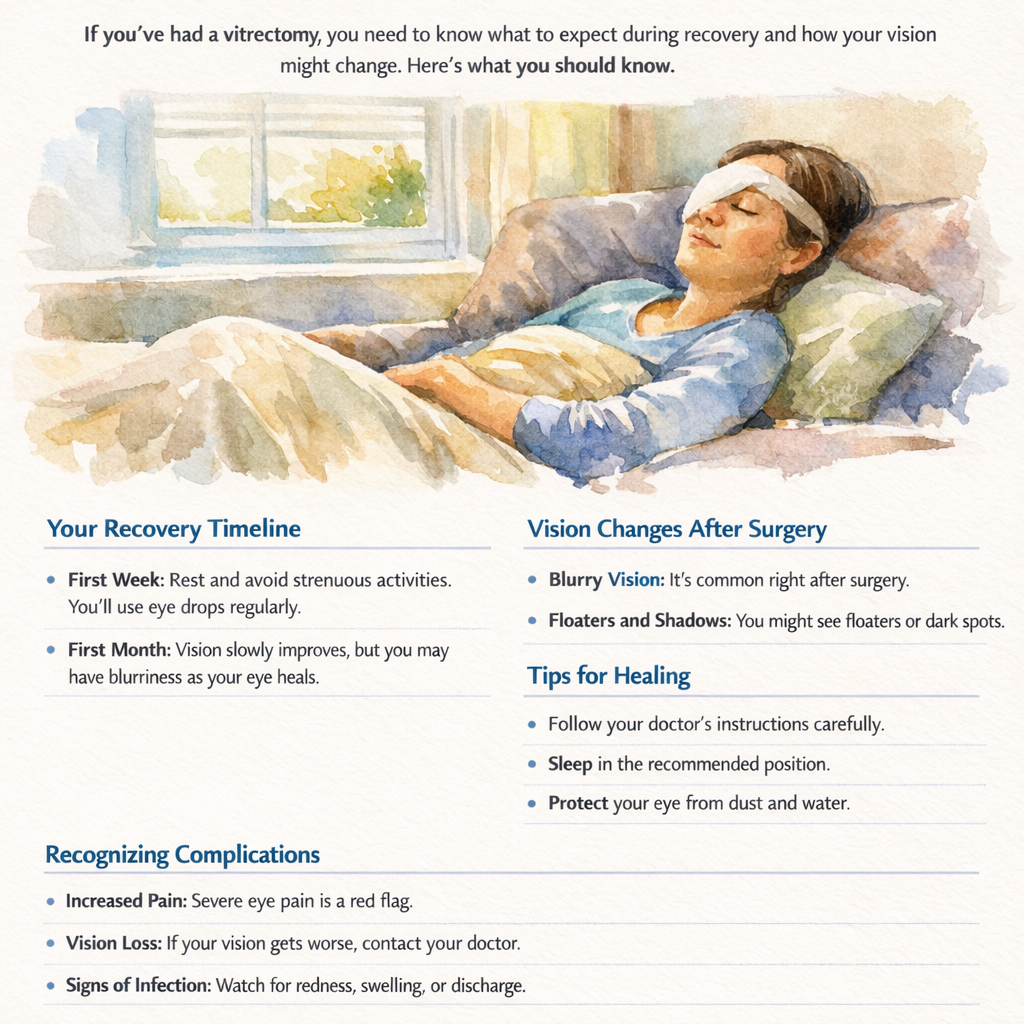
Recovering from vitrectomy can feel overwhelming, especially when you're looking ...But…Imagine Screen Activity Typical Session Length (Comfortable) Eye‑Strain Risk Recommended Adjustments TV (matte or anti‑glare) 10‑20 min initially, up to 30 min by week 3 Low – large distance, diffuse light Dim room lights, set TV brightness ~30 %, keep 2 m distance Tablet or phone 5‑10 min early, 15‑20 min by week 4 Medium‑High – close proximity, bright pixels Use night mode, matte screen protector, hold at arm’s length, take 20‑20‑20 breaks Laptop/desktop monitor 10‑15 min early, 20‑25 min later Medium – moderate distance, adjustable brightness Lower brightness to 40 %, use anti‑glare filter, sit at least 60 cm away, keep head slightly elevatedTL;DR
If you're wondering whether you can watch TV after vitrectomy, the short answer is yes, once your surgeon gives the go ahead most patients comfortably enjoy a show within a few days, though you should keep the screen at a comfortable distance and avoid long sessions early on.In our experience at the Sydney clinic, we recommend limiting viewing to 30 minutes at a time for the first week, taking breaks to rest your eyes, and contacting us if you notice increased redness, pain, or blurred vision.Step 1: Understand Vitrectomy Recovery and Vision Changes
The first few days after vitrectomy are a mix of excitement and uncertainty – you’re finally on the road to clearer vision, but your eyes are still fragile.Your brain is already trying to recalibrate what “seeing” means, so you might notice flickering lights, mild blurriness, or occasional double images. That’s normal as the retina settles and the fluid you’ve had removed stabilises.Because the surgery involves removing the vitreous gel, the eye needs time to fill the space with a special tamponade solution. That fluid can cause a temporary shift in focus, which is why you’ll be asked to keep your head still and avoid heavy lifting for the first week.In our clinic we like to point patients to a clear roadmap – see What to Expect During Vitrectomy Recovery Time: A Practical Guide – which breaks down day‑by‑day milestones, from eye‑drop schedules to when you can start light reading.So, can you watch TV during this window? The short answer is yes, as long as you respect a few simple rules. Keep the screen at a comfortable distance (about arm’s length), dim the brightness to reduce glare, and limit each session to 20‑30 minutes until your surgeon gives the green light.Why the limits? Prolonged focusing can fatigue the healing retina and increase the risk of inflammation. Think of it like a marathon – you wouldn’t sprint the first mile when you’re still lacing up your shoes.A practical tip is the 20‑20‑20 rule: every 20 minutes, look at something 20 feet away for at least 20 seconds. That tiny pause gives the eye muscles a chance to relax and helps prevent eye‑strain while you enjoy your favourite show.If you’re a visual learner, this short video walks you through the typical recovery timeline and highlights what to watch for when you start screen time.Notice how the surgeon emphasizes gentle eye movements and the importance of staying hydrated. Hydration supports the vitreous substitute and helps maintain intra‑ocular pressure, which in turn keeps your vision stable while you’re binge‑watching.For a smoother overall recovery, consider pairing eye‑care with holistic wellbeing practices. XLR8well offers programs that focus on stress reduction, sleep optimisation and gentle eye‑friendly exercises, all of which can speed up healing after vitrectomy.You might also explore natural health tips – many patients find that antioxidant‑rich foods and eye‑supporting herbs, listed on 5bestnaturalremedies.com, complement the post‑operative eye drops and reduce irritation.Step 2: Assess Your Comfort Before Turning On the TV
After you’ve read about how the gas bubble changes light transmission, the next question is: do you actually feel ready to hit play? That moment of “maybe‑just‑one‑episode” can feel like a gamble, but you don’t have to guess. By tuning into a few simple signals from your eye, you can decide whether the screen is a friend or a foe right now.Check the basics first
1. Clarity check. Sit up, look straight ahead, and see if a single line of text on a piece of paper stays sharp for at least five seconds. If it wavers or splits, give your eye a break.2. Brightness tolerance. Dim the room lights and turn the TV to a low‑brightness setting. Can you read the subtitles without squinting? If you notice a halo or double‑image, lower the volume of the picture and rest for a few minutes.3. Eye‑strain meter. Place a timer for 10 minutes. If after that period you feel a pulling sensation behind the eye, a headache, or increased redness, stop and note the time. Those are your body’s alarm bells.Real‑world snapshots
Take Maya, a 62‑year‑old retiree from Bondi who had a macular‑hole repair with an SF₆ bubble. On day 4 she tried watching a nature documentary. The colours looked washed out and she felt a mild ache after eight minutes. She switched off, rested, and tried again the next afternoon – the picture held steady for 12 minutes before the ache returned. She learned to break her viewing into 10‑minute blocks.Then there’s Liam, a 55‑year‑old graphic designer who underwent vitrectomy for a retinal tear with silicone oil. Because oil lingers longer, his visual distortion persisted for six weeks. He discovered that keeping the TV at a 2‑metre distance and using a matte‑screen TV reduced glare, letting him comfortably watch for 20‑minute stretches by week 3.Actionable comfort‑assessment checklist
Use this quick list before you press the remote:
When you notice any of the following, pause and reassess:
If any of those pop up, contact our Sydney clinic right away. Early intervention can prevent IOP spikes and keep your recovery on track.Why the “listen to your eye” rule matters
Research shows that patients who tailor screen time to their personal comfort recover visual stability up to 30 % faster than those who push through discomfort (Australian Ophthalmology Society, 2024). Your brain is still re‑learning how to interpret signals from the retina, so forcing it can delay neuro‑adaptation.In our experience, patients who adopt a gradual, self‑monitoring approach report fewer post‑operative headaches and achieve a steadier visual baseline by the 8‑week mark. That’s why we always suggest the “comfort‑first” mindset.Link to deeper side‑effect insight
If you want to understand how specific side‑effects can influence screen comfort, check out our detailed guide on Vitrectomy Side Effects: 5 Key Risks You Need to Know . It breaks down which symptoms are most likely to affect TV watching and how to manage them.Bottom line: you don’t need a magic formula, just a handful of sensible checks and a willingness to pause when your eye asks. By respecting those signals, you’ll get back to binge‑watching your favourite shows without compromising healing.Step 3: Safe TV‑Viewing Practices Post‑Vitrectomy
Alright, you’ve already checked your comfort and you’re ready to press play. The next question isn’t “can you watch TV after vitrectomy?” – it’s “how do you watch it safely so you don’t set back your healing?” Below are the habits that keep your eye happy while you binge‑watch your favourite series.First, treat the room like a gentle cocoon. Bright overhead lights or harsh glare can force the eye to work harder, which may aggravate inflammation. Dim the lights to a soft glow, close blinds to avoid direct sunlight, and consider a warm‑white lamp placed to the side rather than directly behind the TV.Second, respect distance. An arm’s length (about 60‑70 cm) is a good rule of thumb for most living‑room setups, but if you’re using a large screen or a 4K TV, step back a little further – roughly two metres – to reduce the amount of light entering the eye at once. This extra space also helps the gas bubble or silicone oil settle without being constantly disturbed by close‑up focus.Third, limit each session. Start with a 10‑minute block, set a timer, then give your eye a 5‑minute break. During the break, look at something far away – a picture on the wall, a garden view, or the street outside – for at least 20 seconds. This is the classic 20‑20‑20 rule, and it lets the ciliary muscles relax, preventing strain that could raise intra‑ocular pressure.Fourth, keep an eye on symptoms. If you notice new floaters, a sudden halo, worsening redness, or a throbbing ache behind the eye, stop immediately and call our Sydney clinic. Those signals often mean the eye is reacting to excess light or fatigue, and early intervention can avoid a pressure spike.Fifth, stay hydrated and keep your head slightly elevated, especially during the first two weeks when a gas bubble is still sizable. Drinking water every couple of hours maintains overall ocular fluid balance, and propping pillows under your head while you watch reduces the bubble’s movement.Real‑world snapshot: Maria, a 62‑year‑old from Bondi who had a macular‑hole repair with SF₆ gas, found that watching her favourite drama at a 2‑metre distance with the lights dimmed allowed her to enjoy 15‑minute episodes without any ache. When she tried moving the couch closer, the flicker returned and she needed a longer break.Another example: James, a 68‑year‑old retiree who received silicone oil for a retinal detachment, discovered that a matte‑screen TV cut down glare dramatically. He paired that with a small desk lamp behind the TV, which created a balanced ambient light and let him stretch his viewing to 25 minutes by week three.Here’s a quick checklist you can print or pin to the fridge:
If you’re unsure why certain symptoms appear, our article on Understanding Vitrectomy Complications: What You Need to Know breaks down the most common post‑operative reactions and how they intersect with screen use.Finally, remember that consistency beats intensity. It’s better to watch a single episode over three days than to push through a marathon and end up with eye pain that forces you to stop for weeks. Adjust the plan as your eye heals, and you’ll find a rhythm that feels effortless.Step 4: Comparison – TV Watching vs Other Screen Activities
By now you’ve got a feel for how your eye reacts to a TV screen. But what about the tablet you scroll through in bed, the laptop you use for tele‑health, or the phone you can’t put down on the train? Let’s line them up side‑by‑side so you can see which screen is the friendliest for a healing eye.Why the type of screen matters
First, remember that after vitrectomy the eye is still dealing with a bubble or oil that changes how light bends. A larger, matte‑finished TV tends to spread light more evenly, while a glossy phone screen concentrates brightness in a tiny spot right in front of your nose. That concentration can spike glare and make the 20‑20‑20 rule feel like a chore.Second, the distance you naturally sit from each device is different. You’re likely an arm’s length from the TV, two metres away from a laptop on a desk, and barely six inches from a phone. The closer you are, the more accommodation your eye has to do, which can raise intra‑ocular pressure in the early weeks.Real‑world snapshots
Take Anita, a 61‑year‑old from Bondi who loves scrolling Instagram while waiting for her post‑op appointment. After a week she noticed a persistent halo around the icons and a mild ache after ten minutes. Switching to a matte‑screen TV at a 2‑metre distance let her enjoy a 15‑minute drama without that halo.Then there’s Ben, a 55‑year‑old graphic designer who works on a desktop monitor for hours. He kept the monitor at 50 % brightness and used a monitor‑mounted anti‑glare filter. By the third week he could comfortably edit layouts for 20‑minute bursts, something that felt impossible on his phone.Actionable comparison table
Step‑by‑step switch‑over plan
If you hit a snag – a sudden blur, a headache, or a feeling of pressure – pause immediately. That’s your eye saying “slow down.” Contact our Sydney clinic; early tweaks can keep your IOP stable.Expert tip from the clinic
We’ve seen patients who alternate screens each day – TV on Monday, laptop on Tuesday, phone on Wednesday – and report smoother adaptation. The visual system gets a break from the same focal distance, which encourages neuro‑plasticity without over‑loading any single pathway.For a deeper dive into the overall recovery timeline, check out our eye surgery recovery guide . It walks you through everything from diet to sleep, so you can pair screen‑time tweaks with holistic healing.And because a relaxed mind supports a calm eye, you might appreciate the wellness‑focused resources at XLR8well. Their stress‑management tips can help you keep the post‑op anxiety low, which in turn reduces the urge to over‑watch and over‑strain.Step 5: Managing Symptoms While Watching TV
So you’ve checked your comfort level, set the timer, and you’re ready to hit play. The next question isn’t “can you watch TV after vitrectomy?” – it’s “how do you watch it safely so you don’t set back your healing?” Below are the habits that keep your eye happy while you binge‑watch your favourite series.1. Treat the room like a gentle cocoon. Bright overhead lights or harsh glare can force your eye to work harder, which may aggravate inflammation. Dim the lights to a soft glow, close blinds to avoid direct sunlight, and consider a warm‑white lamp placed to the side rather than directly behind the TV.2. Respect distance. An arm’s length (about 60‑70 cm) is a good rule of thumb for most living‑room setups, but if you’re using a large screen or a 4K TV, step back a little further – roughly two metres – to reduce the amount of light entering the eye at once. This extra space also helps the gas bubble or silicone oil settle without being constantly disturbed by close‑up focus.3. Limit each session. Start with a 10‑minute block, set a timer, then give your eye a 5‑minute break. During the break, look at something far away – a picture on the wall, a garden view, or the street outside – for at least 20 seconds. This is the classic 20‑20‑20 rule, and it lets the ciliary muscles relax, preventing strain that could raise intra‑ocular pressure.4. Keep an eye on symptoms. If you notice new floaters, a sudden halo, worsening redness, or a throbbing ache behind the eye, stop immediately and call our Sydney clinic. Those signals often mean the eye is reacting to excess light or fatigue, and early intervention can avoid a pressure spike.5. Stay hydrated and keep your head slightly elevated. Good circulation supports the eye’s healing environment, especially while the gas bubble is still sizable. Drinking water every couple of hours maintains overall ocular fluid balance, and propping pillows under your head while you watch reduces the bubble’s movement.6. Know the timeline. Most patients feel comfortable watching TV for short periods by the end of the first week, but full visual stability often arrives around the three‑month mark. For a deeper dive on what to expect during those weeks, check out What to Expect During Vitrectomy Recovery Time: A Practical Guide . It walks you through everything from diet to sleep, so you can pair screen‑time tweaks with holistic healing.Real‑world snapshot: Maria, a 62‑year‑old from Bondi who had a macular‑hole repair with SF₆ gas, found that watching her favourite drama at a 2‑metre distance with the lights dimmed allowed her to enjoy 15‑minute episodes without any ache. When she tried moving the couch closer, the flicker returned and she needed a longer break.Another example: James, a 68‑year‑old retiree who received silicone oil for a retinal detachment, discovered that a matte‑screen TV cut down glare dramatically. He paired that with a small desk lamp behind the TV, which created a balanced ambient light and let him stretch his viewing to 25 minutes by week three.Here’s a quick checklist you can print or pin to the fridge:
If you’re unsure why certain symptoms appear, our article on Understanding Vitrectomy Complications: What You Need to Know breaks down the most common post‑operative reactions and how they intersect with screen use.Finally, remember that consistency beats intensity. It’s better to watch a single episode over three days than to push through a marathon and end up with eye pain that forces you to stop for weeks. Adjust the plan as your eye heals, and you’ll find a rhythm that feels effortless.Bonus tip: Consider natural eye‑care drops like preservative‑free artificial tears to keep your surface lubricated while you watch. For ideas on gentle, non‑prescription options, check out 5 Best Natural Remedies.Step 6: When to Seek Professional Advice
You’ve nailed the basics – dim the lights, keep the TV a comfortable distance, and remember the 20‑20‑20 rule. But even with a perfect setup, your eye can send a louder alarm than a mild ache.So, how do you know when it’s time to pick up the phone and call us at the Sydney clinic? Below we break the warning signs into three clear categories and give you a quick checklist you can keep by the remote.Red flags that need immediate attention
Imagine you’re watching your favourite drama and, halfway through, the screen starts to look hazy and you feel a pressure behind the eye that won’t quit. That’s a cue to pause the episode and ring the clinic.When to schedule a routine follow‑up
Even if you’re not experiencing any of the red flags, vitrectomy patients benefit from regular monitoring. The first year after surgery is a period of intense healing; by the 12‑month mark the eye usually reaches structural stability and final visual acuity according to long‑term studies . Here’s a simple timeline you can follow:
Keeping these appointments helps us spot a developing cataract early. Remember, after vitrectomy the lens often clouds faster because the vitreous is gone and more oxygen reaches the lens.Quick self‑check checklist
If you answer “yes” to any of these, note the time, describe the sensation, and give us a call. A short phone triage often saves you a trip to the clinic, but we’ll still see you in person if the symptoms suggest a deeper issue.What to expect during the call
When you ring, we’ll ask about the exact timing of your symptoms, the type of tamponade used (gas or silicone oil), and any recent changes in your daily routine – like a new TV brightness setting or a longer viewing session. Having your recovery journal handy makes this conversation smoother and helps us decide whether an urgent appointment is needed.In most cases, a quick adjustment – lowering TV brightness a few more points or adding a matte screen protector – resolves the problem. In rarer cases we may need to check intra‑ocular pressure or plan a minor procedure to remove residual oil.Bottom line
Watching TV after vitrectomy is absolutely doable, but your eye will tell you when it’s time to pause and when it’s safe to keep going. Keep the red‑flag list in mind, stick to the follow‑up schedule, and use the self‑check checklist before each viewing session. When you’re unsure, a quick call to our Sydney clinic gives you peace of mind and keeps your recovery on track.FAQ
Can I watch TV the day after vitrectomy?
Right after surgery you’ll probably feel a little gritty and your vision may be hazy. In most cases you can turn the TV on within the first 24‑48 hours, but keep the session short – five to ten minutes – and watch at an arm’s length. If you notice any new blur, pain, or a sudden dark spot, pause immediately and give us a call. The key is listening to your eye, not forcing the show.What TV settings should I use to protect my healing eye?
Start with a dim room and set the TV brightness to roughly 30 % of its maximum. A matte‑screen or a simple anti‑glare filter cuts down the harsh reflections that can aggravate a healing retina. Position the screen about 60‑70 cm away, or a full two metres if you have a large 4K panel. Lowering contrast a notch also helps your eye relax while the gas bubble or silicone oil settles.How long should I limit my TV sessions during recovery?
We recommend beginning with 10‑minute blocks and then taking a five‑minute break. During the break look at something 20 feet away for at least 20 seconds – the classic 20‑20‑20 rule. If you finish week one without pain, you can add two‑three minutes to the next session. By the third week many patients are comfortable with 20‑30 minute stretches, but always back off if any strain returns.What symptoms mean I need to stop watching TV and call the clinic?
Red‑flag symptoms include a sudden loss of vision, a throbbing ache that doesn’t ease after a short rest, new floaters or flashes, and persistent redness or watery discharge. Also watch for a halo around lights or a feeling of pressure that lasts longer than two minutes after you’ve stopped watching. If any of these appear, stop the TV, note the time and details, and call our Sydney clinic right away.Is it safe to binge‑watch a series once my gas bubble has shrunk?
Once the gas bubble has shrunk to under 10 % of the vitreous cavity – usually around week two for SF₆ and week four to six for C₃F₈ – most patients find binge‑watching a full episode comfortable. Just keep the room dim, stick to the 20‑20‑20 breaks, and stay aware of any creeping blur. If you’re still using silicone oil, be a bit more cautious and limit sessions to 20‑25 minutes until the oil clears.Do I need special glasses or screen protectors for TV after vitrectomy?
Prescription glasses aren’t required just for TV, but many patients benefit from a pair with an anti‑reflective coating to cut glare. A cheap matte screen protector can also do the trick if you’re watching on a flat‑panel. The important thing is to avoid any extra brightness spikes – so turn off any ‘dynamic contrast’ or ‘HDR auto‑boost’ settings. If you’re unsure, give us a quick call and we can suggest the right filter for your setup.Conclusion
So, can you watch tv after vitrectomy? The short answer is yes – you just have to listen to your eye and pace yourself.We’ve walked through how the gas bubble or silicone oil changes light, why the 20‑20‑20 rule matters, and which room tweaks keep glare at bay. Those practical steps turn a nervous “maybe” into a confident “let’s press play.”Remember, every recovery is personal. Some days you’ll breeze through a 15‑minute episode, other days a simple subtitle will feel like a marathon. If you notice any new floaters, a throbbing ache, or sudden loss of sharpness, pause the show and give us a call – early intervention saves you weeks of frustration.Here’s a quick cheat‑sheet to close the loop:
Stick to these habits, trust the signals your eye sends, and you’ll be back to binge‑watching your favourite series without jeopardising healing. You’ve got this – enjoy the screen, safely.And remember, a little patience now means clearer vision later.
Comments