


Your Post Cataract Surgery Eye Care Routine: A Step-by-Step Guide
- Mar 24
- 8 min read
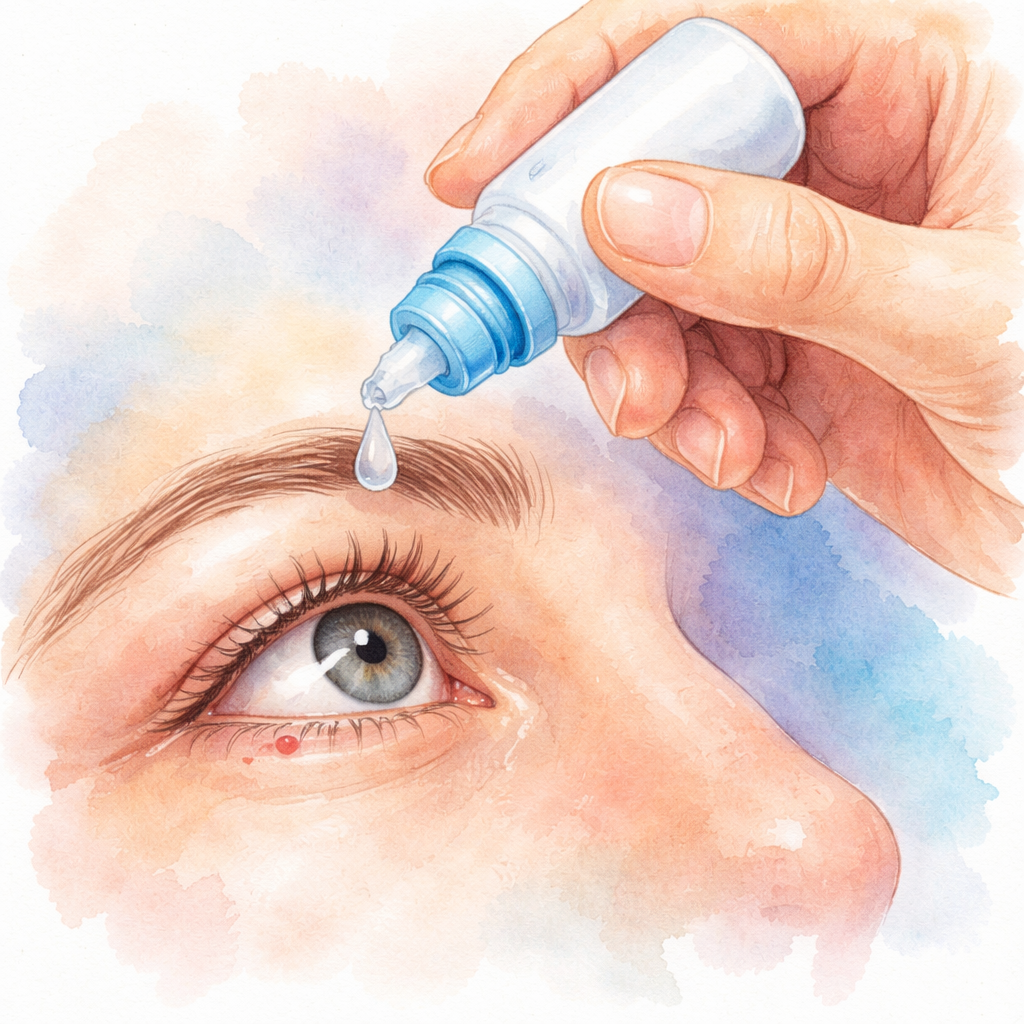
Imagine you just left Dr. Rahul Dubey’s clinic in Sydney after a smooth cataract operation. You feel a light pressure, a faint ache, and a bright glare from the hallway lights. You’re excited to see the world clearer, but you also wonder how to keep that new vision safe. That moment is the start of your post cataract surgery eye care routine. If you ignore the tiny steps that follow, you could face infection, blurry vision, or a longer healing time. Below you’ll find a clear, step‑by‑step guide that walks you through every part of the routine, from protecting your eyes the first night to knowing exactly when to call the surgeon. Follow each tip and you’ll get back to reading, driving, and enjoying Sydney’s sunshine without a hitch.
Step 1: Protect Your Eyes Immediately After Surgery
The first part of any post cataract surgery eye care routine is to shield the eye right after the procedure. Your surgeon will likely place a thin shield over the eye while you rest. Keep that shield on for at least the first night, unless your doctor says otherwise.
Why does this matter? The small incision made during surgery needs time to seal. Any sudden pressure or rubbing can open the wound and invite infection. Here are the key actions you should take:
Wear the protective shield or sunglasses as soon as you get home.
Avoid any direct wind, dust, or bright sunlight for the first 48 hours.
Do not touch or rub the operated eye.
And remember to keep your head elevated while you sleep. This reduces swelling and helps the incision close faster. A simple pillow under your head is enough.
Strenuous activity is another big no‑no. For the first two weeks, avoid lifting more than 10 pounds, bending over, or heavy exercise. According to Pacific Eye Institute’s recovery guidelines , heavy lifting can raise eye pressure and slow healing. Light walking is safe and even helpful; it promotes circulation without stressing the eye.
Here’s a quick checklist you can print:
Keep the eye shield on for the night.
Wear UV‑blocking sunglasses outdoors.
Sleep with head slightly elevated.
Avoid heavy lifting, bending, and vigorous exercise for 14 days.
Do not apply makeup or use face creams near the eye for at least 7 days.
Following these early protections sets the stage for a smooth post cataract surgery eye care routine. For more detailed tips, see Post Cataract Surgery Eye Care Tips Sydney: Your Complete Guide.
External references: Pacific Eye Institute post‑op restrictions , Eye protection recommendations .
Step 2: Managing Eye Drops and Medication
A solid post cataract surgery eye care routine includes a strict eye‑drop schedule. Most surgeons prescribe three types of drops: an antibiotic, an anti‑inflammatory, and a lubricating drop.
How to set up the schedule
Start with the first drop as soon as you’re back home. The typical plan looks like this:
Morning (8 am): Antibiotic drop.
Mid‑day (12 pm): Anti‑inflammatory drop.
Afternoon (4 pm): Lubricating drop.
Evening (8 pm): Repeat antibiotic.
Night (10 pm): Anti‑inflammatory.
Repeat this pattern for the first week. After that, the doctor may reduce the frequency to twice a day for the anti‑inflammatory and once a day for the antibiotic, while you can keep the lubricating drops as needed.
Why each drop matters
Antibiotic drops protect against the rare but serious infection called endophthalmitis. Studies show the risk is between 0.006 % and 0.04 % (Eyewiki review) . Anti‑inflammatory drops reduce swelling and help avoid cystoid macular edema, a condition that can blur vision weeks after surgery. Lubricating drops keep the surface comfortable, especially if you had dry eye before the operation.
Here are three tips to make the regimen stick:
Use a small, clean cup to hold the bottle; tilt your head back and pull the lower lid down.
Count the seconds you keep the drop on the eye; 30 seconds is enough for absorption.
Keep a dosing chart on your nightstand and mark each dose with a check.
Remember to wait five minutes between different types of drops to avoid dilution. If you ever miss a dose, just resume the schedule; there’s no need to double up.
For a printable schedule, visit Your Cataract Surgery Eye Drop Schedule. It lines up perfectly with the post cataract surgery eye care routine.
External references: Eye Center of Texas drop schedule PDF , Eyewiki review of postoperative drops .
Step 3: Daily Activities and Vision Recovery Timeline
Knowing what you can do and when helps you stick to a safe post cataract surgery eye care routine without frustration. Recovery happens in stages, and each stage has its own activity limits.
First 24 hours
The eye’s surface seals quickly, but the inner barrier takes a few weeks. During this time:
Wear the protective shield at night.
Limit screen time to short bursts of 15 minutes.
Take short walks; avoid bending over.
Day 2–7
Most redness and mild discomfort fade. You can:
Read a book with good lighting.
Drive if your doctor clears you (usually after day 2‑3).
Resume light housework that does not involve lifting.
Weeks 2–4
The incision is fully sealed. You may:
Return to gentle exercise like yoga or stationary cycling.
Swim if you wear waterproof goggles and have doctor’s okay.
Start using normal glasses again.
Below is a simple timeline table that matches activities to typical healing days.
Day Range | Allowed Activities | What to Watch For |
0‑1 | Shield on, short walks, limited screen | Increased pain, heavy redness |
2‑7 | Reading, light housework, doctor‑approved driving | Blurred vision lasting >2 days |
8‑14 | Gentle yoga, indoor cycling, normal glasses | Any sudden glare or halos |
15‑30 | Swimming with goggles, moderate exercise, outdoor activities | Persistent dryness or itching |
And here’s a short video that walks you through safe movement after cataract surgery:
When you feel unsure, pause and check the timeline. If an activity feels painful or you notice new redness, hold off and call your eye doctor.
For a deeper dive, see Cataract Recovery Timeline.
External references: Vision Institute recovery timeline , AAO safe exercise and driving guide .

Step 4: Nutrition and Lifestyle Tips for Healing
Food and habits play a quiet but powerful role in a successful post cataract surgery eye care routine. Your eye needs vitamins, minerals, and omega‑3 fats to rebuild tissue and keep inflammation low.
Key nutrients
Focus on foods rich in:
Vitamin C – citrus fruits, strawberries, bell peppers.
Vitamin E – almonds, sunflower seeds, spinach.
Zinc – beans, pumpkin seeds, lean meat.
Omega‑3 fatty acids – salmon, sardines, flaxseed oil.
Lutein and zeaxanthin – kale, broccoli, egg yolks.
These nutrients support the retina and help prevent dry‑eye symptoms that can linger after surgery.
Sample daily menu
Breakfast: Greek yogurt with blueberries and a sprinkle of flaxseed.
Mid‑morning snack: An orange and a handful of almonds.
Lunch: Grilled salmon salad with mixed greens, avocado, and a drizzle of olive oil.
Afternoon snack: Carrot sticks with hummus.
Dinner: Stir‑fried tofu with broccoli, bell peppers, and brown rice.
Evening: A cup of chamomile tea (no caffeine) and a small piece of dark chocolate.
Lifestyle habits
Beyond food, adopt these habits:
Stay hydrated – at least eight glasses of water a day.
Limit screen glare – use a matte screen filter.
Avoid smoking and secondhand smoke, which can worsen inflammation.
Get at least seven hours of sleep; healing hormones peak at night.
Practice gentle eye exercises after the first week, such as slow eye circles, to improve comfort.
Imagine you’re a Sydney surfer who loves the beach. By swapping a sugary snack for a bowl of fresh mango and adding a salmon fillet after each surf session, you’ll give your eyes the building blocks they need to stay clear and strong.
For more ideas, see Cataract Surgery Aftercare for Diabetic Patients, which also covers blood‑sugar control that matters for eye health.
External references: Vinmec post‑cataract nutrition guide , Nethradhama diet tips after cataract surgery .
Step 5: When to Call Your Eye Doctor
Even the best post cataract surgery eye care routine can hit a snag. Knowing the red flags saves vision.
Signs that need immediate attention
Sharp pain that does not ease after a few hours.
Sudden loss of vision in either eye.
Bright flashes or a curtain‑like shadow.
Redness that spreads, especially with swelling.
Persistent light sensitivity that makes you squint.
Floaters that increase rapidly or are accompanied by flashes.
If any of these appear, call your surgeon right away, even if you’re outside normal office hours.
Issues you can monitor
Some problems are less urgent but still need a follow‑up:
Blurry vision that lasts more than a week – could be swelling or a need for glasses.
Dry‑eye feeling that does not improve with over‑the‑counter drops after three weeks.
Glare or halos at night after the first month – often resolve as the brain adapts.
Document the symptom, note the time it started, and mention any recent activities that might have triggered it. This info helps the doctor decide if you need an in‑person visit.
For a quick self‑check, you can use the symptom guide on Dry Eye After Cataract Surgery Treatment Sydney.
External references: AAO guide to cataract surgery side effects , AAO complications overview .
Conclusion
Putting together a solid post cataract surgery eye care routine may feel like a lot of steps, but each one protects the new lens and helps you get back to a clear view of Sydney’s harbor. From the first night’s shield to the daily drop schedule, from gentle walks to a nutrient‑rich diet, every habit adds up. Keep the checklist handy, track your drops, and don’t ignore warning signs. If you follow the routine and stay in touch with Dr. Rahul Dubey’s team, you’ll likely enjoy improved vision within weeks and long‑term eye health for years. Ready to start? Grab the printable aftercare checklist and begin your smooth recovery today.
FAQ
What is the ideal timeline for dropping eye medication in a post cataract surgery eye care routine?
Usually you start with drops four times a day for the first week, then cut back to twice daily for the next two weeks. Your doctor may keep the antibiotic for a full week and taper the steroid over three to four weeks. Stick to the schedule; missing doses can let inflammation linger and blur vision.
Can I drive after the first day if my vision feels clear?
Driving is allowed only after your surgeon signs you off, typically 1‑2 weeks post‑op. Even if you feel good, the other eye may still be adjusting, and depth perception can be off. Take a short test drive with a trusted friend before heading out alone.
How long should I wear sunglasses as part of my post cataract surgery eye care routine?
Sunglasses should be worn outdoors for at least a month, or until the doctor says the eyes have fully healed. UV light can trigger inflammation, and bright glare can cause discomfort. Choose lenses that block 100 % UV and have a wrap‑around style for extra protection.
Is it safe to resume swimming after two weeks?
Most surgeons advise waiting at least two weeks and using tight‑fitting goggles. Chlorine and other pool chemicals can irritate the incision. If you feel any stinging after a swim, stop and rinse the eye with sterile saline, then call your doctor.
What diet changes support a post cataract surgery eye care routine?
Focus on foods rich in vitamin C, vitamin E, zinc, lutein, and omega‑3 fatty acids. These nutrients help reduce inflammation and support retinal health. Hydration and avoiding excess caffeine also aid healing. A balanced plate with fish, leafy greens, nuts, and citrus works best.
When should I be concerned about persistent dry eye after surgery?
If over‑the‑counter artificial tears don’t help after three weeks, it may be a sign of nerve damage from the incision. Talk to your eye doctor about prescription lubricants or a brief course of steroid drops. Ignoring chronic dryness can lead to surface damage and blurry vision.
Comments