


When Can I Wash My Face After Cataract Surgery? A Clear Step‑by‑Step Guide
- Jan 29
- 20 min read

After your cataract surgery, the first thing on your mind is probably getting back to the simple routines you used to take for granted – like washing your face in the morning while the sun streams through the window. I get it; the thought of splashing water near a fresh incision can feel a bit scary.
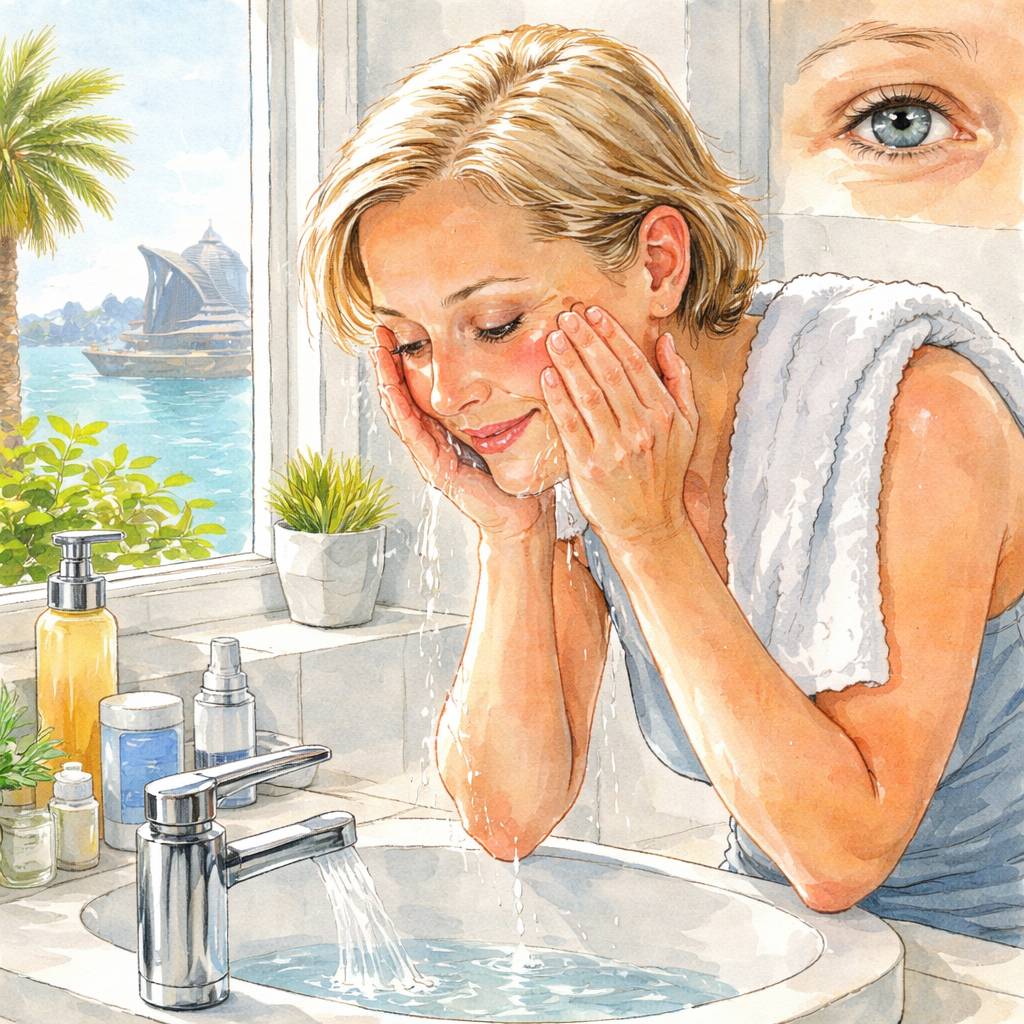
In most cases, you can start a gentle facial wash as early as the day after surgery, but the key is to keep the water temperature lukewarm and the pressure low. Your eye will still be a little tender, and the tiny incision needs time to seal fully. Think of it like letting fresh plaster dry before you brush off dust.
Here’s a quick, step‑by‑step routine you can try:
Wash your hands thoroughly with soap – no shortcuts.
Use a soft, fragrance‑free cleanser and apply it with your fingertips, not a washcloth.
Lean slightly forward over the sink so any runoff drifts away from the eye.
Pat the area around the eye dry with a clean, lint‑free towel; avoid rubbing.
Repeat twice a day for the first week, then you can resume your normal routine.
Take Sarah, a 68‑year‑old retiree from Bondi who had her cataract replaced last Thursday. She was anxious about smudging the incision, but after following the gentle steps above, she reported no irritation and was back to her morning skincare by Friday evening. Her experience mirrors what we see in our Sydney clinic – patients who respect the “no‑rub” rule recover faster and feel more confident.
It’s also worth remembering that some post‑op eye drops can make the skin a bit oily, so a light rinse helps keep the area comfortable. If you notice any redness, swelling, or a gritty feeling, pause the wash and give us a call – it’s better to be safe than sorry.
For a broader view on keeping your post‑surgery hygiene routine on track, check out our When Can You Shower After Cataract Surgery? A Practical Guide . It walks you through water‑related care from showering to rinsing your face.
Beyond eye care, many of our patients appreciate a holistic approach to recovery. That’s why we recommend exploring resources like XLR8well, which offers proactive health programs that can support overall wellness while your eyes heal.
TL;DR
You can start washing your face the day after cataract surgery, using water, a fragrance‑free cleanser, and patting the skin dry without rubbing the incision.
Do this twice daily for the first week, watch for redness or gritty feeling, and follow our steps to keep recovery smooth and eyes comfortable.
Step 1: Follow Your Surgeon’s Immediate Post‑Op Instructions
Right after your cataract procedure, the surgeon’s checklist becomes your bible. It feels a bit like a new recipe – you’ve got the ingredients (your eyes, the drops, the bandage) and the steps, but you need to trust the order. If you ignore even a tiny detail, you might end up with extra irritation or a delayed seal on that tiny incision.
First thing’s first: your eye drops. They’re not just a formality; they keep inflammation down and prevent infection. Apply them exactly when your surgeon says – usually every two hours for the first day, then taper. If a dose slips, don’t panic – just resume the schedule and give us a quick call if you notice redness or a gritty feeling.
Protect the incision while you wash your face
Now, about that face wash you’ve been itching to do. The answer to "when can i wash my face after cataract surgery" is usually the day after, but only if you follow a few safeguards. Here’s the low‑down:
Wash your hands thoroughly with antibacterial soap. No shortcuts – you’re protecting a fresh surgical site.
Use lukewarm water, never hot. Hot water can increase blood flow and make the incision a little more tender.
Choose a fragrance‑free, gentle cleanser. Uncover Skincare offers a line that’s formulated for sensitive, melanin‑rich skin and won’t strip the barrier around your eye.
Apply the cleanser with the pads of your fingers, not a washcloth. Light pressure, no scrubbing.
Lean slightly forward over the sink so any runoff slides away from the eye rather than pooling.
Pat the skin dry with a clean, lint‑free towel. No rubbing – think of it as a soft kiss to the skin.
Stick to this routine twice a day for the first week. After that, you can ease back into your normal regime, but keep an eye on any lingering redness or swelling.
Why does the “no‑rub” rule matter? Your incision is essentially a tiny wound that needs to seal. Rubbing can disturb the fibrin clot that’s forming, much like shaking a fresh concrete slab before it sets.
Listen to your body (and your surgeon)
If you notice any of the following, pause the wash and give us a ring:
Increased redness that spreads beyond the eyelid.
A gritty or burning sensation that doesn’t improve after a few minutes.
Sudden vision changes – even a slight blur.
These signals usually mean the eye needs a bit more time or a tweak to your drop schedule. Better safe than sorry.
Beyond the immediate eye care, think about your overall recovery. Proper nutrition, adequate sleep, and gentle movement all speed healing. XLR8well offers proactive health programmes that can help you stay on top of hydration and micronutrients while you’re getting back to clear sight.
For a deeper dive into water‑related care – like when you can safely hop into the shower – check out our When Can You Shower After Cataract Surgery? A Practical Guide . It walks you through the same principles you’ll apply to your face wash, just with a bit more steam.
Below is a quick video that walks you through the face‑wash steps in real time. Keep it handy while you’re in the bathroom.
Seeing the process can make it feel less intimidating – you’ll notice the gentle tilt forward, the light fingertip motion, and the soft pat‑dry technique.
Finally, remember that recovery isn’t a sprint; it’s a steady walk. By respecting your surgeon’s immediate post‑op instructions, you give your eye the best chance to heal quickly and comfortably. Keep the routine simple, stay observant, and reach out if anything feels off. You’ll be back to your morning coffee routine – and your favourite skincare ritual – before you know it.
Step 2: Check That the Incision Site Has Healed Enough
Now that you've started a gentle face wash, the next question is: is the tiny incision actually ready for that extra splash of water? The answer isn’t a hard‑and‑fast number—it’s about the signs you feel and see around the eye.
First, give the incision a quick visual check. You’re looking for a faint line that’s no longer bright red or oozing. A thin, pale scar that blends with the surrounding skin is a good sign. If you notice fresh blood, a persistent crust, or a sticky discharge, pause the wash and give us a ring.
Second, run a light‑touch test. Using the pad of your index finger, gently press a centimetre away from the incision for a second. You should feel only a faint, normal skin texture. Any sharp pain, a “pinch” feeling, or a sudden tug means the tissue is still fragile.
Third, pay attention to how the eye feels after you’ve applied your post‑op drops. If the eye feels unusually gritty, swollen, or if the eyelid looks puffy beyond the first few days, it’s a cue that inflammation is still active. In those cases, hold off on the face wash until the swelling eases.
Practical checklist for the first week
Day 1‑2: Keep the eye covered with the protective shield at night; avoid any water contact.
Day 3‑4: Look for a dry, non‑red incision line; no dripping or crust.
Day 5‑7: Test the gentle touch; if pain‑free, you can start the lukewarm wash once a day.
These milestones line up with what we see in our Sydney clinic. Take Tom, a 62‑year‑old retiree from Parramatta. He noticed a faint pink line on day three and reported no pain when I asked him to touch the area lightly. He was cleared to resume his normal face wash routine and felt confident by the end of the week.
Contrast that with Lena, a 55‑year‑old graphic designer who loved her morning skincare. She tried a wash on day four, but a sudden sting and a bit of blood appeared. We asked her to skip washing for another two days, applied a protective ointment, and by day seven the incision looked settled. She was able to continue without further irritation.
Why does timing matter? The incision is essentially a micro‑cut that seals with a thin flap of tissue. Too much moisture or pressure too early can soften the flap, leading to a tiny leak or even a shift of the intra‑ocular lens. A study from the recovery timeline guide notes that most patients can safely introduce gentle water after the first 48‑72 hours, but they still advise waiting until the incision is no longer oozing.
Here’s a quick “go‑or‑no‑go” decision tree you can keep on your bathroom mirror:
Is there any fresh blood or crust?No →proceed.
Does gentle pressure hurt?No →proceed.
Is the eye still red or swollen?Yes →hold off and call us.
When you get the green light, keep these tips in mind:
Use lukewarm water, never hot. Hot water can increase blood flow and reopen the tiny vessels.
Apply cleanser with fingertips only—no washcloths, sponges, or silicone brushes until you’re past week two.
Lean forward so water runs away from the eye; think of tilting a cup to keep the spill off the rim.
Pat the skin dry with a clean, lint‑free towel. No rubbing, no dabbing.
Resume the regular drop schedule after you’ve finished washing—wait two minutes before the next drop.
If you ever feel unsure, remember that When Can You Wear Makeup After Cataract Surgery walks you through the same safety principles for larger water exposure, and it’s a handy reference while you’re checking the incision.
Finally, keep an eye on the long‑term healing curve. Full sealing of the incision can take up to eight weeks, even though most patients feel comfortable after the first week. If you notice any new redness, blurred vision, or a sudden change in how the eye feels weeks later, bring it up at your follow‑up appointment.
Bottom line: trust the visual cues, trust the gentle touch, and trust your surgeon’s guidance. By confirming that the incision site has healed enough before you splash your face, you protect the lens, keep inflammation low, and set yourself up for a smooth return to your favourite skincare routine.
Step 3: Use the Proper Technique to Wash Your Face
Alright, you’ve checked that the incision looks good and you’ve given the green light to a gentle wash. Now comes the part that feels a bit like a dance – you want the water to clean your skin without nudging that tiny cut. It’s simple, but a few tiny tweaks make all the difference.
1. Set the stage
Start by turning the tap to lukewarm – think of the temperature you’d use for a baby’s bath. Hot water spikes blood flow and can tug at the fresh tissue; cold water feels uncomfortable and may cause you to blink hard, which you don’t want right after a drop.
Grab a clean, lint‑free towel and lay it on the counter. It’s your safety net in case a stray droplet decides to wander.
2. Hands‑only, no tools
Put a pea‑size amount of a fragrance‑free, barrier‑supporting cleanser on the pads of your fingers. We recommend something like Uncover Skincare’s gentle formula because it’s designed not to strip the delicate skin around the eye.
Use the pads of your ring and middle fingers to massage the cleanser in slow, circular motions. Keep the motion light – you’re not scrubbing a pot, you’re coaxing dirt away. Avoid any washcloth, sponge, or silicone brush for at least two weeks post‑op; the extra friction can lift the incision flap.
3. Tilt, don’t splash
Lean your head slightly forward over the sink. Imagine you’re pouring water over a freshly painted fence – you want the flow to run away, not back onto the wet surface. Let the water cascade over your cheeks, cheeks only, and let gravity do the work.
Don’t press the water directly onto the eye. A gentle stream that slides past the incision is enough to rinse away cleanser.
4. Pat, don’t rub
When you’re done, lift your head, and with the same clean towel, pat the skin dry. Think of it like dabbing a spill on a table – you’re absorbing moisture, not dragging it across the surface.
Give the area around the incision a moment to air‑dry before you reach for your next drop. Two minutes is a good rule of thumb; it lets the skin settle and the medication stay where it belongs.
Need a quick refresher on broader water safety after surgery? Our Can You Sleep on Your Side After Cataract Surgery? A Practical Guide walks through positioning tricks that keep pressure off the eye while you rest.
Here’s a quick checklist you can tape to the mirror:
Turn water to lukewarm.
Use fingertips only – no tools.
Lean forward, let water run away from the eye.
Pat dry with a lint‑free towel.
Wait two minutes before the next drop.
And remember, if you ever feel a sting, see fresh blood, or notice swelling that won’t calm down, pause the routine and give us a call. It’s better to wait a day than to risk reopening the incision.
One final tip: after you’ve dried your face, apply a thin layer of a soothing, barrier‑supporting moisturizer. It keeps the skin hydrated without adding friction, and it’s especially helpful if your post‑op drops leave a slightly oily film.
By treating the wash like a gentle ritual rather than a rushed chore, you protect the incision, keep inflammation low, and get back to feeling fresh every morning. You’ve got this – just take it step by step.
Step 4: Resume Your Full Skincare Routine Safely
Now that you’ve cleared the incision check and mastered the gentle splash, it’s time to think about the rest of your morning ritual. You might be wondering,when can i wash my face after cataract surgeryand still keep my skin happy? The answer is a mix of timing, product choice, and a few simple habits that turn a cautious wash into a full‑on skincare routine without jeopardising healing.
First, give yourself a green light. If you’ve gone at least three days without any bleeding, crusting, or sharp pain when you lightly touch the site, you’re generally ready to re‑introduce the steps you love – toner, serum, and a light moisturizer. In our clinic we’ve seen patients in Bondi and Parramatta move from a basic rinse to a full routine around day 5, but always listen to your own eye’s signals.
Here’s a three‑phase checklist you can print and stick on the bathroom mirror. Phase 1 (Days 1‑3) stays ultra‑gentle: lukewarm water, fingertip cleanser, no rubbing. Phase 2 (Days 4‑7) adds a fragrance‑free toner dabbed with a cotton pad – just avoid the immediate 1‑cm radius around the incision. Phase 3 (Day 8+) lets you bring back your favourite serum, provided it’s non‑irritating and you apply it with a light pat, not a pull.
Why the gradual build? The corneal incision is essentially a tiny flap that seals over 7‑10 days. Too much friction or product buildup can soften that flap, increasing the risk of a micro‑leak. A study cited by Colorado Eye Consultants notes that delayed irritation is a common cause of extended recovery times.
Real‑world example: Maya, a 70‑year‑old retiree from Manly, waited until day 6 before adding a hyaluronic‑acid serum. She used a dropper instead of rubbing the serum in, and reported no redness. Another patient, Aaron from Surry Hills, tried a retinol cream at day 4 and experienced a brief sting – he paused and resumed at day 9 with a milder peptide serum, and his eye healed without any setbacks.
Now, let’s talk products. Look for barrier‑supporting, melanin‑first cleansers and moisturisers that won’t strip the skin. Uncover Skincare’s gentle line is a popular choice among our patients because it’s fragrance‑free and formulated for sensitive eye‑adjacent skin. Apply a pea‑sized amount of cleanser with your ring and middle fingers, massage in slow circles, then rinse with the same lukewarm stream you’ve already mastered.
After you’ve rinsed, pat the skin dry with a lint‑free towel – no scrubbing. Then, while the skin is still slightly damp, smooth a thin layer of a soothing moisturizer. This step locks in hydration and creates a protective barrier that keeps post‑op drops from feeling greasy.
Ready for a quick visual aid? Here’s a simple table that sums up the timeline, products, and key tips:
Phase | Days Post‑Op | What to Add | Key Tip |
Phase 1 | 1‑3 | Lukewarm water + fragrance‑free cleanser | Use fingertips only, avoid the 1 cm zone |
Phase 2 | 4‑7 | Gentle toner (cotton pad), light moisturizer | Pat, don’t rub; keep serum away from incision |
Phase 3 | 8+ | Serum, eye cream (if approved), regular moisturiser | Apply with light taps; stop if any sting occurs |
If you ever feel a sting, notice new redness, or see a droplet of blood, hit pause. Call our Sydney clinic – a quick phone call can save you a week of discomfort. Remember, it’s better to wait an extra day than to risk reopening the flap.
One last piece of advice: keep your eye shield on while you’re sleeping for the first night, and avoid any heavy eye makeup until you’ve cleared the Eye Surgery Recovery guide . The shield protects the incision from accidental rubbing during sleep, and delaying makeup reduces the chance of particles entering the healing eye.
By following this step‑by‑step roadmap, you’ll transition from a cautious rinse to a full‑featured skincare routine without compromising your recovery. You’ve already proven you can handle the gentle wash – now you can enjoy the confidence of fresh, hydrated skin again.
Step 5: Watch for Warning Signs and Contact Your Doctor
Now that you’ve got the wash routine down, the next thing is to keep an eye on how your eye is feeling – literally. Even a tiny irritation can turn into a bigger problem if you miss the early cues.
Because the incision after cataract surgery is only a fraction of a millimetre, it heals like a delicate patch of plaster. A little extra moisture, a stray eyelash, or an unexpected reaction to a new product can cause redness, swelling, or a tiny leak. Spotting those signs early means you can pause, call us, and avoid a setback that might add days to your recovery.
Common warning signs to watch for
Redness that spreads beyond the eyelid margin or looks like a bright pink ring.
New or worsening swelling, especially if the eyelid feels like a soft bump.
A gritty or sand‑like sensation that doesn’t disappear after rinsing.
Unexpected tearing or discharge that is thick, yellow, or blood‑streaked.
Sudden blurry vision that doesn’t improve within a few minutes.
Any sharp sting or burning feeling when you touch the area or apply drops.
These symptoms line up with the post‑op guidance from Healthwise, which notes that patients may experience scratchy, sticky, or watery eyes in the first few days, and that lingering discomfort should prompt a call to the surgeon.
When to pick up the phone
If you notice any one of the items above, give us a call right away. In most cases we’ll ask you to:
Stop all facial washing for the next 12‑24 hours.
Keep the protective shield on while you rest.
Apply a prescribed antibiotic ointment if we think there’s a tiny leak.
Come in for a quick slit‑lamp check – it’s painless and lets us see if the flap has shifted.
Even if you’re only unsure about mild redness, it’s better to be safe. A quick phone call can save you a week of uncertainty.
A quick self‑check checklist
Look in a well‑lit mirror: is the incision line still a faint, pale line?
Touch a centimetre away from the site with a clean fingertip – does it feel normal or does it tingle?
Notice any new discharge on the towel after you pat dry.
Check your vision: can you read the bathroom sign without squinting?
Rate your pain on a scale of 0‑10; anything above 2 deserves a call.
Keep this list on your bathroom counter – a sticky note does the trick.
Real‑world examples from our Sydney clinic
Take Tom, a 62‑year‑old retiree from Parramatta. On day four he saw a faint pink halo around the incision and felt a mild ache when he brushed his cheek. He called us, we inspected the eye, and a tiny speck of dried blood was removed with a sterile swab. He resumed washing two days later with no further issues.
Contrast that with Lena, a 55‑year‑old graphic designer who ignored a slight gritty feeling on day three. By day five she woke up with a small blood spot and increased swelling. After an extra follow‑up visit, we prescribed a short course of antibiotic drops and advised a three‑day pause from any facial products. She recovered fully by week two, but the delay added a few extra days of discomfort.
Tips from our practice to minimise risk
1. Keep the protective eye shield on while you sleep for the first night – it prevents accidental rubbing.
2. Use fragrance‑free, barrier‑supporting cleansers; avoid anything with alcohol or exfoliating beads.
3. Pat, don’t rub, the skin around the eye. A gentle tap with a lint‑free towel dries the area without pulling the incision flap.
4. Wait at least two minutes after washing before you place any eye drops; that gives the skin a moment to settle.
5. Stay hydrated and avoid excessive caffeine – dehydration can make the eye feel drier and more irritated.
What to do while you wait for the clinic
While you’re on the phone or waiting for an appointment, keep the eye covered with the supplied shield, avoid any makeup or heavy creams near the incision, and stick to lukewarm water only if you must rinse the rest of your face. If you experience sudden vision loss, intense pain, or a large amount of blood, treat it as an emergency and head straight to the nearest hospital.
Remember, the goal is to let that tiny flap seal completely. By staying alert, using the checklist, and reaching out the moment something feels off, you’ll keep your recovery on track and get back to your normal routine sooner.
Step 6: Manage Dryness and Irritation During Recovery
Dealing with dryness and that annoying gritty feeling is probably the most common nuisance after your cataract surgery, and it can feel like a constant reminder that your eye is still on the mend.
Why does it happen? The tiny incision and the temporary shift in your tear film can leave the ocular surface a bit exposed, so the eye’s natural lubrication drops off just when it needs it most.
The good news is you have a toolbox of simple, low‑risk tricks that keep the surface smooth without jeopardising the healing flap.
Understand the cause
In the first week the eye’s nerves are still resetting, which often translates into reduced blink rate and a thinner lipid layer. Less lipid means faster evaporation, which you notice as dryness, itching or occasional blurry spots.
Preservative‑free artificial tears
Reach for preservative‑free artificial tears every few hours, especially after you’ve washed your face or spent time in air‑conditioned rooms. The Blue Fin Vision guide recommends frequent use – think 4‑6 drops per eye, 8‑10 times a day, and a thicker lubricating gel at night to seal the surface while you sleep.
If a drop feels sticky, give it a moment to absorb before you pat the skin dry. That tiny pause prevents the tear film from being pushed off the eyelid margin.
Identify and treat underlying irritation
Blepharitis, the inflammation of the eyelid margin, can sneak in during recovery and make dryness worse. A warm compress for one minute, followed by a gentle lid‑scrub with a diluted baby‑shampoo solution, clears debris without pulling on the incision.
For patients who notice a sudden flare‑up after a long screen session, a short break every 20 minutes and a blink‑exercise (blink 10 times slowly) restores the tear pump.
Environmental tweaks
Avoid direct drafts from fans or open windows for the first few days – a cool breeze can whisk away the thin tear layer in seconds.
Humidifiers are a cheap hack; keeping indoor humidity around 40‑50 % reduces evaporation dramatically. In Sydney’s summer, a portable humidifier on your bedside table can make the night feel less dry.
Stay hydrated – aim for at least eight glasses of water a day. Caffeine isn’t the enemy, but excessive coffee can act as a diuretic and leave your eyes thirstier.
When you’re ready to re‑introduce eye makeup, choose a gentle eye makeup remover that is oil‑free and fragrance‑free; avoid waterproof formulas that require aggressive rubbing.
When to pause facial care
If you feel a gritty sand‑like sensation that won’t disappear after a tear‑drop, or if the skin around the incision turns red and tender, hit pause on all skincare for 24‑48 hours. Swap your usual cleanser for a plain, fragrance‑free rinse and let the eye rest.
During that pause, keep the protective shield on while you sleep – the extra layer stops accidental rubbing and gives the flap a chance to seal completely.
Quick daily checklist
Apply preservative‑free artificial tears 4‑6 times per day.
Use a warm compress and gentle lid‑scrub if eyelid feels crusty.
Pat the area dry; avoid rubbing.
Wait at least two minutes before applying any eye drops.
Inspect the incision for redness, swelling or discharge.
Run through this list each morning and evening; if anything feels off, give us a call. A quick call can save you a week of discomfort.
When to seek professional help
Persistent dryness beyond two weeks, a sudden increase in glare, or any blood‑tinged discharge should trigger a phone call to our clinic. We may prescribe a short course of anti‑inflammatory drops or a thicker night‑time ointment to jump‑start healing.
In rare cases a dry‑eye specialist might recommend punctal plugs, but that’s only after we’ve ruled out infection and confirmed the incision is fully sealed.
Managing dryness isn’t about a single miracle product; it’s about consistent, gentle habits that protect the delicate flap while you let your eye re‑hydrate naturally. Stick to these steps, listen to your eye’s signals, and you’ll find the irritation fades well before the full eight‑week healing window.
FAQ
When can I wash my face after cataract surgery?
In most cases you can start a gentle face wash about 48‑72 hours after the procedure, as long as the incision looks dry and you don’t feel any sharp pain when you lightly touch the area. The key is to use lukewarm water, fingertip‑only cleanser, and to avoid any pressure directly over the tiny flap. If you’re unsure, give us a quick call – a few extra hours won’t hurt, but washing too early can soften the seal.
My incision still looks a little pink on day three. Is that okay?
A faint pink line is normal and usually means the tissue is still sealing. Just keep the wash ultra‑gentle: use a pea‑size amount of fragrance‑free cleanser, apply with the pads of your ring and middle fingers, and rinse with a soft stream that runs away from the eye. Skip any scrubbing tools until you’re at least a week post‑op, and monitor for any new bleeding.
Do I need to avoid certain skincare products when I start washing my face?
Yes, stick to bland, fragrance‑free formulas for the first week. Products that contain alcohol, glycolic or salicylic acid, or strong retinoids can dry out the skin and irritate the incision flap. A simple cleanser like a mild, barrier‑supporting gel works best, and you can follow with a lightweight, non‑comedogenic moisturizer once the skin is pat‑dry. Save any peels, scrubs or anti‑age serums for at least two weeks after the incision looks fully settled.
I notice redness or swelling after washing. What should I do?
If you see a fresh red ring or your eyelid puffs up after a wash, pause the routine immediately and rinse the area with plain lukewarm water – no cleanser. Pat dry gently and put the protective shield back on for the night. Call our clinic within a few hours so we can check whether the incision needs a quick antibiotic ointment or just a brief rest period. Most mild redness settles with a short break.
Can I use a washcloth, sponge, or silicone brush when I resume washing?
No, avoid any fabric or brush that creates friction for at least the first ten days. A washcloth, loofah, or silicone facial brush can tug at the tiny flap and increase the risk of a micro‑leak. Stick to fingertip‑only application until you’ve passed the “go‑or‑no‑go” check – no pain, no fresh blood, and the incision looks pale. After two weeks you can re‑introduce soft tools, but keep the pressure light.
How long before I can go back to my full skincare routine?
Generally you can bring back serums, eye creams and light exfoliation around day 8‑10, provided the incision stays pain‑free and dry. Start with a tiny dab of each product, pat it in, and watch for any sting or redness for the next 24 hours. If everything feels normal, you can step up to your usual routine. Remember, the eye’s healing window lasts up to eight weeks, so keep an eye on any late‑onset irritation and call us if something feels off.
Conclusion
So, when can i wash my face after cataract surgery? In short, you can start a gentle, fingertip‑only wash as early as 48‑72 hours, but only if the incision looks dry, pain‑free and you’re using lukewarm water.
Remember the three “go‑or‑no‑go” checks: no fresh blood, no sharp sting when you touch a centimetre away, and no swelling beyond the eyelid margin. If any of those red flags pop up, pause the routine and give us a call – a quick phone call can save you days of setback.
When the green light appears, keep the technique simple: use a fragrance‑free cleanser, apply with your ring and middle fingers, tilt forward so water runs away from the eye, and pat dry with a lint‑free towel. Add serums and eye creams only after day 8‑10, and always watch for a sting or redness before moving on.
What’s the biggest takeaway? Treat the wash like a gentle ritual, not a race. Your eye’s tiny flap needs time to seal, and a cautious approach protects that seal and speeds your return to a full skincare routine.
If you ever feel unsure, our Sydney clinic is just a phone call away. We’re here to help you navigate every step, so you can enjoy clear vision and fresh skin without worry.