


Scleral Buckle Recovery Time: What to Expect and How to Heal Faster
- Dec 23, 2025
- 19 min read
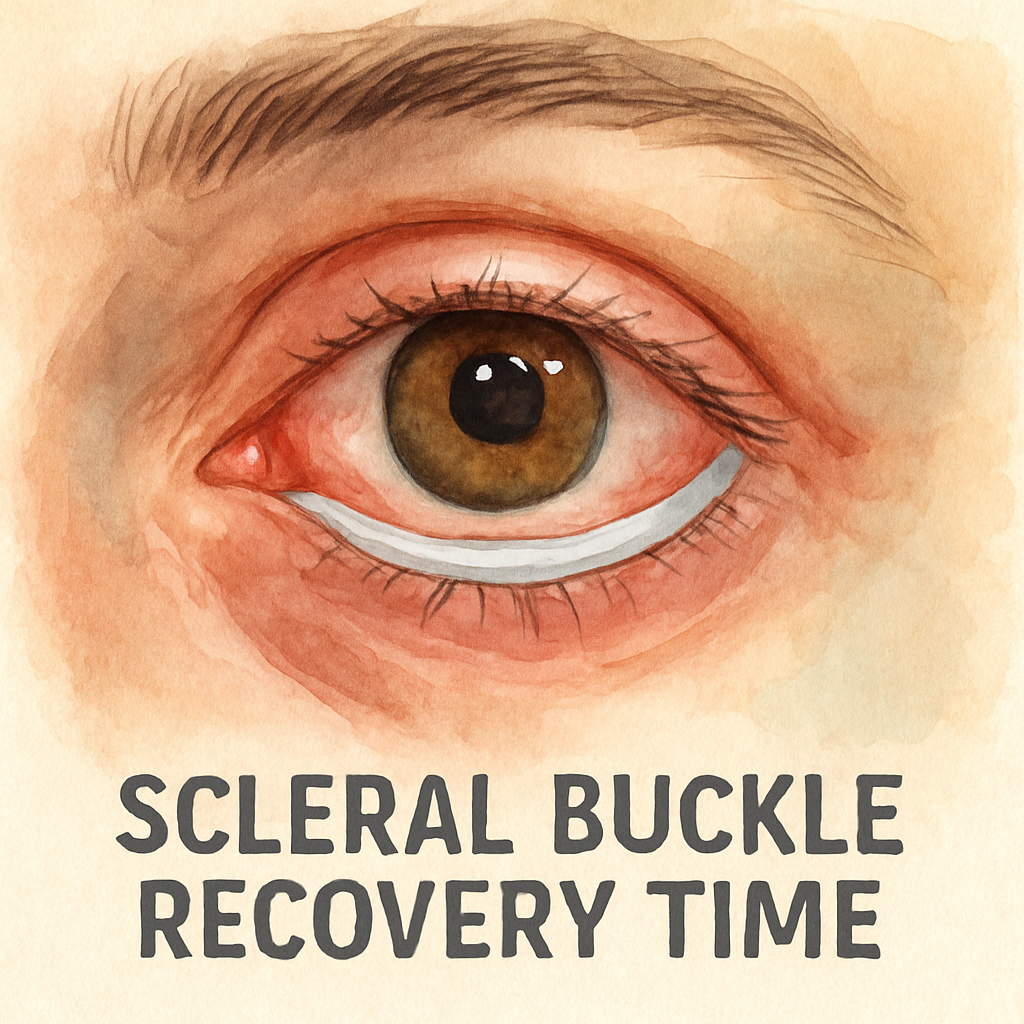
If you've just had a scleral buckle placed, the first thing on your mind is probably how long it will take to get back to normal.
You're looking at a mix of excitement about fixing your retina and anxiety about the recovery timeline. Does the phrase "scleral buckle recovery time" sound like a mystery you need to solve? Trust me, it doesn't have to be.
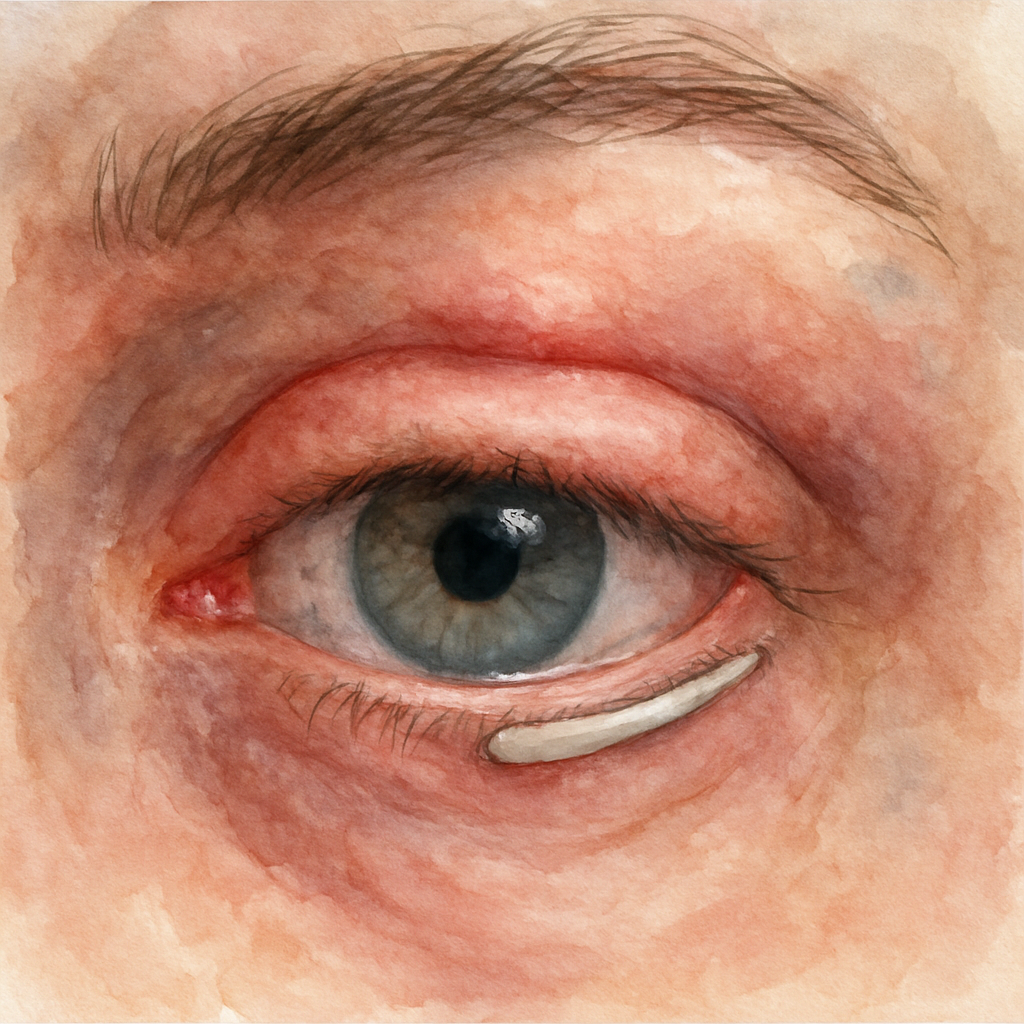
In our experience at our Sydney clinic, most patients notice the biggest changes in the first week. The eye may feel gritty, and you might see some swelling around the brow. That's perfectly normal and usually eases after a few days with the right drops and a bit of rest.
But here's the thing: every eye heals a little differently. Factors like age, overall health, and how complex the detachment was can stretch or shrink the timeline. Imagine two friends: one gets back to driving in a week, the other needs a fortnight because they had a larger buckle and a more involved surgery.
So, what should you expect day by day? The first 48 hours are all about protecting the eye—no rubbing, no heavy lifting, and absolutely no swimming. By day three, most people can start using eye drops without trouble and may notice the redness fading.
Around day seven, many patients report a clearer vision, though it can still be a bit blurry as the retina settles. If you notice sudden pain, a rapid drop in vision, or flashing lights, you need to call us immediately—that's a sign something isn’t right.
Looking ahead, most folks feel comfortable resuming light activities by two weeks. Full recovery, meaning stable vision and the ability to return to sports or intense work, often takes three to six weeks. Patience really does pay off.
Remember, the goal isn’t just a quick timeline; it’s a healthy, lasting repair. Keep your follow‑up appointments, use the prescribed meds, and lean on your support network. Your eyes have just been through a big job, and with a little care, you’ll be back to enjoying Sydney’s sunshine sooner than you think.
TL;DR
Wondering how long it takes to heal after a scleral buckle? In Sydney we’ve seen most patients regain comfortable vision within two to six weeks.
Follow our simple day‑by‑day guide, watch for warning signs, and you’ll be back enjoying clear sight and smooth recovery without surprises quickly in just weeks.
Step 1: Understand the Immediate Post‑Op Phase
You've just left the operating theatre with a fresh scleral buckle in place. The first 24‑48 hours feel like walking on a tightrope – you’re excited that the retina is secured, but every blink reminds you that the eye is still healing.
So, what actually happens right after surgery? Your eye will be a little gritty, a bit swollen, and the vision might look hazy. That's normal – the body is starting the inflammatory cascade that eventually leads to scar tissue stabilising the retina.
Protect, then gently move
Day 1 is all about protection. No rubbing, no heavy lifting, and absolutely no swimming. Your surgeon will give you antibiotic and anti‑inflammatory drops; use them exactly as prescribed. Think of those drops as the “fuel” that helps the eye’s own repair crew do their job.
By Day 2 you can start to notice the redness easing. If you’re like most of our Sydney patients, the soreness will start to fade around this time. A good rule of thumb: if you can keep a light‑touch cotton swab on your cheek without wincing, you’re on track.
When to expect visual changes
Around the third day, many people report a slight improvement in clarity. The buckle itself doesn’t move, but the swelling subsides and the retina settles. You might still see some floaters – that’s just the vitreous adjusting to the new pressure.
By the end of week 1, a noticeable brightening usually occurs. Your vision may still be a bit blurry, but you should be able to read large print and recognize faces without squinting.
Here’s a quick checklist for the first week:
Use prescribed drops on schedule.
Avoid eye strain – limit screen time to short bursts.
Watch for sudden pain, flashes, or a rapid loss of vision – call us immediately.
In our experience, patients who stick to these simple steps see a smoother transition into the “light activity” phase around two weeks.
For a broader view of post‑operative eye care, check out What to Expect During Vitrectomy Recovery Time . While the surgery is different, the recovery principles overlap – especially the importance of drop compliance and activity restriction.
Now, let’s talk about tracking your progress beyond the doctor’s notes. Many patients find it helpful to log their daily symptoms, sleep quality, and medication adherence. A platform like XLR8well lets you record these metrics in one place, so you can spot patterns and share a concise report with your surgeon at the next appointment.
Nutrition also plays a subtle but real role in healing. Vitamin‑rich foods support tissue repair, and staying hydrated helps keep the ocular surface comfortable. If you want a tech‑savvy way to stay on top of your diet, the Smart AI Food Tracker app can generate daily meal suggestions tailored to eye‑health nutrients like omega‑3s and lutein.
Below is a short video that walks you through what to expect in the first 48 hours, from drop administration to recognizing warning signs.
Take a moment to watch the video, then pause and compare the checklist above with what you’re experiencing. If anything feels off, trust your gut and give us a call.
Remember, the immediate post‑op phase sets the tone for the weeks ahead. By protecting your eye, staying disciplined with drops, and monitoring your health holistically, you give yourself the best shot at a swift, complication‑free recovery.
Step 2: Manage Pain and Inflammation
Okay, the first few days after your scleral buckle can feel a bit like you’ve got a tiny, stubborn pebble inside your eye. The good news? Most of that ache and swelling is your body’s natural repair crew at work. The key is to keep the crew organized, not overwhelmed.
First thing’s first: cold therapy. A clean, reusable gel pack or a bag of frozen peas wrapped in a thin towel does wonders for the initial puffiness. Apply it for 10‑minute intervals, three to four times a day, making sure you never press directly on the eye. The chill constricts blood vessels, which reduces the fluid that’s causing the redness.
While the cold pack handles the surface, your prescription drops handle the deeper inflammation. Steroid eye drops are usually given for the first week, then tapered based on how your eye looks. If a drop stings, that’s a sign it’s doing its job—don’t rinse it away. Keep a small timer or phone alarm so you never miss a dose; consistency beats occasional “just‑when‑I‑remember” dosing.
Step‑by‑step pain‑management checklist
Day 1‑2:Cold pack, keep head slightly elevated, take any oral pain reliever exactly as prescribed (often ibuprofen 400 mg every 6 hours).
Day 3‑5:Start steroid drops on schedule, add antibiotic drops if instructed, and begin a warm compress (not hot) for 5 minutes each evening to improve circulation.
Day 6‑10:Taper steroid drops, continue warm compresses, and assess pain levels. If pain persists beyond a mild ache, call us.
Does that sound like a lot? It is, but think of it like caring for a garden. You water, you weed, you check the soil temperature. The same principle applies to your eye.
Real‑world example: Maya, a 38‑year‑old teacher from Paddington, kept a simple notebook. She wrote, “Day 4 – cold pack done, pain 3/10, vision blurry but stable.” By day 7 she noted, “Pain down to 1/10, can read grocery labels.” Her systematic approach helped her spot the one day when the pain spiked to 5/10, prompting a quick call that uncovered a tiny suture irritation—fixed in minutes.
Another case: James, 72, who also has early macular degeneration, found the standard cold packs too uncomfortable on his sensitive skin. He switched to a chilled, damp washcloth and paired it with a short, low‑intensity walk to keep circulation up without straining the eye. By day 9 his swelling was down 60 % and his discomfort was manageable.
What we’ve learned from patients like Maya and James is that personalizing the regimen matters. If you’re a Sydney‑based retina patient juggling a full‑time job, set reminders on your phone. If you’re recovering at home, keep the cold pack within arm’s reach on the coffee table.
Nutrition and hydration tips
Inflammation isn’t just about drops; it’s also about what you feed your body. Omega‑3‑rich fish, leafy greens, and vitamin C‑heavy fruits have been shown to support ocular healing. Aim for eight glasses of water a day; dehydration can thicken the tear film and make the eye feel gritty.
For a quick way to track these habits, consider using a health‑tracking platform like XLR8well. (We mentioned it earlier, but it’s worth a reminder here for its easy medication‑adherence logs.)
If you want a deeper dive into what a retina specialist actually does during the follow‑up, check out our guide What Does a Retina Specialist Do: A Practical Guide for Patients . It breaks down the exam, the imaging, and why those extra visits matter for your scleral buckle recovery time.
When to call the clinic
Most of the discomfort will fade, but certain red flags mean you should pick up the phone right away: a sudden jump in pain, a rapid loss of vision, new flashes of light, or any discharge that looks more than a few tears. Even a tiny amount of pus is a warning sign.
In our Sydney clinic we usually schedule a quick phone check‑in on day 1 and a comprehensive in‑person exam on day 7. That visit lets us measure intra‑ocular pressure, confirm the buckle’s position, and adjust your medication plan if needed.
Finally, a quick note for our fellow eye‑care professionals: taking care of yourself matters too. The e7D‑Wellness program ( e7D‑Wellness ) offers evidence‑based tools to spot burnout early, which can ultimately improve the care you provide to patients recovering from procedures like scleral buckling.
Step 3: Follow Vision Care Guidelines
Now that you’ve got the basics of pain control down, the next piece of the puzzle is keeping your eye in the best possible environment for healing. Think of it like tending a garden: you water, you weed, you protect it from harsh weather. Your vision‑care routine is the same – a set of daily habits that keep inflammation low and the retina happy.
Stick to the drop schedule
Those antibiotic and steroid drops aren’t just a suggestion; they’re the frontline defense against infection and scarring. Set a phone alarm, use a pill‑box style dispenser, or ask a partner to remind you. Missing a dose is like skipping a watering day – the plant (your eye) can wilt.
Most surgeons, including us at our Sydney retina clinic, recommend one drop every two hours while you’re awake for the first week, then taper based on how the eye looks. If a drop stings, that’s normal – it means the medication is reaching the tissue.
Protect your eye from strain
For the first two weeks, treat your eye like a delicate newborn. Avoid heavy lifting, vigorous exercise, and even prolonged screen time. If you work at a desk, use the 20‑20‑20 rule: every 20 minutes, look at something 20 feet away for 20 seconds. It reduces eye‑muscle fatigue and keeps intra‑ocular pressure steady.
And don’t forget sunglasses outdoors. The UV shield isn’t just fashion; it cuts glare that can trigger uncomfortable pupil constriction and make the eye work harder.
Nutrition and hydration
Your retina needs building blocks to repair. Foods rich in vitamin C, zinc, and omega‑3s are like premium soil. A handful of almonds, a serving of salmon, and a citrus snack each day can speed up tissue regeneration. Staying hydrated keeps the tear film thin and soothing – aim for eight glasses of water.
If you like a digital helper, What to Expect: Pneumatic Retinopexy Recovery Time Explained shows how tracking nutrition alongside eye‑drops can shave a few days off recovery for similar retinal procedures.
When to use cold and warm therapy
Cold packs are gold for the first 48‑72 hours – wrap a gel pack in a thin towel and apply for 10‑minute bursts, three times a day. After day three, swap to a warm compress (a damp washcloth warmed in the microwave) for five minutes each evening. The warmth promotes circulation without reigniting swelling.
Watch for warning signs
Even with perfect care, complications can pop up. Redness that spreads, sudden pain, flashes of light, a curtain‑like shadow, or any pus‑like discharge mean you need to call the clinic right away. Our team usually does a quick phone check‑in on day 1 and a full exam on day 7, but trust your instincts – you know your eye best.
Here’s a quick checklist you can print and stick on your fridge:
Drop schedule – check each dose
Cold/ warm pack times
Screen breaks – 20‑20‑20 rule
Water intake – 8 glasses
Red‑flag symptoms – call clinic
Following these guidelines turns the recovery period from a vague waiting game into an active, confidence‑building process. You’ll notice the haze lifting sooner, and you’ll feel in control of your vision’s comeback.
For a deeper dive into what’s happening inside the eye during recovery, Healthline offers a solid overview of scleral buckling surgery and typical timelines. Read the Healthline guide on scleral buckling to understand why each step matters.
And if you prefer a visual walkthrough, this short video breaks down the post‑op care routine step by step.
Remember, the goal isn’t just to survive the first few weeks – it’s to set the stage for lasting, clear vision. Stick to the guidelines, log your progress, and reach out the moment something feels off. You’ve got the tools; now use them and watch your scleral buckle recovery time shrink.
Step 4: Resume Daily Activities Safely (Comparison Table)
Okay, you’ve made it past the pain‑control stage and you’re itching to get back to your normal routine. That feeling is totally natural – we all want to ditch the eye patch and start driving again. But jumping back in too fast can undo weeks of careful healing.
So, how do we strike the right balance? The trick is to match each activity with the sweet spot in yourscleral buckle recovery timecalendar, and to keep a few red‑flag warnings in mind.
Here’s a quick reality check: you’re not going to be able to lift a 20‑kg grocery bag on day 5, but you can probably scroll your phone for a minute without strain. Does that sound reasonable?
Using the comparison table
We’ve boiled the most common daily tasks down to three categories – light, moderate, and vigorous – and paired each with the earliest day it’s generally safe to try, plus a short note on what to watch out for. Think of it as a traffic light for your post‑op life.
When you’re unsure, err on the side of caution and give yourself an extra day or two. Your eye will thank you.
For a broader look at how different retinal procedures compare, check out our guide on vitreous floaters and retinal detachment surgery options . It puts the scleral buckle timeline into perspective alongside vitrectomy and other techniques.
Activity Level | Earliest Safe Start (days post‑op) | Key Precautions |
Light – reading, short walks, phone use | Day 4‑5 | Take frequent 20‑20‑20 breaks; keep head elevated; watch for sudden pain or blurry flashes. |
Moderate – cooking, light housework, driving short distances | Day 10‑12 | Ensure vision is stable (no new floaters); avoid heavy lifting >5 kg; use sunglasses outdoors. |
Vigorous – gym, jogging, swimming, long drives | Day 21‑28 | Get surgeon’s clearance; avoid high‑impact movements; no diving or altitude changes for at least 6 weeks. |
Notice the gaps? Those aren’t arbitrary – they reflect the typical inflammation curve and the time it takes for the retina to fully re‑attach. Healthline breaks down the science behind these timelines in their article on detached retina recovery , which lines up with what we see in our clinic.
Let’s walk through a real‑world scenario. Imagine you’re a Sydney‑based graphic designer who spends most of the day at a desk. By day 5 you feel comfortable reading design briefs, but you still notice a slight haziness. You set a timer for the 20‑20‑20 rule, sip water, and keep a notebook of any new floaters. On day 11 you feel steady enough to drive to a nearby coffee shop – you check the rear‑view mirror, make sure there’s no sudden glare, and head home without pushing the accelerator.
Then, on day 22 you’re tempted to join a weekend beach volleyball game. Before you sign up, you call the clinic for a quick go‑ahead. The surgeon confirms that the buckle is stable, your intra‑ocular pressure is normal, and you can play as long as you wear protective sunglasses and avoid diving.
That back‑and‑forth between you and the clinic is the hallmark of a safe recovery. It’s not about rigid rules; it’s about listening to your eye and getting professional OK when you step up the activity level.
Bottom line: use the table as a flexible roadmap, not a prison. Adjust based on how you feel, keep a symptom log, and never hesitate to reach out if something feels off. Your vision’s comeback is a marathon, not a sprint, and a steady pace gets you across the finish line with clear sight.
Step 5: Monitor for Complications
You've gotten past the pain‑management phase and even started to ease back into light tasks. At this point the biggest secret to a smooth scleral buckle recovery time is simply staying alert to anything that feels off.
Why does monitoring matter? Because most complications—like a protruding buckle, infection, or sudden retinal shift—show up early as subtle changes. Catch them fast, and you can intervene before they become emergencies.
Red‑flag symptoms you can't ignore
Look out for these warning signs and pick up the phone the moment one appears:
Sharp or worsening eye pain, especially when you blink or move the eye.
New flashes of light, a dark curtain, or a sudden drop in visual acuity.
Visible bump or firm area under the eyelid that wasn't there before.
Increasing redness, warmth, swelling, or any discharge that is yellow/green.
Persistent floaters or a feeling that something is “stuck” inside the eye.
These symptoms line up with what specialists describe for protruding scleral buckles in the Specialty Vision guide. If you notice any of them, treat it like a fire alarm—don’t wait.
Keep a simple symptom log
Grab a notebook or a notes app and jot down three things three times a day:
Time of day.
What you saw (vision clarity, floaters, flashes).
Any pain level on a 0‑10 scale.
Seeing patterns on paper helps you and your surgeon decide whether a tweak to drops or a quick in‑office exam is needed. It also gives you concrete evidence if you ever need to call the clinic after hours.
When to call the clinic
Our Sydney retina team usually schedules a phone check‑in on day 1 and a full exam on day 7, but we advise you to call sooner if any red‑flag pops up. Here’s a quick decision tree:
If pain spikes above 5/10 or is sharp → call immediately.
If vision drops more than one line on the eye chart → call now.
If you see a new bump or the eye feels “hard” → book an urgent review.
If you get any discharge that isn’t clear tears → seek care right away.
We’ll usually order a slit‑lamp exam, a dilated fundus view, and maybe a B‑scan ultrasound to verify that the buckle is still where it belongs.
Real‑world snapshot
Imagine you’re a 45‑year‑old graphic designer in Bondi. On day 12 you notice a tiny, firm lump under the outer corner of your eye when you brush your hair back. It’s painless, but you feel it when you blink. You add “bump” to your log, and that evening you call the clinic. The surgeon asks you to come in for a quick slit‑lamp check; the buckle hasn’t moved, but a bit of excess scar tissue is pressing outward. A short course of anti‑inflammatory drops smooths it out, and you’re back to sketching by day 18.
That kind of proactive monitoring is what keeps the overall scleral buckle recovery time on track.
Quick daily checklist
Apply prescribed drops on schedule.
Check for pain, flashes, new bumps.
Record any changes in a symptom log.
Call the clinic if any red‑flag appears.
Attend all scheduled follow‑ups.
By treating your recovery like a partnership—your eye, your notes, and our clinic—you give yourself the best odds for a complication‑free finish.
Need a deeper dive into why retinal tears happen in the first place? Our guide on Understanding retinal tear causes breaks it down in plain language and can help you anticipate future risks.
Step 6: Long‑Term Healing and Follow‑Up
Now that the first few weeks have passed, you might be wondering whether the healing train has finally left the station. The truth is, long‑term recovery is a marathon, not a sprint, and the timeline for scleral buckle recovery time continues to evolve for up to three months.
Why long‑term care matters
Even after the retina re‑attaches, the silicone buckle stays in place, subtly reshaping the eye’s contour. Small shifts in pressure, lingering inflammation, or unnoticed scar tissue can surface weeks later. In our experience, patients who keep a structured follow‑up schedule see a smoother visual outcome and fewer surprise complications.
Set up a 6‑week check‑in plan
1️⃣ Week 4 – In‑person exam. The surgeon will examine the buckle position with a slit‑lamp, measure intra‑ocular pressure (IOP), and verify that the retina remains attached.
2️⃣ Week 6 – Vision test. This is the point when most patients report stable acuity; we compare your current Snellen reading to the baseline recorded at week 1.
3️⃣ Week 8 – Optional imaging. An optical coherence tomography (OCT) scan can reveal subtle macular changes that aren’t obvious in a routine exam.
Does that feel like a lot? Think of it as a series of pit‑stops on a road trip. Each stop lets you refuel, check the tires, and make sure the journey stays on track.
Track your own metrics
Grab a small notebook or a notes app and log three things every day:
Vision clarity – can you read street signs at 20 m?
Pain or pressure level (0‑10 scale).
Any new flashes, floaters, or dark shadows.
When you see a pattern – for example, a steady rise in pressure pain after a late‑night screen binge – you have concrete data to share with the clinic.
When to call the clinic after week 2
Red‑flag symptoms don’t disappear after the first week. If you notice any of the following, pick up the phone immediately:
Sudden increase in pain or a throbbing sensation.
New flashes of light or a curtain‑like shadow.
Visible bump that feels hard or grows in size.
Unusual discharge – yellow, green, or thick.
Even a mild change can be a clue that the buckle is shifting or that a small sub‑retinal fluid pocket is re‑forming.
Long‑term medication strategy
Most surgeons taper steroid drops by week 4, but a low‑dose anti‑inflammatory drop can stay on a twice‑daily schedule for another month if your eye feels “tight.” The goal is to keep inflammation low enough for the retina to stay glued without compromising natural healing.
One recent study on foldable capsular buckles (FCB) reported that patients achieved stable retinal attachment by the third week and experienced minimal long‑term swelling, suggesting that newer buckle materials may shorten the tail end of scleral buckle recovery time according to a 2024 Frontiers report . While we still rely on classic silicone buckles in most Sydney cases, the data reassures us that the healing window often stabilizes around six weeks.
Lifestyle tweaks for the next two months
Protect your eyes from UV – wear polarized sunglasses whenever you’re outdoors.
Limit heavy lifting (>5 kg) until week 8; the extra pressure can tug on the buckle.
Stay hydrated – eight glasses of water a day keep the ocular surface lubricated.
Mind your screen time. Follow the 20‑20‑20 rule to reduce strain on a healing retina.
And remember, your daily routine is a partnership with your surgeon. If you feel uncertain about any activity, just ask – we’re happy to give a quick “yes/no” on whether it’s safe.
Final checklist before you consider yourself “fully recovered”
All scheduled follow‑up appointments completed.
IOP within normal range (10‑21 mmHg) on two consecutive visits.
Stable vision – no drop of more than one line on the eye chart.
No new flashes, floaters, or bumps for at least two weeks.
Cross those items off, and you’ve officially navigated the long‑term phase of scleral buckle recovery time. Celebrate the progress, but keep the habit of occasional self‑checks – eyes love consistency.
Conclusion
We've walked through every stage of scleral buckle recovery time, from that first hazy day after surgery to the point where you can trust your vision again. The core message? Healing is a marathon, not a sprint, and your eye needs steady, gentle care.
Remember the timeline: most people feel comfortable by week two, and the majority are stable around six weeks. Stick to the drop schedule, keep cold packs on schedule, and avoid heavy lifting until week eight. Those simple habits shave days off the recovery curve.
Monitoring is non‑negotiable. A quick symptom log – pain level, flashes, any new bump – gives you and your surgeon the data to act fast. If anything feels off, pick up the phone. Red‑flag signs don’t wait for a scheduled visit.
Lifestyle tweaks are the quiet heroes: UV‑blocking sunglasses, eight glasses of water a day, and the 20‑20‑20 screen break rule keep inflammation low and vision clear.
Finally, cross off the final checklist – all follow‑ups done, IOP normal, stable vision, no new symptoms for two weeks – and you’ve earned the right to call yourself fully recovered.
Got a question or need a personalized check‑in? Give our Sydney retina team a call. We’re here to make sure your scleral buckle recovery time stays on track and your eyes stay healthy.
FAQ
How long does scleral buckle recovery time usually take?
Most patients see steady improvement within the first two weeks, but full stability isn’t confirmed until about six weeks post‑op. In our Sydney clinic we track the scleral buckle recovery time by checking intra‑ocular pressure and visual acuity at week 4 and week 6. By the end of eight weeks you should feel comfortable driving and reading without frequent flashes. If you’re still blurry after six weeks, give us a call.
What are the warning signs that my recovery is not on track?
Red‑flag symptoms rarely hide for long, so keep a simple log. Sudden sharp pain, a rapid drop in vision, new flashes of light, or a curtain‑like shadow signal that something’s off. Also watch for increasing redness, swelling, or any yellow‑green discharge. If any of these appear, call the clinic right away – early intervention can keep your recovery on schedule and prevent permanent damage.
Can I return to work during scleral buckle recovery time?
Returning to work depends on the nature of your job. If you’re desk‑bound and can take frequent 20‑20‑20 breaks, many patients resume part‑time duties by day 10‑12. For roles that require heavy lifting or rapid eye movements, wait until at least week 4 and get clearance from your surgeon. Always keep your drops handy and avoid bright office lighting that can strain the eye.
How should I manage eye drops and medication schedule?
Your eye‑drop schedule is the backbone of a smooth scleral buckle recovery time. Start with one drop every two hours while you’re awake for the first week, then taper according to our instructions. Use a timer or a pill‑box dispenser so you never miss a dose. If a drop stings, that’s normal – just blink and let it absorb.
Is it safe to exercise or lift weights during recovery?
Light exercise like short walks is fine after the first few days, but avoid anything that raises intra‑ocular pressure. That means no heavy lifting, vigorous cardio, or swimming until at least week 3‑4, and only after we’ve confirmed the buckle is stable. Gentle stretching or yoga poses that keep the head elevated are safe alternatives.
When should I schedule follow‑up appointments after surgery?
We schedule a quick phone check‑in on day 1, a full exam on day 7, then follow‑ups at weeks 4 and 6. Those visits let us measure intra‑ocular pressure, assess retinal attachment, and adjust drops if needed. If you notice any red‑flag symptoms between appointments, don’t wait – call us immediately.
How does age affect scleral buckle recovery time?
Age is a real factor in how quickly you bounce back. Younger eyes tend to heal faster because the tissues are more elastic and inflammation subsides sooner. In patients over 65 we often see a slower taper of steroid drops and a longer period before vision stabilises, sometimes up to eight weeks. That’s why we monitor intra‑ocular pressure more closely in older adults and adjust the plan accordingly.
What lifestyle habits can speed up my recovery?
Your daily habits can shave days off the scleral buckle recovery time. Keep hydrated – eight glasses of water a day keeps the tear film thin. Eat plenty of vitamin‑C‑rich fruit, zinc‑packed nuts, and omega‑3 fish to support retinal repair. Wear UV‑blocking sunglasses whenever you step outside, and follow the 20‑20‑20 rule to reduce screen strain. Lastly, get at least seven hours of sleep so your body can do the heavy‑lifting of tissue regeneration.
Comments