


Retina Surgery Recovery Timeline Sydney: What to Expect
- Mar 22
- 8 min read
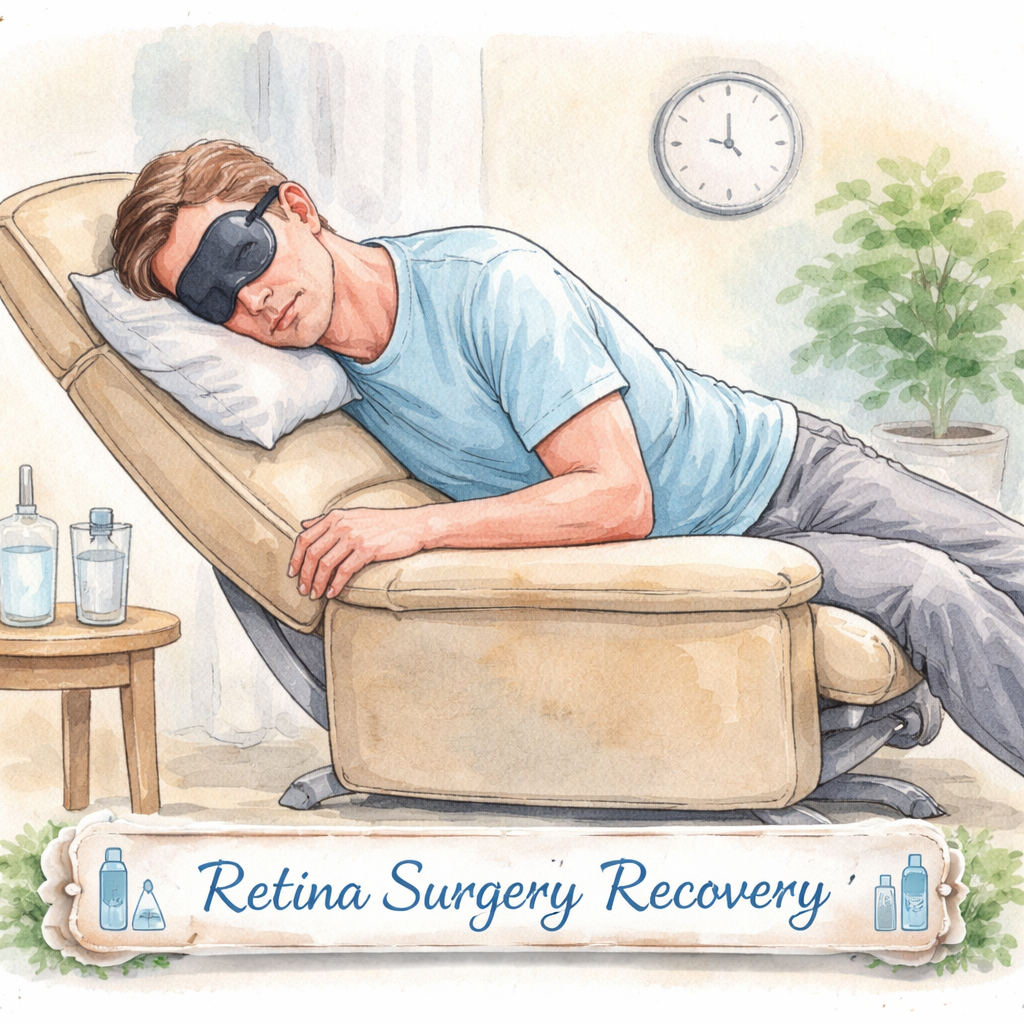
Imagine you just left the operating room after retinal detachment surgery. The nurse hands you a soft eye patch and a list of steps that feel like a maze. You’re told not to drive, not to lift heavy bags, and to keep your head in a strange position for days. It can feel scary. But you’re not alone. Many people in Sydney have walked this road and made it through. This guide walks you through every stage of theretina surgery recovery timeline sydneyso you know exactly what to do, when to rest, and when to call your surgeon. You’ll get practical tips, clear milestones, and a safety net of warning signs. Let’s turn that confusion into confidence.
Initial Recovery (First 0‑2 Weeks)
Theretina surgery recovery timeline sydneystarts the day you get home. Your eye may feel itchy, watery, or like there’s sand inside. That feeling is normal and should ease day by day.
First, arrange a driver. The hospital won’t let you drive after anesthesia, and you need an adult at home for 24 hours. This simple step keeps you safe and gives you peace of mind.
For the first couple of days, you’ll likely notice some blood in your tears or on your pillow. It looks alarming, but it’s a normal part of healing. If the bleeding won’t stop after a few hours, call the clinic.
Take pain relief as directed. Over‑the‑counter options like Panadol work well. Avoid aspirin or ibuprofen because they can raise the risk of bleeding. If pain spikes with nausea, call your surgeon right away.
Keep the eye shield on until your surgeon says it’s okay to remove it. Touching the eye can introduce infection.
Use preservative‑free artificial tears every two to three hours. This keeps the surface moist and eases the gritty feeling.
Watch for red eye that gets worse, swelling that spreads, or a sudden loss of vision. These are red‑flag signs that need immediate attention.
Follow the head‑position instructions. If you have a gas bubble, you may need to stay face‑down for a set time. Use a recliner or stack firm pillows to stay comfortable.
Here’s a quick checklist you can print:
Day 1‑2: Eye shield on, drops every 2 hours, pain med as needed.
Day 3‑5: Start gentle eye movements, keep head‑down if instructed.
Day 6‑7: Attend first follow‑up, review symptom log.
And remember to log any new flashes, shadows, or pain. A simple note helps your doctor spot problems early.
For more details on what to expect right after surgery, see What to Expect After Retina Surgery Sydney. It breaks down the first week step by step.
Two trusted sources explain these basics: Terrace Eye Centre post‑op guide and Armadale Eye post‑surgery guide . Both outline normal symptoms and when to call.
Finally, keep a bottle of lubricating ointment handy for any evening irritation.
Weeks 2‑4: Healing Progress
By the second week, theretina surgery recovery timeline sydneymoves into a steadier phase. Vision may still be blurry, but you’ll notice small improvements each day.
Most patients start to feel less itching and the eye’s redness fades. The patch is usually removed by now, and you can gently clean the skin around the eye with a damp washcloth.
Continue using preservative‑free drops. They keep the surface smooth and help reduce the “sand” feeling that can tempt you to rub the eye.
Light activity is usually allowed. Short walks, light house chores, and desk work are safe as long as you avoid heavy lifting (>5 kg) and vigorous exercise.
Keep a symptom diary. Write down any new floaters, flashes, or a “curtain” effect. A sudden increase in floaters often means the gas bubble is still moving, which is fine. A new dark shadow, however, could signal a re‑detachment and needs a call.
Nutrition matters too. Add leafy greens, carrots, and omega‑3 rich fish to support retinal health. Stay hydrated—aim for about 2 L of water a day.
Here’s a simple daily routine for weeks 2‑4:
Morning: 2 drops of antibiotic, 1 drop of steroid, 3 drops of lubricating solution.
Mid‑day: 2 drops of lubricating drops, short 10‑minute walk.
Evening: Review symptom log, apply ointment if eye feels dry.
If you have a gas bubble, the surgeon may schedule a “bubble check” around week 3. The bubble should be shrinking, and vision will get clearer as it does.
For a deeper dive into how different retina procedures affect recovery, check out What to Expect: Pneumatic Retinopexy Recovery Time Explained . It compares vitrectomy, scleral buckle, and gas‑bubble cases.
External sources for this stage include the same two trusted pages used earlier, which also cover weeks 2‑4 tips.
By the end of week four, many patients can return to light office work and start reading books again, though fine detail may still be fuzzy.
Weeks 4‑6: Returning to Normal Activities
Theretina surgery recovery timeline sydneyenters the final push during weeks 4‑6. Most of the gas bubble is gone, and vision steadies.
Driving is usually cleared after the first follow‑up if your visual acuity meets the legal limit and you feel comfortable. Always confirm with your surgeon before getting behind the wheel.
Exercise can be stepped up. Light jogging, stationary cycling, and yoga are fine. Avoid high‑impact sports or anything that could jar the eye for at least another week.
Screen time should still be limited. Use a matte screen filter and the 20‑20‑20 rule: every 20 minutes, look at something 20 feet away for 20 seconds.
Now is a good time to schedule a comprehensive eye exam. The doctor will use OCT imaging to ensure the retina stays attached and to check intra‑ocular pressure.
Here’s a quick “back‑to‑normal” checklist:
Week 4: Confirm bubble size < 25 % with doctor.
Week 5: Resume driving if cleared.
Week 5‑6: Add light resistance training, avoid >10 kg lifts.
Week 6: Return to most daily tasks, still avoid scuba diving or high‑altitude flights until cleared.
Watch the short video below for a visual of the typical day‑by‑day checklist:
For sleep advice after retinal surgery, see How to Sleep After Retinal Detachment Surgery. Good rest helps the eye heal faster.
External resources for this phase can be found at Terrace Eye Centre and Armadale Eye for final activity guidelines.
Beyond 6 Weeks: Full Recovery Expectations
Even after six weeks, theretina surgery recovery timeline sydneymay still have a few loose ends. Most people see stable vision by week 8, but subtle changes can linger.
Long‑term studies show that cataract formation and macular degeneration are the most common reasons vision may dip years later. Regular eye exams catch these early.
At this stage, you can likely switch back to contact lenses if you used them before, but wait at least six weeks to avoid irritation.
Maintain a diet rich in vitamin A, C, and E. Foods like carrots, spinach, oranges, and oily fish support retinal cells.
Schedule a final OCT scan around the three‑month mark. This confirms that the retina is fully re‑attached and that there are no hidden scar tissues.
Here’s a simple three‑month follow‑up plan:
Month 1: Full vision test, check for residual bubbles.
Month 2: OCT scan, assess intra‑ocular pressure.
Month 3: Comprehensive eye health review, discuss any lingering glare.
If you notice new floaters, flashes, or a dark curtain after this period, call your doctor—late complications can still occur.
For a broader view of post‑vitrectomy healing, read Vitrectomy Recovery Timeline. It lines up with the later stages of theretina surgery recovery timeline sydney.
External sources for long‑term outlook include the PubMed study on 11‑39 year outcomes and the Chatswood Eye overview of retinal anatomy and risks.

Managing Complications & When to Seek Help
Even with careful care, theretina surgery recovery timeline sydneycan hit bumps. Knowing the signs helps you act fast.
Complication | What to Watch For | Action |
Re‑detachment | Sudden dark curtain, loss of vision, flashes | Call surgeon immediately; may need laser or repeat surgery |
Infection | Redness spreading, pus, severe pain, fever | Seek urgent care; start antibiotics as prescribed |
High intra‑ocular pressure | Eye feels hard, headache, blurry vision | Contact clinic; may need pressure‑lowering drops |
Cataract formation | Gradual clouding, reduced sharpness | Discuss cataract surgery options at next check‑up |
For immediate red‑flag symptoms—especially a sudden curtain or sharp pain—don’t wait for the next appointment. Call the clinic within minutes.
Keep your medication schedule strict. Missed steroid drops can allow inflammation to flare, increasing the risk of scar tissue.
Use sunglasses whenever you’re outdoors. Bright light can stress the healing retina.
Limit altitude changes. Flying or mountain trips can raise eye pressure. Wait until your surgeon confirms the gas bubble is gone.
Read more about early warning signs in Eye Surgery Recovery: A Step‑by‑Step Guide. It offers a clear list of symptoms to monitor.
External advice also comes from Dr. Anton Van Heerden’s post‑op guide: Life After Retinal Detachment Surgery , which reinforces the need for prompt action on pain or vision loss.
Conclusion
Theretina surgery recovery timeline sydneymay feel long, but each phase has clear goals. In the first two weeks you protect the eye, keep drops steady, and watch for red flags. Weeks 2‑4 bring gradual visual gain and light activity. By weeks 4‑6 you can drive, work, and enjoy modest exercise. After six weeks, regular checks ensure long‑term health.
Stick to the checklists, keep a symptom log, and follow the head‑position rules. Eat well, stay hydrated, and protect your eyes from bright light. If anything feels off, call your surgeon right away. With these steps, you’ll move from a shaky start to clear, steady sight.
If you need personalized advice, book a follow‑up with Dr. Rahul Dubey in Sydney. He can tailor the timeline to your specific case and answer any lingering questions.
FAQ
How soon can I drive after retinal detachment surgery?
Driving depends on theretina surgery recovery timeline sydneyand your vision clarity. Most surgeons allow it after the first week if your eye pressure is stable and you can read road signs. Always get written clearance from your doctor before getting behind the wheel.
What are the most common warning signs during recovery?
Watch for a sudden dark curtain, flashes of light, sharp eye pain, rapid vision loss, or increasing redness that doesn’t improve with drops. These signs may mean re‑detachment or infection. Call your clinic immediately if any appear.
Can I use contact lenses during the healing period?
It’s safest to avoid contacts for at least six weeks. The lens can rub the healing surface and raise infection risk. Switch to glasses until your doctor confirms the eye is fully healed.
How often should I use my eye drops?
Follow the prescribed schedule—usually three times a day for antibiotics, twice a day for steroids, and every 2‑3 hours for lubricating drops. Missing doses can slow healing or cause inflammation.
Is it normal to see floaters after the surgery?
Yes. Floaters often linger for weeks as the gas bubble moves and the vitreous settles. If they suddenly increase in number or become accompanied by flashes, call your surgeon as it could signal a problem.
When can I return to the gym or do weight training?
Light activity is okay after week 2, but avoid lifting more than 5 kg until week 6. Heavy weight training can raise intra‑ocular pressure and risk re‑detachment. Start with gentle resistance bands and ask your doctor when it’s safe to go heavier.
For more tips on choosing the right watch strap size, you can explore Watch Strap Size Chart: How to Find the Perfect Fit for Your Timepiece . Likewise, learn about watch band sizing at Watch Band Size Guide , and check the Watch Strap Size Guide for detailed measurements. Finally, discover the ideal watch case dimensions at Watch case size guide .
Comments