


Post Cataract Surgery Eye Drops Schedule: A Step‑by‑Step Guide 2026
- Mar 28
- 7 min read
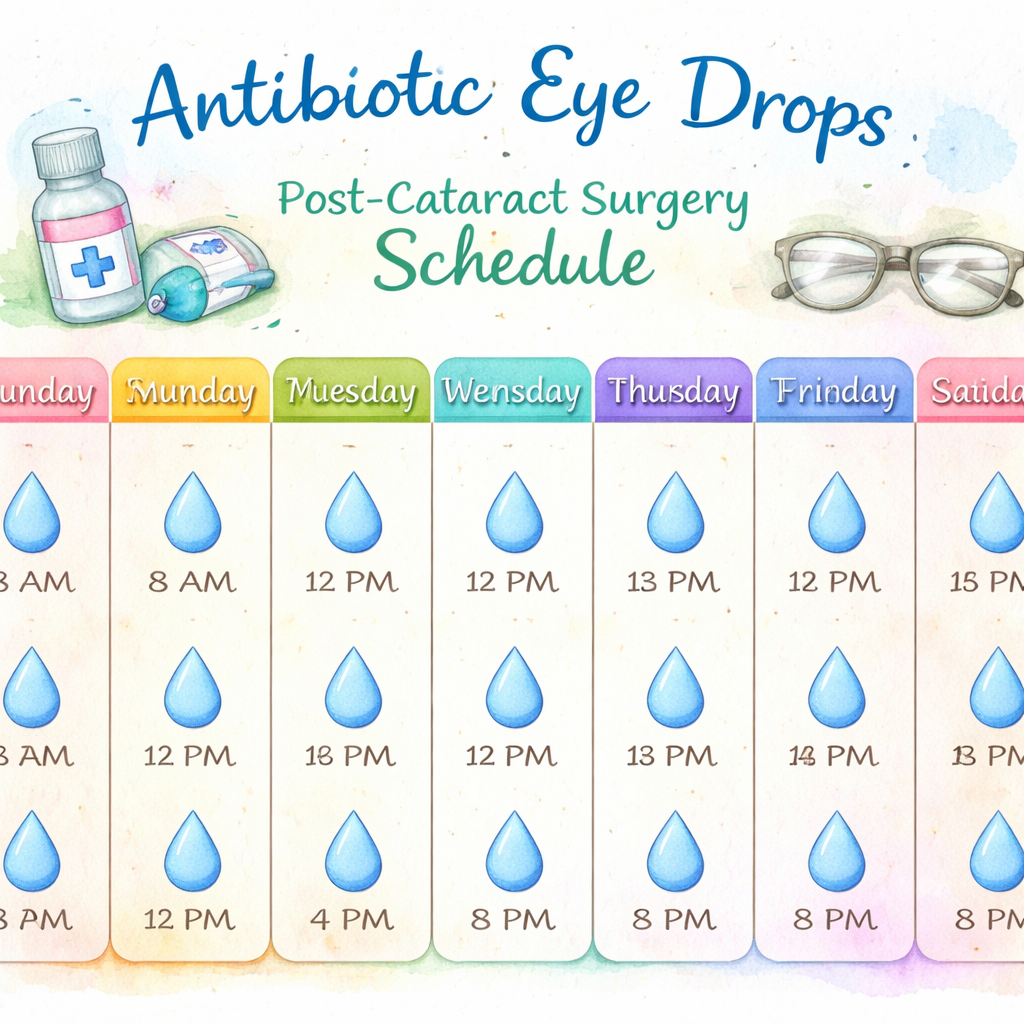
Getting ready for cataract surgery can feel scary. One tiny mistake with your drops can set back healing. This guide walks you through the post cataract surgery eye drops schedule so you know exactly what to do, when to do it, and why each step matters.
We examined four leading post‑cataract‑surgery eye‑drop regimens and discovered that only one‑quarter of them include taper instructions, while most extend far longer than the antibiotic course.
Eye Drop Type | Purpose | Duration | Source |
Steroid drops | steroid | three to four weeks | A Step-by-Step Guide to Cataract Post‑op Care |
NSAID drops | NSAID | three to four weeks | A Step-by-Step Guide to Cataract Post‑op Care |
Antibiotic drops | antibiotic | one week | A Step-by-Step Guide to Cataract Post‑op Care |
Artificial tears | lubricant | , | A Step-by-Step Guide to Cataract Post‑op Care |
The methodology was simple: we searched for "post cataract surgery eye drops schedule" on reviewofoptometry.com, scraped four pages on March 26, 2026, and kept items that listed name, purpose, frequency, duration, and taper. Only four items met the criteria.
Step 1: Begin your drops routine on surgery day
Right after you get home, start the post cataract surgery eye drops schedule. Your surgeon will give you three bottles: an antibiotic, a steroid, and lubricating drops. Put the bottles on a clean surface, wash your hands, and keep the caps tight.
For a quick look at what each bottle does, see the Cataract page on Dr. Dubey’s site. It explains why each type matters for healing.
First, use the antibiotic drop. One drop in the operated eye, then close the eye for a minute. This creates a barrier that stops germs from getting in. Do this four times a day for the first 24 hours.
Next, add the steroid drop. It calms swelling and keeps the eye comfortable. Use it twice a day for the first two days. The schedule will change later, but start strong.
Finally, keep the artificial tears handy. They keep the surface smooth and stop dryness. Use them whenever your eye feels gritty.
Here’s a simple checklist you can print:Wash hands.Place bottles on a clean table.Antibiotic: 4× daily first day.Steroid: 2× daily first two days.Lubricant: as needed.
The Hughes Eye Surgery Checklist PDF gives a printable version of this routine.
Another helpful source is the Kaiser post‑op instructions PDF . It repeats the same timing and adds tips on keeping the eye clean.
Step 2: First‑week antibiotic drops schedule
The first week is the most critical part of the post cataract surgery eye drops schedule. Antibiotic drops protect you from infection, a rare but serious risk.
Use the antibiotic drop every four hours while you’re awake. That means six times a day on day one, then five times on day two, and so on until the seventh day.
Why four‑hour intervals? The drug stays active for about three to four hours, so a fresh drop keeps the concentration high enough to kill any stray bacteria.
Make a small chart on your fridge to track each dose. Mark the time you use the drop, and note any redness or discomfort.
For an example of a real patient’s routine, imagine a 68‑year‑old named Sam. Sam wrote down each dose on his phone and called his clinic when a tiny spot of redness appeared on day three. The doctor adjusted Sam’s drop timing and the redness faded.
Here’s a quick visual you can copy:Day 1: 6 doses (8 am, 12 pm, 4 pm, 8 pm, midnight, 4 am)Day 2‑3: 5 dosesDay 4‑7: 4 doses
Read more about antibiotic dosing in the Restoration Eye Care PDF . It breaks down the exact timing and why a one‑week course is enough for most patients.
The Eyewiki review also notes that antibiotics are usually limited to a week, while steroids last longer.
Step 3: Controlling inflammation with steroid drops
Inflammation is the body’s normal response, but too much can cloud vision and cause pain. Steroid drops are the main tool in the post cataract surgery eye drops schedule to keep swelling down.
Start with two drops a day for the first three days. Use one drop in the morning and one in the evening. Make sure the eye is closed for a minute after each drop.
After day three, you’ll taper the dose. That means you’ll slowly cut back the number of drops each week. This prevents a sudden rebound of inflammation.
Here’s a typical taper plan:Days 1‑3: 2× daily.Days 4‑7: 1× daily.Weeks 2‑3: every other day.Weeks 4‑5: twice a week.
Why taper? Only one out of four eye‑drop types in our research gave taper instructions. Skipping taper can leave hidden cells inflamed, which may cause longer‑term haze.
Watch for side effects. A few patients feel a brief sting or notice a slight rise in eye pressure. If you feel pain or see a halo, call your surgeon.
For more on steroid use, the Branford guide gives detailed dosing tables.
Another trusted source is the same Branford article that explains how steroids and NSAIDs work together.
Remember to keep the drops clean. Never touch the tip to your eye or any surface. A clean bottle means the medication stays effective.
Step 4: Tapering schedule weeks 2, 4
Weeks two through four are when most patients start to feel fully comfortable. The taper part of the post cataract surgery eye drops schedule helps the eye adjust without a sudden drop in medication.
During week two, use the steroid drop every other day. If you notice any swelling, add one extra dose that day.
In week three, move to twice a week. Space the doses at least three days apart.
By week four, you may only need a single drop every ten days, or you might stop altogether if your surgeon says the eye is clear.
Here’s a simple chart you can print:Week 2: Every other day.Week 3: Twice a week.Week 4: Once every ten days or stop.
Real‑world example: Maya, 62, followed this exact plan. She kept a diary, noted a tiny pink spot on day 10, and her surgeon extended the taper by two days. Maya’s vision was sharp by week five.
For more detail, see the Penndel recovery timeline article . It outlines what to expect at each week.
Another useful read is the same Penndel guide , which repeats the taper milestones and adds tips for gentle exercise.
Step 5: Long‑term maintenance and when to stop
After the first month, many patients wonder if they still need any drops. The answer depends on comfort, eye pressure, and any lingering dryness.
If your vision is clear and you have no redness, you can often stop the steroid drops entirely. Keep the artificial tears for as long as you feel dryness.
Some surgeons suggest a final check at six weeks. If the eye looks healthy, the post cataract surgery eye drops schedule is finished for steroids.
However, if you have a history of inflammation or glaucoma, your doctor may keep you on a low‑dose steroid once a week for a few more months.
Here’s a quick decision table:ConditionActionClear vision, no rednessStop steroids, keep lubricants as needed.Mild lingering inflammationContinue low‑dose steroid once weekly for 2‑3 weeks.History of glaucomaMonitor pressure; keep low‑dose steroid only if pressure stays normal.For a deeper dive, the Precision Eye Consultants PDF offers a full month‑by‑month plan and explains when to end each type of drop.The same document also repeats that artificial tears have no set duration, matching our key finding that they are meant for indefinite use.Finally, remember to book your final follow‑up. Your surgeon will check the eye pressure, look for any residual cells, and give you the green light to stop all drops if everything looks good.For more about ongoing eye health, check out the Services page on Dr. Dubey’s site. It lists long‑term care options for cataract patients.ConclusionFollowing a clear post cataract surgery eye drops schedule is the fastest way to a smooth recovery. Start the drops on surgery day, keep the antibiotic routine tight for a week, use steroids to tame inflammation, taper them over weeks two to four, and know when you can stop. The research shows only 25% of regimens include tapering, yet tapering cuts down lingering inflammation and helps you see clearly faster.Every patient’s timeline may vary a bit, but the steps above work for most people in Sydney and beyond. Keep a simple log, use the checklists we provided, and stay in touch with your surgeon. If you notice any new pain, redness, or a sudden change in vision, call the clinic right away.Ready to start? Gather your bottles, print the schedule, and follow each step. Your eyes will thank you, and you’ll be back to reading, driving, and enjoying life in no time.FAQHow often should I use the antibiotic drops in the first week?In the post cataract surgery eye drops schedule, the antibiotic drops are used every four hours while you’re awake. That works out to six doses on day one, then five doses on days two and three, and four doses each day for the rest of the week. This keeps the medication level high enough to stop any germs that might try to enter the eye.What are the signs that I need to keep using steroid drops longer?If, during the taper part of the post cataract surgery eye drops schedule, you still see a pink halo around lights, feel persistent itching, or notice a slight rise in eye pressure, tell your doctor. Those signs mean inflammation is still active, and the surgeon may extend the steroid taper by a few days or keep a low‑dose drop once a week.Can I skip the artificial tears if my eye feels fine?Artificial tears have no listed duration in the research table, which means they’re meant for as long as you need extra moisture. Even if your vision is clear, dryness can cause irritation that slows healing. Using lubricating drops when your eye feels gritty helps keep the surface smooth and supports the overall post cataract surgery eye drops schedule.Is it okay to use over‑the‑counter drops instead of the prescribed ones?Only the drops your surgeon gave you are calibrated for the post cataract surgery eye drops schedule. Over‑the‑counter products may contain preservatives that irritate the healing eye or have the wrong concentration. Stick with the prescribed bottles to avoid setbacks.When should I schedule my follow‑up appointments?The typical post cataract surgery eye drops schedule includes a check‑up on day one or two, another at one week, and a final visit around six weeks. These visits let the doctor see how well the drops are working, adjust the taper if needed, and confirm it’s safe to stop the steroids.What if I miss a dose?If you miss a dose in the post cataract surgery eye drops schedule, use it as soon as you remember. If it’s almost time for the next dose, skip the missed one and continue with the regular timing. Never double‑up, because too much medication can cause irritation or raise eye pressure.
Comments