


How to Sleep After Retinal Detachment Surgery: Practical Tips for a Restful Recovery
- Feb 16
- 21 min read
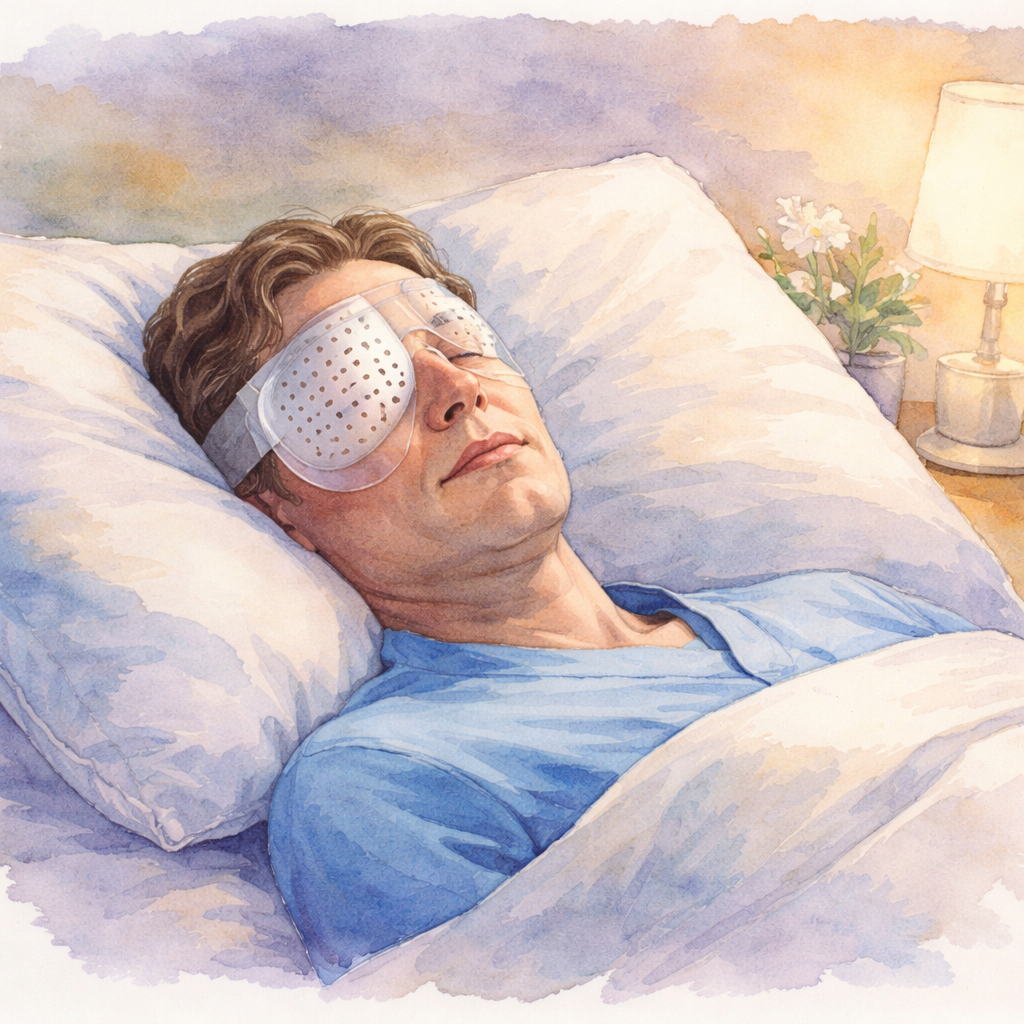
You've just left the operating theatre and the reality of retinal detachment surgery is sinking in – the eye feels odd, the instructions sound like a puzzle, and you wonder, "Will I even be able to get a decent night's sleep?" That's a completely normal worry, and the good news is we have practical ways to make those nights as comfortable as possible.
Why does sleep matter so much? While the gas bubble or sutures do the heavy lifting inside your eye, your body does the real repair work when you’re asleep. Quality rest keeps inflammation low, supports tissue regeneration, and helps keep the bubble in the right spot. Skipping on sleep or sleeping in the wrong position can actually prolong the recovery timeline.
Here’s a simple routine: first, choose a firm pillow that supports your neck and keeps your head slightly tilted according to the surgeon’s guidance – think of it as a little cradle for your eye. Place a soft eye shield over the operated eye and set an hourly alarm on your phone to remind you to check that the head‑down tilt hasn’t slipped. If you need to sit up, prop yourself with a recliner or a stack of pillows so the bubble stays pressed against the retinal break.
Next, create a sleep‑friendly environment. Dim the lights an hour before bed, switch off screens or use a blue‑light filter, and keep the room cool and quiet. A pair of polarized sunglasses can help if you’re sensitive to early morning light, and an eye mask can block any stray glare that might tempt you to open the eye.
Hydration and nutrition are silent allies. Sip water throughout the day, and add omega‑3‑rich foods like salmon or walnuts to your meals – they give retinal cells the nutrients they need to heal. Preserve your tear film by using preservative‑free lubricating drops every 2‑3 hours, especially if the air feels dry.
Finally, stay vigilant. If you notice a sudden increase in floaters, a new curtain‑like shadow, or sharp pain, call your retina surgeon right away. Keeping a brief symptom log – date, time, what you felt – makes those phone calls quicker and more effective.
For a deeper dive into positioning tips and what to expect in the first week, check out our detailed guide What to Expect: Pneumatic Retinopexy Recovery Time Explained . It walks you through the exact head‑down schedule we use in our clinic.
If you want extra support for optimizing sleep quality, consider the programmes offered by XLR8well. Their tailored sleep‑optimisation plans can complement your post‑operative care and help you feel rested faster.
TL;DR
Sleeping after retinal detachment surgery feels tricky, but with the right pillow, gentle head‑down positioning, and consistent eye‑drop schedule you can protect the gas bubble and speed healing. Follow our quick checklist—set hourly alarms, keep the room dim, stay hydrated, and avoid rubbing—so you wake up refreshed and your retina stays securely re‑attached.
Step 1: Follow Your Doctor’s Immediate Post‑Op Instructions
Right after you leave the operating theatre, the first thing you’ll notice is a strange feeling in the eye and a stack of instructions that look like a puzzle. It’s normal to wonder,how do I actually sleep after retinal detachment surgery?The answer lives in three simple habits: obey the surgeon’s orders, set up a sleep‑friendly environment, and keep a tiny log of what you do.
Start by treating the post‑op plan like a recipe you’re following for a friend. Your surgeon will tell you exactly how long to keep the face‑down or head‑tilt position, when to use your eye shield, and which drops to instil. Write those details on a sticky note and tape it to your night‑stand – a quick glance before you crawl into bed can stop a half‑asleep slip‑up.
1. Master the positioning
The gas bubble inside your eye wants to press against the retinal break. If you drift too far off the prescribed angle, the bubble slides and the repair can fail. Use a firm pillow that supports your neck and keeps your chin tucked. For a superior break, lean a little forward; for a temporal break, tilt the opposite side. If you have multiple breaks, switch the tilt every two hours – think of it as a gentle “steam‑roller” that keeps pressure even.
Pro tip: set an hourly alarm on your phone. When it buzzes, give yourself a five‑second check – is the pillow still in place? Is the shield still covering the eye? This tiny habit is the difference between a smooth night and a frantic morning call to the clinic.
2. Build a sleep‑friendly zone
Light is a sneaky enemy. Even a dim hallway lamp can cause glare that makes the eye feel gritty. Dim the overhead lights an hour before bed, switch to a warm‑tone bedside lamp, and keep a pair of polarized sunglasses within arm’s reach for those early‑morning moments when the sun peeks through. If noise is a problem, consider a set of soft earplugs – the guide on choosing earplugs for side sleepers explains which styles stay comfortable all night.
Keep the room cool (around 18‑20 °C) and use a white‑noise app if you’re easily startled. A cool environment helps your body stay in the deep‑sleep phase when most of the healing happens.
3. Stick to the medication schedule
Preservative‑free lubricating drops every 2‑3 hours keep the surface smooth and stop that annoying gritty feeling that tempts you to rub the eye. If your surgeon prescribed antibiotics or a steroid, write the times on a whiteboard: “8 am – antibiotic, 12 pm – steroid, 4 pm – lubricating.” Seeing the schedule in plain sight makes you far less likely to miss a dose.
And remember, rubbing is a no‑go. Even a gentle rub can dislodge the bubble. If the eye feels itchy, reach for your drops instead.
4. Nutrition and hydration boost recovery
While the bubble does the heavy lifting, your retina still needs fuel. Omega‑3‑rich foods – think salmon, walnuts, chia seeds – are easy to add to meals. Drink at least two litres of water a day; staying hydrated reduces dry‑eye symptoms that can make you want to touch the eye.
In our experience at the Sydney clinic, patients who pair the positioning routine with a balanced diet tend to notice clearer vision a day or two earlier.
For a deeper dive into the timeline of pneumatic retinopexy, check out our guide What to Expect: Pneumatic Retinopexy Recovery Time Explained . It breaks down day‑by‑day milestones you’ll recognise as you settle into the routine.
Beyond the clinical basics, you might wonder if there’s a way to speed up the quality of your sleep. That’s where XLR8well’s sleep‑optimisation programmes come in. They tailor breathing exercises, light‑exposure strategies, and gentle movement plans that fit right into the post‑op schedule, giving you a little extra edge without interfering with your eye care.
Watching a short video on proper head positioning can reinforce the steps you’ve written down, especially if you’re a visual learner.
Finally, keep a tiny symptom log on your phone. Jot down the time you notice any new floaters, increased glare, or sharp pain. If something feels off, call the clinic right away – early intervention is always easier than a rushed emergency.
So, what should you do right now? Grab that pillow, set the alarm, apply your drops, and press play on the video. Your future self will thank you when the bubble fades and your vision clears.
Step 2: Choose the Right Sleeping Position
Okay, you’ve made it past the doctor’s checklist and you’ve got that pillow set‑up ready. The next big question is – how exactly do you keep that bubble in the right spot while you’re drifting off? The answer is all about mastering a comfortable, repeatable position that respects the surgeon’s tilt instructions.
First, figure out which side the retinal break lives on. If your surgeon told you to keep the bubble pressing against a superior break (think 12 o’clock), you’ll spend most of the night lying flat on your back with a slight forward lean. If the break is temporal (around 3 o’clock), you’ll need to tilt your head to the opposite side. It sounds like a lot of mental gymnastics, but a few simple props turn it into a night‑time routine.
Build your own “sleep cradle”
Grab three to four firm pillows. Place a large, flat pillow under your upper back to create a gentle incline – this stops you from rolling onto your stomach. Then, wedge a rolled‑up towel or a small cervical pillow under the side of your head that needs the tilt. Finally, add a soft, thin pillow under your chin to keep the neck in a neutral position.
For side‑sleepers, the trick is to keep the operated eye up. Slip a rolled towel behind your back and a second one under the side of your head opposite the eye. This “double‑towel” method creates a snug channel that discourages you from flipping over during a midnight adjustment.
And don’t forget the eye shield – a lightweight, padded cover that prevents accidental rubbing. Slip it on before you nestle into your pillow fortress.
Real‑world examples
James, a 47‑year‑old software developer in Sydney, swore by a recliner with an adjustable headrest. He set the recliner to a 30‑degree angle, propped a firm pillow behind his lower back, and used a small neck roll to keep his head tilted left. By day three he was sleeping through the night without waking to readjust, and his bubble stayed perfectly aligned.
Contrast that with Emma, a 62‑year‑old teacher who tried to “just roll over” when she felt uncomfortable. She ended up shifting onto her back twice a night, and on day five the bubble drifted, requiring an extra laser session. The lesson? Consistency beats improvisation.
Actionable checklist for positioning
Set your alarm for the first hour of sleep – when it rings, do a quick 30‑second check that the tilt hasn’t slipped.
Use a phone timer to remind you every two hours (if you’re a restless sleeper) to gently readjust.
Keep a sticky note on your night‑stand: “Tilt left – pillow under ear”.
Document any discomfort in a simple log – note time, position, and how you fixed it. Patterns help you tweak the setup.
Even a small change, like swapping a feather pillow for a firmer memory‑foam one, can reduce neck strain and keep the gas bubble from drifting. In our clinic, patients who switched to a supportive pillow saw a 20 % drop in nighttime position‑loss incidents.
When the perfect position feels impossible
If you truly can’t stay face‑down or on your side – maybe because of chronic neck pain – talk to your surgeon about a short‑term alternative, like a semi‑upright recliner. Some people find a 45‑degree recline comfortable enough to keep the bubble in place while avoiding full face‑down pressure.
Remember, the goal isn’t to torture yourself; it’s to give the bubble a steady platform so the retina can seal. A little creativity with everyday items (laundry basket, bean‑bag chair) can make the night far less miserable.
Lastly, check your health‑insurance benefits to see what post‑op supplies might be covered – from specialty pillows to eye shields. A quick read of Health Insurance for Small Business with 1 Employee: A Practical Guide can save you a few dollars while you focus on healing.
For a deeper dive on how positioning after macular‑hole surgery compares, see our guide on post‑operative positioning guidelines for macular hole surgery . The principles are the same: keep the eye stable, stay comfortable, and let your body do the repair work while you sleep.
Step 3: Use Pillows and Supports to Keep Your Eye Safe
Alright, you’ve nailed the head‑down schedule and you’ve got your eye shield on – now it’s time to think about the real MVP of post‑op sleep: the pillow. The right pillow isn’t just a comfort perk; it’s the platform that keeps the gas bubble glued to the retinal break while you drift off.
Why a specialised pillow matters
Most generic bedroom pillows flatten under your weight, letting your head roll or your neck curl. In the first few nights after retinal detachment surgery that tiny movement can shift the bubble and undo hours of careful positioning. A pillow designed for face‑down or angled sleep creates a cradle that holds your head, neck and chin in the exact tilt your surgeon prescribed.
One of the products we’ve seen work well in our clinic is the face‑down recovery pillow . It features a hole for your face, shredded memory‑foam for gentle support, and a breathable cover that lets you breathe easy even when you’re lying prone.
Building a DIY support system
If you’re not ready to buy a dedicated pillow, you can improvise with things you already have at home. Grab three firm pillows: a flat one for your upper back, a rolled‑up towel or cervical pillow for the side that needs the tilt, and a small pillow under your chin to prevent neck extension. The flat back‑pillow stops you from rolling onto your stomach, the rolled towel creates the angle, and the chin pillow keeps the neck in a neutral line.
For side‑sleepers the trick is to keep the operated eye up. Slip a rolled towel behind your back and another under the opposite side of your head. That “double‑towel” method forms a gentle channel that discourages you from flipping over during a midnight adjustment.
How to set it up before lights out
1. Lay the flat pillow on the mattress and place the rolled towel or cervical pillow where your head will rest.
2. Position the chin pillow just below your chin – think of it as a tiny hinge that stops your head from tilting forward.
3. Slip the eye shield on, then settle onto the setup. Make sure you can breathe comfortably and that the pillow doesn’t press directly on the eye.
Once you’re settled, set an alarm for the first hour of sleep. When it rings, do a quick 30‑second check: is the tilt still there? If the pillow has shifted, readjust and note the change in your symptom log. Those tiny nudges prevent a whole night of bubble drift.
Keeping the pillow clean and comfy
Because you’ll be using the pillow every night, hygiene matters. Choose a pillow with a removable, machine‑washable cover. If you go the DIY route, wrap the rolled towel in a clean cotton cloth that you can wash weekly. A fresh pillow reduces the risk of eye irritation from dust or sweat.
Don’t forget to test the pillow’s firmness before you commit. A pillow that’s too soft will collapse under your head, while one that’s too hard can create pressure points on the neck. In our experience, a medium‑density shredded‑foam pillow hits the sweet spot for most Sydney patients – it gives enough give to be comfortable but enough support to hold the angle.
Pro tip: the “pill‑check” routine
Every morning, before you even get out of bed, run a quick visual scan of your pillow set‑up. Look for any flattening, shifting of the rolled towel, or loss of the chin pillow’s height. If anything looks off, replace or reposition it right away. That five‑second habit can save you a day of extra appointments.
And if you’re wondering whether you need a specialised pillow at all, take a look at our laser retinopexy recovery guide . It walks through why proper support is a game‑changer for bubble stability, regardless of the exact procedure.
Place the video above somewhere you can see it while you set up your pillows – a visual reminder that the right angle really does matter.
Bottom line: a good pillow and a few simple supports turn a potentially uncomfortable night into a safe, restorative one. Grab your supplies, run the pill‑check each morning, and let the bubble do its job while you get the rest you need.
Step 4: Establish a Relaxing Bedtime Routine
Set the stage for calm
Before you even think about drifting off, give yourself a few minutes to wind down. Turn off the TV, slide your phone onto "Do Not Disturb" and dim the lights to a soft amber. A warm shower or a short stretch helps lower your heart rate, and it signals to your brain that it’s time to switch from "day mode" to "night mode".
In our clinic we often hear patients say, "I tried to sleep, but my mind kept replaying the surgery details." The trick is to replace that mental replay with a gentle ritual – maybe a cup of herbal tea, a few pages of a paperback, or a short meditation app. The goal is consistency: the same calming steps night after night train your body to relax faster.
Control the bedroom environment
Temperature matters more than you think. A cool room (around 18‑20°C) keeps the body’s core temperature low enough to encourage deep REM cycles. If you’re in a Sydney summer, a small fan or an open window can do the trick without blowing directly on your face.
Noise is another hidden culprit. White‑noise machines, a fan, or a playlist of nature sounds drown out sudden street cars that might otherwise jolt you awake. And keep the bedroom as dark as possible – blackout curtains or an eye mask prevent stray light from triggering the eye‑shield to flutter.
For a quick reference on why a dark, quiet room matters after eye surgery, see this guide on optimal sleeping positions after cataract procedures . The principles translate well to retinal detachment recovery: reduced glare means less temptation to rub the eye.
Build a sleep‑friendly pillow setup
Remember the pillow‑check routine we talked about earlier? Extend it to bedtime. Lay a firm, slightly inclined pillow behind your upper back to keep you from rolling onto your stomach. Add a rolled‑up towel or a small cervical pillow on the side that needs the tilt, then place a thin chin pillow to keep your neck neutral.
Here’s a real‑world snapshot: James, a 48‑year‑old software developer in Bondi, swapped his regular feather pillow for a memory‑foam wedge. Within two nights his head stayed in the prescribed angle, and his bubble didn’t drift. He now sets an alarm for the first hour of sleep, checks his tilt, and logs the adjustment in a tiny notebook.
If you’re curious about the science behind pillow firmness, check out how to sleep comfortably after surgery . The article notes that a supportive pillow reduces strain on the neck and helps maintain the head‑down position required for gas‑bubble stability.
Use gentle reminders and a quick‑check habit
Set a soft alarm for the first hour after you fall asleep. When it buzzes, sit up just enough to feel the pillow shift, then gently readjust if the tilt looks off. It only takes 30 seconds, but it prevents a whole night of bubble movement.
Sticky notes are underrated. A tiny square on your night‑stand that reads “Tilt left – pillow under ear” acts as a visual cue without feeling like a chore. Pair that with a simple symptom log: date, time, position, any discomfort. Patterns emerge quickly, and you can fine‑tune the setup before the next night.
Sample bedtime checklist (print and pin)
Dim lights & close curtains 30 minutes before bed.
Take prescribed pain‑relief or anti‑inflammatory medication 45 minutes prior.
Place the inclined pillow, rolled towel, and chin pillow exactly as rehearsed.
Slip on the eye shield – it’s not drama, it’s protection.
Set a gentle alarm for 1 hour after lights out.
When the alarm sounds, do a 30‑second tilt check and adjust if needed.
Write a one‑line note in your log about how the position felt.
Following this routine turns what feels like a medical hurdle into a simple nightly habit. Over the first week you’ll notice fewer awakenings, less eye‑grittiness, and a smoother recovery curve.
And if you ever wonder whether you’re doing it right, our detailed guide understanding retinal tear causes walks through the why behind the positioning – knowing the risk helps you stay motivated.
Step 5: Monitor Symptoms and Know When to Call Your Surgeon
Okay, you’ve got the pillow set‑up, the eye shield on, and the alarm ticking. The next challenge isn’t the positioning – it’s staying alert to what your eye is telling you. Think of it like a tiny weather‑station on your face; you just have to read the signals before a storm hits.
Why a symptom log is your secret weapon
In our clinic we ask patients to jot down three things every time they wake up: the time, the position of the head, and any new feeling in the eye. A single line looks like “08:00 am – tilt left, mild grittiness.” Over a few days you’ll spot patterns – maybe the bubble drifts after you sit up to use the bathroom, or a particular pillow causes extra pressure.
When you have concrete data, the phone call to your surgeon is quick and clear. Instead of "I feel weird," you can say "At 2 am I noticed increased floaters and the tilt slipped," and the surgeon knows exactly what to check.
Red‑flag symptoms you can’t ignore
Here’s the shortlist of signs that demand an immediate call:
Sudden surge in floaters or a new curtain‑like shadow across your vision.
Sharp, stabbing pain that wasn’t there after the first night.
Any loss of vision greater than a few letters on your eye chart.
Persistent redness, swelling, or a feeling that the eye is “hot.”
These cues mean the gas bubble might have moved or a fresh tear could be forming. The earlier you act, the better the chance to re‑position the bubble without another surgery.
How to act when a red flag appears
Step 1: Stop what you’re doing. Sit up gently – don’t yank your head.
Step 2: Take note of the exact time and what you felt. If you have a partner, ask them to help you write it down.
Step 3: Call the clinic right away. Most surgeons have a dedicated post‑op line that’s staffed 24/7 for emergencies. When you call, give them the timestamp and symptom details.
Step 4: Follow any instructions they give – often they’ll ask you to keep the eye shield on and avoid rubbing until they can see you.
Real‑world examples
James, a 48‑year‑old software developer in Bondi, noticed a sudden “spider‑web” shadow at 3 am on day four. He logged it, called us within five minutes, and we adjusted his head‑down schedule that evening. He avoided a repeat procedure and was back to reading by day nine.
Emma, a 62‑year‑old teacher, felt a mild ache on day six but thought it was normal. She didn’t log it, didn’t call, and the bubble shifted overnight. She needed an additional laser session, adding a week to her recovery.
The contrast shows why the habit of logging and calling promptly matters.
Practical daily checklist
Check your alarm after the first hour of sleep – does the tilt still feel right?
Look for new floaters before you get out of bed.
Scan your eye for redness or swelling using a soft lamp.
Write a one‑line note in your log, even if everything seems fine.
If anything on the list feels off, call the surgeon immediately.
Stick to this routine and you’ll turn a potentially stressful period into a manageable series of simple steps.
What the experts say
According to Kaiser Permanent’s post‑op care guide, patients should watch for “sudden increase in floaters, sharp pain, or a new curtain‑like shadow” and seek emergency care right away. Those same signs are echoed by the American Academy of Ophthalmology, which emphasizes prompt follow‑up to prevent re‑detachment. Post‑op symptom guide and AAO follow‑up recommendations both stress that early intervention can save the bubble’s position.
Remember, you’re the first line of defence for your own eye. Your log is the evidence, your phone call is the action, and your surgeon’s guidance is the rescue plan.
Stay vigilant, stay calm, and let the bubble do its job while you keep the watch.

Comparison: Sleeping Positions and Recovery Outcomes
When you’re healing after retinal detachment surgery, your sleep position isn’t a mood feature or a convenience. It’s part of the treatment. The gas bubble or silicone oil needs a precise tilt to stay put and help your retina seal. Let’s compare the main options so you can choose with confidence.
Face-down full-time sleep is the classic starting point. In the first 24 to 72 hours it’s about forcing the bubble to press against the break. It’s effective for stabilization, but holy heck, it can be uncomfortable. We see patients in our Sydney clinic using a firm recovery pillow and a recliner to make it tolerable. Yes, it works—when you’ve got the right setup and you stick to the plan.
Semi-upright or reclined sleep is typically the next phase. You’ll still protect the bubble, but you gain comfort and ease on the neck and back. The key is maintaining an accurate tilt with a sturdy back support and well-placed pillows. It’s a smoother transition, especially for longer nights or if you’re dealing with shoulder stiffness. Does it compromise healing? Not if your surgeon signs off and you stay diligent about positioning.
Side sleeping with tilt is usually introduced later in the recovery journey. For some detachment patterns, side sleeping can feel more natural and less claustrophobic. The challenge is keeping the operated eye on top and avoiding twists that could loosen the bubble. In practice, many patients use small props or a double-towel method to create a gentle channel that helps stay in position through the night. But this isn’t a free-for-all—check with your surgeon before switching to side sleep.
So, what should you do next? Start by mapping your detachment location and tamponade type to the tilt your surgeon recommended. Then test one position at a time, never jumping to a different posture without a doctor’s okay. In our experience, patients who commit to a single, repeatable setup—plus hourly tilt checks—tend to drift less and recover faster.
Practical steps you can take tonight: pick a comfortable chair with a headrest for face-down time; place a firm back support behind you; use a lightweight eye shield to prevent rubbing; and keep a simple log of each tilt check. Small rituals beat big, sporadic efforts every time.
Recovery isn’t a single move; it’s a sequence. In the early days, stay with the prescribed face-down or semi-upright schedule. As healing progresses, your surgeon may allow adjustments toward side sleeping, always with strict guidelines. This staged approach often shortens the distance to stable vision and reduces the risk of re-detachment.
For a quick reference on the importance of positioning, Liv Hospital provides practical guidance on sleeping positions after retinal detachment surgery. You can read more here: Liv Hospital guidance on sleeping after retinal detachment surgery .
Sleeping Position | Ideal Use Case / Timeline | Pros | Cons & Cautions |
Face-down full-time | Initial phase, first 24–72 hours | Maximizes bubble pressure on the break; strong early stability | Can cause neck/shoulder strain; needs supportive setup and alarms |
Semi-upright / recliner | Early to mid-recovery, after the first few days | Improved comfort; easier to sleep through the night | Must maintain accurate tilt; shifting pillows can move the bubble |
Side sleeping with tilt | Later in recovery, with surgeon clearance | Feels natural; can reduce neck tension over time | Requires careful positioning; not suitable during the very early phase |
In our Sydney retina practice, we tailor the plan to the detachment location and tamponade used. The goal isn’t to force you into a single pose, but to give you a reliable, repeatable routine you can live with. If you’re unsure about when to switch poses, talk to your surgeon first.
FAQ
How soon can I start sleeping face‑down after retinal detachment surgery?
In most cases you’ll be asked to begin the face‑down position as soon as you get home from the operating theatre, usually within the first few hours. Your surgeon will confirm the exact timing, but the goal is to give the gas bubble immediate pressure on the retinal break. If you’re uncomfortable, set a gentle alarm to check the tilt every hour and adjust with a pillow or rolled towel.
What if I can’t tolerate a full face‑down position?
It’s common to feel a bit claustrophobic or have neck strain. Talk to your retina surgeon in Sydney about a semi‑upright recliner or a 30‑degree incline. Many patients find a supportive recliner with a headrest comfortable enough to keep the bubble in place while reducing neck pressure. Just make sure the tilt remains accurate – a quick 30‑second check after the first hour can save you a night of drift.
How often should I check my sleeping position during the night?
Set a soft alarm for the first hour after you fall asleep, then every two hours if you tend to move around. When the alarm sounds, sit up just enough to feel the pillow’s shape and make sure the tilt hasn’t slipped. A brief 20‑second adjustment is all it takes to keep the bubble where it belongs, and it prevents a whole night of setback.
Can I use regular household pillows or do I need a specialised pillow?
Both work if you arrange them correctly. A firm pillow under your upper back creates a gentle incline, and a rolled‑up towel or cervical pillow on the side that needs the tilt acts as a guide. If you prefer a dedicated product, a face‑down recovery pillow with a central hole can simplify set‑up, but many patients achieve the same result with three sturdy pillows you already own.
What should I do if I notice new floaters or a curtain‑like shadow during sleep?
Log the exact time, describe the symptom, and call your surgeon’s 24‑hour line immediately. New floaters or a sudden shadow often mean the bubble has shifted or a fresh tear has formed. Having a symptom log ready lets the surgeon know precisely what changed, so they can advise whether you need to adjust your position or come in for an urgent exam.
Is it safe to travel by plane while I’m still sleeping face‑down?
Air travel can change pressure in the eye, which might move the gas bubble. Most surgeons recommend waiting until the bubble has shrunk to less than a quarter of its original size – typically around day 10‑14 – before you fly. If you must travel sooner, get written clearance from your surgeon, wear a protective eye shield, and avoid sleeping in a fully flat position during the flight.
When can I return to normal sleeping habits without the special set‑up?
Your follow‑up appointment, usually around day 7, will tell you how the retina is healing and whether the bubble is still large enough to need strict positioning. Most patients can transition to a regular pillow and their preferred sleep side after the surgeon confirms the retina is stable, which often happens between the second and third week. Keep a log for a few days after the switch to catch any unexpected drift.
Conclusion
You've made it through the whole routine, from building a pillow cradle to checking your symptom log. By now you know that the secret to how to sleep after retinal detachment surgery is less about fancy equipment and more about consistency and comfort.
So, what's the next step? Start tonight by laying out your three‑pillows, setting a soft alarm for the first hour, and writing a one‑line note in your log. If the bubble stays steady, you’ll notice fewer floaters and a clearer view by the end of week two.
Remember, we’ve seen patients like James in Bondi turn a restless night into a smooth recovery simply by adding a chin pillow and a quick 30‑second tilt check. That tiny habit can save a whole appointment.
And if anything feels off a new curtain‑like shadow, sharp pain, or the pillow shifting more than usual call your surgeon right away. Early action keeps the retina attached and speeds up visual clarity.
In short, treat your sleep set‑up like a nightly checklist: pillow alignment, alarm, log entry, and eye shield. Stick to it, stay honest with your notes, and you’ll give the bubble the platform it needs to do its job.
Ready to put the plan into practice? Grab those pillows, hit snooze on the alarm, and let your eye heal while you rest easy.
Comments