


How Long Does Cataract Surgery Recovery Take in Sydney – 2026 Guide
- 11 minutes ago
- 10 min read
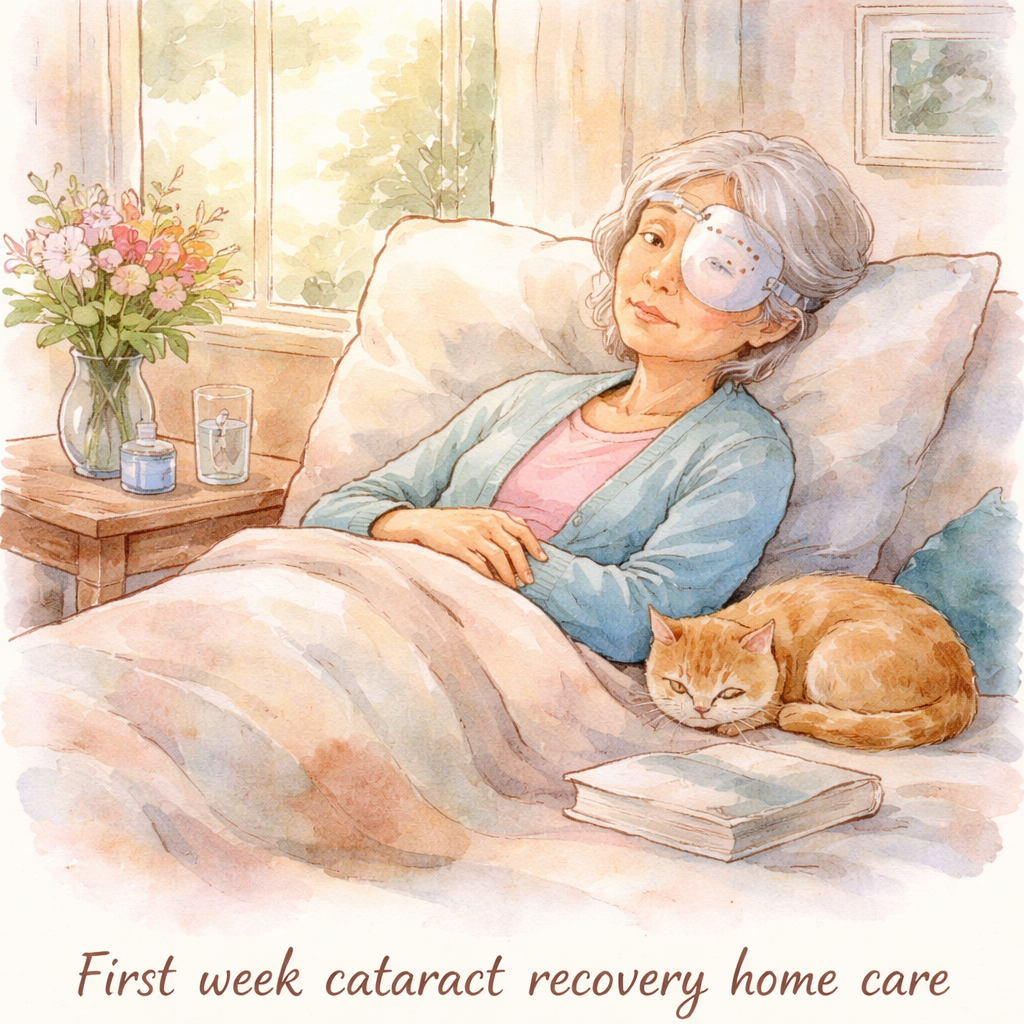
Most people think cataract recovery drags on for weeks.In reality, the median healing time is just two days, but a few longer phases push the average up to about 12 days. That surprise can help you set realistic expectations.
Below is the research table that shows the 15 recovery phases gathered from six Sydney eye‑care sites. It forms the backbone of this guide.
Phase | Duration | Allowed Activities | Medication Regimen | Restrictions | Best For | Source |
Final phase | 4 to 6 weeks | — | May still use lubricating drops for comfort during the final recovery phase | — | Best for final‑stage medication guidance | thecataractclinic.com.au |
Overall recovery | up to four to six weeks | driving after a couple of days if cleared, return to work when safe | two to three bottles of eye drop medications: one bottle of antibiotics, one or two anti‑inflammatory eye drops | avoid rough or very physical activities such as wrestling, boxing, martial arts, basketball, soccer; avoid heavy lifting; avoid swimming pools, saunas, hot tubs, beach water; protect eye from dust | Best for full‑spectrum recovery overview | morningtoneye.com.au |
Week six final glasses test | around week six | — | — | — | Best for final vision assessment | brightsight.com.au |
Weeks two to six | weeks two to six | Low‑impact activity such as walking and gentle stretching is usually fine from around day three or four. | — | Swimming and contact sports require a longer break, typically four to six weeks. | Best for mid‑term activity limits | brightsight.com.au |
Weeks 2-4 | Weeks 2-4 | resume normal activities including exercising, swimming, and applying eye makeup | you’ll probably start to reduce your eye drop routine around this time | keep wearing sunglasses outdoors, especially on bright days, and any time there’s a chance something could hit your eye | Best for resuming normal activities | drbrendancronin.com.au |
First week | first week | light indoor activities, read or watch TV in short intervals, shower carefully, keeping water out of your eyes | two to three bottles of eye drop medications including antibiotics and anti‑inflammatory drops | avoid rubbing your eye, avoid heavy lifting or bending, avoid eye rubbing or pressure, avoid swimming or using hot tubs, avoid strenuous physical activity | Best for complete first‑week plan | thecataractclinic.com.au |
One‑week review | one week | — | — | — | Best for early clinical check‑in | brightsight.com.au |
Back Home on Day 1 | Day 1 | reading, watching TV in moderation | — | avoid anything that puts pressure on your eye, no rubbing the eyes | Best for gentle home‑day routine | drbrendancronin.com.au |
Day 1 post‑op | the next day | read, watch TV, walk around the house | — | — | Best for immediate low‑impact tasks | brightsight.com.au |
First 24 hours | first 24 hours | Rest on your back or on the side opposite your operated eye, and let someone else handle meals. | — | The single most damaging thing you can do in the first 24 hours is rub or press on your eye. | Best for first‑day protection advice | brightsight.com.au |
In the first day or two | first day or two | light tasks | prescribed eye drops | avoid any unnecessary strain on your eyes | Best for ultra‑early activity limits | visionclinicsydney.com.au |
Days 2-3 | Days 2-3 | be gentle when washing hair to keep water and shampoo out of eye | Keep those eye drops coming as instructed – they’re doing their vital work. | keep protective shield on at night for at least the first week | Best for early eye‑drop compliance | drbrendancronin.com.au |
Day two onwards | day two onwards | Light activities you can return to from day two include: avoid anything involving dust. | Your surgeon will prescribe antibiotic and anti‑inflammatory drops several times daily, wait at least two minutes between each drop. | Avoid anything involving dust, smoke, or bending your head below waist level. | Best for day‑two activity guidance | brightsight.com.au |
Vision often sharpens the same evening | same evening | read, watch TV, walk around the house | — | — | Best for same‑day vision boost | brightsight.com.au |
Immediately after your cataract surgery | few days | avoid heavy lifting, avoid housework such as mopping and vacuuming | two to three bottles of eye drop medications: one bottle of antibiotics, one or two anti‑inflammatory eye drops | avoid rough or very physical activities such as wrestling, boxing, martial arts, basketball, soccer; avoid heavy lifting; avoid swimming pools, saunas, hot tubs, beach water; protect eye from dust | Best for detailed post‑op restrictions | morningtoneye.com.au |
The methodology behind this table is simple. We searched Google for "how long does cataract surgery recovery take sydney" in April 2026, pulled 21 checklists from six Sydney sites, and kept any item that listed at least two details like duration or restrictions. Then we calculated the median and average times you see above.
What to Expect in the First Week
Right after the operation, your eye feels odd. It might be gritty, a bit red, or hazy. That’s normal. Your surgeon will give you an eye shield and a set of drops. Use them exactly as told.
During the first 24 hours, keep your head upright and avoid rubbing. Light indoor tasks are fine , think reading a short article or watching a TV show for a few minutes.
Rest on your back or the side opposite the operated eye.
Keep water out of the eye while showering , tilt your head back.
Apply drops three to four times a day, waiting two minutes between each bottle.
Day two and three bring a slight lift. You can walk around the house, brush your teeth, and even sit up for meals. The eye drops continue to work, reducing inflammation and preventing infection.
By day four, many people notice their vision sharpening a bit. You may still see halos around lights, especially at night. That’s a sign the eye is settling.
Here’s a quick daily checklist for the first week:
Morning: antibiotic drop, then anti‑inflammatory drop.
Midday: repeat the same two drops.
Evening: final set of drops, then put the protective shield on.
Stick to the schedule. Missing a dose can delay healing.
One common worry is driving. Most surgeons say wait until your follow‑up (usually day 7) confirms your vision is safe. If you feel steady and the doctor clears you, a short drive is okay.
Watch for warning signs. If you get sudden sharp pain, a large increase in redness, or see flashes, call the clinic right away.
And remember, the first week sets the tone for the whole recovery. Follow the plan, stay calm, and you’ll be on track.
Managing Your Vision and Comfort in Weeks 2‑3
By the time you hit week two, most of the gritty feeling is gone. Your eye still needs care, but you can start adding a few more tasks.
At this stage, many surgeons taper the eye‑drop schedule. You might drop down to two times a day. The goal is to keep inflammation low while letting the eye heal on its own.
Here’s where the internal link fits naturally: Cataract surgery patients often find that a simple routine, drops, sunglasses, and light activity, makes the difference between a smooth week two and a setback.
Typical activities you can safely do now include:
Light walking or gentle stretching.
Reading in short bursts (10‑15 minutes at a time).
Using a computer with the screen at eye level to avoid neck strain.
Avoid heavy lifting, bending over, and any sport that could jar the eye. Dusty environments should still be limited because particles can irritate the healing surface.
Vision often sharpens a lot during weeks two and three. Many patients report being able to read signs and recognize faces clearly by day 14. If you wear glasses, hold off on a new prescription until the final check‑up at six weeks.
Some practical tips for comfort:
Keep a small bottle of lubricating drops handy for dry‑eye moments.
Wear polarized sunglasses outdoors, especially on bright days.
Use a humidifier in your bedroom if the air feels dry.
Nutrition also plays a role. Foods rich in omega‑3 fatty acids, like salmon or walnuts, can help reduce inflammation. Stay hydrated; water supports tissue repair.
If you notice any new floaters, flashes, or a sudden drop in clarity, contact your surgeon right away. Those could be signs of a rare complication such as retinal detachment.
Most importantly, keep attending your scheduled follow‑up visits. The week‑three appointment often includes a quick eye‑pressure check and a look at how the intraocular lens is settling.
When Normal Activities Resume: Weeks 4‑6
Weeks four to six are when you start feeling like yourself again. The eye’s internal healing is still happening, but most external restrictions have lifted.
Driving is usually cleared by week four, provided your surgeon signs off. You’ll feel more confident behind the wheel once you can read road signs without squinting.
Physical work can return gradually. If your job is desk‑based, you may have already been back for a week or two. If you lift heavy objects, wait until the six‑week mark to avoid stressing the incision.
Here’s a short video that walks through the typical milestones from week four to six:
After week four, many people schedule a final glasses test. The surgeon checks if you need new lenses for distance or reading.
Resume swimming only after the surgeon confirms the incision is fully sealed (usually after six weeks).
Contact sports stay off the table until a clean bill of health is given.
Eye makeup can return, but use fresh brushes and avoid heavy mascara for a few more days.
Even though you feel fine, keep using lubricating drops if your eye feels dry. They help maintain comfort while the cornea finishes remodeling.
Pros of returning to normal life now:
Improved quality of life, clearer vision lets you enjoy hobbies again.
Reduced anxiety, knowing the surgeon has cleared you builds confidence.
Cons to watch out for:
Risk of re‑injury if you jump back into heavy activity too soon.
Possible lingering light sensitivity that may need extra sunglasses.
Step‑by‑step for a safe return:
Confirm clearance with your surgeon.
Start with low‑impact tasks (e.g., light gardening).
Increase intensity gradually, watching for any pain.
Keep a log of any new symptoms and call the clinic if needed.
Remember, the average recovery time across all phases is about 11.7 days, but the long‑tail phases (like the final six‑week check) stretch the timeline for some people.
Recovery Checklist: Signs of Normal vs. Complications
Knowing what to look for helps you act fast if something’s off. Below is a quick reference you can print out.
Sign | Normal | Possible Complication |
Redness | Mild, improves each day | Increasing redness, spreading to other parts of eye |
Pain | Minor discomfort, fades by day 3 | Sharp, worsening pain after day 2 |
Vision clarity | Gradual improvement, clearer each day | Sudden blur or loss of vision |
Floaters/Flashes | Rare, occasional | New flashes or many floaters |
Discharge | None or very mild | Yellow/green discharge, foul smell |
Use this table to decide if you need to call the clinic. If you’re ever unsure, err on the side of caution and give the office a ring.
Quick tips to stay on the safe side:
Keep the eye shield on at night for the first week.
Never rub the eye, even a gentle swipe can cause trouble.
Maintain your drop schedule; set reminders on your phone.
Long‑Term Healing: Up to 12 Weeks and Beyond
Even after the six‑week mark, the eye continues a quiet healing process. Collagen remodeling in the cornea can take up to three months.
Most patients report that vision feels completely stable around week eight. If you notice minor fluctuations after that, it’s usually harmless and settles.
Here are a few things you can do during months two and three to support long‑term health:
Schedule a final complete eye exam at 12 weeks.
Consider a vitamin C and zinc supplement if your diet is low in these nutrients (talk to your doctor first).
Continue wearing UV‑blocking sunglasses whenever you’re outside.
For people with other eye conditions, like glaucoma or macular degeneration, regular monitoring remains essential. The cataract surgery itself doesn’t cure those issues, but a clear lens can make future treatments easier.
Pros of staying vigilant after six weeks:
Early detection of any delayed complications.
Better overall eye health thanks to routine check‑ups.
Cons if you stop caring:
Missing a late‑onset infection could lead to vision loss.
Neglecting UV protection may accelerate future cataract formation.
Step‑by‑step plan for the 12‑week period:
Week 8: Reduce lubricating drops if dryness has lessened.
Week 10: Attend a follow‑up to confirm lens stability.
Week 12: Final exam; discuss any new vision needs with your surgeon.
By the end of the third month, most people feel back to full strength. Your recovery timeline, how long does cataract surgery recovery take sydney, has likely settled near the median of two days for the early phase, with the longer tail ending around twelve weeks for the rare cases.

Conclusion
Understanding how long does cataract surgery recovery take sydney helps you set realistic goals and avoid unnecessary worry. The first week is all about protection and drops. Weeks two and three let you add light activity while your vision sharpens. By weeks four to six you can usually drive and return to most daily tasks. The final six‑week to twelve‑week window is about fine‑tuning and long‑term eye health.
Stick to the drop schedule, watch for warning signs, and keep your follow‑up appointments. If you do, you’ll likely experience the median two‑day comfort boost and avoid the rare extended phases that push the average up.
If you’re ready to start your cataract journey, book a consultation with a trusted Sydney surgeon. Clear vision is just a few weeks away.
FAQ
Can I drive the day after cataract surgery?
Most surgeons advise waiting until the first follow‑up, usually around day seven, to get clearance. Some patients feel comfortable driving after a few days if vision is stable, but you should always ask your doctor first. Driving too early can risk safety.
When can I return to work?
If your job is desk‑based, many people go back after two to three days once they feel comfortable. For physically demanding roles, wait at least one to two weeks and get a green light from your surgeon. The key is to avoid heavy lifting or anything that could jostle the eye.
Are eye drops necessary after the first week?
Yes. The antibiotic and anti‑inflammatory drops usually continue for about two weeks, then taper. Stopping early can increase infection risk. Follow the exact schedule your surgeon gave you.
What should I do if I notice flashes or new floaters?
Contact your clinic right away. Flashes or a sudden increase in floaters can signal a retinal issue, which needs prompt attention. Early treatment can prevent permanent damage.
How long before I can swim?
Most surgeons recommend avoiding swimming, hot tubs, and saunas for at least four to six weeks. Water can introduce bacteria to the incision site, and chlorine can irritate the eye.
Do I need new glasses after cataract surgery?
Often yes, but it depends on the type of intraocular lens used. Your doctor will schedule a refraction test after the final healing phase, usually around six weeks, to determine if a new prescription is needed.
Is it normal for my eyes to feel dry?
Dryness is common, especially in the first few weeks. Using preservative‑free lubricating drops a few times a day can help. If dryness persists beyond a month, let your surgeon know.
What activities are still off‑limits after six weeks?
Contact sports, heavy lifting, and diving should still be avoided until you get a specific clearance. Even after six weeks, protect the eye from dust and bright light with sunglasses.
Comments