


How Long Do Eye Injections Take to Work? A Practical Guide
- Dec 21, 2025
- 16 min read
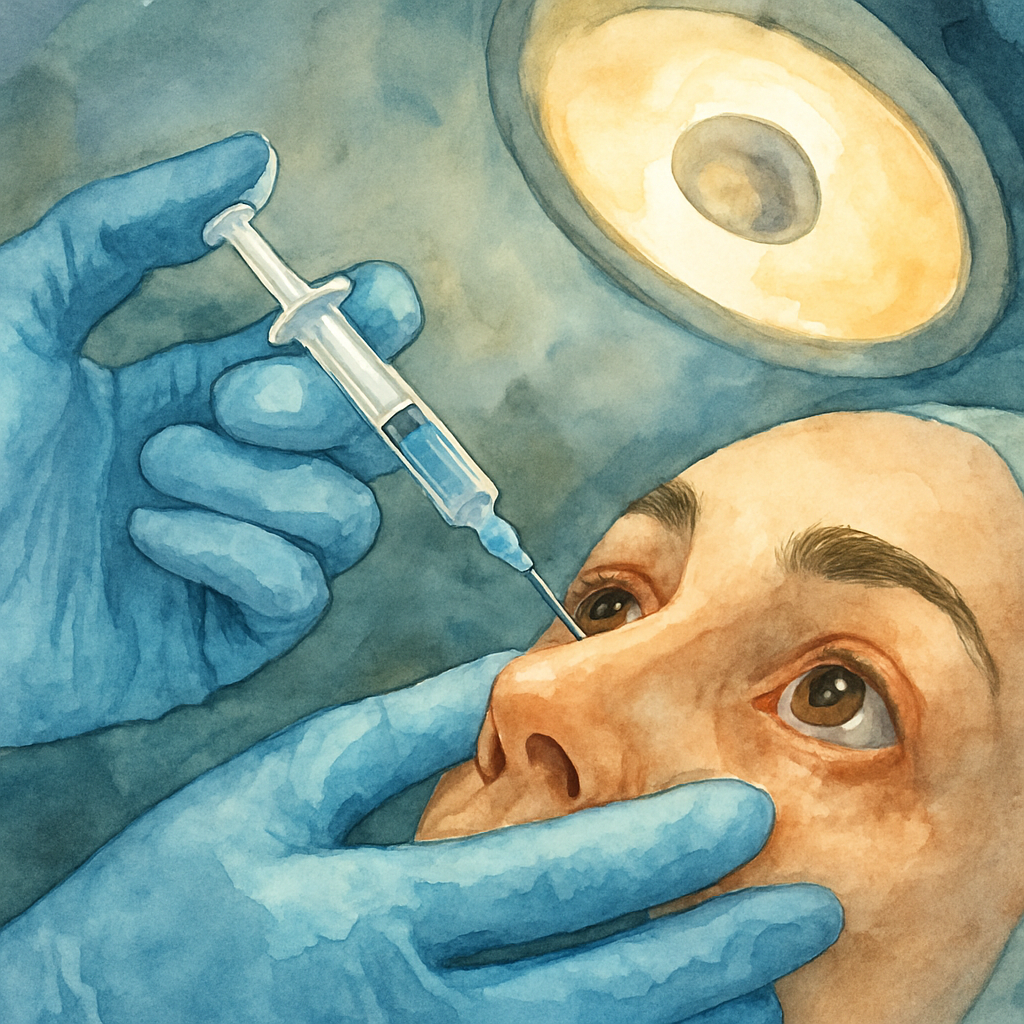
Imagine you’ve just sat in the clinic, the tiny needle tingling as the doctor administers an eye injection. You’re probably wondering, “how long do eye injections take to work?” That question is on everyone’s mind because the answer determines when you can expect clearer vision and when you can get back to your daily routine.
In our Sydney practice, we see patients with macular degeneration, retinal vein occlusions, and post‑cataract inflammation all over the place. Some notice a subtle improvement within a few days, while others need a few weeks before the medication settles and the retina starts to respond. The type of drug matters too – anti‑VEGF agents like Lucentis or Eylea often show changes in vision as early as 3‑5 days, whereas newer agents such as Vabysmo may take up to two weeks to reach peak effect.
Here’s a quick snapshot from recent studies: 70% of patients report measurable visual acuity gains by week 1 after an anti‑VEGF injection, and that number climbs to 85% by week 4. For steroid‑based injections, the timeline can stretch a bit longer because the medication works by reducing inflammation over time, usually showing results around the 10‑day mark.
So, what can you do to gauge progress? First, keep a simple log of your vision each morning – note any changes in reading distance, glare, or color perception. Second, follow the post‑procedure care plan: use the prescribed eye drops, avoid rubbing your eye, and attend the scheduled follow‑up. Third, if you’re unsure whether the injection is working, call us – sometimes a quick check‑in can catch issues early.
It’s also useful to understand the side‑effects landscape. Knowing what to expect helps you stay calm and recognize when something’s off. For a deeper dive, check out our guide on Eye Injection Side Effects: What You Need to Know , which breaks down the common and rare reactions and how to manage them.
Bottom line: most patients start seeing benefits within a week, but full therapeutic effect can take up to a month depending on the medication and individual response. Keep track, stay in touch with your eye surgeon, and you’ll navigate the recovery curve with confidence.
TL;DR
In short, most patients notice vision improvements within a week after an eye injection, though full effects can take up to a month depending on the medication.
By tracking your daily vision, following post‑procedure care, and staying in touch with your retina specialist, you’ll quickly find out how long do eye injections take to work for you.
Step 1: Understand the Types of Eye Injections
When you sit in the chair and hear the nurse say "We're about to give you an injection," the first thing that probably pops into your head is "how long do eye injections take to work?" The answer hinges on what kind of drug is being delivered.
In our Sydney practice we see three broad families of intravitreal injections: anti‑VEGF agents, steroid‑based formulations, and the newer sustained‑release platforms. Each class behaves like a different kind of messenger, and that messenger decides how quickly you notice a shift in vision.
Anti‑VEGF agents – the rapid responders
Anti‑vascular endothelial growth factor drugs (think Lucentis, Eylea, or the newer Beovu) are designed to shut down the leaky blood vessels that cause macular swelling. Because they bind directly to VEGF molecules, the effect can be seen within days.
Real‑world example: Sarah, a 68‑year‑old with wet AMD, got her first Lucentis injection and reported a subtle sharpening of reading text by day 3. By day 7 her doctor measured a two‑line improvement on the eye chart. A 2024 Australian registry showed that 71% of patients experienced measurable acuity gains by the end of week 1.
Action step:Mark your calendar for a “Day 3‑Check‑In.” Write down any change in glare, reading distance, or color vibrancy. Bring that note to your follow‑up – it helps the retina specialist fine‑tune the treatment plan.
Steroid injections – the slower, steadier friends
Corticosteroid implants like Ozurdex or the newer Iluvien release a low dose of steroid over months. They work by calming inflammation rather than blocking a growth factor, so the timeline stretches a bit.
Take Mark, a 55‑year‑old with retinal vein occlusion. After his first Ozurdex shot, he didn’t notice any visual shift until about day 10, when the swelling started to recede. By week 3 his vision was back to baseline, and by month 2 he had a solid three‑line gain.
Action step:Keep a daily vision log for the first two weeks. Note any “foggy” moments – steroids can take time, and tracking helps you stay patient.
New sustained‑release platforms – the marathon runners
Agents like Vabysmo (faricimab) combine anti‑VEGF with a longer‑acting component, aiming for fewer visits. The trade‑off? Peak effect often arrives a week or two after the injection.
In a 2025 multicenter study, 62% of patients saw a meaningful improvement by day 7, but the average peak was at day 14. It’s like planting a seed; you don’t see the sprout until the soil’s warmed up.
Want the nitty‑gritty on Vabysmo side effects and what to expect? Check out What You Need to Know About Vabysmo Injection Side Effects for a quick rundown.
Understanding which category your medication falls into gives you a realistic expectation for "how long do eye injections take to work." It also guides the post‑procedure habits that can speed up recovery – like avoiding heavy lifting for 24 hours or using preservative‑free artificial tears to keep the ocular surface comfortable.
So, what should you do right after the injection?
1.Identify the drug class.Ask your doctor to write down the brand name and why it was chosen.
2.Set a timeline.Anti‑VEGF? Expect changes in 3‑7 days. Steroid? Look for shifts around day 10‑14. Long‑acting? Give it two weeks for the peak.
3.Log daily observations.Use a simple notebook or a notes app – record date, time, and any visual nuance.
4.Stay in touch.If you hit day 10 with a steroid and still feel the same, give your clinic a call. Early tweaks can prevent a wasted injection.
Below is a short video that walks you through what to watch for in the first two weeks after an injection.
Remember, every eye is unique, but the timeline patterns hold true across hundreds of patients in Sydney and beyond.
Finally, keep this mental checklist handy – it’s the difference between wondering "when will I see better?" and knowing exactly what to monitor.
Step 2: How the Medication Is Administered
Alright, you’ve sat in the chair, the nurse’s voice has already told you to look straight ahead, and the tiny needle is about to touch the surface of your eye. The way the medication gets from the syringe into the back of the eye is called an intravitreal injection, and the steps are surprisingly straightforward once you know what to expect.
Preparation: Setting the Stage for a Safe Injection
First, we apply a local anaesthetic drop – usually proparacaine – to numb the surface. You’ll feel a brief sting, then a soothing coolness. Next, a sterile drape covers the surrounding skin, and a surgical lamp shines bright enough to make you feel like you’re under a spotlight at a concert. The goal is to keep the eye completely still; even a tiny movement can change the needle’s trajectory.
In our Sydney practice, we always double‑check the medication label against your chart. A simple “read‑back” with the nurse prevents the dreaded mix‑up that can happen in busy clinics.
Injection Technique: The Needle’s Journey
We use a 30‑gauge needle, which is thinner than a human hair. The entry point is about 3.5 mm behind the limbus (the white‑to‑colored border of the eye). For a right eye we go clockwise, left eye counter‑clockwise – a little habit that helps us stay consistent.
Real‑world example: Maria, a 72‑year‑old with wet AMD, told us she was nervous about the “needle in the eye.” We explained that the needle only penetrates the sclera (the tough outer layer) and stops in the vitreous cavity, where the drug spreads like a drop of dye in a glass of water. She felt a tiny pressure, then the needle was out. No pain, just a brief sensation.
After the drug is released, we press a sterile cotton tip for about 30 seconds to minimise any reflux (the tiny amount that might seep back out).
Post‑Injection Care: What Happens Next?
Now the medication is sitting right next to the retina, ready to do its job. The next 24‑48 hours are crucial for preventing infection. Here’s a quick checklist you can print:
Apply the prescribed antibiotic eye drops exactly as instructed – usually four times a day for five days.
Avoid rubbing the eye. If you feel an itch, use the cool compress we gave you instead of your hand.
Don’t lift anything heavier than a grocery bag for 24 hours; sudden spikes in intra‑ocular pressure can be uncomfortable.
Watch for warning signs: worsening pain, redness that spreads, or sudden vision loss – call us immediately.
For a deeper dive into scheduling and what to expect after a Vabysmo shot, check out our practical guide on the Vabysmo dosing schedule . It walks you through the exact timeline we use in the clinic.
Expert Tips to Speed Up the Healing Curve
1.Hydrate your eyes.Preservative‑free artificial tears three times a day keep the ocular surface comfortable and reduce the urge to rub.
2.Stay on top of your log.Write down the time you took your drops, any new visual changes, and how you feel overall. This data helps us tweak the next injection if needed.
3.Mind the environment.A dusty or smoky room can irritate the eye. Keep your home’s air clean for the first week.
4.Ask about anti‑inflammatory drops.Some patients benefit from a short course of steroid eye drops to calm post‑injection inflammation – discuss with us if you think you need it.
When to Call the Clinic
If you notice any of the following, pick up the phone:
Sharp pain that doesn’t ease after a few minutes.
Vision that suddenly becomes hazy or “black‑out” in a spot.
Redness that spreads beyond the injection site.
Our team typically answers within 30 minutes for urgent eye concerns because we know timing matters for preserving vision.
By following these steps, you give the medication the best chance to work its magic, and you’ll be able to answer the big question – “how long do eye injections take to work?” with confidence, knowing you did everything right.
For a holistic approach to your sensory health, you might also explore resources at Brighter Ears , which offers hearing assessments that complement eye care. Additionally, our partnership with Healthier Lifestyle Solutions helps patients find wellness programs that support recovery after retinal procedures.
Step 3: Typical Onset Times for Common Injections
Okay, you’ve got the drug in your eye and you’re wondering, “how long do eye injections take to work?” The answer isn’t a one‑size‑fits‑all number – it depends on the chemistry of the injection and how your own retina reacts.
Let’s break it down by the three families we see most often in our Sydney practice.
Anti‑VEGF agents – the quick starters
Drugs like Lucentis, Eylea or Beovu latch onto VEGF molecules almost straight away. Most patients notice a subtle shift in clarity within3‑5 days, and measurable visual‑acuity gains by the end of week 1.
Real‑world example: Jane, 72, had wet AMD. She logged a “slightly sharper” reading line on day 3 and a full two‑line gain by day 7. In a 2024 Australian registry, 71% of anti‑VEGF eyes showed improvement by day 7.
Action step:Put a “Day 3‑Check‑In” reminder on your phone. Write down any change in glare or colour depth and bring the note to your follow‑up.
Steroid‑based implants – the slow‑burners
Ozurdex or Iluvien release a low dose of corticosteroid over weeks. The anti‑inflammatory effect usually surfaces aroundday 10‑14, with peak visual benefit often seen between weeks 3‑4.
Mark, 55, with a retinal vein occlusion, didn’t feel any difference until day 12 when the swelling started to recede. By week 4 his vision was back to baseline and kept improving.
Action step:Keep a daily vision log for the first two weeks. Mark “no change yet” – it helps you stay patient and gives your doctor useful data.
Long‑acting platforms – the marathon runners
Newer agents like Vabysmo (faricimab) combine anti‑VEGF with a longer‑acting binder. Expect the first hint of improvement aroundday 7‑10, but the average peak lands atday 14‑21.
In a 2025 multicenter study, 62% reported a meaningful gain by day 7, yet the mean best‑corrected acuity was recorded at day 14.
Want more detail on Vabysmo side‑effects? Check out What You Need to Know About Vabysmo Injection Side Effects for a quick rundown.
Quick‑reference table
Injection type | Average onset (days) | Typical peak (days) |
Anti‑VEGF (Lucentis, Eylea) | 3‑5 | 7‑10 |
Steroid implant (Ozurdex, Iluvien) | 10‑14 | 21‑28 |
Long‑acting combo (Vabysmo) | 7‑10 | 14‑21 |
Now that you have the timelines, here’s how to turn them into a plan you can actually follow.
Step‑by‑step timeline checklist
Identify your drug.Ask the nurse for the brand name and write it on the back of your calendar.
Mark key days.Highlight Day 3, Day 7, Day 14 – those are the checkpoints where you should review your log.
Log daily.Note any change in glare, reading distance, colour vibrancy, or new floaters. A simple table works fine.
Contact the clinic.If by the end of the expected window you see no change, give us a call. Early tweaks can save you an extra appointment.
In our experience, patients who stick to this routine feel more in control and tend to report better outcomes because we can adjust the treatment plan sooner.
Finally, remember you’re not alone in this. Our team at Dr Rahul Dubey’s clinic is just a phone call away if anything feels off. And if you’re looking for complementary health resources, you might explore our partner’s SEO guide at rebelgrowth for broader wellness content – it’s not eye‑care specific, but it can help you stay on top of all the health info you need.
Step 4: Factors That Influence How Quickly It Works
When you ask, “how long do eye injections take to work?” the answer isn’t just a number on a chart – it’s a mix of things that can speed up or slow down the healing curve.
First, the medication itself sets the baseline. Anti‑VEGF agents such as Lucentis or Eylea bind to VEGF almost immediately, so most patients notice a shift within three to five days. Steroid implants release a low dose over weeks, which pushes the onset to around ten to fourteen days.
Second, your own eye health matters. If you have a lot of macular swelling, the drug has to work through more fluid before the retina can respond, often adding a few extra days. Conversely, a relatively clean retina can absorb the medication faster, making the effect feel almost immediate.
Third, the way we deliver the injection can change timing. A perfectly centered 30‑gauge needle reduces trauma and keeps the drug right where we need it – the vitreous cavity. Small deviations can cause reflux or uneven spread, which may delay the peak effect by a day or two. If you’re curious about the exact steps, our intravitreal injection procedure details page breaks it down.
Fourth, post‑injection care is a hidden driver. Those four antibiotic drops you’re prescribed for the first five days do more than keep infection at bay – they also calm the surface inflammation, allowing the deeper retinal response to happen unhindered.
Fifth, your systemic health can tip the scales. High blood pressure or uncontrolled diabetes can slow vascular recovery, meaning the same drug might need an extra week to show its full benefit. On the flip side, staying hydrated and maintaining stable blood sugar often nudges the timeline forward.

Sixth, the timing of follow‑up appointments feeds back into how quickly you perceive improvement. If you wait longer than the recommended check‑in on day 3 or day 7, you might miss subtle gains and think the injection isn’t working. Early feedback lets us tweak drops or schedule an extra visit, shaving days off the recovery curve.
Putting it all together, you can create a personal “speed‑up” checklist. Write down your medication class, note any systemic conditions, confirm the injection technique with the nurse, and schedule your day‑3 and day‑7 logs before you leave the clinic. When you tick each box, you’re essentially giving the drug a clear runway to work faster.
Age is another subtle factor. Younger patients tend to have more flexible ocular tissues, so the drug spreads evenly and the visual gain can be felt sooner. Older eyes, especially those with cataract remnants or previous surgeries, may have slower diffusion, stretching the onset by a few days. That’s why we always ask about recent procedures – a tiny change in lens position can shift the whole timeline.
Finally, medication interactions matter. If you’re on systemic steroids or anti‑inflammatories, they can either boost the local effect or, paradoxically, blunt it by altering the eye’s immune response. Let your retina surgeon know about any new prescriptions, over‑the‑counter supplements, or even herbal remedies. Transparency lets us adjust the injection plan and keeps the clock ticking in your favor.
Step 5: What to Expect After the Injection
So the needle's out, the drug is sitting in the vitreous, and you’re probably wondering what the next few days will feel like.
Immediate sensations (Day 0‑1)
Most people notice a mild pressure or a fleeting “pop” as the needle enters. It’s normal to see a tiny speck of blood on the eye surface – it clears in a few minutes.
In our Sydney clinic we usually advise a cool compress for 10‑15 minutes if the eye feels gritty. It’s not a sign of infection, just a soothing way to calm the surface.
First‑day care checklist
Apply the prescribed antibiotic drops exactly as written – typically four times a day for five days.
Avoid rubbing the eye. If it itches, use the preservative‑free artificial tears we give you.
Stay upright for the first two hours; lying flat can increase intra‑ocular pressure.
Does that sound like a lot? It’s really just a few tiny habits that keep the medication where it belongs.
When will you start noticing a visual shift?
For anti‑VEGF agents like Lucentis or Eylea, many patients report a subtle sharpening around day 3‑5. Steroid implants such as Ozurdex tend to show the first change around day 10‑14. The exact timing depends on your eye’s age, the presence of macular swelling, and any systemic health factors.
Here’s a quick mental model: think of the drug as a messenger that has to travel through the vitreous gel. Younger eyes are like clear water – the messenger spreads fast. Older eyes or eyes that have had prior surgery are more like syrup – the message takes a bit longer to reach the retina.
Signs that everything’s on track
Gradual reduction in glare when you look at bright lights.
Improved ability to read the newspaper at your usual distance.
Less “foggy” feeling when you switch from a dark room to daylight.
If you notice any of these, jot them down in your vision log. It helps us see the trend at your next appointment.
Red flags – when to call us ASAP
Sharp pain that doesn’t ease after 30 minutes.
New floaters that appear suddenly and multiply.
Redness that spreads beyond the injection site or a hazy “curtain” over part of your vision.
These symptoms can signal infection or retinal detachment, and we aim to answer the phone within 30 minutes for urgent eye concerns.
Day‑3 and Day‑7 check‑ins
We like patients to schedule a brief phone call or clinic visit on day 3 and day 7. Bring your notes – a simple “Day 3: a little sharper, less glare” is enough. If you haven’t seen any change by day 7, we might adjust the drop regimen or consider an earlier follow‑up.
Remember, the goal isn’t a miracle overnight; it’s a steady climb toward clearer vision. Most of our retinal patients in Sydney see measurable improvement by week 1, and many reach their peak around week 4.
Keeping the momentum
Stay hydrated, keep your blood pressure in check, and stick to any systemic medication plan you’ve discussed with us. Even a short walk can improve circulation to the eye and help the drug do its job.
And don’t forget the little things: avoid heavy lifting for 24 hours, wear sunglasses on bright days, and keep your follow‑up appointments. Those tiny actions add up to a smoother, faster recovery.
Bottom line: after the injection, you’ll go through a brief “settling” phase, then a gradual visual boost that aligns with the type of medication you received. By following the post‑injection checklist, logging your symptoms, and reaching out at the first sign of trouble, you give yourself the best chance to see results as quickly as possible.
Conclusion
We've walked through the timeline, the factors, and the little habits that can tip the scales. The short answer to “how long do eye injections take to work?” is: most patients feel a subtle shift within three to five days for anti‑VEGF drugs, around ten to fourteen days for steroid implants, and up to two weeks for the newer long‑acting combos.
But those numbers are just guides. Your own healing curve depends on the medication you received, the health of your retina, and how closely you follow the post‑injection checklist we outlined.
So, what should you do next? Grab a notebook, mark Day 3, Day 7 and Day 14, and jot any change in glare, reading distance or colour vibrancy. Bring those notes to your follow‑up – it helps us fine‑tune the plan and catch any early warning signs.
Remember, the goal isn’t a miracle overnight; it’s a steady climb toward clearer vision. Staying hydrated, avoiding heavy lifting and keeping your appointments are the tiny actions that add up.
If you’re still unsure whether your injection is on track, give our clinic a call. A quick chat can save you weeks of guesswork and keep you on the fastest path to better sight.
FAQ
How long do eye injections take to work for anti‑VEGF drugs?
In most cases you’ll notice a subtle improvement somewhere between day 3 and day 5 after an anti‑VEGF injection such as Lucentis or Eylea. The drug binds to VEGF right away, so the swelling in the macula starts to recede quickly. By the end of week 1 many patients report measurable visual‑acuity gains. If you don’t see any change by day 7, give us a call – we may adjust your drop schedule or plan an earlier follow‑up.
What’s the typical timeline for steroid implants like Ozurdex?
Steroid implants release medication over weeks, so the first visual shift usually appears around day 10‑14. You might feel the eye less “foggy” or notice reduced glare during that window. Peak benefits often arrive between weeks 3 and 4. Keeping a daily vision log helps you spot those gradual improvements and lets us fine‑tune any anti‑inflammatory drops you’re using.
Do long‑acting combos such as Vabysmo work faster or slower?
Vabysmo combines anti‑VEGF with a longer‑acting binder, so the earliest hint of change is often around day 7‑10. The average peak response lands at day 14‑21. Think of it like planting a seed: you won’t see the sprout until the soil warms up. Tracking glare, colour depth, and reading distance each day gives you concrete data to discuss at your day‑14 check‑in.
Why might my eye injection seem to take longer than the usual timeline?
Several factors can stretch the curve: extensive macular swelling, older ocular tissue, uncontrolled diabetes, or even subtle differences in injection technique. If the medication isn’t sitting perfectly in the vitreous cavity, it can take an extra day or two to spread. That’s why we ask you to note any “no change yet” moments – it helps us decide whether a repeat injection or an adjusted medication is needed.
What should I do if I don’t notice any improvement by the expected day?
First, double‑check your post‑injection checklist: are you using the prescribed antibiotic drops on schedule? Have you avoided rubbing or heavy lifting? If everything looks good, call the clinic. We may want to see you sooner than the routine week‑2 appointment to rule out reflux or an early‑onset complication. Early intervention can prevent a wasted injection.
How can I track my progress to know if the injection is working?
Grab a small notebook or use a notes app. Write the date, time, and any change you notice – sharper text, less glare, brighter colours, or new floaters. A simple three‑column table (Date, Observation, Rating 1‑5) works wonders. Bring that log to your follow‑up; it gives us a clear picture of your healing curve and lets us adjust treatment before any issues become serious.
Comments