


How long after cataract surgery can I drive? A step‑by‑step guide
- Mar 7
- 9 min read
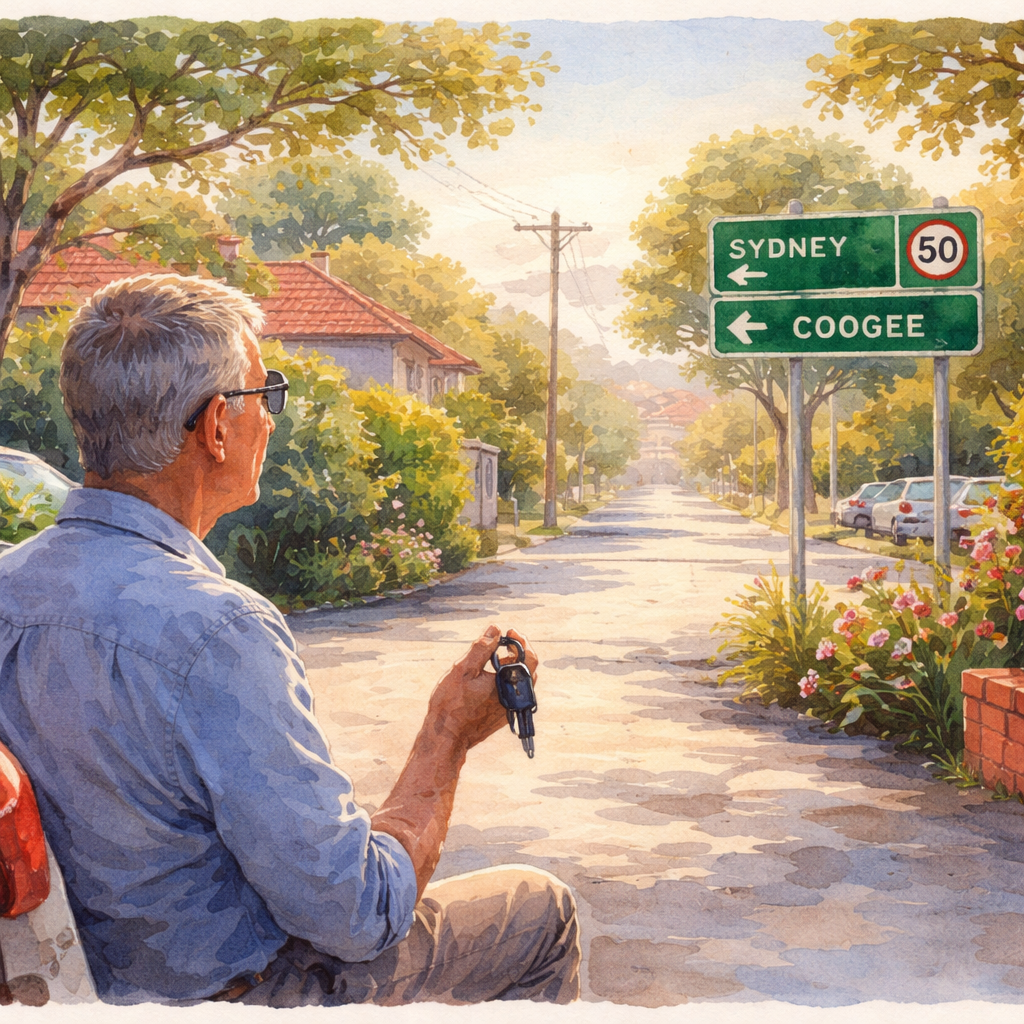
Getting behind the wheel after cataract surgery feels like a big step, but most patients in Sydney get the green light much sooner than they think.
Your vision may be a bit blurry for the first day, and light sensitivity can spike, yet the eye’s healing timeline is surprisingly fast.
In my clinic, I tell people to start with a short, low‑traffic drive around the neighbourhood once the drops stop causing glare. If you can read street signs at a comfortable distance and spot moving cars without squinting, you’re likely ready.
Here’s a quick checklist you can run before you turn the key:
Make sure you can read the dashboard without straining.
Check that street signs are clear from at least 20 metres.
Test your reaction by stopping at a red light and seeing how quickly you can brake.
Ask a friend to sit beside you for the first short trip.
For a detailed timeline, see our guide on How Soon Can You Drive After Cataract Surgery: A Practical Guide.
If you’re still unsure, ask yourself: can I see the dashboard clearly? Can I judge the distance to the stop sign? Can I react to sudden stops? If the answer is yes, you’ve met the basic safety bar.
A common mistake is to wait too long because you’re scared of glare. In reality, most surgeons clear you for short trips after 24‑48 hours, provided there’s no complication like a pressure spike.
Should you feel any double vision, severe pain, or sudden loss of sight, stop driving immediately and call my office. Those signs mean you need a check‑up before any road time.
Step 1: Get clearance from your surgeon
First thing you need is a clear go‑ahead from your eye surgeon. That call is more than a formality – it tells you when your eyes are steady enough to look at road signs and read your dashboard.
Ask your doctor to check three things before you hit the road: clarity of distance vision, lack of double images, and no sudden glare. If they say you can see a stop sign at 20 metres without squinting, you’re probably good to go.
Most surgeons in Sydney will give you the green light after 24‑48 hours, as long as there’s no pressure spike or infection. It’s a good idea to bring a friend on that first short drive – they can spot anything you might miss.
Keep a symptom log. Write down any blurry patches, new floaters, or pain. If anything feels off, call the clinic right away. A quick check‑up can catch problems before they become serious.
While you wait for clearance, think about your overall health. A proactive wellness plan can help your recovery stay on track. XLR8well offers simple health‑monitoring tools that fit into a busy schedule.
Comfort matters too. An adjustable bed can let you keep your head slightly elevated, reducing pressure on the eyes while you rest. Sleep Sophie’s adjustable bed is a practical option for post‑op comfort.
When your surgeon signs off, you’ll still want to double‑check the practical steps. Our practical guide breaks down the checklist you already saw, so you can be confident you haven’t missed anything.
Below is a short video that walks you through the post‑surgery eye check before driving.
Take a moment to watch, then pause and run through the checklist on your phone.
Step 2: Check your vision with a simple self‑test
Now that you have the surgeon’s ok, it’s time to see if your eyes feel ready. A quick self‑test can tell you if you’re safe to hop in the car.
What to look for
First, sit in a well‑lit room. Read the dashboard without squinting. Can you see the speedometer, fuel gauge and warning lights clearly? If you have to lean in, pause. Next, stand about 20 metres away from a street sign or a printed road‑sign image. Can you read the letters easily? If the letters blur, give your eyes a bit more time.
Step‑by‑step check
1. Turn on the lights inside the car. Check the rear‑view mirror – you should see your own face without a haze. 2. Look at a nearby object, then shift focus to something farther away. Your eyes should adjust in under two seconds. 3. Ask a friend to sit beside you. Have them point out moving cars or pedestrians while you’re stopped at a red light. If you can react quickly, you’re good to go.
Real‑world example: Sarah from Bondi did this test on the day after her surgery. She could read her dashboard but the road sign test was shaky. She waited another 12 hours, used an extra drop at night, and the next morning both tests passed. She drove to the local café without any trouble.
Another case: Mark, a retiree on the North Shore, felt fine at home but noticed a slight glare when looking at a bright stop sign. He added an extra drop, retook the test, and the glare faded. He then took a short drive to the corner shop and felt confident.
Tip: Do the test twice – once in the morning and once in the afternoon. Some people notice more glare after a few hours of bright light.
If anything feels off, wait a day and try again. You can also call the clinic for a quick vision check.
Need a deeper dive into timing and tips? Check out Can You Fly After Cataract Surgery? A Practical Guide for more post‑op safety advice.
Step 3: Compare legal waiting periods across states
Every Australian state sets its own rule for how long you must wait after eye surgery before you can legally drive. Those rules protect you and other road users, but they can feel confusing when you just want to get back to your routine.
First, check the law in your state . In New South Wales, you need a doctor’s sign‑off and must wait at least 24 hours after cataract surgery before you’re allowed on the road. Victoria is similar, but the rule says you can drive once your vision meets the state’s standard – usually after the first 48 hours if you feel steady.
Queensland takes a stricter approach. The law requires you to wait 48 hours and to pass a simple vision test at the clinic before you can drive. South Australia allows driving after 24 hours, but only if you’ve had a post‑op check that confirms your depth perception is back.
What does that mean for you? Grab a notebook and compare the three key points – legal wait, typical surgeon clearance, and any extra steps you might need. That way you won’t miss a rule just because it’s different in another state.
Here’s a quick table you can print out or save on your phone:
State | Legal wait (hours) | Typical surgeon clearance |
New South Wales | 24 | 24‑48 hrs after surgery, if vision stable |
Victoria | 24‑48 (depends on vision test) | Usually 48 hrs, clear depth perception |
Queensland | 48 | 48 hrs plus clinic vision check |
Tip: If you’re travelling between states, follow the stricter rule. It’s better to wait a few extra hours than to risk a fine or an accident.
When you’re ready, use the self‑test from the previous step and then book your follow‑up. Our clinic’s Can You Drink Alcohol After Cataract Surgery? guide also walks you through what to avoid while you wait for the legal green light.
Step 4: Prepare your car and practice safe driving
Now that you’ve got the surgeon’s ok and the legal wait is over, the next thing is to make sure your car is ready for you. A few simple tweaks can turn a shaky ride into a smooth, confidence boosting experience.
Clear the view
Start with the windows and mirrors. Wipe away any fingerprints, dust or water spots. A clean windshield lets the new lens do its job without extra glare. Don’t forget the side mirror glass – a streaky surface can hide a fast approaching bike.
Set the interior lighting
Turn the dashboard lights down low enough that you can read them without squinting, but bright enough to see warning symbols. If your car has a “night” setting on the rear‑view mirror, flip it on to cut the glare from cars behind you.
Do a quick test drive
Before you head for the main road, take a short loop around your block. Stop at a red light, look at the sign, and press the brake. If you can spot the stop sign from 20 metres and your reaction feels normal, you’re on the right track.
Real‑world example: Mary from Bondi did a 5 minute drive around her neighbourhood after her first post op check. She noticed the glare from a street lamp was still a bit harsh, so she added an anti reflective film to her windshield. The next morning she felt comfortable driving to the local café.
Here’s a checklist you can print out:
Wipe all glass surfaces.
Adjust dashboard and mirror brightness.
Check that you can read road signs from at least 20 metres.
Practice a smooth stop at a traffic light.
Ask a passenger to note any lingering glare.
If anything feels off, give your eyes another day and repeat the test. The American Academy of Ophthalmology notes that most patients regain safe daytime driving within 1-3 days, but night driving may need a few extra days of adaptation ( AAO guide on safe driving after cataract surgery ).
When you finally feel ready for night trips, start with a well lit street, keep your speed moderate, and let your brain adapt to the new lens. Within a few weeks most people report clear night vision and far fewer glare issues.
Need a full post‑op checklist? Check out our Postoperative Care for Cataract Surgery guide for everything from eye‑drop schedules to activity restrictions.
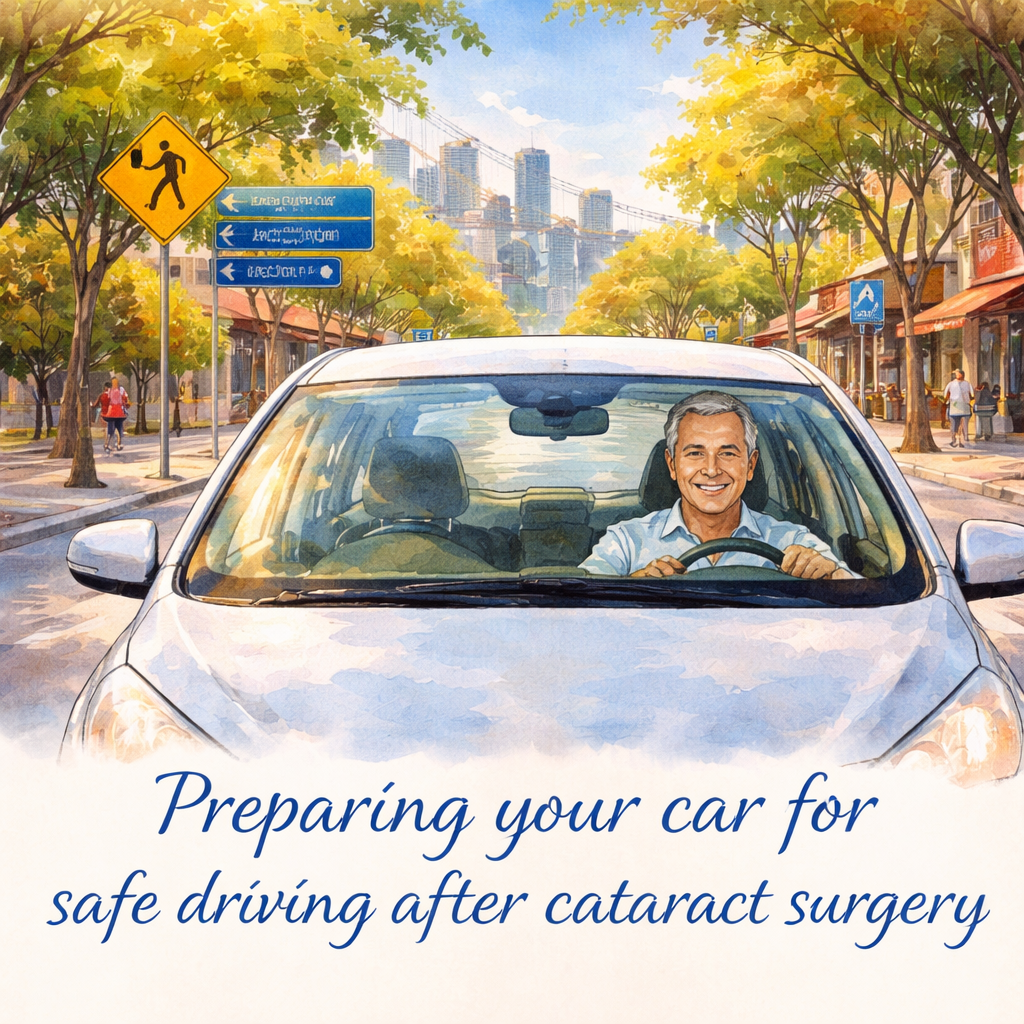
Conclusion
Getting back behind the wheel after cataract surgery feels like a big step, but you’ve already cleared the medical and legal hurdles.
Remember the three checks: clear dashboard view, readable road signs from 20 m, and a smooth stop at a light.
If any of those feel off, give your eyes another day and repeat the test – most patients in Sydney feel safe to drive in 1‑3 days for daytime trips.
When you move to night driving, start on a well‑lit street, keep speed moderate, and let the new lens adapt. Within a few weeks you’ll notice far less glare.
So, ask yourself: can I see the dashboard clearly, judge distances, and react without hesitation? If the answer is yes, you’re ready to hit the road confidently.
Tip: keep a spare pair of sunglasses handy for bright evenings and schedule a quick follow‑up if you notice lingering glare.
Enjoy the clearer view and drive safely!
FAQ
How long after cataract surgery can I drive?
Most people in Sydney can get behind the wheel within 24 to 48 hours if their surgeon gives the OK. The first step is a quick visual check: can you read the dashboard without squinting? Can you spot a road sign from about 20 metres? If you pass both, a short daytime drive is usually safe. Remember the legal wait in NSW is at least 24 hours, so wait that long even if you feel ready.
What signs tell me I'm not ready to drive yet?
If the dashboard looks blurry, if you have to lean forward to see the speedometer, or if bright lights cause a strong glare, stop. Trouble judging distance, like misreading a stop sign, is another red flag. Double vision, sudden eye pain, or a feeling of pressure means you need to call the clinic right away. Better to wait a day than risk an accident.
Can I drive at night right after cataract surgery?
Night driving is tougher because pupils are larger and glare from street lights is stronger. Most surgeons advise waiting at least a few extra days before you hit dimly lit roads. Start with a well lit street, keep your speed low, and use the night setting on your rear view mirror. If you still see halos around lights, give your eyes more time.
Do I need to wear sunglasses while driving after cataract surgery?
A pair of good sunglasses can cut down glare, especially in the early days. Look for lenses with UV protection and an anti reflective coating; they help the new lens settle faster. Keep a spare pair in the car for bright afternoons. If you notice halos even with shades, pause the drive and let your eyes rest.
Is it safe to drive in heavy traffic after cataract surgery?
Heavy traffic means more cars, more stops, and more visual information to process. It’s best to start with quiet neighbourhood streets and build confidence before you join rush hour lanes. If you can react smoothly at a red light and keep a safe distance in light traffic, you’ll likely handle busier roads after a few days of practice.
What should I do if I experience double vision while driving after cataract surgery?
Double vision is a warning sign. Pull over safely, turn on your hazard lights, and stop the car. Call the clinic right away, they may want to check pressure inside the eye or adjust drops. Until a doctor clears you, avoid driving altogether. It’s better to miss a meeting than risk a crash.
Comments