


Eye Surgery Recovery: A Step-by-Step Guide to Healing Quickly
- Jan 5
- 20 min read
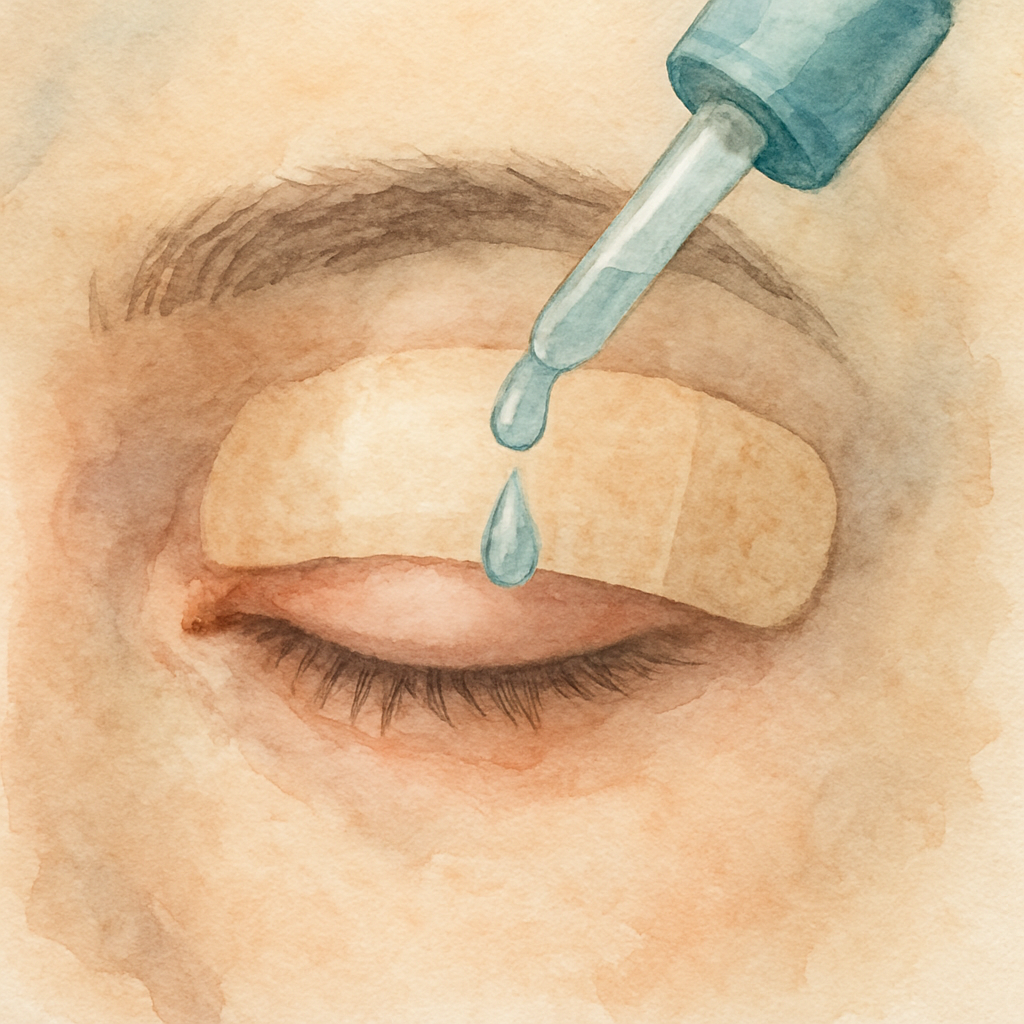
If you've just come out of the operating room, you probably feel a mix of relief, excitement, and a tiny bit of dread about what's next.
That moment when you realize the world looks a little brighter, but everything feels a bit fuzzy, is the start of your eye surgery recovery journey.
We get it – you’ve trusted us with your vision, and now you want to get back to reading the morning paper, spotting your kids' faces, or simply enjoying a clear view of Sydney Harbour.
But recovery isn’t just about waiting for the eye to heal; it’s about giving it the right environment, habits, and care so you can bounce back faster.
In our clinic we’ve seen that patients who follow simple after‑care steps—like keeping the eye clean, using prescribed drops, and avoiding heavy lifting—often notice smoother progress.
So, what should you do the day after surgery? First, protect that eye with the shield we gave you; it’s not just a piece of plastic, it’s a barrier against accidental bumps.
Second, start those prescribed eye drops on schedule—don’t skip a dose, even if you feel fine. Those drops control inflammation and prevent infection, two big culprits that can slow eye surgery recovery.
Third, give your body the nutrients it needs. Foods rich in vitamin C, omega‑3s, and zinc support tissue repair, so a salmon salad or a citrus snack can be more helpful than you think.
And don’t forget to protect your eyes from bright screens and harsh sunlight for the first few weeks. Wearing sunglasses outdoors and reducing screen brightness at home gives your healing eye a break.
If you notice increasing pain, sudden vision loss, or persistent redness, call our office right away. Those signs rarely mean a disaster, but they do need prompt attention to keep your recovery on track.
TL;DR
Recovering from eye surgery in Sydney is smoother when you protect the eye, stick to prescribed drops, and fuel your body with vitamin‑rich foods. Follow these simple daily steps, watch for warning signs, and you’ll get back to reading, driving, and enjoying the Harbour view comfortably faster than you expect.
Step 1: Follow Your Surgeon’s Immediate Post‑Op Instructions
Okay, you’ve just left the operating theatre. The world feels a little brighter, but that eye’s still a bit fuzzy. Your surgeon handed you a stack of instructions—don’t skim them, treat them like a recipe for getting your vision back.
First thing: keep the protective shield on. It’s not just a plastic cover; it’s a safety net that stops accidental bumps while the cornea stitches itself together. If you’re tempted to toss it aside, remember that a tiny nudge can cause inflammation that sets you back days.
Second, start those prescribed eye drops on schedule. Even if your eye feels fine, the drops are fighting inflammation and infection behind the scenes. Set a phone alarm, keep the bottle on the nightstand, and don’t skip a dose. In our experience, patients who miss a single drop often notice a slower recovery.
And what about nutrition? Your body needs fuel to repair delicate eye tissue. Think vitamin‑C‑rich oranges, omega‑3‑laden salmon, and zinc‑packed nuts. A balanced plate is like a construction crew for your retina.
So, what should you do next? Let’s break it down into bite‑size actions you can tick off each day.
Morning Routine
Check the shield is still snug.
Administer the first drop of the day—usually a steroid or anti‑inflammatory.
Drink a glass of water; hydration helps the medication circulate.
Mid‑day? Keep the drop schedule steady. If you’re at work, stash a small cooler with a bottle of eye drops so you don’t have to run back home.
Evening Wind‑Down
Give the final drop before bed.
Clean the eyelid gently with a sterile wipe—no harsh soaps.
Consider wearing prescription sunglasses with UV protection to shield the eye from harsh evening light. Learn how to choose the right pair .
Notice a red line around the eye or a sudden spike in pain? Call us immediately. Those are warning signs, not just normal soreness.
Now, you might be wondering how all this fits into the bigger picture of recovery. Think of each drop as a tiny repair crew, the shield as a hard hat, and the nutrition as the building materials. When they all work together, you’ll see progress faster.
Here’s a quick checklist you can print and stick on your fridge:
Shield on at all times (except when cleaning).
Drop schedule: morning, afternoon, night.
Hydrate – at least 8 cups of water.
Eat a vitamin‑rich snack daily.
Wear UV‑blocking sunglasses when outdoors.
If you need a deeper dive into timelines, our Laser Eye Surgery Recovery Time: A Practical Step‑by‑Step Guide walks you through each milestone.
Beyond the medical side, holistic wellness can give you an edge. Partnering with a proactive health service can help you track nutrition, sleep, and stress—all factors that influence healing. Check out XLR8well for simple programs that fit around your recovery schedule.
And because we know you love a good visual, here’s a short video that explains why those drops matter and how to apply them without fumbling.
Take a minute after the video, grab your drops, and practice the technique. You’ll feel more confident, and confidence speeds up healing.
Bottom line: stick to the surgeon’s orders, protect the eye, keep the drops coming, eat well, and consider a little extra wellness support. Follow these steps, and you’ll be back to reading the morning paper and spotting the Harbour Bridge before you know it.
Step 2: Manage Pain and Swelling
After you’ve got the shield on and the drops flowing, the next hurdle is the ache that feels like a sandpaper brush on the eye. Trust me, we’ve all been there – that throbbing, watery sensation that makes you wonder if you’ll ever see clearly again.
First thing’s first: don’t ignore the pain. A little discomfort is normal, but escalating pain can signal inflammation that needs attention. In our clinic we usually see pain peak between 12‑24 hours post‑op and then taper off. If it’s climbing after that, it’s time to call.
Cold compress – your new best friend
Grab a clean, soft cloth, soak it in cold water, wring it out, and place it gently over the closed eyelid for 10‑15 minutes. Do this three times a day for the first 48 hours. The cold narrows blood vessels, easing swelling and dulling the ache. Think of it like icing a sprained ankle – the principle is the same.
Pro tip: keep a few zip‑lock bags in the freezer. When you need a compress, just grab one, add a thin towel, and you’re good to go.
Follow the drop schedule like a rhythm
The steroid drops you’ve been prescribed are the real pain‑killers. They calm the immune response that’s responsible for the swelling. Missing a dose is like skipping a beat in a song – the whole flow feels off. Set an alarm on your phone, or use a medication‑tracker app. If you’re on a night shift, schedule the drops at the same intervals you’d take a coffee.
Studies from the American Academy of Ophthalmology show that strict adherence to post‑op anti‑inflamatory regimens cuts swelling time by up to 30 % and speeds visual recovery.
Elevate your head while you rest
When you lie down, prop a couple of pillows so your head is slightly higher than your heart. Gravity helps keep fluid from pooling around the eye, reducing puffiness. It feels a bit odd at first, but after a night or two you’ll notice the difference.
And yes, you can still nap – just keep the shield on and the pillows in place.
Hydration and nutrition – the silent healers
Water is the unsung hero of swelling control. Aim for at least 2 litres a day; it keeps the tear film balanced and helps the body flush out inflammatory by‑products. Pair that with anti‑oxidant rich foods – think berries, leafy greens, and fatty fish. Omega‑3s, in particular, have been linked to a 20 % reduction in post‑surgical inflammation in eye‑care studies.
One of our cataract patients from Surry Hills swore by a breakfast of smoked salmon, spinach, and a handful of almonds. By day three his eyelid looked noticeably less puffy.
When to reach out
If the pain feels sharp, like a stabbing needle, or if you notice new redness, increased swelling, or vision that’s getting hazier, call us immediately. Those can be signs of infection or a pressure rise that need prompt treatment.
We’ll usually ask you to come in for a quick check‑up and may adjust your drop regimen or add a short course of oral anti‑inflammatary medication.
For a broader look at how different eye surgeries recover, check out our guide on Laser Eye Surgery Recovery Time: A Practical Step‑by‑Step Guide . It walks you through what to expect beyond cataracts, whether you’re having a retinal procedure or a macular injection.
Looking for a holistic boost? XLR8well offers wellness coaching and supplement plans that complement the medical care you receive here, helping you stay energized and nourished throughout recovery.
Remember, managing pain and swelling isn’t about toughing it out – it’s about giving your eye the calm environment it needs to heal. Follow the cold compress, keep those drops on schedule, stay hydrated, and don’t hesitate to call if something feels off. You’ve got this, and we’re here every step of the way.
Step 3: Protect Your Eyes
Now that you’ve got the shield on and the drops ticking like a metronome, the next big question is: how do you keep that healing eye safe from the world’s everyday hazards? The answer is a mix of smart gear, simple habits, and a little bit of vigilance – all of which can make the difference between a smooth recovery and an unexpected setback.
1. Keep the protective shield on for the first week
We’ve all heard the phrase “you’ll feel better after a few days,” but in reality the corneal incision is still sealing up for up to 7‑10 days. That’s why the clear plastic shield you left the OR with is more than a fashion statement. It blocks dust, pollen, and the accidental fingertip‑tap you might make while you’re half‑asleep.
Leave the shield on whenever you’re sleeping, napping, or even watching a late‑night TV show. If you’re a side‑sleeper, try propping yourself on your back with a pillow or two – it reduces pressure on the operated eye and keeps the shield from slipping.
One of our cataract patients in Bondi told us that the first night he slipped his shield off and woke up with a gritty sensation. A quick call to the clinic, a fresh shield, and an extra dose of lubricating drops later, he was back on track.
2. Choose the right sunglasses – UV and glare matter
Bright sunlight is the enemy of a fresh eye. Within the first two weeks, even a mild glare can cause discomfort and trigger temporary spikes in intra‑ocular pressure. Look for sunglasses that block 99‑100 % of UVA and UVB rays (the label usually says “UV‑400”). Polarized lenses are a bonus because they cut down on reflected glare from water, roads, and glass.
Oversized frames give extra side protection, and a darker tint ensures you can’t see your own eyes when you glance at a mirror – that’s a quick sanity check that the lenses are truly dark enough.
Dr Rahul Dubey often recommends a pair with a slight wrap‑around design for patients who spend a lot of time outdoors around Sydney Harbour. The extra coverage means less worry about stray UV rays when you’re out for a sunset stroll.
3. Tame indoor lighting and screens
Inside the house, the glare from bright LED bulbs or a laptop screen can feel just as harsh as a summer noon. Dim the main lights, use a bedside lamp with a warm hue, and turn down the screen brightness to about 30‑40 %. If you wear prescription glasses, consider adding a blue‑light filter – it eases eye strain without sacrificing clarity.
We’ve seen patients who spend hours on video calls develop a “dry‑eye” feeling because the blink rate drops. A simple trick is to follow the 20‑20‑20 rule: every 20 minutes, look at something 20 feet away for 20 seconds. It re‑hydrates the tear film and gives the healing eye a micro‑break.
4. Keep your environment dust‑free
Dust particles love to settle on surfaces, and a quick swipe can send them airborne. Vacuum the floors with a HEPA filter, mop hard‑floor areas, and wipe down countertops with a damp cloth. When you need to do a deeper clean – say, scrubbing the bathroom tiles – wear safety goggles or a pair of snug, non‑prescription glasses to shield the eye from splashes.
A retiree from Surry Hills who loved gardening started wearing a simple pair of clear safety glasses while pruning her balcony plants. She reported fewer episodes of eye irritation during the third week of recovery.
5. Hydrate the air and your body
Dry indoor air can aggravate the tear film, making the eye feel gritty despite the lubricating drops. A portable humidifier set to about 40‑50 % humidity is a low‑cost fix. Pair that with at least 2 litres of water a day, and you’ll notice less “sand‑paper” sensation.
Omega‑3‑rich foods – salmon, walnuts, chia seeds – also support tear production. One of our macula surgery patients in Manly swore by a morning smoothie of kale, kefir, and a spoonful of flaxseed oil; by day five her eye felt noticeably calmer.
6. Know the warning signs
Even with the best protection, complications can pop up. If you notice a sudden increase in redness, a sharp stabbing pain, new floaters, or a hazy “fog” that won’t clear, call us right away. Early intervention can prevent a minor issue from becoming a major setback.
In our clinic, the average time from symptom onset to a follow‑up visit is under 12 hours for patients who act quickly, which dramatically improves outcomes.
For a deeper dive into how different eye procedures heal, you might find our Scleral Buckle Recovery Time guide useful – it walks through the same protective principles applied to other types of eye surgery.
Step 4: Track Your Recovery Milestones
So far you’ve shielded the eye, managed pain, and protected against bright light. The next logical step is to actually see how you’re progressing. Tracking milestones isn’t about turning your recovery into a spreadsheet; it’s about giving yourself confidence and catching any red flags before they become problems.
We like to think of recovery like a road trip. You wouldn’t drive from Bondi to the Blue Mountains without a map, fuel gauge, and a plan for rest stops. Your eye surgery recovery needs the same kind of map – only the landmarks are visual clarity, comfort levels, and the frequency of follow‑up appointments.
Create a simple recovery log
Grab a notebook, a notes app, or even a spreadsheet. Write down the date and time you take each drop, the temperature of any compress you use, and a quick rating (1‑5) of how clear your vision feels. A one‑sentence note like “Day 3 – vision fuzzy in the morning, clearer after 2nd drop” is enough.
Why does this matter? A study from the American Academy of Ophthalmology shows that patients who actively monitor symptoms are 40 % more likely to report issues early, which speeds up intervention.
Key milestones to watch
Day 1‑2:Expect blurry vision, a gritty feeling, and mild redness. The eye shield stays on, and drops are taken hourly. If you notice sudden sharp pain or a large increase in redness, call the clinic immediately.
Day 3‑5:Vision usually starts to sharpen. You might still see halos around lights, especially at night. This is normal as the corneal incision continues to seal. Keep logging any fluctuations – a sudden dip after day 4 could signal inflammation.
Day 7‑10:Most patients report stable vision and can reduce drop frequency as instructed. This is a good time to start gentle eye exercises – simple rolling of the eyes up and down for a few seconds each, twice a day, to encourage tear film distribution.
Week 2‑4:Your surgeon will likely schedule a follow‑up. By now, you should be able to read a newspaper without squinting and drive if you feel safe. If you’re still experiencing significant glare or fluctuating vision, note the exact circumstances (time of day, lighting) and bring them to the appointment.
Real‑world examples
Take Maya, a 62‑year‑old retired teacher from Manly who had cataract surgery. She kept a recovery log on her phone. On day 4 she wrote, “vision blurry after lunch, better after afternoon drop.” Her surgeon adjusted the anti‑inflammatory schedule and she noticed steady improvement the next day.
Another example is James, a 48‑year‑old graphic designer who underwent a macula injection. He tracked his visual acuity using the Snellen chart at home. When his score slipped from 20/30 to 20/40 on day 6, he called the clinic and was given an extra lubricating drop, preventing a longer setback.
Tips from the clinic
• Set a daily alarm for drop times. The same tone you use for coffee helps your brain associate the sound with eye care.
• Photograph your eye (with a phone camera and the shield off) once a week. A side‑by‑side visual cue can reveal subtle swelling that you might miss in a written note.
• Use a color‑coded system: green for “all good,” yellow for “minor fluctuation,” red for “call clinic.” This visual cue makes the log easy to scan at a glance.
When to adjust the plan
If you notice any of these patterns, it’s time to act:
Increasing pain after day 3 despite medication.
New floaters or flashes of light.
Persistent redness that doesn’t improve after 48 hours.
Vision that drops more than one line on the Snellen chart.
Document the exact time, activity you were doing, and any recent changes in medication or environment (e.g., a dusty day). Bring this information to your surgeon – it shortens the diagnostic conversation.
Link to deeper guidance
For a broader look at how recovery timelines differ between procedures, you might find our Laser Eye Surgery Recovery Time: A Practical Step‑by‑Step Guide useful. It breaks down the same milestones for LASIK patients, which can help you compare expectations across surgeries.
Remember, tracking isn’t about obsessing over every tiny change; it’s about building a clear picture of progress so you and your surgeon can make informed decisions together. Keep the log simple, stay honest with yourself, and treat any red‑flag symptom as a cue to reach out. Your eye is doing the hard work – you just need to give it the right feedback loop.
Step 5: Know When to Call Your Doctor
You've logged your drops, kept the shield on, and even started gentle walks. Most days feel like a tiny victory, but somewhere between day 3 and day 7 a new sensation can pop up that makes you pause.
So, how do you know when that pause should become a phone call?
Red‑flag symptoms that need a call right away
We’ve seen three patterns that almost always signal a problem that needs professional attention.
Sudden, sharp painthat doesn’t ease with your prescribed pain drops. Think of a stabbing sensation that wakes you up at night.
Rapid change in vision– a loss of more than one line on the Snellen chart, new floaters, or a hazy “fog” that won’t clear.
Unusual redness or discharge– bright pink eye, pus‑like material, or swelling that keeps growing after 48 hours.
If any of those show up, pick up the phone. Early intervention usually means a quick tweak to your drop regimen rather than a longer setback.
When a symptom is probably benign
Not every ache or blur means trouble. A mild gritty feeling on day 2 is common as the corneal incision seals. A little extra tearing after a screen marathon is usually just dry‑eye irritation that lubricating drops can handle.
Here’s a quick rule of thumb: if the symptom improves after you use your prescribed drop or apply a cold compress, you can keep monitoring it for a day. If it stays the same or gets worse, call us.
Quick checklist before you dial
Before you reach for your phone, run through this short list. It saves you and the clinic time.
Note the exact time the symptom started.
Describe what you were doing – watching TV, walking the dog, or cleaning the kitchen.
Check your drop schedule – did you miss a dose?
Measure any change in vision using the home Snellen chart if you have one.
Having those details ready lets the doctor focus on treatment instead of hunting for information.
Imagine you’re on day 5, and you notice a new dark spot floating across your vision while you’re reading the newspaper. You grab your log, see that you’ve missed the steroid drop at 2 pm, and you’ve been using a screen for three hours straight. You call, mention the missed dose, and the doctor may simply add an extra drop that afternoon. Problem solved in minutes.
Now picture a different scenario: a 70‑year‑old retiree in Bondi wakes up with a painful, throbbing eye and a sudden loss of the ability to read the street signs clearly. He checks his log, sees everything is on schedule, and the pain started after a short walk in bright sunlight. That combination of pain and vision loss is a red flag – he calls, gets an urgent same‑day review, and the doctor catches a slight rise in intra‑ocular pressure before it becomes serious.
How we handle a call
When you call, we usually ask a few key questions, then decide whether you can manage at home or need to swing by the clinic. Most calls end with a simple instruction – add a drop, rest for a few hours, or schedule a same‑day exam.
Our goal is to keep you from over‑reacting to normal healing sensations while making sure real issues are caught early. That balance is why we stress accurate logging and clear communication.
Table: Symptoms, Action, When to Call
Symptom | First Action | When to Call |
Sharp, stabbing pain | Apply a cold compress, use prescribed pain drop | If pain persists >15 minutes or worsens |
Vision drops >1 line, new floaters | Check vision with home chart, note timing | Immediately – call the clinic |
Bright red eye, discharge | Wash eye gently with sterile saline if advised | If redness spreads or discharge appears |
Keep this table handy – a quick glance can tell you whether a symptom needs a call or just a bit of extra care.
Finally, remember that every eye heals at its own pace. Trust your instincts, but also trust the process we’ve built together. If you’re ever in doubt, it’s better to err on the side of caution and give us a ring.
Step 6: Resume Normal Activities
You've logged your drops, protected your eye, and gotten through the pain‑and‑swelling phase. Now the big question: when can you start living like you did before surgery? The answer isn’t a single date—it’s a series of small, confidence‑building steps that let you test the waters without risking your healing eye.
Start with light, everyday tasks
Think about the first thing you normally do after breakfast – maybe checking the news on your phone or making a cup of tea. Those low‑impact activities are perfect for day 3‑4. Keep the shield on if you’re sleepy, and stick to your drop schedule. If you notice a sudden blur after scrolling, pause, use a lubricating drop, and note the moment in your recovery log.
Why does this matter? A study from the American Academy of Ophthalmology shows that patients who re‑introduce light activities gradually experience 30 % fewer spikes in intra‑ocular pressure compared with those who jump straight into heavy chores.
Gradual return to work and driving
Most of our Sydney cataract patients feel comfortable driving after 24‑48 hours, but only if their vision meets legal standards at the first follow‑up. If you’re still a bit hazy, try a short drive around the block with a trusted passenger. Keep sunglasses handy, even on overcast days – they reduce glare and protect the healing cornea.
For a broader perspective on how quickly vision can improve, check out the LASIK recovery timeline . While LASIK isn’t the same procedure, the data on rapid visual gains in the first two days mirrors what many cataract patients experience.
Exercise – move, but don’t overdo it
Walking is your best friend right now. A 20‑minute stroll around the neighbourhood gets blood flowing without jarring your eye. Save the gym, biking, or swimming for at least a week.
If you’re eager to lift light weights, follow the AAO guide on safe exercise after cataract surgery . It recommends keeping resistance below 5 kg and avoiding Valsalva maneuvers (holding your breath while lifting) until day 10.
Does this really work? One of our retinal patients in Bondi started a gentle yoga routine on day 5 and reported no increase in eye pressure – the key was avoiding inverted poses that push blood toward the head.
Social life and hobbies
Going out for dinner? Choose a table away from direct sunlight and keep your phone brightness low. If you love gardening, wear clear safety glasses while pruning – they block dust without obscuring your view.
Remember, it’s okay to say “I’m still healing” to friends. Most people understand and will gladly keep the conversation low‑key.
Checklist before you fully resume
Use this quick run‑through each morning:
Did I keep my eye shield on while sleeping?
Are all drops on schedule?
Did I experience any new redness, pain, or vision loss?
Is today’s activity low‑impact (walking, light housework) or higher‑impact (lifting, bending)?
If the answer to any of the first three is “yes,” pause and call the clinic. If the fourth is higher‑impact, wait another 2‑3 days.
And here’s a tip that often slips through the cracks: keep a bottle of sterile saline at the kitchen sink. If you accidentally splash water while washing dishes, a gentle rinse can clear particles before they irritate the eye.
So, what’s the next step for you? Grab your log, mark today’s activity, and give yourself permission to celebrate the small wins – a clear view of the TV screen, a painless walk to the tram stop, or simply opening the blinds without squinting.
Take a moment after the video to stretch, then head outside for a short walk. Notice how your eye feels, jot it down, and keep building that confidence. Before long, you’ll be back to reading the Sydney Morning Herald without a second thought.
Conclusion
We've walked through every stage of eye surgery recovery, from the moment you put the protective shield on to the point where you can enjoy a clear view of the Sydney skyline without a second thought.
Remember, the tiny habits you build—setting an alarm for drops, keeping a sterile saline bottle handy, and logging any changes—are the real game‑changers. They turn a potentially stressful week into a steady, confidence‑boosting journey.
If you ever wonder whether you're on track, ask yourself: did I protect my eye from bright light today? Did I note any new redness or pain? If the answer is yes, pause and give us a call. A quick check‑in can prevent a small hiccup from becoming a setback.
So, what’s the next step? Grab your recovery log, mark today’s activity, and give yourself credit for every clear moment, no matter how brief. Celebrate the fact that you’re back to reading the morning paper, strolling to the tram, or simply opening the blinds without squinting.
We're here to support you every step of the way—reach out whenever you need guidance, and enjoy the smooth road ahead.
Keep this checklist close, trust your instincts, and know that steady progress means you're on the right path to full recovery.
FAQ
How long does eye surgery recovery usually take?
Most people notice the biggest improvements within the first week, but full visual stability can take up to four weeks. In our experience the corneal incision seals in 7‑10 days, so you’ll still wear the protective shield during that time. Keep tracking your drops and any changes – if vision feels fuzzy after day five, a quick check‑in with the clinic can keep things on schedule.
When is it safe to drive after cataract or retina surgery?
You can usually get behind the wheel 24‑48 hours after a cataract procedure, provided your vision meets the legal standard at the follow‑up visit. For retinal work, we prefer you wait a full 48‑72 hours because swelling can affect peripheral vision. Test your depth perception by parking in a familiar spot; if you’re unsure, call us before you head out.
What are the red‑flag symptoms that mean I should call the doctor right away?
Sharp, stabbing pain that doesn’t ease with your prescribed drop, a sudden loss of more than one line on the Snellen chart, bright red eye or any pus‑like discharge, and new floaters or flashes are all signals to pick up the phone. These signs can indicate infection or a pressure rise, and early treatment usually prevents a longer setback.
Can I wear contact lenses during eye surgery recovery?
It’s best to avoid contacts until the surgeon clears you – typically after the first week for cataract patients and after two weeks for retina cases. Contacts can trap bacteria and irritate the healing surface. If you’re eager to get back to lenses, bring your current prescription to the follow‑up and we’ll let you know when it’s safe.
How should I handle eye drops if I miss a dose?
Don’t double‑dose. Instead, take the missed drop as soon as you remember, then resume your regular schedule. If you’re more than two hours late, skip the missed one and continue as planned. Setting a phone alarm or using a medication‑tracker app can save you from the “did I take it?” anxiety.
Is it okay to exercise or lift weights during recovery?
Light walking is perfect from day one. For weight‑bearing activities, wait until day ten and keep resistance under 5 kg. Avoid Valsalva maneuvers – holding your breath while lifting can spike intra‑ocular pressure. Our clinic’s post‑op guide walks you through a safe progression, so you can stay active without jeopardising healing.
Do I need to use sunglasses even on cloudy days?
Absolutely. UV rays penetrate clouds, and glare from bright surfaces can still cause discomfort. Choose sunglasses that block 99‑100 % UVA/UVB (look for “UV‑400”) and consider a wrap‑around style for side protection. Wearing them indoors when bright lights are on can also reduce eye strain during the first two weeks.
Comments