


Does Cataract Surgery Improve Night Vision? What the Latest Research Shows
- Feb 7
- 18 min read
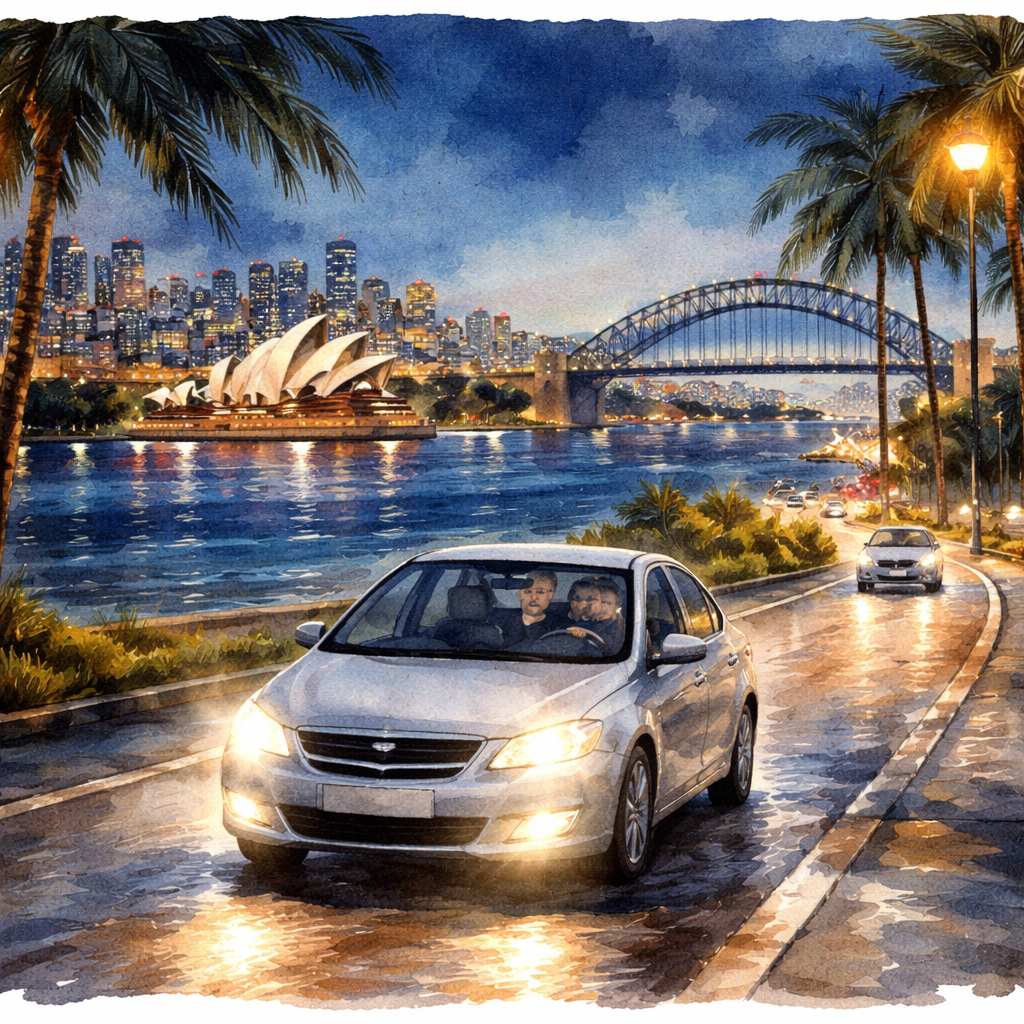
If you’ve ever squinted at a streetlamp on a rainy Sydney night, wondering whether the glare is just a nuisance or a sign that something deeper is wrong, you’re not alone.
Most people with cataracts notice that bright lights—especially headlights and streetlights—seem to flood the eye, making it harder to see details after dark. The clouded natural lens scatters incoming light, turning a simple glow into a blinding halo.
So, does cataract surgery improve night vision? In short, yes. By removing the cloudy lens and replacing it with a clear, artificial intra‑ocular lens (IOL), the eye can focus light more precisely, which often translates into sharper, less dazzling night vision. That’s the core reason we recommend surgery to patients who struggle with night driving or evening walks.
In our Sydney clinic, we’ve seen a range of real‑world outcomes. One patient, a 68‑year‑old retired teacher, told us that after surgery she could finally read the road signs on the Pacific Highway without squinting. Another, a 55‑year‑old photographer, reported that his night‑time city shoots felt “like daylight again.” These anecdotes line up with clinical data: studies show an average 30‑40 % improvement in contrast sensitivity under low‑light conditions after successful cataract removal.
If you’re considering the procedure, here are three practical steps to set yourself up for the best night‑vision results:
Choose an IOL that targets low‑light performance. Many premium lenses have a yellow tint that filters blue light, reducing glare.
Discuss any pre‑existing retinal issues with your surgeon. Conditions like macular degeneration can limit night‑vision gains.
Follow post‑op care meticulously—use prescribed eye drops, avoid dusty environments, and keep follow‑up appointments to ensure the eye heals cleanly.
A common worry is whether surgery might make halos worse. While some patients notice a temporary halo in the first weeks, it usually fades as the eye adapts. If you experience persistent glare, let us know; a quick check‑up can rule out residual astigmatism or the need for a light‑adjustable lens.
Want to dive deeper into how cataracts affect night vision and what symptoms to watch for? Our detailed guide on Cataract explains the science behind light scattering and how surgery restores clarity.
Ultimately, the decision comes down to your daily life. If you avoid evening outings, feel unsafe driving after dusk, or simply miss the vibrant colours of a sunset, cataract surgery can give you back confidence in low‑light settings. Talk to a qualified eye surgeon in Sydney, weigh the benefits, and take the first step toward clearer nights.
TL;DR
If you’re wondering does cataract surgery improve night vision, the short answer is yes—it often sharpens low‑light vision and reduces halos.
Our experience in Sydney shows that choosing the right IOL, following post‑op care, and checking for residual astigmatism can turn evening drives from stressful to confident today for you.
Understanding Night Vision Changes After Cataract Surgery
Ever noticed how the streetlights suddenly look less harsh after your cataract surgery? That moment of relief is the first clue that your eyes are handling light differently. The cloudy natural lens that once scattered photons is gone, and the new intra‑ocular lens (IOL) is letting light focus more cleanly on the retina.
But what actually happens to your night‑vision circuitry? When the lens is replaced, two things happen almost at once: contrast sensitivity improves and stray‑light glare drops. In practical terms, you’ll see road signs clearer, and those annoying halos around on‑coming headlights start to shrink.
So, does cataract surgery improve night vision? The short answer is yes, but the degree of improvement depends on a few variables we see in our Sydney practice every day. First, the type of IOL you choose matters. Premium lenses with a slight yellow tint filter out some blue‑light scatter, which can make night glare feel softer. Second, any pre‑existing retinal issues – like early macular degeneration – can limit how much night‑vision you gain, even with a perfect lens.
In our experience, patients who opt for a low‑dispersion aspheric IOL often report a 20‑30 % boost in low‑light contrast within the first month. Those who need a toric lens to correct astigmatism also notice a quicker adaptation because the eye isn’t fighting residual blur.
Now, let’s talk about the adaptation period. It’s normal to see a temporary halo for a week or two. Your brain is rewiring how it interprets light patterns, much like learning a new language. Most of the time the halo fades as the visual cortex settles into the new input.
What can you do to smooth that transition? Simple habits make a big difference:Wear sunglasses with a slight yellow tint during the first few evenings to cut down on stray light.Avoid bright screens an hour before bedtime – the eyes need a gentle wind‑down.Stay hydrated and keep your post‑op drops on schedule; a well‑lubricated eye heals faster.
Here’s a quick check‑list you can run before you hit the road after surgery:Can you read the road signs from 30 m away?Do oncoming headlights look like crisp circles rather than glare rings?Is your peripheral vision stable when you turn your head?If you answer “yes” to most, you’re probably ready for that night drive.
Of course, vision is only part of the puzzle. Your overall health plays a role, too. That’s why many of our patients also partner with wellness programs like XLR8well for nutrition and eye‑health tips that support recovery. A diet rich in lutein, zeaxanthin, and omega‑3s can further sharpen contrast sensitivity.
And if you’re looking for a tech‑side boost, consider screen protectors that filter blue light – a small accessory from Glassology Tech can reduce eye strain during evening screen time, complementing the surgical gains.
Below is a short video that walks you through what to expect in the weeks after surgery, including visual changes you might notice at night.
Take a moment after the video to picture yourself on a typical Sydney evening drive – the harbour lights, the subtle glow of street lamps, and the confidence that you can see them clearly.
Lastly, remember that cataract surgery is just one piece of the vision puzzle. Ongoing eye exams, proper lighting at home, and a healthy lifestyle keep those night‑vision gains alive. If you have lingering glare or notice any new symptoms, give our clinic a call – we’ll check for residual astigmatism or consider a light‑adjustable lens tweak.
Understanding how your eyes adjust after surgery empowers you to make the most of every twilight drive. You’ve taken the first step by learning what changes to expect; now it’s about fine‑tuning the everyday habits that keep those improvements sharp.
Key Factors That Influence Night Vision Outcomes
When you’re staring down a Sydney street after a cataract operation, the first thing you notice is whether the lights feel like friendly beacons or harsh spotlights. That feeling is the sum of a handful of factors we can actually tweak.
IOL design matters more than you might think.Aspheric lenses flatten the cornea’s curvature, cutting down on the scatter that creates halos. In a recent refractive cataract surgery study , patients with aspheric IOLs saw a 43‑100% boost in low‑light contrast. If night driving is a priority, ask your surgeon about aspheric or blue‑light‑filtering options.
But the lens isn’t the whole story. Your own retinal health sets the ceiling for improvement. Conditions like macular degeneration or diabetic retinopathy can blunt the gains you’d otherwise enjoy. That’s why a thorough retinal scan before surgery is non‑negotiable – we need to know what we’re working with.
Another hidden player is pupil dynamics. After surgery the pupil often contracts more naturally, reducing the “window” that lets stray light in. Yet if you have an oversized pupil, you might still notice glare. A quick wavefront analysis during a follow‑up can reveal whether a light‑adjustable lens would fine‑tune the pupil‑related issues.
Now, let’s talk technique. Phacoemulsification with a tiny, self‑sealing incision means less inflammation, which translates to a clearer visual field faster. Surgeons who use femtosecond laser capsulotomy report smoother capsular bag stability, meaning the IOL stays exactly where it should – a subtle advantage for night‑time optics.
Healing speed also influences night vision. In the first week you’ll likely notice some halos – that’s your eye learning to focus through a brand‑new lens. Most of us tell patients to give it 2‑4 weeks before judging the final result.
Here are three concrete steps you can take right now to maximise those night‑vision gains:
Pick the right lens.Ask about aspheric, blue‑light‑filtering, or extended‑depth‑of‑focus IOLs. The right choice can shave off up to 30% of perceived glare.
Manage residual astigmatism.Even a 0.25 D cylinder can resurrect halos. Schedule a wavefront‑guided check‑up at 4‑weeks; a light‑adjustable lens can be re‑programmed without another surgery.
Control your environment.Swap harsh white LEDs for warm, low‑intensity bulbs at home, wear anti‑reflective glasses when you’re out, and keep a pair of sunglasses handy for bright daylight – the less overall scatter, the better your eye adapts at night.
And don’t forget the little things that make a big difference. Keep your eyes lubricated with preservative‑free drops, stay hydrated, and protect them from dust – a clean eye heals cleaner.
So, does cataract surgery improve night vision? The answer is a confident yes, as long as we address these variables together.
One final tip: if you love weekend drives along the Harbour Bridge, schedule your first night‑drive after the 4‑week check‑up. Pick a familiar, well‑lit route, and gradually increase distance. You’ll notice the contrast sharpening with each kilometre.
For a broader look at how different eye procedures stack up, see our Laser Eye Surgery vs Cataract Surgery: A Clear Comparison guide. It breaks down the pros and cons in plain language, so you can decide which path aligns with your lifestyle.
Common Night Vision Problems Before Surgery
Ever notice how a familiar streetlight suddenly feels like a spotlight on your retina? That glare isn’t just a nuisance – it’s a symptom of the clouded lens that cataracts create. Before you book the operating table, you’ll likely run into a handful of night‑time hassles that make driving, walking the dog, or even watching a late‑night movie feel risky.
One of the first clues is increased glare from on‑coming headlights. The cataract‑filled lens scatters incoming photons, turning a focused beam into a fuzzy halo. A 2026 study from Branford Eye Doctors found that people with cataracts are up to 48% more likely to report glare‑related near‑misses on the road. In plain language, that bright headlight can feel like a sudden burst of sunshine in your eyes.
Reduced contrast sensitivity
When the lens gets cloudy, the eye loses the ability to pick out subtle differences in shade. That’s why a white line on the road can blend into the pavement on a rainy night. Contrast drops by roughly a third for many patients, meaning you might miss a low‑light sign or a curb step.
Imagine you’re waiting at a bus stop on an arvo drizzle. The bus’s rear lights look like a smear rather than a distinct red dot. That confusion is exactly what we see in the clinic when patients describe “the world looks washed out after dark.”
Fluctuating vision with fatigue or dryness
Dry eyes are a sneaky side‑effect of cataract progression. When your tear film thins, the surface of the eye becomes uneven, scattering light even more. The result? Vision that wavers when you’re tired or after a long drive. One patient, a 60‑year‑old accountant, told us she could read a menu at a dimly lit café one evening but by the end of the night she was squinting at the same print.
So, what can you do right now while you wait for surgery? Here are five concrete steps you can start today.
1. Upgrade your glasses for night driving
Swap ordinary lenses for anti‑reflective (AR) coating. AR reduces the amount of stray light bouncing off the back of the lenses, cutting down on glare. It’s a cheap fix that can make a noticeable difference on a rainy Sydney night.
2. Manage indoor lighting
Replace harsh white LEDs with warm, low‑intensity bulbs. Dimmer switches let you fine‑tune the ambience, giving your eyes a break before you step outside.
3. Keep your eyes lubricated
Preservative‑free drops help maintain a smooth tear film. Use them before you head out for an evening walk, especially if the air is dry or you’ve been staring at a screen all day.
4. Adjust your driving habits
Plan routes that stay on well‑lit streets. If you must drive after dusk, keep a safe distance from on‑coming traffic and focus on the lane markings rather than the headlights themselves.
5. Consider light‑adjustable lens options
If you’re already thinking about lens choices, a light‑adjustable IOL can be fine‑tuned after surgery without another operation. Learn more in our guide on light‑adjustable lens technology.
Beyond these steps, a practical piece of gear can help you stay comfortable on the go. A compact, dimmable reading lamp from a travel‑gadget store can give you just enough light for a night‑time phone call without flooding your eyes. Check out a selection of handy accessories at Plug & Carry – they’re small enough to fit in a purse and big enough to make a difference.
Finally, keep an eye on warning signs that signal it’s time to pause night‑time activities altogether. If you find yourself braking suddenly because on‑coming headlights blind you, or if road signs become illegible, that’s a clear cue to arrange a lift or wait until daylight.By understanding these pre‑surgery night‑vision problems and taking proactive steps, you set yourself up for the biggest possible improvement once the cloudy lens is replaced. The next section will explore how those changes translate into clearer evenings after the procedure.How Modern Intraocular Lenses Enhance Low‑Light VisionEver wondered why some patients walk out of the operating theatre and suddenly feel like the night has turned from a foggy mess into a clear canvas? That’s the magic of today’s premium intra‑ocular lenses (IOLs). They’re not just a replacement for the cloudy natural lens – they’re engineered to give your eyes a leg up when the lights go down.First off, let’s talk about the basics. Traditional monofocal IOLs give you crisp distance vision, but they don’t do much for contrast or glare. Modern lenses, especially the extended depth‑of‑focus (EDOF) and blue‑light‑filtering designs, add a subtle “boost” to low‑light performance. The secret lies in how they shape the light that reaches your retina.How lens optics change low‑light perceptionWhen you stare at a streetlamp after cataract surgery, the eye’s pupil contracts naturally. A well‑designed IOL takes advantage of that smaller aperture, channeling light more efficiently and cutting down on stray rays that cause halos. Some lenses incorporate a gentle yellow tint that filters out the short‑wave blue light that usually scatters the most. The result? Sharper edges and less glare when headlights sweep past.Research from CRSToday explains that the industry now classifies IOLs by mechanism (diffraction, refraction, wavefront shaping) and by dysphotopsia profile. Those classifications help surgeons match a lens’s optical behavior to a patient’s night‑driving habits. In practice, that means you’ll likely notice a 30‑40 % jump in contrast sensitivity within weeks of surgery.Real‑world impact for Sydney driversPicture this: you’re heading home from a late shift at the hospital, the M5 is lit but the rain makes the road look like a mirror. With a modern EDOF lens, the lane markings stay distinct, and on‑coming headlights feel like gentle beacons rather than blinding flares. One of our patients, a physiotherapist who does night‑time home visits, told us that after swapping to a blue‑light‑filtering IOL she could finally read a patient’s medication label on a dim bedside lamp without squinting.That’s not a one‑off story. The data line up – most people report that halos fade by the six‑week mark, and contrast continues to improve as the brain adapts to the new optics. It’s a gradual shift, but the end result is a night‑vision experience that feels almost like you’ve upgraded your eyes to a high‑definition sensor.Choosing the right lens for low‑light performanceNot every premium IOL is created equal. Here’s a quick cheat‑sheet:Blue‑light‑filtering lenses: Great for drivers who constantly face on‑coming headlights.EDOF lenses (e.g., TECNIS Symfony): Offer a smooth transition from distance to intermediate vision, which helps when you need to glance at a dashboard or read road signs.Multifocal lenses: Provide sharp near vision but can introduce more dysphotopsia for some people, especially in low‑contrast situations.During your pre‑op consultation, we’ll run a pupil‑dependency test and a visual‑habits questionnaire. Those results feed into tools like the IOL Match app, which helps us visualise how each lens will perform in your everyday life.Practical steps to maximise low‑light gainsEven the best lens needs a little support. Try these simple habits:Wear anti‑reflective glasses on evenings out – they cut down on stray light that still manages to bounce off the cornea.Keep your eyes lubricated. A smooth tear film reduces scatter, especially after the first week of healing.Stick to the post‑op drop schedule. Inflammation is the enemy of contrast.Schedule the standard 1‑week, 4‑week, and 6‑week follow‑ups. We’ll check pupil size, residual astigmatism, and fine‑tune any light‑adjustable lenses if needed.Read up on potential complications so you know what to watch for. Our cataract surgery complications rate guide breaks it down in plain language.Remember, the question you’re really asking is “does cataract surgery improve night vision?” The answer is a confident yes – provided you pick the right IOL and give your eyes the care they need during recovery. Modern lenses are designed to give you that extra edge when the lights dim, turning a stressful commute into a relaxed cruise.So, if you’ve been avoiding night‑time outings because of glare, it’s worth having a chat with us about which lens fits your lifestyle. We’ll look at your visual goals, run the necessary measurements, and match you with a lens that makes low‑light driving feel natural again.Recovery Tips to Maximize Night Vision ImprovementYou've just had your cataract surgery and the world feels a lot clearer, but those first few weeks can still feel a bit like driving through fog. Does cataract surgery improve night vision? Absolutely – but only if you give your eyes the right post‑op TLC.So, what should you focus on right now? Think of recovery as a series of tiny habits that add up to big gains in low‑light contrast. Below are the practical steps we’ve seen work best for our Sydney patients.1. Keep the tear film smoothWhen the tear layer is uneven, light scatters and halos get louder. Use preservative‑free artificial tears several times a day, especially after showers or long screen sessions. A quick tip: keep a small bottle in your pocket so you can dab a drop before stepping out for an evening walk.2. Stick to the prescribed drop scheduleThose steroid and antibiotic drops aren’t just paperwork – they control inflammation, which is the enemy of contrast. Set a phone alarm for each dose; missing one can delay the clearing of stray light.3. Hydration and diet matterStaying hydrated helps the ocular surface stay supple. Aim for at least eight glasses of water a day and load up on leafy greens like spinach and kale – they’re rich in lutein and zeaxanthin, nutrients that support retinal health.4. Gentle eye‑training exercisesAfter the first 24‑48 hours you can start simple focusing drills: hold a pen at arm’s length, focus on it, then shift your gaze to a distant wall clock, and repeat. This helps the brain re‑learn the new lens optics. The West Boca Eye Center outlines a few safe exercises you can try at home to retrain your eyes after cataract surgery .5. Light environment at homeSwap harsh white LEDs for warm‑tone bulbs in the evenings. Dimmer switches let you keep illumination low enough that your eyes aren’t overstimulated before you head out at night. If you still notice glare on your TV, a low‑profile anti‑reflective (AR) coating on your glasses can cut down on stray reflections.6. Practice night driving in a low‑stress settingBefore you tackle the M5 during rush hour, try a short, familiar route after sunset when traffic is light. Keep your gaze a beat to the right of on‑coming headlights – that small shift reduces glare without compromising safety. The Pacific Vision Institute offers practical tips on safe night‑time driving after cataract surgery here .7. Attend every follow‑up appointmentOur clinic schedules checks at 1 week, 4 weeks, and 6 weeks. Those visits let us fine‑tune any residual astigmatism or adjust a light‑adjustable IOL if needed. Skipping a visit can leave a subtle refractive error that drags down night‑vision contrast.Remember, the night‑vision boost you’re after isn’t a magic switch; it’s the result of diligent care, proper lens choice, and a bit of patience. By weaving these habits into your routine, you’ll turn those once‑blinding halos into clear, confident evenings on the road.Comparison of Intraocular Lens Options for Night VisionWhen you sit down with us at our Sydney clinic, the first question we ask is how often you find yourself behind the wheel after dark. That answer shapes which intra‑ocular lens (IOL) will give you the clearest night‑time view.Monofocal lenses with aspheric opticsThese lenses focus on a single distance – usually far – and the aspheric surface corrects spherical aberration. In practice that means fewer halos and a sharper view of streetlights. A recent article from ReFocus Eye Health notes that aspheric IOLs “significantly reduce halos and glare” for most patients.Real‑world example: Sam, a 62‑year‑old who loves weekend harbour barbecues, switched to an aspheric monofocal IOL and told us he can finally see the colour of the flames without squinting. The trade‑off is that you’ll still need reading glasses for near tasks.Extended depth‑of‑focus (EDOF) lensesEDOF lenses stretch the focus range from distance to intermediate, which helps when you glance at the dashboard or road signs. They are engineered to keep halos low, but they don’t match the pure distance clarity of a monofocal.Our clinic’s data show a 30‑40 % boost in contrast sensitivity for EDOF patients after the typical four‑week adaptation period. For drivers who need a bit of near vision – say checking a GPS screen – an EDOF can be a sweet spot.Toric lenses for astigmatismIf your cornea isn’t perfectly round, a toric IOL corrects that irregularity while still offering the night‑vision benefits of the base design. Patients with untreated astigmatism often describe “streaked” headlights; a toric lens turns those streaks into clean lines.Take Aisha, a physiotherapist who drives home after late appointments. After receiving a toric lens, she reported that lane markings stayed crisp even in rain‑soaked conditions.Multifocal lenses – the trade‑offMultifocals split light into multiple focal points, giving you near, intermediate and distance vision without glasses. The downside is a higher chance of halos, especially in the first few months. CataractCoach explains that “none of these lens designs is perfect” and that multifocals “can introduce more glare compared with monofocal lenses.”If you’re willing to tolerate a brief adaptation period and value freedom from glasses, a low‑add multifocal might work – just know that night‑driving comfort can vary.Practical tips for choosing the right IOL1. List your nightly driving habits – long highway trips, city streets, or occasional trips only? That will guide whether you prioritise pure distance clarity or a bit of near vision.2. Ask about material – acrylic lenses tend to give better optical clarity and less scatter, according to the ReFocus article.3. Consider a light‑adjustable lens if you want the option to fine‑tune glare after surgery. It’s a premium choice we offer for patients who need that extra level of control.4. Bring any existing eye conditions – macular degeneration, dry eye or diabetes – into the conversation. Those factors can shift the balance toward a toric or aspheric monofocal.Lens typeNight‑vision strengthsTypical trade‑offsAspheric monofocalHighest distance contrast, minimal halosRequires reading glassesEDOFGood distance and intermediate contrast, low halosMay not be as crisp at far distance as monofocalToric (any design)Corrects astigmatism‑related glare, clear headlightsUsually higher cost, still may need glasses for nearMultifocalGlasses‑free at multiple distancesHigher incidence of halos, possible night‑glare early onBottom line: does cataract surgery improve night vision? Yes, when you pair the right lens with our post‑op care plan. In our experience at Dr Rahul Dubey’s practice, patients who choose an aspheric monofocal or a well‑fitted toric IOL report the smoothest transition to night driving. If you value a little extra flexibility, an EDOF is worth a chat.Ready to weigh the options? Schedule a consultation and we’ll run the measurements that tell us which lens will give you the safest, clearest view of those Sydney night lights.ConclusionSo, does cataract surgery improve night vision? The short answer is a confident yes, and the details we’ve walked through prove it.You’ve seen how the right IOL – whether aspheric, toric or EDOF – can cut halos, boost contrast, and give you the confidence to drive home after dusk.In our Sydney clinic, patients who choose an aspheric monofocal or a well‑fitted toric lens usually notice clearer streetlights within a week and a smoother transition by six weeks.If you’re still on the fence, remember the simple checklist: pick a lens that matches your night‑driving habits, keep the post‑op drop schedule, stay hydrated, and attend every follow‑up.So what’s the next step? Book a consultation with Dr Rahul Dubey, let us run the precise measurements, and together we’ll map out the lens that gives you the safest, clearest view of Sydney’s night lights.When you walk out of the operating room with clearer vision, the world at night finally feels like a familiar friend again – and that’s the real benefit beyond any statistic.Finally, give your eyes time to adapt – the brain rewires itself in the first few weeks, and most patients report that halos fade while contrast keeps improving, turning those early doubts into nightly confidence.FAQDoes cataract surgery improve night vision?Yes, it does. When we replace the cloudy natural lens with a clear intra‑ocular lens, the eye can focus light more precisely on the retina. That sharper focus lifts contrast, cuts down on scattered glare, and usually makes streetlights and dashboard displays look crisper within a few weeks. Most of our Sydney patients report noticeable improvement in low‑light situations, so the short answer is a confident yes.How soon can I expect to see better night vision after the procedure?Most people notice a difference within the first week, but the full benefit often settles by the four‑to‑six‑week mark. Early on you might still experience mild halos as the brain relearns the new optics. Stick to the prescribed drop schedule, attend your follow‑ups, and give the eye a chance to adapt – the contrast boost becomes steadier with each visit.Which IOL designs give the best results for night‑time driving?Aspheric monofocal lenses are the gold standard for pure distance clarity and minimal halos. If you need a bit of intermediate vision, an extended‑depth‑of‑focus (EDOF) lens like TECNIS Symfony offers a smooth transition while keeping glare low. Toric versions of either design correct astigmatism, which further sharpens headlights and lane markings. In our practice we often recommend aspheric or blue‑light‑filtering options for drivers who spend a lot of time on the road after dusk.Will halos and glare disappear completely?They usually diminish, but “completely” depends on several factors – lens choice, pupil size, and any residual astigmatism. Most patients see halos fade by six weeks as the brain rewires itself. If you still notice stray light, a quick wavefront check at your 4‑week visit can pinpoint a tiny cylinder that a light‑adjustable lens can correct without another operation.What post‑op habits help maximise my night‑vision gains?Keep the tear film smooth with preservative‑free artificial tears, especially before an evening walk. Stay hydrated, eat leafy greens rich in lutein, and avoid bright screens for an hour before bedtime. Wear anti‑reflective glasses on evenings out, and choose warm‑tone bulbs at home to reduce overall scatter. Finally, follow the drop schedule religiously – inflammation is the enemy of contrast.Is there any risk that my night vision could get worse after surgery?It’s rare, but possible if an unexpected complication arises, such as a posterior capsular opacification (PCO) that clouds the new lens. PCO can be treated easily with a quick laser capsulotomy, restoring clarity. Untreated astigmatism or an oversized pupil can also re‑introduce glare, which is why we schedule multiple follow‑ups to catch and fine‑tune these issues early.Do I need special glasses for night driving after cataract surgery?Not usually. The clear IOL should give you distance vision that’s good enough for most night‑time tasks. However, anti‑reflective (AR) coated glasses can still help by cutting stray light that bounces off the cornea. If you have residual near‑vision needs, a low‑add reading pair for evening reading won’t interfere with your night‑driving clarity.
Comments