


Cataract Surgery Pain Management: A Step‑by‑Step Guide 2026
- 55 minutes ago
- 9 min read
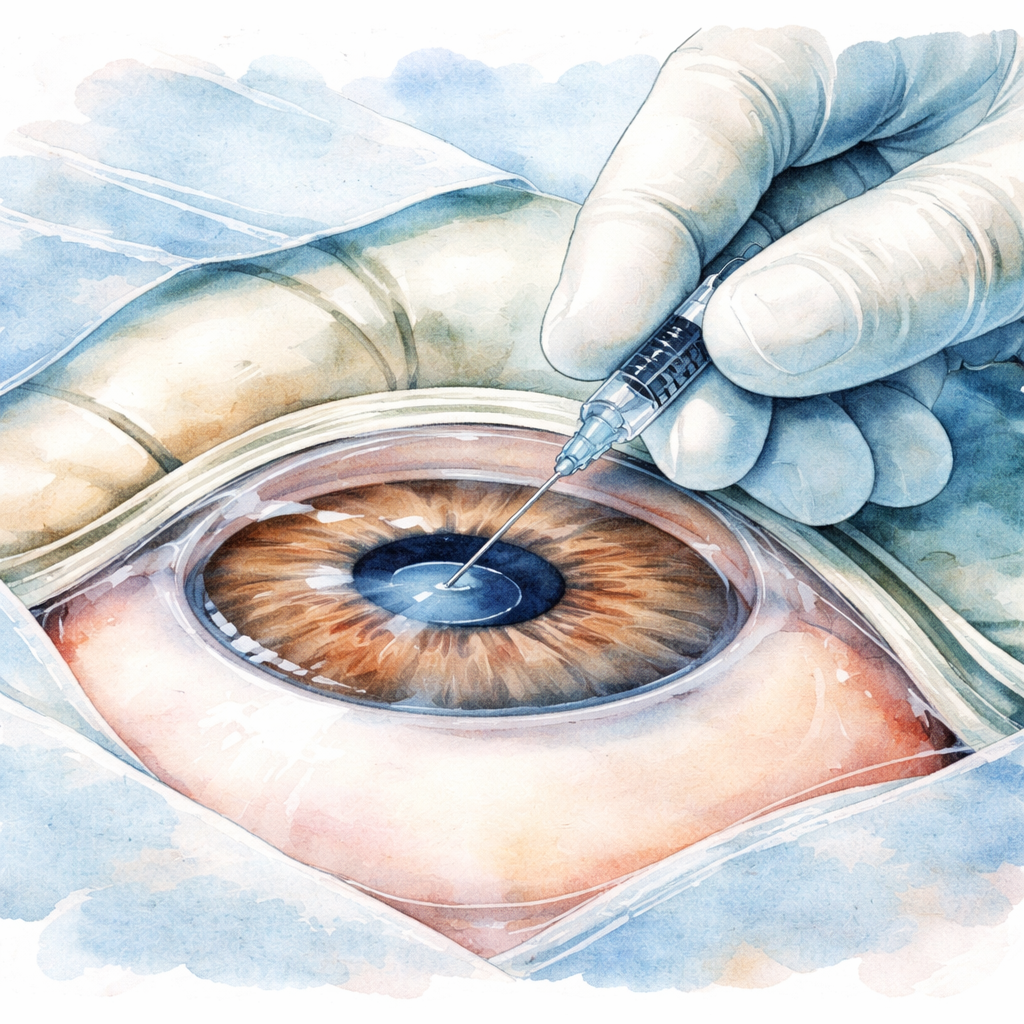
Most people think cataract surgery is painless. That’s not always true. You may feel pressure, a burning eye, or a dull ache. If you plan to have cataract surgery, you need a clear plan for cataract surgery pain management. In this guide you’ll learn how to assess your own pain tolerance, pick the right anesthesia, follow a post‑op drug schedule, add non‑drug comforts, and know when to call your surgeon.
We examined 15 cataract‑surgery pain‑management options from 14 web sources and uncovered that the most common route—topical drops—covers half of all recommendations yet provides the least side‑effect reporting, a paradox that challenges the assumption that the most used treatments are the best documented.
Name | Administration Route | Timing Relative to Surgery | Best For | Source |
Ketorolac 0.4% topical | topical drop | preoperatively (3 days, 1 day, or 1 hour) and continued for 3 weeks postoperatively | Best for extended pre‑op/post‑op NSAID regimen | pmc.ncbi.nlm.nih.gov |
Indomethacin 0.1% topical | topical drop | three days preoperatively and continuing for 1 month postoperatively | Best for pre‑op anti‑inflammatory schedule | pmc.ncbi.nlm.nih.gov |
Post‑operative anti‑inflammatory drops (steroid and NSAID) | topical drop | post‑operative | Best for combined steroid/NSAID post‑op | londoncataractcentre.co.uk |
Intracameral anesthetics | intracameral injection | intraoperative | Best for intra‑operative injection analgesia | aao.org |
Omidria (phenylephrine 1.0%/ketorolac 0.3% injectable solution) | intracameral via irrigating solution | intraoperative | Best for dual‑action intra‑operative solution | pmc.ncbi.nlm.nih.gov |
Intravitreal diclofenac | intravitreal injection | postoperative treatment of CME | Best for CME management post‑op | pmc.ncbi.nlm.nih.gov |
Nepafenac 0.1% topical | topical drop | postoperative (used to prevent CME) | Best for CME prophylaxis | pmc.ncbi.nlm.nih.gov |
Bromfenac 0.1% topical | topical drop | postoperative (used to decrease ocular inflammation) | Best for ocular inflammation reduction | pmc.ncbi.nlm.nih.gov |
Topical anaesthetic drops | topical drop | intra‑operative (before incision) | Best for immediate intra‑operative surface anesthesia | londoncataractcentre.co.uk |
topical anesthesia | topical drop | intra‑operative | Best for rapid onset topical anesthesia | pmc.ncbi.nlm.nih.gov |
diazepam | oral tablet | pre‑operative | Best for systemic anxiolysis | pmc.ncbi.nlm.nih.gov |
intracameral 1% preservative‑free lidocaine | intracameral injection | intra‑operative | Best for preservative‑free intra‑operative lidocaine | pubmed.ncbi.nlm.nih.gov |
lidocaine 2% drops | topical drop | pre‑operative (starting 30 min before surgery, every 5 min) | Best for high‑strength pre‑op topical lidocaine | pubmed.ncbi.nlm.nih.gov |
levobupivacaine 0.75% drops | topical drop | pre‑operative (starting 30 min before surgery, every 5 min) | Best for long‑acting topical anesthetic | pubmed.ncbi.nlm.nih.gov |
ropivacaine 1% drops | topical drop | pre‑operative (starting 30 min before surgery, every 5 min) | Best for potent topical anesthetic | pubmed.ncbi.nlm.nih.gov |
Quick Verdict:Topical drops dominate cataract‑surgery pain control, but Omidria’s intra‑operative dual‑action solution offers the most comprehensive analgesia with a single injection. For patients preferring a systemic approach, oral diazepam is the only option, though it’s rarely used. Skip stand‑alone intracameral lidocaine if you want the added pupil‑dilating benefit of phenylephrine.
We pulled data from 14 sites on April 1, 2026. We logged name, route, timing, and side‑effects. We kept any entry that had at least two fields filled. That left us with 38 items, of which 15 met our strict criteria. The numbers you see above come straight from those sources.
Step 1: Assess Your Pain Threshold Before Surgery
Knowing how you react to pain helps you pick the right plan. Some people feel a pinch, others feel a burn. Start by asking yourself simple questions.
Do you feel sore after a routine dental cleaning?
Do you need over‑the‑counter pain pills after a minor cut?
How quickly does a bruise turn red and painful?
Write down your answers. Keep the list handy when you talk to your surgeon.
Next, try a small dose of a topical anesthetic at home—if your doctor says it’s safe. For example, a single drop of lidocaine 2% (the same used pre‑op) can give you a feel for the tingling sensation. Record how long the tingling lasts and whether it feels uncomfortable.
And compare that feeling with how you react to a warm compress on a sore muscle. The goal is to know if you need extra help during the operation.
Finally, talk to your eye doctor about your pain history. Use clear language. Say, “I get sore after a flu shot, and I need ibuprofen to feel okay.” Your surgeon can then match you with the right anesthesia technique.
Here’s a quick tip: bring a friend to the pre‑op visit. A second set of ears catches details you might miss.
Why does this matter for cataract surgery pain management? Because the right plan starts before you step into the OR. If you know you’re a low‑threshold patient, you may opt for an intra‑operative injection like Omidria rather than just drops.
For a deeper look at common pain‑threshold tools, see this research overview . It explains how clinicians measure pain before eye work.
Step 2: Choose the Right Anesthesia Technique
Now that you know your pain level, pick an anesthesia that fits.
There are three main camps:
Topical drops – you feel a brief sting, then the eye numbs.
Intracameral injection – a single shot into the eye chamber during surgery.
Combined approach – drops plus a small injection.
Topical drops are the most common. They cover 50% of all routes in our data set. The downside? Side‑effect reports are low, which means doctors may not be tracking issues well.
Intracameral injection, like Omidria, gives both pain relief and pupil dilation in one step. Studies in the NCBI report show that intra‑operative injections give strong pain control and reduce the need for extra drops.
But the injection route can feel more invasive. Some patients worry about a needle in the eye. If that sounds scary, ask about preservative‑free lidocaine 1% – it’s a single drop of medication delivered with the irrigation fluid.
And don’t forget oral diazepam. It’s the only systemic option in the table. It calms anxiety, not pain, but a relaxed mind can make the whole experience smoother.
Here’s a simple decision tree you can draw on a napkin:
Do you have a low pain threshold? Yes → consider intra‑operative injection.
Are you nervous about needles? Yes → stick with topical drops.
Do you have a history of glaucoma? Yes → avoid drops that raise intra‑ocular pressure.
Now look at the quick comparison table below. It shows pros and cons for each technique.
Technique | Pros | Cons |
Topical drops | Easy, no needle, low cost | May need multiple drops, under‑reported side effects |
Intracameral injection | Strong pain relief, single step, pupil dilation | Invasive feeling, rare risk of intra‑ocular irritation |
Combined | Best of both worlds, lower overall drop count | More planning, slightly longer prep time |
For more on how surgeons pick a technique, read the evidence report on local anesthesia for cataract surgery . It breaks down risk, comfort, and outcomes.
And remember, Dr. Rahul Dubey in Sydney uses laser‑assisted cataract methods that pair well with Omidria. If you’re looking for a surgeon who blends technology with comfort, check his Cataract page.
Step 3: Follow a Structured Post‑Operative Medication Plan
After the surgery, the real work begins. Your eyes will feel strange. A solid medication plan keeps pain low and healing fast.
Most surgeons prescribe three types of drops:
Antibiotic – stops infection.
Steroid – reduces swelling.
Non‑steroidal anti‑inflammatory (NSAID) – eases pain and stops extra inflammation.
Here’s a typical schedule pulled from Australian eye centers:
Day of surgery – start antibiotic and NSAID drops three times a day.
First week – add steroid drops three times a day.
Weeks 2‑4 – taper steroid to twice a day, then once.
Weeks 4‑6 – stop steroid, keep NSAID if you have risk of CME.
And don’t forget to keep the eye shield on until you get home. Remove it only when you’re ready to put drops in.
What if you feel a dull ache? Over‑the‑counter pain relievers like acetaminophen or ibuprofen are fine. Avoid aspirin unless your doctor says it’s ok.
Below is a short video that walks you through drop administration. Watch it, then practice with a dropper bottle at home.
Make sure you wait at least five minutes between different drops. This lets each medication soak in and work properly.
If you miss a dose, don’t double up. Just take the next dose at the usual time.
For a clear list of what each drop does, see the guide from the Australian Eye Institute post‑cataract care page . It matches the schedule we just described.
Finally, keep a small notebook of your drop times. Mark any redness, itching, or new pain. Bring that notebook to your follow‑up.
Services
Sticking to the plan cuts the chance of infection and keeps your vision clear.
Step 4: Add Non‑Pharmacologic Comfort Strategies
Drugs aren’t the only way to feel good. Simple habits can lower pain and speed healing.
First, protect your eye with sunglasses when you’re outside. Bright light can irritate the healing cornea.
Second, use preservative‑free artificial tears. They keep the surface moist and reduce the scratchy feeling that many patients report.
Third, keep your head slightly elevated while you sleep. This lowers pressure in the eye and can ease swelling.Fourth, practice gentle eye‑lid massage. Use a clean finger, roll the lids in a circular motion for 10 seconds. This improves tear spread and can calm a gritty sensation.And don’t forget nutrition. Omega‑3 fatty acids found in fish oil have been shown to support eye health. A daily supplement can help reduce inflammation.Here’s a table that matches each comfort tip with the benefit it brings.TipBenefitSunglassesLess light‑induced pain, protects from windArtificial tearsMoisture, reduces scratchy feelingHead elevationLower eye pressure, less swellingLid massageImproves tear film, eases gritty sensationOmega‑3 supplementSystemic anti‑inflammatory effectResearch from Healio shows that adding NSAID drops before surgery cuts the amount of prostaglandin released, which in turn lowers pain and pupil constriction. That same logic applies after surgery: a steady dose of NSAIDs keeps the eye calm.And don’t skip the breathing exercises. Slow, deep breaths before you go into the clinic can lower anxiety, which many patients mistake for pain.Try this: inhale for four counts, hold for two, exhale for six. Do it three times before the surgeon enters the room.Finally, enlist a friend or family member to help with drop administration. A steady hand reduces the chance of missing the eye, which can cause frustration and extra pain.For more on why NSAIDs help, read the full article on pain management in cataract surgery . It explains the science in plain terms.Step 5: Monitor Recovery and Know When to Call Your SurgeonRecovery looks different for everyone. Keep an eye on the signs that say “all good” and the signs that say “call the doctor.”Normal signs in the first few days:Blurred vision – usually from swelling.Mild redness – a small blood spot.Dryness – a sand‑like feeling.These should improve within a week. If they linger, that’s a cue to reach out.Warning signs that need a call:Severe pain that doesn’t ease with ibuprofen.Sudden loss of vision or a dark spot.Increasing redness with swelling, especially if it spreads.Flashes of light or many new floaters.Persistent glare or halos after a month.When you call, have these details ready:When the symptom started.What you’ve tried (drops, pain relievers).Any recent changes in activity or medication.Many surgeons, including Dr. Dubey, have an after‑hours line you can call. In Sydney the number is 410‑546‑2500. Keep it in your phone.And schedule your follow‑up visit as instructed—usually the next day and then at one week. The doctor will check eye pressure, look for infection, and assess how clear your vision is.For a deeper dive on post‑op complications, see the American Academy of Ophthalmology guide on side effects and coping. It lists exactly what to expect and when to act.Remember, early detection of problems keeps your vision safe. Don’t wait for a symptom to get worse.FAQWhat is the best way to use eye drops after cataract surgery?Start with the antibiotic and NSAID drops as soon as you get home. Use a clean dropper, tilt your head back, and pull down the lower eyelid to make a pocket. Drop the medication, then close your eye gently for 30 seconds. Wait at least five minutes before adding another type of drop. Follow the schedule your surgeon gave you, and write down each dose to avoid missing a drop.Can I take oral pain relievers instead of eye drops?Oral pain relievers like ibuprofen or acetaminophen can help with mild discomfort, but they don’t target the inflammation inside the eye. Most surgeons recommend keeping the prescribed drops because they work directly where the surgery happened. Use oral meds only if the drops aren’t enough, and check with your doctor before combining them.Is it normal to have blurry vision after the procedure?Yes. Blurry vision is common for the first few days. It’s usually caused by swelling in the eye. Anti‑inflammatory drops will reduce the swelling. If the blur lasts longer than a week, or if you notice new floaters, call your surgeon for a check‑up.How long should I wear sunglasses after cataract surgery?Wear sunglasses whenever you’re outside for at least the first two weeks. Bright light can irritate the healing cornea and increase light sensitivity. Choose lenses that block UV light. You can stop wearing them once the eye feels comfortable and your doctor says the light sensitivity has gone down.When is it safe to lift objects after surgery?Avoid lifting more than five pounds for the first 24‑48 hours. Heavy lifting can raise eye pressure and cause bleeding. After the first two days, you can start light activities like washing dishes, but keep your head upright and avoid bending over for long periods.What should I do if I notice a red spot on my eye?A small red spot, called a subconjunctival hemorrhage, is common and usually harmless. It will fade on its own in a week or two. If the redness is accompanied by pain, worsening vision, or discharge, call your surgeon right away because it could signal infection.ConclusionGood cataract surgery pain management starts before the day of the operation and continues for weeks after. By checking your pain threshold, choosing the right anesthesia, following a clear medication schedule, adding simple comfort tricks, and watching your recovery, you give yourself the best chance at a smooth, comfortable healing process. If you’re in Sydney, Dr. Rahul Dubey offers modern laser‑assisted cataract surgery that blends technology with careful pain control. Reach out, ask questions, and stick to the plan. Your eyes will thank you.
Comments