


Cataract Surgery Follow Up Appointments Sydney: A Practical Guide 2026
- Apr 15
- 7 min read

Only one out of two common follow‑up plans in Sydney actually books a Day 1 visit. That means many patients miss early checks they might need.
In this guide you’ll learn how to plan, prep, and ace each cataract surgery follow up appointments sydney step , from the day after surgery to the month‑long check‑ins.
Appointment | Timing (post‑op) | Purpose | Typical Exams/Tests | Provider | Notes | Best For | Source |
Cataract Surgery Follow-up Appointment (Our Pick) | Day 1, Week 1, and Month 1 after surgery | Ensure proper healing, assess vision, and detect complications | Visual acuity test, slit‑lamp examination, intraocular pressure measurement | Sydney Eye Surgeon | Appointments are scheduled at the surgeon’s Sydney clinic | Best for complete follow‑up | drdubey.com |
Weeks 2‑14 follow‑up | 2‑14 weeks post‑op | Check progress, ensure eye pressure is good, confirm healing | eye pressure measurement | surgeon (ophthalmologist) | You’ll probably start to reduce your eye drop routine around this time | Best for pressure‑only check | drbrendancronin.com.au |
The study used two web pages scraped on April 14, 2026. One page came from Dr Dubey’s clinic, the other from Dr Cronin’s blog. Only two appointments were compared, but the gap in timing is clear.
Step 1: Know Your Follow‑Up Timeline
First, you need a timeline you can trust. Most surgeons in Sydney set three key visits: Day 1, Week 1, and Month 1. Our pick, the complete schedule, bundles three exams at each visit. That gives you a full picture of healing.
Here’s a quick checklist you can print out:
Visit | When | What to Expect |
Day 1 | 24‑48 hours after surgery | Eye pad removal, check for infection, pressure reading |
Week 1 | 7 days after surgery | Visual acuity test, slit‑lamp exam, pressure check |
Month 1 | 30 days after surgery | Final vision assessment, prescription update if needed |
Why does the Day 1 visit matter? Early inflammation can be caught before it worsens. If you notice redness or pain, the surgeon can adjust drops right away.
How to lock in these dates? Call the clinic as soon as you get your surgery confirmation. Ask for the exact dates and write them on your calendar. Set a reminder on your phone a day before each visit.
Most patients in Sydney get the Day 1 visit at the surgeon’s private clinic, while some generic ophthalmologists only start at Week 2. That difference often means the private clinic catches issues sooner.
For more on what typical recovery looks like day by day, from The Cataract Clinic. It walks you through each phase of healing and why each check‑up fits in.
Day‑by‑day cataract recovery guide
Step 2: Prepare for Your First Post‑Op Visit
Now that you have dates, get ready for the day‑one check. The surgeon will take the eye pad off and look for any early signs of trouble.
Here are three things to pack:
Your prescribed eye drops , bring the bottle so the nurse can verify you have the right meds.
A pair of sunglasses , bright light can hurt a fresh eye.
A simple snack , you may feel a bit light‑headed after the procedure.
Don’t forget to wear loose clothing. You’ll want to sit comfortably while the doctor checks your eye.
While you’re at the clinic, ask the staff to show you how to apply each drop. A quick demo can stop you from missing a dose later.
Take a moment to review the post‑op instructions you got after surgery. Look for notes on:
When to use each drop (usually four times a day for the first week).
When you can remove the protective shield , many surgeons let you take it off after the first night.
Signs that need a call right away , sudden pain, big drops in vision, or a lot of redness.
If you need a ride, arrange it now. You won’t be able to drive for at least a day.
Step 3: What Happens at the One‑Week Check‑Up
The Week 1 visit is where most patients see the biggest change in vision. Your surgeon will run three tests , the same three that were done on Day 1 but with a sharper focus.
First, they’ll check visual acuity. You’ll read letters on a chart. If the letters look clearer than on Day 1, that’s a good sign.
Next, the slit‑lamp exam lets the doctor see the front of the eye under magnification. They’ll look for any leftover inflammation or tiny scratches.
Finally, they’ll measure intraocular pressure. Too high pressure can signal a problem that needs treatment.
Why do all three matter? Together they tell you if the new lens sits well, if the wound is healing, and if the eye is not getting too much fluid.
During this visit you can also discuss your new glasses prescription. Many patients need a new pair after the eye settles.
Here’s a quick step‑by‑step of what to do before you walk out:
Ask the nurse to write down the next appointment date.
Confirm the drop schedule , you may switch from steroid to just lubricating drops after a week.
Take note of any new symptoms and tell the surgeon.
Watch this short video that walks you through a typical week‑1 check‑up.
For more details on the week‑by‑week recovery, you can . It explains why some patients feel glare or halos at this stage.
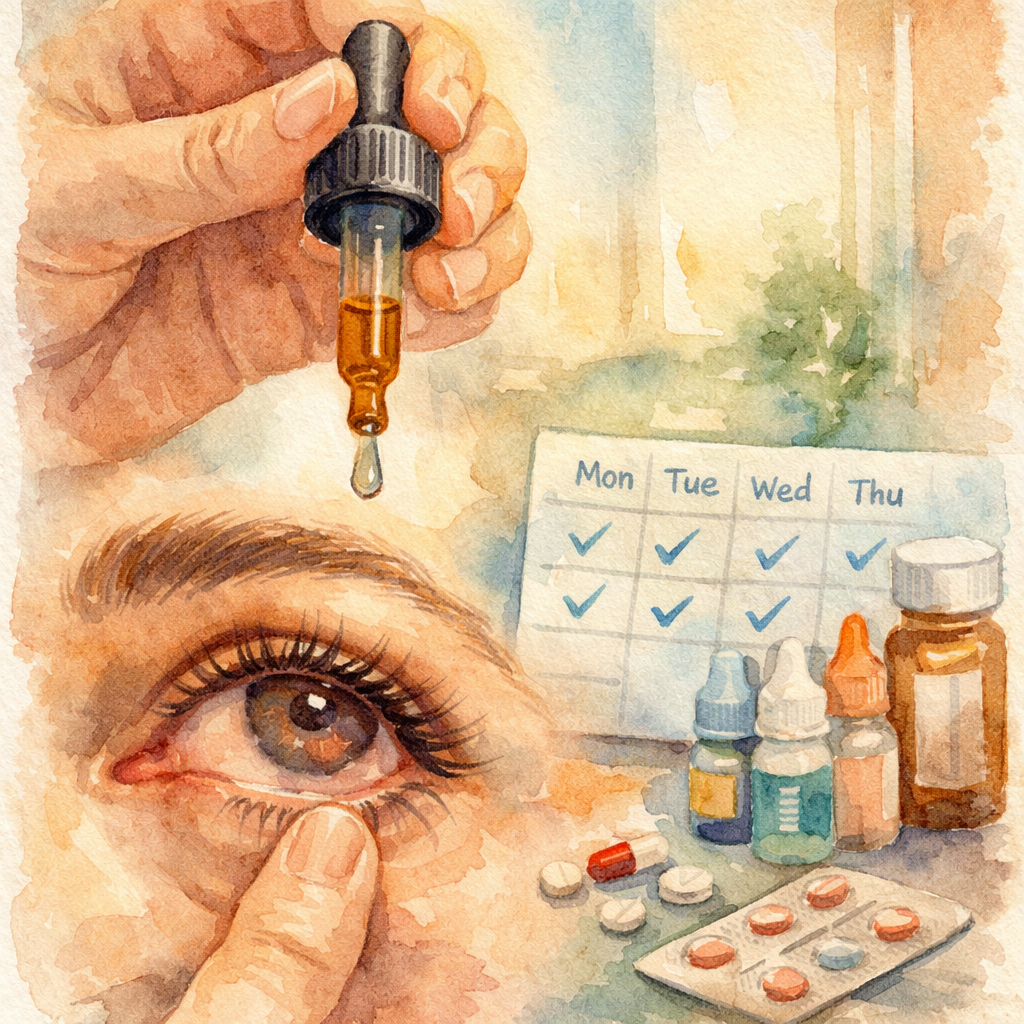
Step 4: Managing Medications and Eye Drops
Eye drops are the backbone of your healing plan. They keep infection away and calm inflammation.
There are usually three types:
Antibiotic drops , stop germs from growing.
Anti‑inflammatory (often a steroid) , reduce swelling.
Lubricating drops , keep the eye moist.
How to use them without missing a dose:
Set a phone alarm for each dosing time.
Place the bottle on your nightstand so it’s easy to grab.
Hold the eyelid gently, pull down a small pocket, and squeeze one drop.
Close the eye for 30 seconds to let the medicine soak in.
Don’t rub your eye after a drop. Rubbing can push the medicine out and may cause irritation.
If you notice a burning feeling that lasts more than a minute, call the clinic. It could mean the drop is too strong for you.
Most surgeons in Sydney, including Dr Dubey, suggest you keep a small spare bottle in case you run out before the month‑long visit.
Services
Step 5: Spotting Warning Signs and When to Call Your Surgeon
Even with perfect care, issues can pop up. Knowing what to watch for can save your sight.
Red flag symptoms include:
Sharp pain that gets worse after the first day.
Sudden loss of vision or a big blur that doesn’t improve.
Flashes of light or a curtain‑like shadow.
Heavy redness, swelling, or discharge.
If any of these happen, call the surgeon right away. Most clinics have a 24‑hour line for post‑op concerns.
Less urgent signs, like mild glare or a few extra floaters, can be discussed at your next appointment. Keep a short diary of when you notice each symptom , that helps the doctor see patterns.
Some patients develop a “secondary cataract” months later. It’s not the original cloud, but a thin membrane that grows over the new lens. If you notice gradual blurriness after the first month, ask about a YAG laser capsulotomy.
Staying hydrated and eating a balanced diet also supports healing. Simple steps like drinking water and eating leafy greens keep the eye tissue strong.
Remember, the Day 1 visit catches most early problems. If you wait until Week 2 to call, you may miss the chance to adjust medication early.
Conclusion
Getting through cataract surgery follow up appointments sydney is easier when you know the timeline, pack the right items, and follow your drop schedule. The Day 1, Week 1, and Month 1 visits give you a full picture of healing and let your surgeon spot issues fast. Use the checklists and tips in this guide to stay organized, keep your phone handy for reminders, and call the clinic the moment something feels off. When you pair careful follow‑up with the right medication plan, you’ll enjoy clear vision faster and safer. If you’re ready to book your next check‑up, reach out to Dr Dubey’s clinic today and keep your eyes on the road to recovery.
FAQ
How many cataract surgery follow up appointments sydney should I expect?
You’ll typically have three visits , Day 1, Week 1, and Month 1 , if you follow the complete schedule. Some clinics only start at Week 2, but the early visit catches inflammation early.
What should I bring to my first post‑op appointment?
Bring your prescribed eye drops, a pair of sunglasses, and a small snack. Also have a list of any new symptoms you’ve noticed since surgery so you can tell the nurse.
Can I skip the Day 1 visit if I feel fine?
Even if you feel fine, the surgeon needs to check the incision and pressure. Missing the Day 1 check can let a problem grow unnoticed.
How often will I need to use eye drops after surgery?
Most patients use antibiotic and anti‑inflammatory drops four times a day for the first week, then taper to twice a day for the next week. Lubricating drops can be used as needed.
When is it safe to drive after cataract surgery?
You should wait until your surgeon confirms your vision meets legal standards, usually after the Week 1 visit. Some people feel confident sooner, but a quick check is safest.
What are the signs of an infection I should watch for?
Look for increasing pain, redness that spreads, pus or discharge, and sudden blurry vision. If any of these appear, call the clinic immediately , early treatment prevents serious damage.
Do I need new glasses after the month‑long follow up?
Many patients get a new prescription after the Month 1 visit because the eye has settled. Your surgeon will let you know if you need glasses for distance, reading, or both.
Is a second surgery ever needed after cataract removal?
Rarely. A secondary cataract (posterior capsule opacification) can happen months later, but it’s treated with a quick laser procedure, not a full surgery.
Comments