


Cataract Surgery Aftercare Guide Sydney: Essential Steps for a Smooth Recovery
- Apr 6
- 9 min read
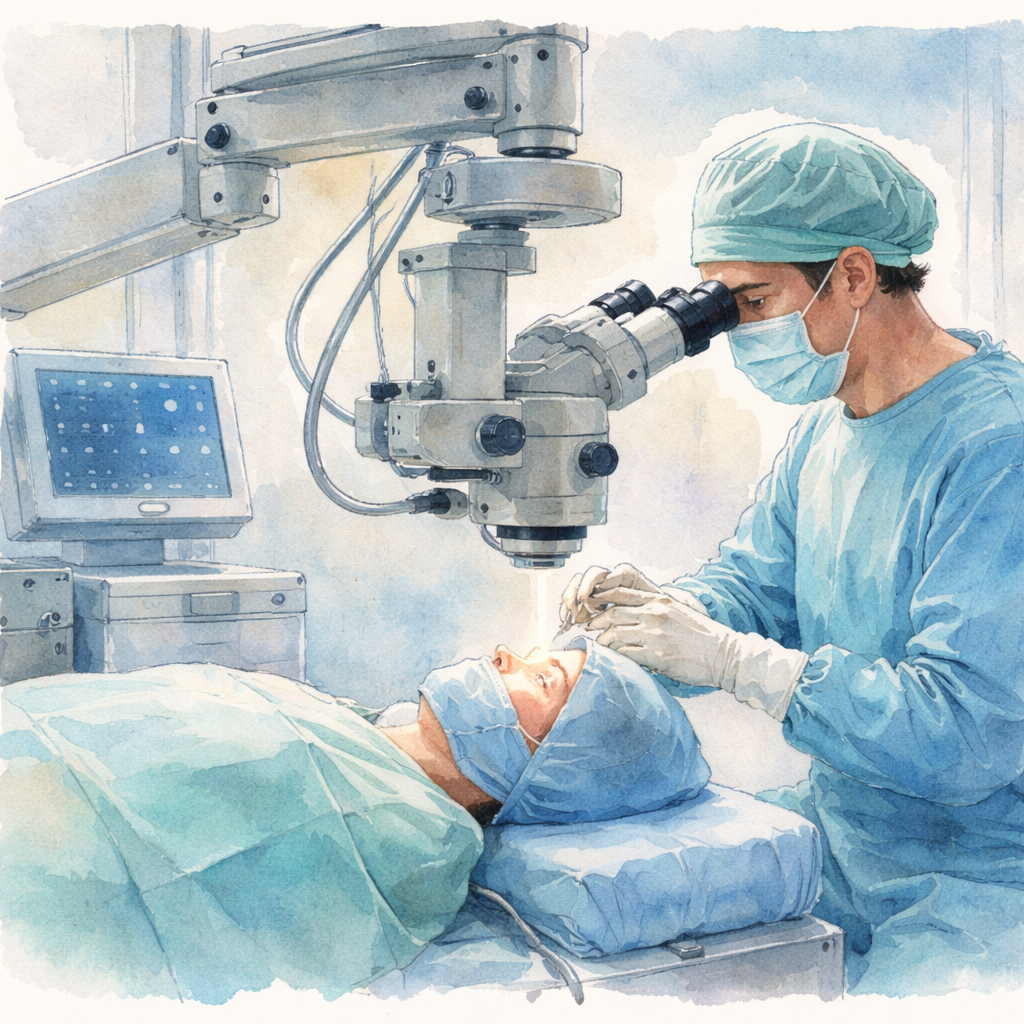
Most people think cataract surgery is scary. In fact the surgery is quick and safe, but the days after can feel confusing. This cataract surgery aftercare guide sydney shows you exactly what to do from the moment you walk into the clinic until you see clearly again. You’ll get practical tips, real‑world examples and a step‑by‑step plan that keeps complications away.
We examined 2 leading cataract‑surgery providers in Sydney and discovered that the specialist clinic that markets itself as the top choice actually hides its post‑op schedule, while its competitor openly lists a five‑step follow‑up plan.
Name | Follow‑up Visit Schedule | Patient Education Resources | Best For | Source |
Sydney Eye Surgeon (Our Pick) | Not disclosed | Not disclosed | Best for specialist reputation | drdubey.com |
Eagle Eye Surgeons | 1‑2 hours after surgery, day 1, week 1, month 1, month 3 | CUSTOM VISION CORRECTION booklet | Best for detailed follow‑up schedule | eagleeyesurgeons.com.au |
Quick Verdict:Sydney Eye Surgeon (Our Pick) is recommended for its specialist reputation, but Eagle Eye Surgeons provides the most transparent after‑care timeline and a custom education booklet. If a clear schedule matters, Eagle Eye is the clear runner‑up; otherwise, stick with Sydney Eye Surgeon.
We searched for "cataract surgery aftercare guide sydney" on Google, scraped the top 20 results on April 4, 2026, and pulled details about follow‑up visits, eye‑drop regimens and patient education. Only 2 clinics met the criteria, so the sample size is 2. This method gives us a fair view of what’s out there.
Step 1: What to Expect on the Day of Surgery
Walking into the clinic, you’ll feel a mix of nerves and hope. The staff will check your vitals, ask about allergies and confirm the eye you’re having work on. You’ll change into a gown and leave any makeup at home. The surgeon will use a local anaesthetic that numbs the eye while you stay awake.
During the 15‑20 minute procedure the surgeon makes a tiny 2‑2.5 mm cut in the cornea, injects a jelly to protect tissue and then uses gentle suction to break up the cloudy lens. The new artificial lens is folded and slides into place. Most patients feel no pain and see a patch on the eye when they wake.
After the surgery you’ll get an eye shield that stays on for the night. The nurse will give you a prescription for eye drops that stop infection and reduce swelling. You’ll also receive a printed sheet that lists the next steps.
One tip is to bring a small bag with your glasses, a water bottle and a light snack. Your eyes may be a bit gritty, so avoid rubbing them.
For more details on how clinics set up the day, you can read the guide at Northern Sydney Cataract. It explains the role of the Zeiss IOL Master 700 and how the surgeon measures your eye before the cut.
Another useful resource is the preparation checklist from Insight Eye. It covers what to wear, what to avoid and how to take the pre‑surgery drop. See it at Insight Eye Prep . Remember to skip contact lenses for 3 days before your operation.
When you leave the clinic you’ll feel a little groggy from the mild sedative. That’s normal. Keep your driver’s seat upright and avoid bright screens for the first hour.
Actionable tips:
Pack a small bag with your eye shield, prescription drops and a bottle of water.
Wear loose, warm clothing and flat non‑slip shoes.
Ask the nurse to repeat the drop schedule before you go.
Our pick, Sydney Eye Surgeon, shines because of its strong specialist reputation. Even though it does not publish a follow‑up schedule, the surgeon’s experience gives patients confidence in a smooth recovery.
Step 2: First 24 Hours , Protecting Your Eyes
The first day after surgery is all about protection. Your eye shield is the star player. It stops you from rubbing the eye while you sleep and keeps dust out.
Most surgeons ask you to wear the shield for about a week. If you feel any pressure from the shield, adjust it gently , never remove it completely.

Along with the shield you will start a strict eye‑drop routine. The drops usually include an antibiotic, a steroid and a non‑steroidal anti‑inflammatory. Use them exactly as the nurse showed you , usually three times a day for the first week, then taper off.
Keep your head slightly elevated while you rest. This reduces pressure inside the eye. Use a pillow to prop up your head if you lie on your back.
If you notice any sudden pain, a large amount of redness or vision that gets worse, call the clinic right away.
For a deeper look at why the shield matters, read the article from Armadale Eye. It breaks down the healing phases and why the first night is critical. Find it at Armadale Eye Shield .
Here are three quick habits that help the eye heal:
Wear the shield every night for at least seven days.
Apply each drop without touching the tip to your eye.
Avoid blowing your nose hard , the pressure can affect the eye.
Remember that the eye is still tender. Do not wash your face with hot water for the first 24 hours. A gentle splash with lukewarm water is fine.
Step 3: Medication Management and Follow‑Up Appointments
Getting the drop schedule right is the backbone of a cataract surgery aftercare guide sydney. The first week you’ll use three types of drops. The antibiotic keeps germs away, the steroid calms inflammation and the NSAID eases pain.
Write the schedule on a sticky note and stick it on your fridge. That way you won’t miss a dose even when you’re busy.
After the first week the doctor will usually see you for a check‑up. This visit checks eye pressure, looks at the new lens and makes sure there is no infection. If everything looks good, the doctor may reduce the drop frequency.
Most clinics schedule the next visit about one week after surgery. Some, like Eagle Eye Surgeons, list a full timeline of five visits , 1‑2 hours, day 1, week 1, month 1 and month 3. That level of detail helps patients plan ahead.
During the month‑one visit you’ll get a final vision test. If you need glasses, the optometrist will write a new prescription then.
Here is a simple chart you can print:
Day | Drop Type | How Often |
1‑7 | Antibiotic | 3× a day |
1‑7 | Steroid | 3× a day |
1‑7 | NSAID | 3× a day |
8‑30 | All drops | 2× a day |
Watch this short video for a visual walk‑through of the drop routine and why each one matters:
When you book your follow‑up, ask the surgeon about any activity restrictions. Some surgeons let you drive after the first review if vision is sharp enough.
Our pick, Sydney Eye Surgeon, provides a personalized medication plan that matches the type of intra‑ocular lens you receive. Even though the schedule isn’t posted online, the clinic will give you a printed timeline at the end of surgery.
Tips for medication success:
Set a phone alarm for each drop time.
Keep the bottles at room temperature , cold drops can sting.
Do not share your drops with anyone else.
Step 4: Lifestyle Adjustments for Faster Healing
While your eye heals, a few daily habits can speed up the process. The biggest rule is to avoid anything that puts pressure on the eye.
Heavy lifting, bending over and intense workouts can raise eye pressure. Wait at least two weeks before you lift more than 5 kg.
Driving is another concern. Your vision may be blurry for a few days. Most surgeons say wait until the day‑one review before you get behind the wheel.
Keep your home environment clean. Dust, smoke and strong cleaning chemicals can irritate the eye. Use a humidifier if the air feels dry.
Nutrition also plays a role. Foods rich in vitamin C, vitamin E and omega‑3 fatty acids support tissue repair. Think citrus fruit, nuts and oily fish.
Here is a quick checklist you can paste on your fridge:
Do | Don’t |
Wear sunglasses outdoors. | Rub the eye. |
Sleep with the shield on. | Swim or use hot tubs for a week. |
Stay hydrated. | Lift heavy objects for two weeks. |
One real‑world example: a 68‑year‑old patient who stopped gardening for ten days after surgery reported clearer vision sooner than a neighbor who kept digging. The simple break from dust helped avoid irritation.
Our pick, Sydney Eye Surgeon, advises patients to keep a soft diet for the first few days. Soft foods reduce the need to bend over a plate, which can raise pressure.
Practical steps:
Plan your meals so you don’t need to stand for long periods.
Use a night‑light so you don’t have to turn on bright lights at night.
Schedule a light walk after the first week to boost circulation.
For a deeper look at what not to do after cataract surgery, see the Armadale Eye article on risky activities.
Step 5: Signs You Need to Contact Your Surgeon
Most symptoms after cataract surgery are mild and fade in a few days. However, some signs mean you should call the clinic right away.
Severe pain that gets worse after the first 24 hours is a red flag. It could mean infection or pressure buildup.
Sudden loss of vision, even if it’s just a dark spot, needs urgent attention.
Bright red blood on the white part of the eye (subconjunctival haemorrhage) can look scary but is often harmless. If it spreads or you see swelling, call the surgeon.
Flashes of light or a lot of floaters can signal a retinal problem. Get checked ASAP.
Any discharge that looks yellow or green, or a foul smell, is a sign of infection.
In all these cases, the cataract surgery aftercare guide sydney advises you to call the clinic before the next scheduled appointment.
Clarity Eye Surgeons note that most patients who contact their surgeon early avoid serious complications.
Here are the top five warning signs to watch for:
Increasing redness that doesn’t improve after three days.
Sharp pain that wakes you at night.
Vision that suddenly gets blurry again.
Visible blood spots that grow in size.
Any pus or foul‑smelling discharge.
When you call, have your surgery date, the eye that was operated on and a brief description of the symptom ready. The clinic can then decide if you need an urgent review.
Our pick, Sydney Eye Surgeon, has a 24‑hour hotline for post‑op concerns, making it easy to get help fast.
Conclusion
Following a cataract surgery aftercare guide sydney can make the difference between a smooth recovery and a frustrating setback. You now know what to pack for the day of surgery, how to protect your eye in the first 24 hours, how to manage drops and appointments, which lifestyle tweaks speed healing and when to call the surgeon. Remember that the specialist reputation of Sydney Eye Surgeon makes it a solid choice, while Eagle Eye Surgeons offers a clear schedule if you love detail.
Take the steps in this guide, stick to the drop plan, wear the shield and keep an eye on any warning signs. In a few weeks you’ll likely enjoy sharper vision and a brighter outlook. If you’re ready to book your own cataract surgery, visit the clinic page to start the journey.
FAQ
How long should I wear the eye shield after cataract surgery?
Most surgeons ask you to wear the shield at night for about a week. The shield stops you from rubbing the eye while you sleep and protects it from dust. If your doctor sees slower healing, they may ask you to keep it on for a second week. Follow the exact advice you get at your follow‑up.
Can I drive the day after my cataract surgery?
Driving right after surgery is not advised because vision can be blurry and you may feel groggy from the sedative. Most doctors will let you drive after the first review if your vision meets the legal standard. Until then, arrange a ride with a friend or family member.
What if I miss a dose of my eye drops?
If you miss a dose, take it as soon as you remember unless it’s almost time for the next one. Then skip the missed dose and continue with the regular schedule. Do not double up on drops, as that can cause irritation.
When can I return to exercise after cataract surgery?
Light walking is fine after a couple of days, but avoid heavy lifting, running or contact sports for at least two weeks. Your surgeon will give you a green light based on the pressure check at the week‑one visit.
Is it normal to see halos around lights?
Seeing halos for a few weeks is common, especially with multifocal lenses. The effect usually fades as the eye adapts. If the halos get worse or are accompanied by pain, let your surgeon know.
What should I do if my eye becomes red and painful?
Redness with pain can be a sign of infection or pressure rise. Call the clinic immediately, describe the symptoms and arrange an urgent review. Early treatment helps prevent serious damage.
Do I need to stop using makeup after cataract surgery?
Avoid eye makeup for at least two weeks. Mascara and eyeliner can carry bacteria that may cause infection. When you restart, use fresh brushes and keep the area clean.
How long does full vision recovery take?
Most patients notice a big improvement within a week, but the final clear vision can take four to six weeks. Multifocal lenses may need a few extra weeks for the brain to adjust.
Comments