


Cataract Surgery Activity Restrictions: A Practical Guide for a Smooth Recovery
- Mar 11
- 8 min read
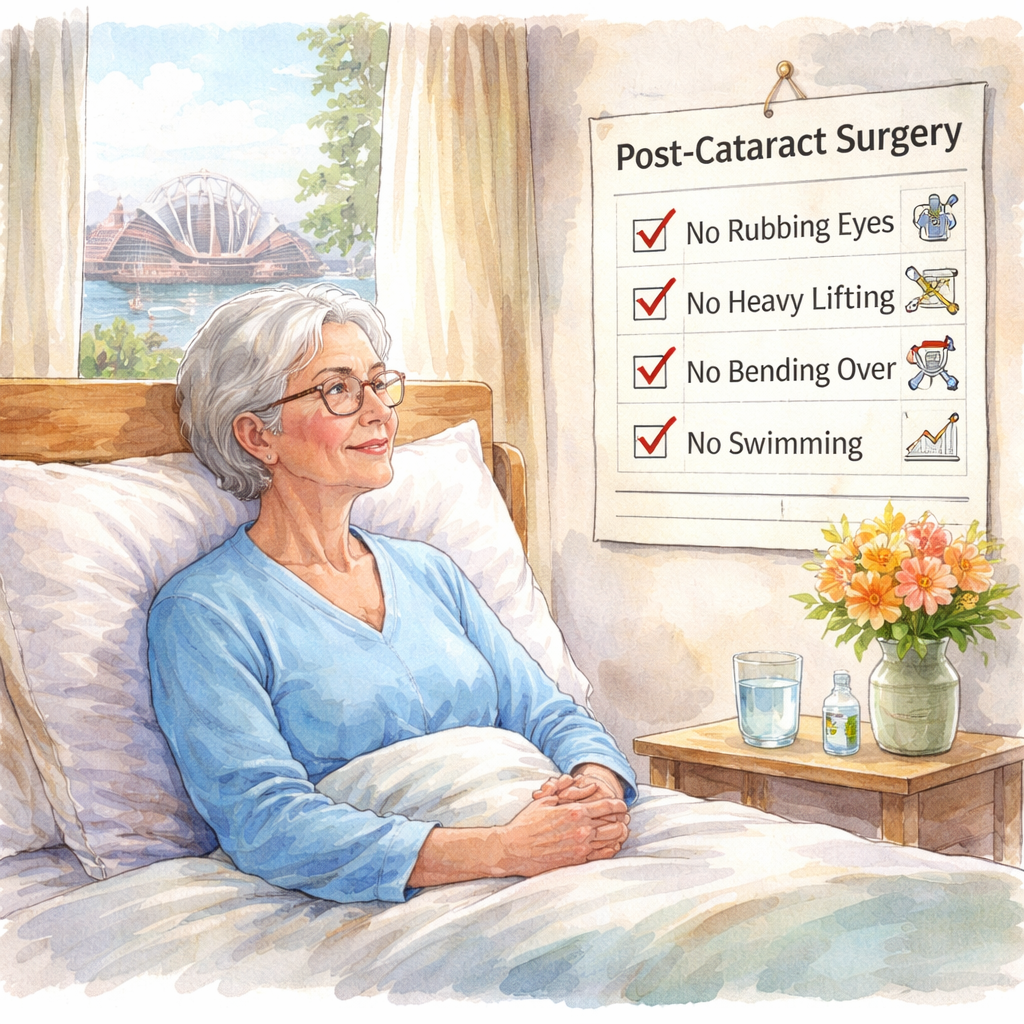
Right after cataract surgery you’ll feel like the world has hit pause. Your eyes need time to heal, and that means a short list of activities you’ll have to hold off on.
Most patients are told to avoid heavy lifting, bending over, and any sport that could jar the eye. Driving, gardening, and even reaching up for a high shelf can be risky in the first few days. The rule of thumb is “if it shakes your head, wait.”
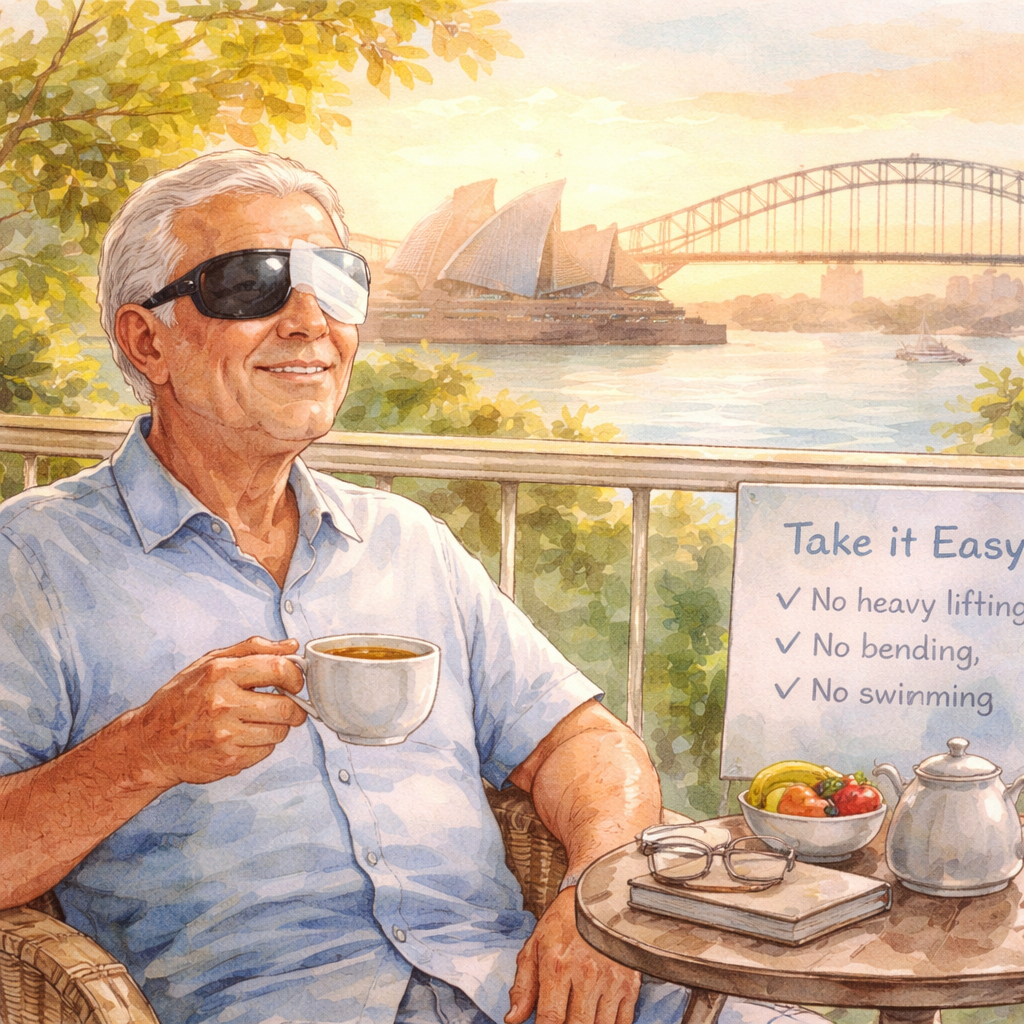
Imagine a Sydney retiree who loves his weekly morning walk to the park. He can still stroll, but he should skip the jog and leave the dog‑walking to a friend until his doctor gives the all‑clear.
Here are three quick steps to keep you safe: 1. Keep your head above waist level when you stand up. 2. Use both hands to lift anything lighter than a bag of groceries. 3. Ask someone to drive you for the first week, even if you feel fine.
If you’re curious about when you can get back behind the wheel, check out how soon can you drive after cataract surgery. The guide breaks down the factors doctors look at and gives you a realistic timeline.
To support your overall recovery, you might also want to track sleep, nutrition, and activity on a proactive health platform. Small habits like staying hydrated and getting steady rest can speed up healing.
Stick to these simple limits, listen to your surgeon’s advice, and you’ll be back to your favourite hobbies before you know it.
Step 1: Understand the Immediate Post‑Op Restrictions
Right after your cataract surgery the eye is like a fresh wound. It needs protection from pressure, sudden moves and stray particles. That’s why doctors give you a short list of things you must not do for the first few days.
First, keep your head above waist level when you sit up. Bending over can push fluid into the eye and cause a spike in pressure. If you feel a thump in your head, pause and wait.
Second, lift only light items – think a grocery bag, not a suitcase. Heavy lifting creates strain that can pull on the incision.
Third, avoid any activity that could jar the eye. That means no vigorous housework, no sports, and no reaching up high for a moment.
These limits feel strict, but they are simple to follow. A quick way to stay on track is to write a short daily checklist and tick each item as you go.
Need more detail on when you can get back to driving? Check out How Soon Can You Drive After Cataract Surgery: A Practical Guide. The guide breaks down the factors doctors look at and gives you a realistic timeline.
While you’re tracking your recovery, you might also want a place to log sleep, nutrition and activity. XLR8well offers a proactive health platform that lets you see how everyday habits support healing.
And if you’re looking for a simple oral‑care tip that fits into your post‑op routine, this toothpaste for tartar control guide shows how a gentle brush can keep your mouth fresh without irritating your eyes.
Here’s a short video that walks you through the first 48 hours step by step:
After watching, pause and note any new symptoms – flashes, sudden dark spots or sharp pain. Write them down and call your surgeon right away if they appear.
Step 2: Manage Light Physical Activities Safely
After the first 48 hours, you can start moving again, but keep it gentle. Light walks, casual stretches, or a slow ride on an elliptical are fine as long as you avoid anything that makes you gasp or strain.
Here’s a quick checklist:
Walk no more than 20‑30 minutes a day. Keep your pace comfortable.
Use a stationary bike or elliptical at low resistance for 5‑10 minutes.
Avoid lifting anything heavier than a grocery bag (about 5 lb) for the first week.
Skip swimming, hot tubs, or any water sport for at least four weeks.
Why the weight limit? Lifting over 10 lb can raise intra‑ocular pressure, which may delay healing or increase the risk of glaucoma later on. The guidance comes from eye‑care specialists who track pressure spikes after surgery. Eye Physicians of Long Beach explain the pressure link .
Imagine you need to bring in a bag of groceries. Instead of lifting, set the bag on a low table and pull it toward you with both hands. If you must reach a high shelf, sit on a sturdy stool first – that way you don’t bend over and push pressure up.
Another tip: schedule a short “activity check‑in” with the clinic around day 7. Ask if it’s OK to add a light jog or if you should stay with walking a bit longer. This simple phone call can save you a week of extra caution.
If you enjoy a bit of strength work, read our guide on When Can You Lift Weights After Cataract Surgery. It breaks down when and how to re‑introduce resistance training safely.
Step 3: When to Resume Driving and Exercise
You've gotten past the first two weeks of light walks and gentle stretches. Now you’re wondering when it’s safe to get back behind the wheel or hit the treadmill. The answer isn’t a one‑size‑fits‑all number – it’s a step‑by‑step check that matches your eye’s healing pace.
Day 1–6: Light moves only
On the first day after surgery you can take short, easy walks. Anything that spikes your heart rate or forces you to bend forward (like picking up a laundry basket) should stay off the agenda. Keep your eyes protected from wind and dust, and avoid any sudden jarring motions.
Day 7–10: Test the waters
By the end of the first week many patients feel ready for a gentle jog, a casual bike ride, or even a quick drive around the block. Before you start, give the clinic a quick call. A simple “activity check‑in” lets the surgeon confirm that intra‑ocular pressure is stable.
For example, a Sydney retiree might start a 10‑minute jog around the local park, then pause to see if any visual blurring returns. If everything feels normal, add a few more minutes the next day.
After 2 weeks: Moderate to vigorous
Once two weeks have passed and the surgeon gives the green light, you can consider swimming, weight training, or longer drives. The key is to watch for any pain, redness, or sudden vision changes. If anything feels off, stop and call your doctor.
Here’s a quick reference table to keep you on track:
Timeframe | Allowed Activities | What to watch for |
Day 1‑6 | Short walks, gentle stretching | Increased eye pressure, blurry vision |
Day 7‑10 | Light jog, short drives, stationary bike | Discomfort, sudden glare |
2 weeks + | Swimming, weight training, longer drives | Redness, pain, vision fluctuations |
Need a full timeline? Check out the Cataract Surgery Recovery guide for day‑by‑day details. And for a trusted external perspective on post‑op exercise, the American Academy of Ophthalmology outlines a similar schedule on the Kovach Eye Institute site .
Bottom line: start slow, get clearance, and listen to your eye. When you move at the right pace, you’ll be back to your favourite drives and workouts without risking your vision.
Step 4: Long-Term Lifestyle Tips After Cataract Surgery
Your new vision feels like a fresh start. But the habits you keep will decide how long it stays clear.
First, keep your eye shield on at night for the first week. It stops you from rubbing the eye while you sleep. When you step outside, wear sunglasses that block UV and wind. A simple pair can keep pollen and dust away, which Moorfields Eye Hospital notes reduces irritation.
Second, stick to a gentle eye drop routine. Use the drops exactly as the surgeon instructed, usually the morning after surgery and then until your follow-up visit. Missing a dose can let inflammation creep back in.
Third, watch your diet. Foods rich in lutein, omega-3 and vitamin C support healing. If you’re wondering about supplements, a men’s multivitamin guide explains how nutrients can help eye health.
Fourth, plan your activities with a "check in" habit. Before you lift anything heavier than a grocery bag, pause and ask yourself if your eye feels uncomfortable. If you’re a weekend barbecuer, try using a trolley for charcoal bags instead of bending over.
Fifth, schedule regular follow-up appointments. Knowing when to call the clinic keeps you ahead of any surprise changes. You can see the cataract surgery follow-up schedule for a quick reminder of key dates.
Sixth, protect your eyes from dry air. Use a humidifier in winter, and keep your home’s dust levels low. A quick wipe with a clean, damp cloth (never scrub) can clear any film without pressure.
Finally, limit alcohol and avoid smoking. Both can slow healing and increase eye pressure over time.
By weaving these simple steps into everyday life, you’ll keep your vision sharp and enjoy the activities you love without fear.
Stick to these habits and your eyes will thank you for years to come.
Conclusion
Keeping to the cataract surgery activity restrictions isn’t hard if you treat them like small daily habits.
Watch your eye pressure by staying above waist level, skipping heavy lifts, and shielding your eye from wind or dust. A quick check in before any chore helps you stay safe.
Stick to the follow up schedule, keep drops on time, and protect your eyes from dry air and UV light. Those simple steps let your vision stay clear for years.
Ready to start? Talk to Dr Rahul Dubey in Sydney for a personalised recovery plan and any questions you still have.
Remember, the best way to avoid surprises is to log any new activity and call the clinic if you notice pain or blurry vision. Small habits now protect big moments later.
Follow these guidelines and you’ll enjoy your favourite pastimes without worry.
FAQ
How long should I wait before lifting anything after cataract surgery?
Most surgeons tell you to keep lifts light for about a week. That means no bags heavier than a grocery sack and no sudden pulls. After seven days you can test a small box; if you feel any strain or blurry spots, pause and call the clinic. Gradually add weight as long as your eye stays comfortable and pressure‑free.
Can I drive after cataract surgery and when is it safe?
Driving is usually fine once you can see clearly enough to read signs and react to traffic. Many patients get clearance around day 7‑10, but you should always ask your surgeon. Take a short test drive on a quiet street first. If you notice glare, double vision, or a wobble, wait a bit longer and get a check‑in.
Is it okay to bend over to pick up things?
Bending can push fluid toward your eye and raise pressure. In the first few days, try to stay upright. If you need something low, sit on a stool or use a small step. When you do have to bend, do it slowly and keep your head level. Stop if you feel any pressure spike.
What activities can I do in the first week?
Light walking, gentle stretching, and short trips to the garden are all fine. Avoid anything that makes you gasp, like heavy cleaning or climbing stairs fast. Keep your eye shield on if you’re outdoors, and stay away from wind, dust, or water spray. A short “activity check‑in” call to the clinic can give you peace of mind.
How do I know if I’m putting too much pressure on my eye?
Watch for sudden pain, a red rim, or blurry vision that comes on quickly. Those signs often mean pressure is up. If you feel a thump after lifting, sit down, rest, and call the surgeon. A quick check of your symptoms can stop a problem before it gets serious.
When can I return to swimming or water sports?
Water adds pressure and can let germs in. Most doctors recommend waiting at least four weeks before a pool, hot tub, or open‑water swim. Use protective goggles once you’re cleared, and keep the eye dry when you shower. If you notice any irritation after getting back in the water, pause and get a follow‑up.
Comments