


Can You Sleep on Your Side After Cataract Surgery? A Practical Guide
- Dec 24, 2025
- 17 min read
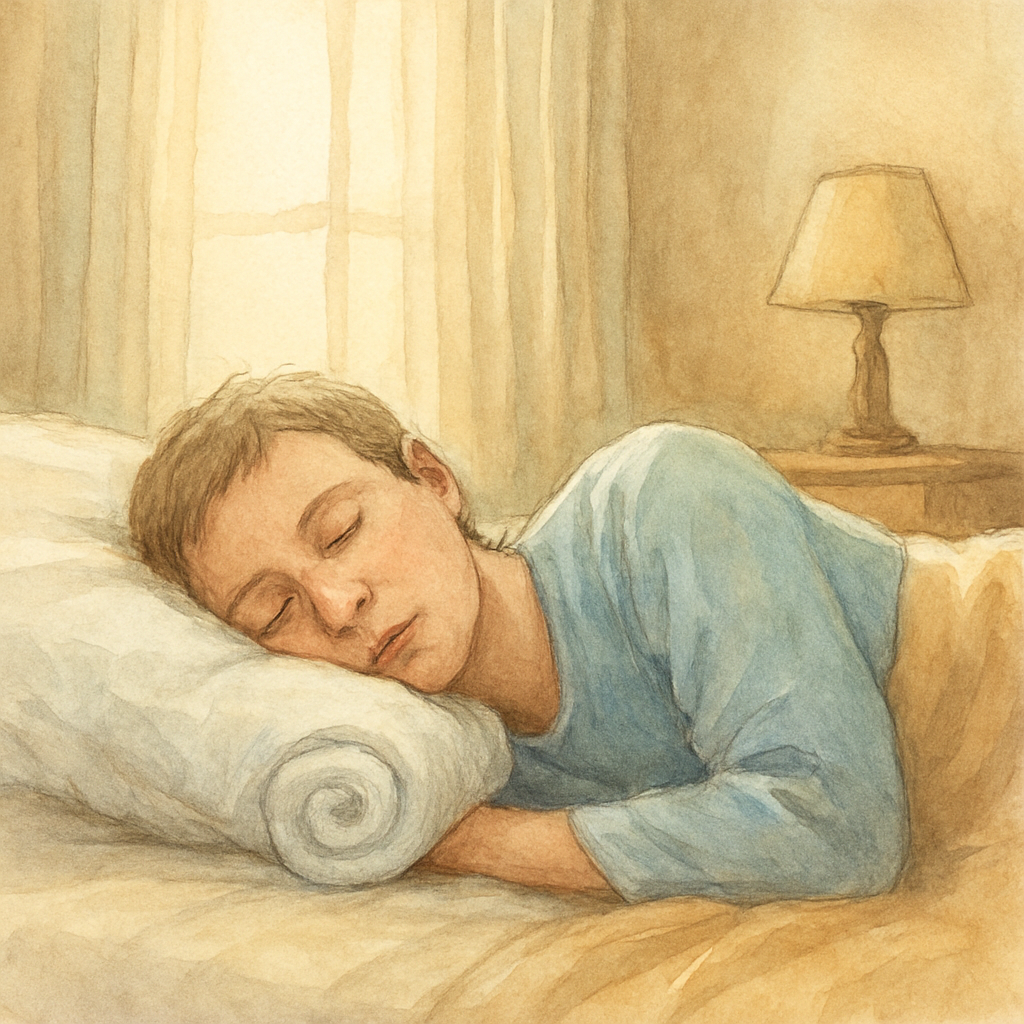
You've probably wondered, 'Can I sleep on my side after cataract surgery?' The moment you wake up after the procedure, the last thing on your mind is whether your favorite pillow position will ruin the healing process. In reality, the answer isn't a simple yes or no—it depends on a handful of factors we see every day in our Sydney clinic.
First, think about the eye patch or shield that we place over the operated eye. For the first 24‑48 hours we ask patients to keep the shield on while they rest, because any pressure on the eye could shift the new intra‑ocular lens or disturb the tiny incisions. That’s why you might feel tempted to roll onto your back or even stay propped up with pillows.
After the shield comes off, many of our patients report sleeping on their side without issue, as long as they use a soft, supportive pillow and avoid direct pressure on the eye. A good rule of thumb is to place a small, rolled towel under the cheek of the operated side, creating a gentle cushion that keeps the eye slightly elevated. This technique reduces the chance of accidental rubbing while still letting you enjoy that comfortable side‑sleep.
Real‑world example: Mary, a 68‑year‑old retiree from Bondi, loved sleeping on her right side before surgery. We told her to keep her head slightly elevated for the first two nights, then she resumed her usual position with a soft pillow. She woke up with clear vision and no discomfort. On the other hand, Tom, a 55‑year‑old accountant, tried to sleep on his side immediately after the shield was removed and woke up with mild corneal irritation; a quick follow‑up visit let us adjust his post‑op eye drops and advise a brief night‑time head‑up position.
What we’ve learned in our practice is that the timing matters. Most surgeons, including us, recommend waiting at least 24 hours before turning onto the operated side, and to stay alert for any redness, pain, or blurry vision. If any of those symptoms appear, sit up, use the prescribed drops, and give us a call.
So, how can you set yourself up for a smooth night’s sleep? 1️⃣ Keep the eye shield on for the first day. 2️⃣ When you remove it, prop your head with an extra pillow or a wedge. 3️⃣ Use a soft pillow and place a small towel under the cheek of the operated eye. 4️⃣ Check for any unusual symptoms before getting out of bed. Following these steps lets most patients drift off on their side safely.
If you want a deeper dive into post‑surgery care, our comprehensive Cataract | Dr Rahul Dubey page covers everything from eye‑drop schedules to activity restrictions, so you can feel confident about every night’s rest.
TL;DR
After cataract surgery you can safely sleep on your side, but only after the first 24‑48 hours, keeping the eye shield on and using a soft pillow with a rolled towel to avoid pressure on the operated eye.
Monitor for redness, pain, or blurry vision, and if any arise, sit up, apply your prescribed drops, and call our clinic for guidance.
Step 1: Understand Post‑Surgery Eye Protection
Right after your cataract surgery, the first thing on your mind is usually whether you can roll onto your side and sleep like you always have. It’s natural to wonder,can you sleep on your side after cataract surgery? The short answer is: yes, but only once the eye shield is off and you’ve given the incisions a chance to settle.
In the first 24‑48 hours the shield does more than look cute—it cushions the eye from any accidental pressure that could shift the new intra‑ocular lens. That’s why we ask you to keep it on while you nap or rest upright. Think of the shield as a tiny, breathable helmet that protects the delicate corneal sutures.
Once the shield comes off, the real work begins: protecting the eye while you find a comfortable sleeping position. Here’s what we’ve learned from dozens of patients in our Sydney clinic:
Why the side matters
When you lie on your side, gravity pulls your cheek against the pillow. If the pillow is too firm, it can press directly on the operated eye, risking irritation or even a small wound leak. That’s why a soft, supportive pillow and a rolled towel under the cheek are game‑changers. The towel creates a gentle lift, keeping the eye slightly elevated and out of direct contact.
But don’t just grab any towel. A lightweight, breathable cotton roll works best—nothing that will retain moisture and cause a soggy pillow. Place the roll about an inch under the cheek of the operated side, and you’ll notice a subtle difference in comfort.
And if you’re still unsure, check out our Cataract overview for a deeper dive into post‑op care.
So, what should you do if you wake up with a gritty feeling? First, sit up slowly. Then, rinse the eye with the prescribed drops—usually a lubricating solution. If redness or pain persists beyond a few minutes, give our clinic a call. A quick check can prevent a small irritation from becoming a bigger issue.
Now, let’s talk about the bigger picture of recovery. Good sleep hygiene isn’t just about pillow choice; it’s about overall wellness. That’s where a partner like XLR8well comes in. Their proactive health tips can help you optimise sleep quality, manage stress, and support the healing process.
Another piece of the puzzle is nutrition. Proper nutrients—think vitamin C, omega‑3 fatty acids, and zinc—aid tissue repair. If you’re looking for an easy way to keep tabs on what you’re eating while you’re recovering, consider using FoodieCal’s photo food diary . A quick snap of your meals can remind you to stay hydrated and get the right balance of vitamins without the hassle.
Below is a quick checklist you can print or save on your phone:
Keep the eye shield on for the first 24‑48 hours.
When the shield comes off, use a soft pillow and a rolled cotton towel under the cheek.
Stay upright for the first night if you feel any pressure.
Apply prescribed drops before getting out of bed.
Call the clinic if you notice redness, pain, or blurry vision.
Here’s a short video that walks you through setting up the towel support correctly. It’s quick, visual, and perfect for the bedside.
Notice how the towel is positioned just under the cheek, creating a small cushion. That tiny adjustment can make the difference between a restless night and a smooth recovery.
Finally, remember that every eye heals at its own pace. If you’re nervous about turning onto the operated side, start with a half‑side position—lie on your back with a pillow propped under the operated side’s shoulder. Gradually shift more weight as comfort improves. Trust your body, trust the process, and you’ll find that side‑sleep becomes second nature.
Step 2: Recommended Sleeping Positions
After you’ve kept the shield on and raised your head, the next question is where you actually lie down. Can you sleep on your side after cataract surgery? The answer is “yes – with the right tweaks.”
First, think of your bed as a gentle cradle. Back‑sleeping is the safest for the first 24‑48 hours because gravity keeps the shield in place and eliminates any chance of the pillow pressing on the incision. That’s why we always start patients flat on their back with a wedge pillow.
But many of us are side‑sleepers by habit. If you’ve spent years drifting off on your right side, you’ll notice the difference right away. Here’s how to transition without risking your fresh eye.
Step‑by‑step side‑sleep setup
1️⃣Wait the clock.Keep the shield on for at least the first night. On the second night, if you feel no discomfort, you can start experimenting with side‑sleep.
2️⃣Choose a soft, low‑profile pillow.Memory‑foam or a plush down pillow molds around your head without creating hard pressure points.
3️⃣Roll a small towel.Take a clean washcloth, roll it into a tight cylinder about 4‑5 inches long, and tuck it under the cheek on the side opposite the operated eye. The towel creates a gentle ramp that lifts the eye a few millimetres.
4️⃣Elevate the head slightly.If you have a wedge pillow, place it under your shoulders so your head is about 15‑20° higher than your feet. This reduces swelling and keeps the shield from sliding down.
5️⃣Test the pressure.Before you turn off the lights, lie on your side and press lightly on the pillow near the eye. You should feel “air” under the eye, not solid pressure.
6️⃣Monitor the next morning.When you wake, look for redness, increased pain, or blurry vision. If anything feels off, sit up, apply your prescribed drops, and give us a call.
So, does this really work? Let’s look at a couple of real‑world snapshots from our Sydney clinic.
Mary, 68, loved sleeping on her left side before surgery. She waited 36 hours, used a soft pillow and a rolled towel, and woke up with clear vision and no irritation. Tom, 55, tried side‑sleep on night 2 without a towel and woke with a gritty feeling that cleared after we adjusted his drops and added a wedge.
What we’ve learned is that the combination of a soft pillow, a rolled towel, and a slight head‑up angle gives the eye enough space to stay protected while you still get the comfort of side‑sleep.
For a quick visual reference, see the table below.
Position | Pillow / Support | Elevation | Key Tip |
Back (first 24‑48 h) | Wedge pillow | 15‑20° head‑up | Shield stays in place |
Side (after 24 h) | Soft plush pillow + rolled towel under opposite cheek | 10‑15° head‑up | Check for pressure before sleeping |
Stomach (generally avoid) | None recommended | Flat | Risk of direct eye pressure |
Notice how the “Stomach” row is a red flag – we really don’t recommend that position unless your surgeon gives you a specific go‑ahead.
Beyond the mechanics, think about the environment. A calm bedroom, dim lighting, and a soothing routine can make the transition smoother. Some patients find a warm shower with gentle steam before bed helps them relax without raising blood pressure. If you’re looking for a simple way to add calm, consider trying a mild shower steamer; they release a light scent that won’t irritate your eyes but still promotes relaxation.
Check out relaxing bath steamers for a low‑key way to wind down before you lie down.
Finally, if you want a deeper dive into how your post‑op routine fits into the bigger picture of cataract recovery, our guide on Understanding Light Adjustable Lens Cataract Surgery walks you through the timeline and why positioning matters.
Bottom line: back‑sleep for the first night, add a soft pillow and rolled towel for side‑sleep after 24 hours, keep the head slightly elevated, and listen to your eye. Follow these steps and you’ll be able to drift off on your side without compromising healing.
Step 3: How to Safely Sleep on Your Side
So you’ve gotten past the first night of back‑sleeping and the shield is finally off. The big question now is,can you sleep on your side after cataract surgerywithout undoing all that healing? The short answer is yes – if you set it up the right way.
First, give yourself a mental green light. Imagine you’re about to settle in for a good night’s rest. You’ve already taken your drops, checked that there’s no redness, and your eye feels comfortable. That confidence is the foundation for a safe side‑sleep.
Step‑by‑step side‑sleep checklist
1. Wait the clock.Aim for at least 24‑36 hours after the shield comes off. In our Sydney clinic we’ve seen patients who jump in too early end up with a gritty feeling that could have been avoided.
2. Choose the right pillow.A low‑profile, plush pillow works better than a hard, high‑loft one. It cradles your head without creating a hard point that could press on the incision.
3. Roll a towel or small bolster.Take a clean washcloth, roll it into a tight cylinder about 4‑5 inches long, and tuck it under the cheek opposite the operated eye. This tiny ramp lifts the eye a few millimetres and creates a pocket of air.
4. Add a slight head‑up tilt.If you have a wedge pillow, place it under your shoulders so your head is 10‑15° higher than your feet. The tilt reduces swelling and keeps the eye from sliding down into the pillow.
5. Test the pressure.Before you turn off the lights, lie on your side and press gently near the eye. You should feel a light cushion, not a hard push. If anything feels tight, adjust the towel or pillow.
Once you’re settled, give yourself a moment to breathe. It helps to picture the pillow as a cloud that’s supporting you, not squeezing you.
Here’s a quick real‑world snapshot: Sarah, a 72‑year‑old from Manly, waited 30 hours, used a soft pillow and a rolled towel, and woke up with clear vision and no irritation. Tom, on the other hand, tried side‑sleep on night 2 without the towel and woke with a gritty sensation that cleared after an extra drop of anti‑inflammatory and a brief head‑up rest.
We’ve learned that the combination of a soft pillow, a rolled towel, and a modest head‑up angle gives the eye enough breathing room while still letting you enjoy your favourite side‑sleep.
And don’t forget the rest of your bedtime routine. A dim room, a cool‑down shower, or a gentle stretch can calm the nervous system without raising blood pressure. If you enjoy a calming scent, a mild shower steamer works well – just make sure it doesn’t irritate the eye.
Below is a short video that walks you through positioning the towel and pillow. Watch it, then pause to set up your own bed.
After the video, check the next morning for any redness, pain, or blurry vision. If anything feels off, sit up, apply your prescribed drops, and give us a call. It’s better to be safe than to risk a setback.
For patients on blood thinners, the timeline can be a touch longer. Our What You Need to Know About Cataract Surgery and Blood Thinners guide explains how to balance medication with post‑op positioning.
Bottom line: wait the right amount of time, use a soft pillow, add a rolled towel under the opposite cheek, keep a slight head‑up tilt, and listen to your eye. Follow these steps and you’ll drift off on your side with confidence, not concern.
Step 4: Manage Discomfort and Watch for Complications
After you’ve settled into a side‑sleep setup, the next challenge is listening to your eye. A little ache or a fleeting blur can be normal, but you also need a clear signal for when something’s off.
So, what should you actually look for? Redness that spreads beyond the corner of the eye, a sharp pain that doesn’t ease with your usual drops, or sudden cloudiness are the red flags that tell you to pause and call us.
Quick daily check‑in
Morning glance:Before you swing your legs out of bed, open your eye gently. Is the surface clear or does it look watery?
Drop response:Apply your prescribed anti‑inflammatory drop. Does the sting subside within a minute? If it lingers, note it.
Pressure test:Lightly tap the eyelid with a clean fingertip. A dull ache may mean swelling; a sharp jab could signal a wound issue.
And if you’re on blood thinners, you’ve probably heard the advice to be extra cautious. In our Sydney practice we’ve seen a few cases where a minor bleed shows up as a pinkish halo around the pupil. Those patients get a quick adjustment to their medication and a short‑term head‑up position.
But what if the discomfort is just a side effect of the eye drops themselves? Some people experience temporary stinging or a fuzzy feeling after the steroid drops. That’s usually harmless, but if it lasts more than a few hours, you might be dealing with an eye injection side effects that need a dosage tweak.
When to act
Here’s a simple decision tree you can run in your head before you get out of bed:
Redness + pain → sit up, re‑apply drops, call the clinic within 30 minutes.
Blurred vision that improves after drops → monitor, but note the episode.
Any sudden loss of vision or intense pain → call emergency services right away.
It helps to keep a small notebook on your nightstand. Jot down the time you noticed the symptom, what you did (drops, sit‑up), and how you felt after 15 minutes. This snapshot makes our follow‑up call much faster.
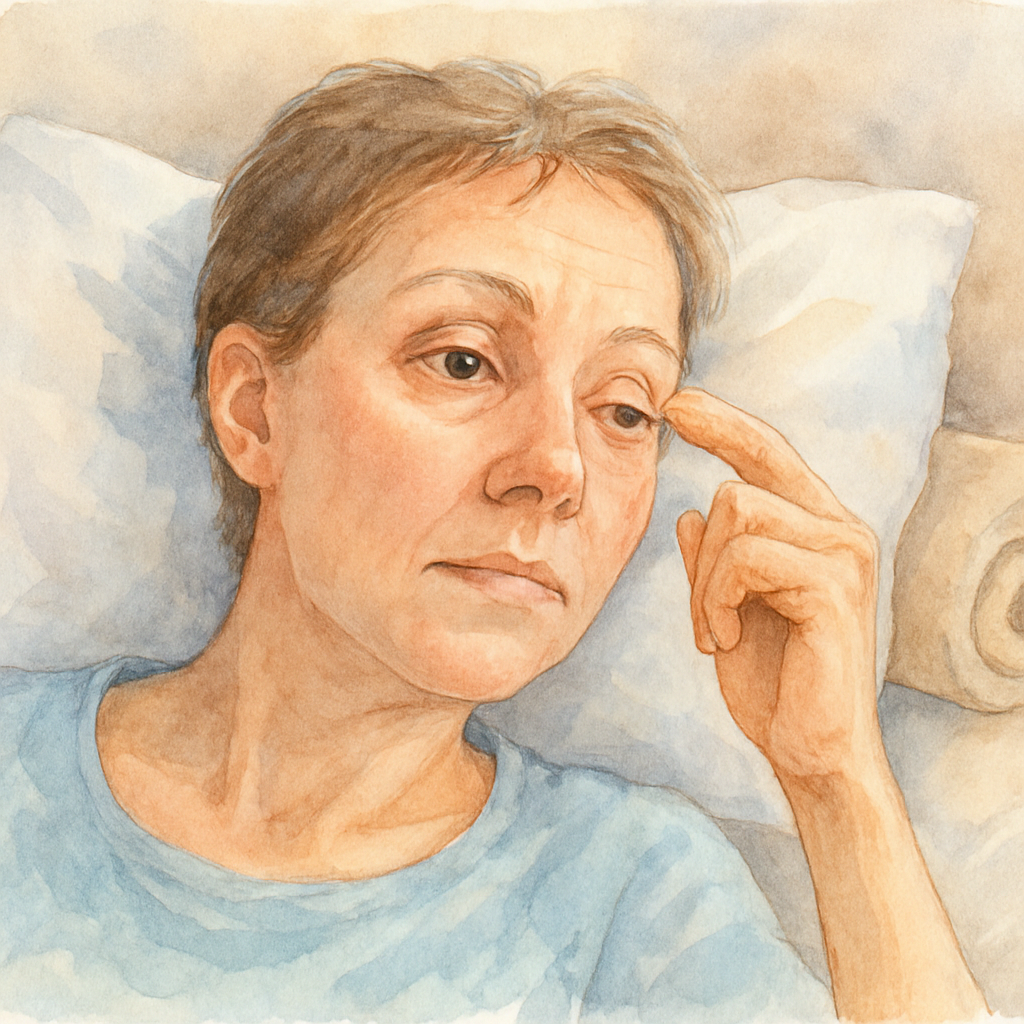
Remember, the goal isn’t to live in fear of every little ache. It’s to give your eye the space it needs while you still get a good night’s sleep. Most of the time, a brief discomfort passes once the swelling goes down.
If you ever doubt whether something’s normal, err on the side of caution and give us a ring. A quick phone call can prevent a small irritation from becoming a bigger setback, and it gives you peace of mind for the rest of the night.
A useful trick is to set a gentle alarm for 10 am the day after surgery. Use that time to do a quick visual check and to confirm your eye drops are still on schedule. Sticking to this routine reduces anxiety and catches issues early.
Step 5: When to Avoid Side Sleeping and Alternatives
Even though we’ve shown you how to set up a safe side‑sleep, there are moments when that position is still too risky. The simple question is:when should you hit the brakes on side sleeping altogether?Below we break it down in plain language, sprinkle in a few real‑world snapshots, and hand you a checklist you can tape to your nightstand.
Red flags that say “no side‑sleep tonight”
1.The first 24‑48 hours after you ditch the eye shield.Your incision is still sealing, and any pressure could shift the new lens.
2.Visible swelling or a puffiness that makes the eye feel “tight.”Swelling means extra fluid; a pillow pressing on the eye can trap that fluid and delay healing.
3.You’re on blood‑thinners or have a bleeding disorder.A tiny bleed can turn into a noticeable halo around the pupil if you compress the eye.
4.Persistent redness, sharp pain, or sudden cloudiness.Those symptoms are the body’s alarm system – treat them as “stop sleeping on your side now.”
Does any of that sound familiar? If you’re nodding, pause the side‑sleep and try one of the alternatives below.
Alternative sleep setups you can try tonight
Back‑sleep with a gentle head‑up tilt.Place a wedge pillow or stack two regular pillows so your head is 10‑15° higher than your feet. The elevation reduces swelling and keeps the eye shield (if you’re still using it) from sliding down.
“Side‑but‑not‑direct” position.Lie on your back, then shift your torso slightly so the shoulder of the non‑operated side rests on a low‑profile pillow. This creates a small “diagonal” that feels almost like side‑sleep without the eye taking the brunt of the pressure.
Use a pillow barrier.Grab a small, firm pillow (think travel‑size pillow) and place it lengthwise behind your head. It acts as a physical reminder not to roll onto the operated side. If you do roll, the barrier will push you back gently.
Here’s a quick visual cue: imagine a “no‑entry” sign made of a rolled towel under the cheek of the good eye. It lifts the eye a few millimetres and forces the pillow to sit on the opposite side of your face.
Real‑world examples
Jane, 72, from Manly, woke up on night three with a sore eye after trying side‑sleep too early. She switched to a wedge pillow, added a pillow barrier, and by night five she was back to her favourite left‑side position without any irritation.
Mark, 58, a busy accountant, noticed a faint pink ring around his pupil on day two. Because he’s on a low‑dose aspirin, we advised him to avoid any side pressure for another 48 hours and to sleep flat on his back. The ring vanished after a day of elevated rest.
These stories line up with expert guidance on sleep positioning , which stresses that back‑sleep is the safest baseline and that side‑sleep should only happen once swelling subsides.
Actionable checklist (print and stick on your nightstand)
Check for swelling or redness before you lie down.
If it’s within the first 48 hours, choose back‑sleep with a wedge.
If you feel okay after 48 hours, set up the rolled‑towel‑under‑cheek trick.
Place a small pillow barrier behind your head to stop accidental rolls.
Morning check: open the eye gently, look for new pain or cloudiness.
If anything feels off, sit up, apply your prescribed drops, and call the clinic.
Bottom line: side‑sleep can be a comfort, but only when the eye’s environment is calm. When any warning sign shows up, switch to a back‑sleep or “side‑but‑not‑direct” setup, and let your eye heal without extra pressure.
FAQ
Can I sleep on my side the night after cataract surgery?
Most patients find that the first night is best spent on their back. The eye shield is still on, and any pressure from a side‑lying pillow can shift the new lens or irritate the incision. If you really can’t tolerate back‑sleep, try propping your head with a low‑profile wedge and keep the operated side facing up. In our experience, that gives the eye enough room to heal without compromising comfort.
How long should I wait before side‑sleeping?
We usually advise waiting at least 24‑36 hours after the shield comes off before you turn onto the operated side. During that window the tiny self‑sealing cuts are still firming up, and swelling can make the eye feel tight. Check the morning after each night: if there’s no redness, pain, or blurry vision, you can gently test a side position with a rolled towel under the opposite cheek. If anything feels off, stay on your back a few more hours.
What pillow setup protects my eye while side‑sleeping?
A soft, low‑profile pillow works best because it molds around your head without creating a hard point. Roll a clean washcloth into a 4‑inch cylinder and tuck it under the cheek opposite the operated eye; the towel lifts the eye a few millimetres and creates a pocket of air. Add a slight head‑up tilt – a wedge or a stack of two pillows – to keep swelling down and the eye shield (if you still use it) from sliding.
What signs tell me I need to stop side‑sleeping?
Redness that spreads beyond the corner of the eye, a sharp or increasing pain, and sudden cloudiness are clear red flags. A feeling of pressure or a pink halo around the pupil also means the eye is reacting to contact. If you notice any of these, sit up, apply your prescribed drops, and give the clinic a call right away. It’s better to pause than to risk a delayed healing.
Is it safe to use a regular pillow or do I need a special one?
A regular high‑loft pillow can press directly on the incision, so we recommend a plush, memory‑foam or down‑filled pillow that stays low and flexible. The goal is to support your head while keeping the operated side free of hard pressure. If you only have a firm pillow, place a small travel‑size pillow or rolled towel between your head and the pillow to create that soft buffer.
Can blood thinners affect my sleeping position after cataract surgery?
Yes, blood thinners can prolong bleeding around the incision, making the eye more sensitive to pressure. Patients on low‑dose aspirin or anticoagulants should stick to back‑sleep for the first 48 hours and avoid any side‑pressure until the surgeon confirms the bleeding risk is low. Once cleared, you can move to the side‑sleep setup, but keep the rolled towel and head‑up tilt in place as extra safeguards.
What should I do if I wake up with redness or pain?
First, sit up slowly and apply the anti‑inflammatory drops you were prescribed. Look at the eye in a well‑lit mirror: note any new redness, swelling, or cloudiness. If the discomfort eases after the drops, keep a close eye on it for the next few hours. If pain persists, vision blurs, or you see a halo, call the clinic immediately – a quick check can prevent a bigger problem later.
Conclusion
So, you’ve made it through the whole checklist – shield on, head elevated, soft pillow, rolled towel – and you’re wondering whether you can finally drift off on your side. The short answer is yes, but only once the first 24‑48 hours have passed and your eye feels calm.
In our experience at the Sydney clinic, patients who wait until the morning after day two, test the pressure with a gentle hand and see no redness, pain or cloudiness, can safely turn onto the operated side using the towel‑under‑cheek trick.
If any irritation shows up – a pink halo, a new sting, or blurry vision – sit up, apply your prescribed drops and give us a call. Acting fast prevents a small setback from becoming a longer delay.
Remember, the goal isn’t to eliminate all comfort, but to give the incision enough breathing room while you get the rest you need. A soft pillow, a rolled towel, and a slight head‑up tilt create that pocket of air without sacrificing a good night’s sleep.
So, before you pull the covers over your eyes tonight, run a quick mental checklist: shield off, no swelling, no pain, pillow set, towel in place. Follow those steps and you’ll enjoy side‑sleep without compromising healing. Got more questions? Give our Sydney team a call – we’re here to help you rest easy.
Comments