


Can You Drive After Eye Dilation? What You Need to Know
- Jan 12
- 17 min read
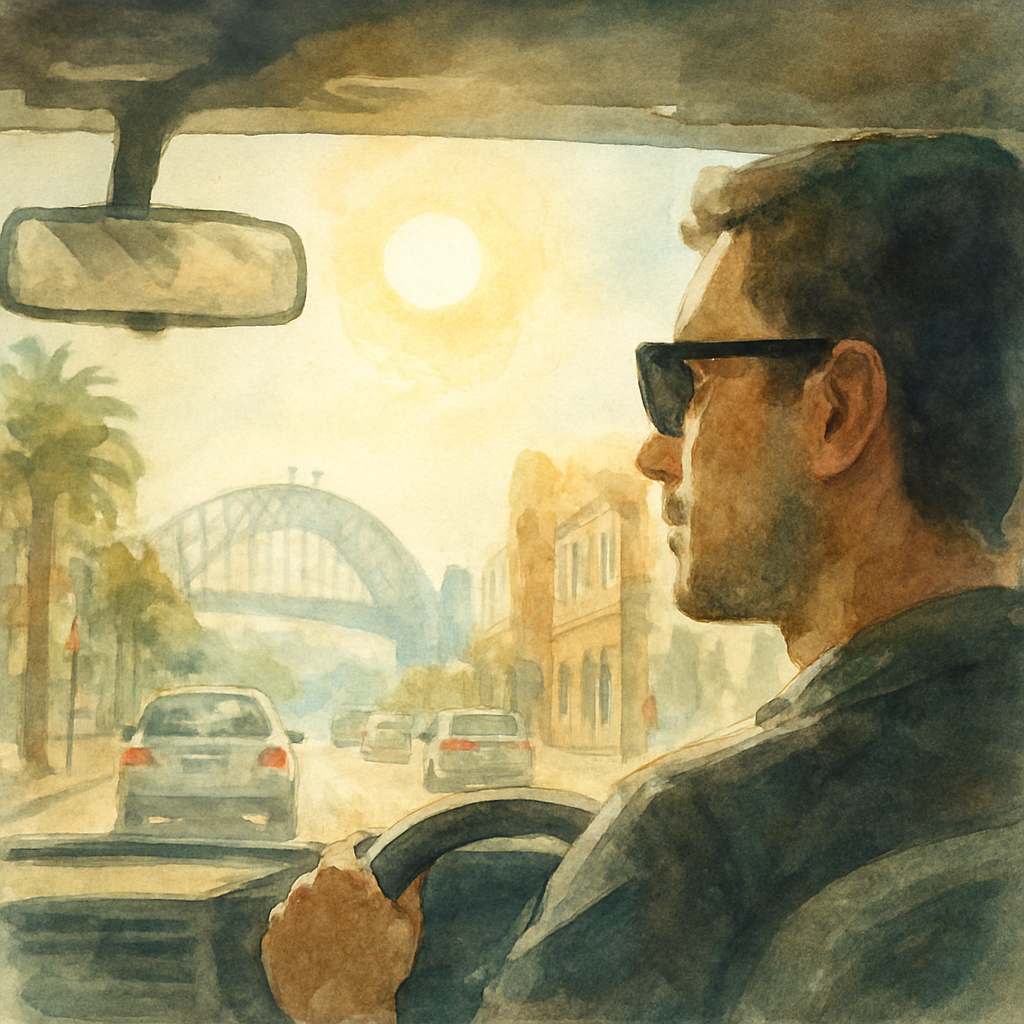
Ever sat in the waiting room, got the drops, and then wondered, "Can I actually get behind the wheel after eye dilation?" You're not alone. Those bright drops widen your pupils, making lights look harsher and depth perception a bit fuzzy – not exactly ideal for city traffic on a sunny arvo.
In my clinic in Sydney, I’ve seen patients who needed to drive to pick up their kids after a routine dilated exam. Some managed fine, while others felt uneasy navigating the bustling streets of the CBD. The key difference? Knowing what to look out for and giving yourself a short recovery buffer.
Here’s what typically happens: the drops relax the muscles that control pupil size, causing them to stay open for up to 4–6 hours. During that window, glare from streetlights, headlights, and even reflective shop windows can be amplified. If you’ve ever tried to read a menu under a bright lamp after dilation, you’ll remember the squinty feeling – that’s the same sensation you’ll have while scanning road signs.
Practical tip #1: If you can, arrange a lift or public transport for the first few hours after your appointment. A quick ride on a train or a short walk with a friend can buy you the time you need for your pupils to contract back to normal.
Practical tip #2: If driving is unavoidable, keep your windshield clean, dim your interior lights, and avoid high‑contrast environments like construction zones. Some patients find that wearing sunglasses with polarized lenses helps cut down glare until their pupils settle.
Real‑world example: Sarah, a retiree from Bondi, needed to drive to her weekly grocery shop after a dilation for a retinal check‑up. She gave herself a 90‑minute break, wore her favourite pair of sunglasses, and took the slower coastal route. She reported feeling confident and arrived safely.
Another case: Mark, a delivery driver, tried to head straight home after his eye exam. He found himself missing a stop sign and felt disoriented. After that, he now schedules his appointments early in the morning and plans a short walk before getting back on the road.
Bottom line: you *can* drive after eye dilation, but it’s smart to assess how you feel, limit exposure to bright lights, and give yourself a brief recovery window. When in doubt, lean on a friend or the excellent public transport options Sydney offers – better safe than sorry.
Need more guidance on post‑procedure driving safety? Check out our detailed guide on How Soon Can You Drive After Cataract Surgery: A Practical Guide for a broader perspective on vision recovery and road readiness.
TL;DR
After eye dilation, you can drive if you feel comfortable, limit glare, and give your pupils a short recovery window before hitting busy streets. Plan a brief break, wear polarized sunglasses, and trust your instincts—when in doubt, opt for public transport in Sydney or a lift to stay safe today.
Step 1: Understand What Eye Dilation Does to Your Vision
When the drops hit your eye, the muscles that normally shrink the pupil relax. Suddenly, your pupil is as wide as a camera aperture, letting in a flood of light. That extra light makes everything look brighter – but also harsher, especially on a sunny Sydney arvo.
Think about the last time you tried to read a menu under a neon sign after a night out. Your eyes squint, colours wash out, and you keep guessing where the next line ends. That’s the same sensation you get behind the wheel after dilation: glare spikes, contrast drops, and depth cues get a little fuzzy.
How dilation reshapes your visual field
Normally, the pupil contracts to protect the retina from glare. After dilation, it stays open for 4‑6 hours, so headlights, streetlights, and even reflective shop windows can feel blinding. Your eyes also lose some ability to judge distances quickly, because the brain relies on subtle changes in pupil size to fine‑tune focus.
For most people, the effect is mild – you might notice a slight halo around streetlights. For others, especially those with pre‑existing cataracts or macular issues, the glare can feel overwhelming. That’s why we always ask patients in our Sydney clinic to do a quick “check‑the‑road” test before they head out: look at a distant sign for a few seconds and notice whether the letters wobble or the colors bleed.
One practical tip: keep your windshield clean and use the car’s built‑in dimmer to lower interior lights. A pair of polarized sunglasses can cut the glare dramatically, acting like a built‑in filter for those extra photons.
But the real question is –can you drive after eye dilation?The answer isn’t a simple yes or no; it’s a matter of how you feel once the drops have settled. If you notice persistent halos, double vision, or a sudden drop in confidence, it’s safer to wait or arrange a lift.
In our experience, patients who give themselves a 30‑minute buffer after the exam tend to feel steadier. During that time, the drops keep working, but your brain starts to adapt. You might still see a bit of glare, but you’ve had a chance to gauge how much it affects your reaction time.
For those who need a deeper dive into post‑procedure recovery, our Eye Surgery Recovery: A Step‑by‑Step Guide walks through the whole timeline, from the first hour to the first week.
While the video explains what to expect, there’s also a digital tool that can help you track how your vision feels over the next few hours. XLR8well offers a simple health‑monitoring dashboard where you can log glare levels, comfort scores, and even set reminders to re‑check your eyesight before you hit the road.
If you’re already thinking about what to wear after dilation, consider upgrading your lenses. A well‑chosen frame can make a world of difference when you eventually need prescription glasses. Our friends at Explore Women's Tortoise Shell Eyeglass Frames showcase styles that reduce glare and add a touch of flair – perfect for the post‑appointment selfie.
Bottom line: dilation widens your pupil, spikes glare, and can blur depth perception. Give yourself a short recovery window, use polarized lenses, and trust your instincts. If anything feels off, call a friend or hop on a train. Your safety – and the safety of everyone on the road – is worth the extra pause.
Step 2: Check Legal Limits and State Regulations
Okay, you’ve given yourself that 30‑to‑90‑minute buffer and you’ve slipped on your favourite sunnies. The next thing you should do before hopping back behind the wheel is a quick reality check: what does the law actually say about driving after eye dilation?
In New South Wales, the Road Rules 2014 don’t spell out a specific time‑frame for post‑dilation driving, but they do require that every driver be able to see clearly enough to react safely. That means the onus is on you to assess whether your vision meets the legal standard, not just your comfort level.
Know the visual acuity threshold
The NSW Transport Authority expects a minimum of 6/12 (or 20/40) visual acuity for an unrestricted licence. If you can still read a standard road sign from 20 metres away without squinting, you’re probably within the legal limit. A simple test: stand in your hallway, hold a printed road sign about 2 metres away, and see if the letters are crisp. If they’re blurry, give yourself a little more time.
For people who wear corrective lenses, this is a good moment to double‑check that your glasses or contacts are up to date. A fresh prescription can make a world of difference, especially when your pupils are still a bit dilated.
State‑specific quirks you might not know
Queensland, for example, has an explicit note in its road safety handbook that “drivers who have had eye drops that cause temporary visual impairment should avoid driving until vision returns to normal.” It’s not a law you’ll see on a road sign, but it’s a clear recommendation from the Department of Transport and Main Roads. In Victoria, the Road Safety Authority advises that if you feel any glare or reduced depth perception, you should refrain from driving for at least an hour after dilation.
These nuances matter because they affect how you plan your appointment. If you live in a border suburb of Sydney, you might be subject to different advice depending on whether you’re technically crossing into the ACT for a follow‑up. A quick call to the local road safety office can save you a lot of guesswork.
Practical checklist – is it legal to drive right now?
Perform a quick acuity test (6/12 minimum).
Check for glare: can you see headlights without squinting?
Assess depth perception: can you judge the distance to a parked car accurately?
Confirm your corrective lenses are current and properly fitted.
Ask yourself: would a police officer feel comfortable pulling you over for a vision check right now?
If you answered “yes” to most of those, you’re likely within the legal bounds. If you hesitated on any, give yourself another 15‑30 minutes or arrange a lift.
Real‑world examples from our clinic
Take Jess, a 68‑year‑old retiree from Manly who came in for a routine retinal check. After dilation, she tried the acuity test we recommend and got a 6/9 reading – comfortably above the legal threshold. She drove home, stopped at every traffic light to double‑check her peripheral vision, and arrived safely. Because she verified the numbers, she felt confident and the police weren’t even needed.
Contrast that with Tom, a 45‑year‑old tradesman who runs a ute daily. He felt a bit hazy but ignored the quick test, thinking “I’m a good driver.” Halfway through a busy intersection, the glare from a billboard washed over him and he missed the turn. He later told us he would’ve taken a taxi if he’d just run the simple check.
These stories aren’t rare – they highlight how a few seconds of self‑assessment can keep you on the right side of the law and, more importantly, keep you safe.
What to do if you’re still unsure
When in doubt, call a neighbour, book an Uber, or hop on a train. Public transport in Sydney runs like clockwork, and it’s a perfect excuse to let your eyes settle while you watch the city go by.
Another tip: keep a small “vision kit” in your car – a printed 6/12 chart, a pair of polarized sunglasses, and a note with the checklist above. It’s a low‑effort habit that makes the legal check feel routine rather than a chore.
Finally, remember that the legal side is only half the story. Your brain still needs time to re‑calibrate after the drops. Even if you’re legally cleared, if you feel a lingering wobble, pull over, close your eyes for a minute, and let the pupils contract naturally.
For a deeper dive into post‑procedure recovery timelines, you might find our Laser Eye Surgery Recovery Time: A Practical Step‑by‑Step Guide useful – it walks you through the same kind of visual checks we’ve just discussed.
Looking for the right pair of lenses to keep glare at bay once you’re back on the road? Explore women’s tortoise‑shell frames for stylish, glare‑reducing options that complement your sunglasses.
And if you want to track how your vision feels over the next few days, a simple health‑monitoring platform like XLR8well can let you log symptoms, set reminders for eye‑checks, and share data with your optometrist.
Step 3: Assess Your Own Vision Post‑Dilation
Now that you’ve given yourself a buffer and slipped on those polarized sunnies, it’s time to ask the real question:can you drive after eye dilation?The answer isn’t a simple yes or no – it’s a quick self‑audit that tells you whether your eyes are ready for the road.
Run a rapid acuity check
Grab a printed 6/12 chart (you can print one from the Eye Surgery Recovery: A Step‑by‑Step Guide ) and stand about 6 metres away. Can you read the letters without squinting? If the smallest line is clear, you’re meeting the legal vision threshold for an unrestricted licence in NSW.
If you’re not sure what a 6/12 chart looks like, just hold a newspaper headline at arm’s length. The text should be crisp. Blurry letters mean you need another 15‑30 minutes before you consider hitting the road.
Glare test – the real‑world litmus
Step outside and look at a bright surface – a car hood, a reflective shop window, or the sky. Do you feel the light stabbing your eyes, or can you see the details without wincing? Polarized sunglasses should cut that harshness by at least 50 %.
According to Medical Eye Center , most people notice a marked reduction in glare after 30‑45 minutes once the drops wear off. If you still need to squint, give yourself another short break.
Depth‑perception drill
Park your car a few metres from a curb or a parked ute. Can you judge the distance accurately enough to stop without tapping the wheel? Try the “two‑car gap” test: line up two parked cars about three metres apart and see if you can thread the needle between them.
Missing that gap is a red flag – it means your brain is still recalibrating. Pull over, wait a few minutes, and try again.
Checklist you can carry in the glove box
Read the 6/12 chart – letters clear?
Glare test – can you see bright objects without squinting?
Depth‑perception – can you judge distances accurately?
Corrective lenses – are glasses or contacts up‑to‑date?
Gut check – would you feel comfortable if a police officer asked you to stop?
If you tick at least four of these, you’re likely good to go. If not, call a friend, book a rideshare, or hop on a train – Sydney’s public transport is reliable and gives your eyes that extra recovery window.
Real‑world snapshots
Take Lucy, a 72‑year‑old who came in for a retinal scan. After the 45‑minute buffer, she ran the checklist, hit all the marks, and drove home on the coastal road. She reported feeling “completely in control” and didn’t need to stop for a break.
Contrast that with Aaron, a 38‑year‑old electrician who skipped the depth test. He missed a pothole on the Pacific Highway and had to pull over. A quick re‑check later showed his glare was still high, so he opted for an Uber instead.
Expert tip from our clinic
We’ve found that a quick, 30‑second “blink‑reset” helps. Close both eyes tightly for three seconds, then open them and look at a distant object. The blink contracts the pupils slightly, giving you a clearer view.
Finally, remember that the legal side is only half the story. Your brain’s visual processing needs a little extra time after the drops. If anything feels off, it’s better to wait than to gamble with safety.
Step 4: Compare Alternatives – Waiting vs. Getting a Ride
So you’ve just left the clinic, the drops are still doing their thing, and you’re wondering whether to wait a bit longer or hop in a rideshare. It’s a classic fork‑in‑the‑road moment, and the answer isn’t one‑size‑fits‑all. Let’s break it down with the kind of detail you’d expect from a Sydney eye surgeon who sees this dilemma every day.
Why a short wait often wins
First, the science. Dilating drops keep your pupils wide for 4‑6 hours on average, but most people feel a noticeable improvement after 30‑45 minutes. During that window, glare and reduced depth perception are at their peak. A quick “blink‑reset” (close both eyes tightly for three seconds, then look at a distant object) can shave a few minutes off the fog, but it won’t replace a proper recovery buffer.
In our clinic, we ask patients to run the 6/12 acuity check we described earlier. If the letters are still blurry, the safest bet is to wait. A simple 15‑minute coffee break in a low‑light lobby gives the iris muscles a chance to contract, and the extra time can mean the difference between a smooth drive and a sudden stop at a traffic light.
When grabbing a ride makes sense
Sometimes the clock is ticking and you can’t wait – maybe you need to pick up a toddler from daycare or you’ve got a delivery deadline. In those cases, a rideshare or a friend’s lift is the smarter move. The key is to treat the ride as a controlled environment: you’re not dealing with the unpredictability of your own car’s mirrors, blind spots, or dashboard glare.
Thomas Eye Group points out that vision below 20/60 is considered unsafe for driving, and drops can push you under that threshold for several hours according to their guide . If you can’t confirm you meet the legal acuity, call an Uber. It’s a small cost for a big peace of mind.
Real‑world snapshots
Take Maya, a 55‑year‑old who works as a retinal surgeon’s admin in Sydney. She scheduled a 9 am dilated exam, grabbed a coffee, and waited 40 minutes while doing the glare test. She felt comfortable and drove the 12‑km ride home on the Harbour Bridge without any issues.
Contrast that with Ben, a 32‑year‑old tradesman who lives in Parramatta. He tried to drive immediately after his 2 pm appointment. The glare from the sun‑baked road made his stop signs look like faint shadows. He missed a right turn, had to pull over, and ended up calling a rideshare halfway through the journey. Ben now always books a lift if he’s under a 45‑minute buffer.
Actionable decision matrix
Factor | Wait (30‑90 min) | Get a Ride |
Glare sensitivity | Often improves after a short break; you can wear sunglasses. | Remains high; you’re relying on a driver’s vision. |
Legal acuity check | Easy to perform at home; you can confirm 6/12 or better. | Harder to verify; you must trust the driver’s eyesight. |
Time pressure | Requires flexibility; you might need to reschedule errands. | Gets you where you need to be fast, but adds cost. |
Use this matrix as a quick cheat‑sheet the next time you’re standing in the clinic hallway, wondering whether to wait or hop in a car.
Step‑by‑step checklist
Perform the 6/12 acuity test. If you score 6/12 or better, you’re legally okay.
Do the glare test: look at a bright surface for 5 seconds. If you squint, wait.
Run the depth‑perception drill: try the two‑car gap in the parking lot.
If any test fails, order a rideshare, call a friend, or hop on the train.
When you do drive, keep sunglasses on, dim interior lights, and avoid high‑contrast zones (construction sites, billboards) for the first hour.
Need a quick reference you can print and stick in your glove box? Check out our Can You Fly After Cataract Surgery guide – the same visual‑check principles apply to any post‑procedure travel, whether it’s a plane or a car.
And while you’re waiting, you might want to make the most of that downtime. A comfortable, adjustable bed can turn a 30‑minute wait into a restful pause. Sleep Sophie’s guide on adjustable bed bases explains how the right set‑up can help your eyes recover faster while you relax.
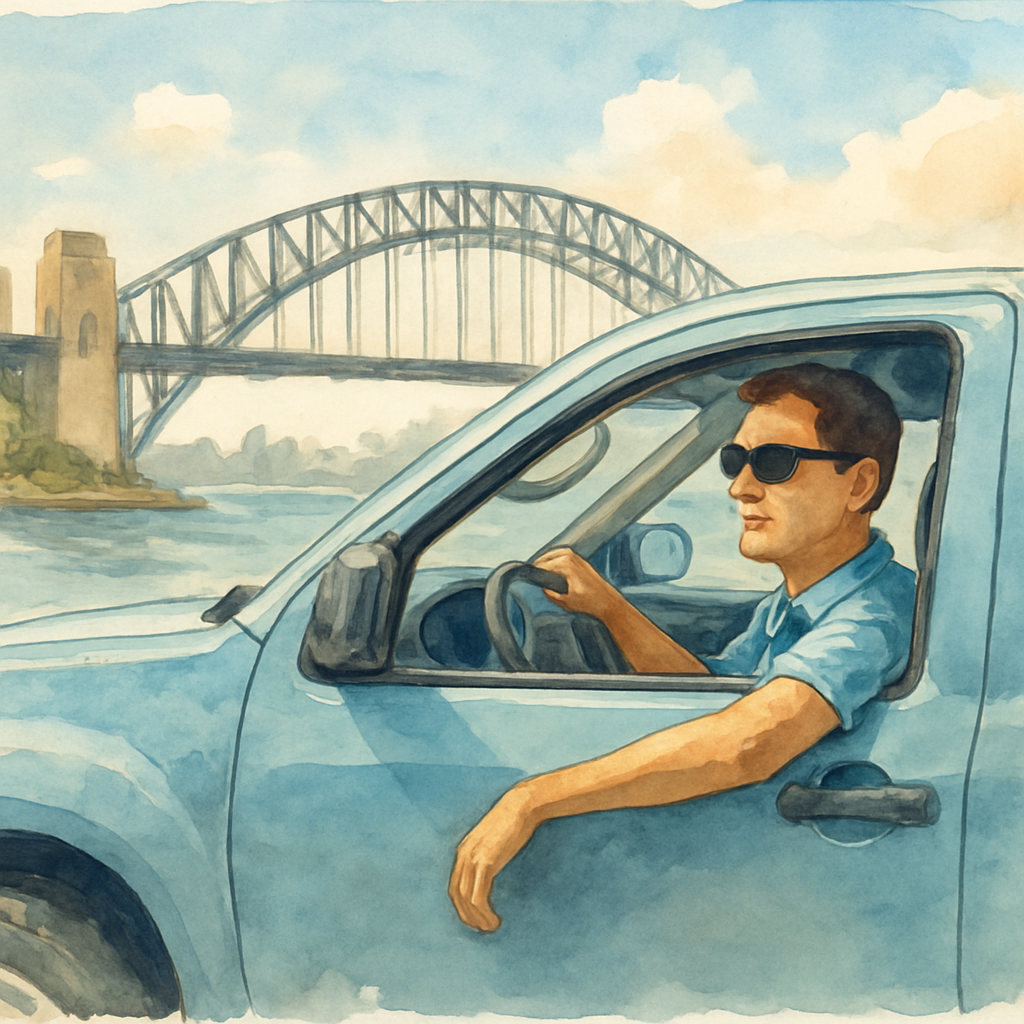
Bottom line: if you have any doubt, give yourself that buffer or call a ride. Your eyes will thank you, and so will the other road users.
Step 5: Plan Ahead – Scheduling Appointments and Transportation
You've just left the clinic, the drops are still doing their thing, and the thought of getting behind the wheel is creeping in. That's perfectly normal – the dilation drops can leave you with glare, halos, and a fuzzy near view for several hours. The question on everyone's mind is simple: can you drive after eye dilation, and if not, how do you make sure you still get where you need to be?
The safest answer is: give yourself a clear plan before you even step onto the exam couch. When you schedule your appointment, think about the whole post‑visit window, not just the 20‑minute slot with the doctor.
Check the calendar and the route
First, glance at your diary. Do you have a grocery run at 2 pm, a school pick‑up at 5 pm, or a work meeting that requires a commute? If the timing lines up with the first two hours after dilation, slot a buffer of 30‑90 minutes. That extra time lets the pupils start to contract and the glare to subside. In practice, a short coffee in the clinic lounge or a stroll through the nearby park does the trick.
Second, map out the route you’ll take. Short, well‑lit streets with minimal construction are easier on dilated eyes than a busy arterial with flashing billboards. If you can, choose a path that avoids high‑contrast zones – think of the Pacific Highway at rush hour versus the quiet coastal drive through Bondi to Bronte.
Book a ride in advance
Now, arrange a rideshare or a friend’s lift before you arrive. Apps let you schedule a pickup for a specific time, so you don’t have to scramble when the drops wear off. If you’re comfortable with public transport, check the next train or bus departure and keep a ticket handy. Sydney’s Opal system makes it easy to hop on a train and sit back while your eyes recover.
Pro tip: keep a pair of polarized sunglasses in your bag. Even if you end up driving, the lenses cut glare dramatically and give your pupils a chance to shrink faster. Many of our patients in Sydney carry a spare pair for exactly this scenario.
Create a quick‑check checklist for the road
Before you step into any vehicle, run through this three‑point test:
Acuity – can you read a road sign from 20 m without squinting?
Glare – can you look at a bright surface for a few seconds without the eyes watering?
Depth – can you judge the distance to a parked ute accurately?
If any answer is “no”, wait or call a ride.
If you’re still unsure after the checklist, remember the guideline from Northwest Eye: it’s generally advisable to avoid driving for 4‑6 hours after dilation because of temporary vision impairment Northwest Eye safety guidelines . This reinforces the idea that a short rideshare is often the smartest move.
Pack a ‘recovery kit’ for the wait
While you wait, keep yourself comfortable. A bottle of water, a snack, and those polarized shades are all you need. If you have a short break, a quick walk around the clinic courtyard gives your eyes a chance to adapt to changing light, which can speed up pupil contraction.
And set a phone reminder for the 45‑minute mark – a simple alarm nudges you to do the quick visual test and decide whether it’s safe to drive. No more guessing, just a clear signal that says ‘go’ or ‘call a lift’.
Conclusion
So, can you drive after eye dilation? The short answer is yes—if you give yourself a quick recovery window, run a simple vision check, and keep glare to a minimum.
We’ve seen patients feel confident after a 30‑to‑90‑minute break, a pair of polarized sunnies, and a 6/12 acuity test. If you can read a road sign from 20 m, the light isn’t blinding, and you can judge a parked ute’s distance, you’re generally safe to get behind the wheel.
Quick checklist before you roll
Read a 6/12 chart or a clear newspaper headline.
Look at a bright surface for a few seconds – no squinting?
Do the two‑car gap drill in the parking lot.
Feel comfortable that a police officer wouldn’t pull you over.
A short check now saves you stress later on the road, especially during busy Sydney rush hour.
If any of those flags raise a red light, call a friend, book a rideshare, or hop on the train. Sydney’s public transport is reliable and gives your eyes the extra minutes they crave.
Remember, your safety and your eyes’ health go hand in hand. When you’re unsure, reach out to our clinic for a quick post‑dilation assessment – a few minutes now can prevent a bigger hassle later.
FAQ
Can I drive immediately after my eyes are dilated?
Right after the drops, your pupils are still wide open, so bright lights feel harsher and depth perception can be a bit off. Most of us need at least a short break before we feel comfortable steering. If you can read a road sign from 20 m without squinting and you don’t feel any wobble, you’re probably okay – otherwise, give yourself 30 minutes or more.
How long should I wait before getting behind the wheel?
In our clinic we usually suggest a 30‑ to 90‑minute buffer. The first 30 minutes are the toughest; glare usually eases after 45 minutes. If you’re over 60 or have darker irises, you might need the full 90 minutes. Use the time for a coffee, a short walk, or a quick vision check – it’s a small pause that can prevent a stressful stop on the road.
What quick vision tests can I do to decide if I’m safe to drive?
Grab a printed 6/12 chart (or a newspaper headline) and stand about 6 m away. If the smallest letters are clear, you meet the legal acuity threshold. Next, look at a bright surface for five seconds – no squinting? Finally, try the “two‑car gap” drill in a parking lot: can you thread between two parked utes without tapping the wheel? Pass all three and you’re good to go.
What should I do if I feel glare or blurry vision while driving after dilation?
Pull over safely, close your eyes for a few seconds, and put on polarized sunglasses if you haven’t already. Give your eyes another 10‑15 minutes and retest the acuity check. If the glare persists or you’re still squinting, call a friend or order an Uber. It’s better to arrive a bit later than to risk a police stop or an accident.
Are there legal vision requirements in NSW that affect driving after dilation?
Yes – NSW requires a minimum of 6/12 (20/40) visual acuity for an unrestricted licence. The law doesn’t mention dilation specifically, but you’re responsible for meeting that standard. If you can read a standard road sign from 20 m, you’re within the legal limit. A quick self‑test can give you confidence that you won’t be pulled over for a vision check.
Does the type of eye drop affect how soon I can drive?
Some drops, like tropicamide, wear off faster (about 30‑45 minutes), while others, such as phenylephrine, can keep pupils dilated for up to six hours. Your optometrist will note which formulation was used. If you know you got a longer‑acting drop, plan for the upper end of the waiting window and rely on sunglasses to tame the glare.
What are the safest alternatives if I need to travel right after my appointment?
Book a rideshare in advance, ask a neighbour for a lift, or hop on a train – Sydney’s public transport runs like clockwork. Keep a small “vision kit” in your bag: a printed chart, a pair of polarized sunglasses, and a note with the quick‑check steps. Having these tools handy turns a potential headache into a smooth, stress‑free journey.
Comments