


What You Need to Know About Vabysmo Injection Side Effects
- Dec 3, 2025
- 18 min read
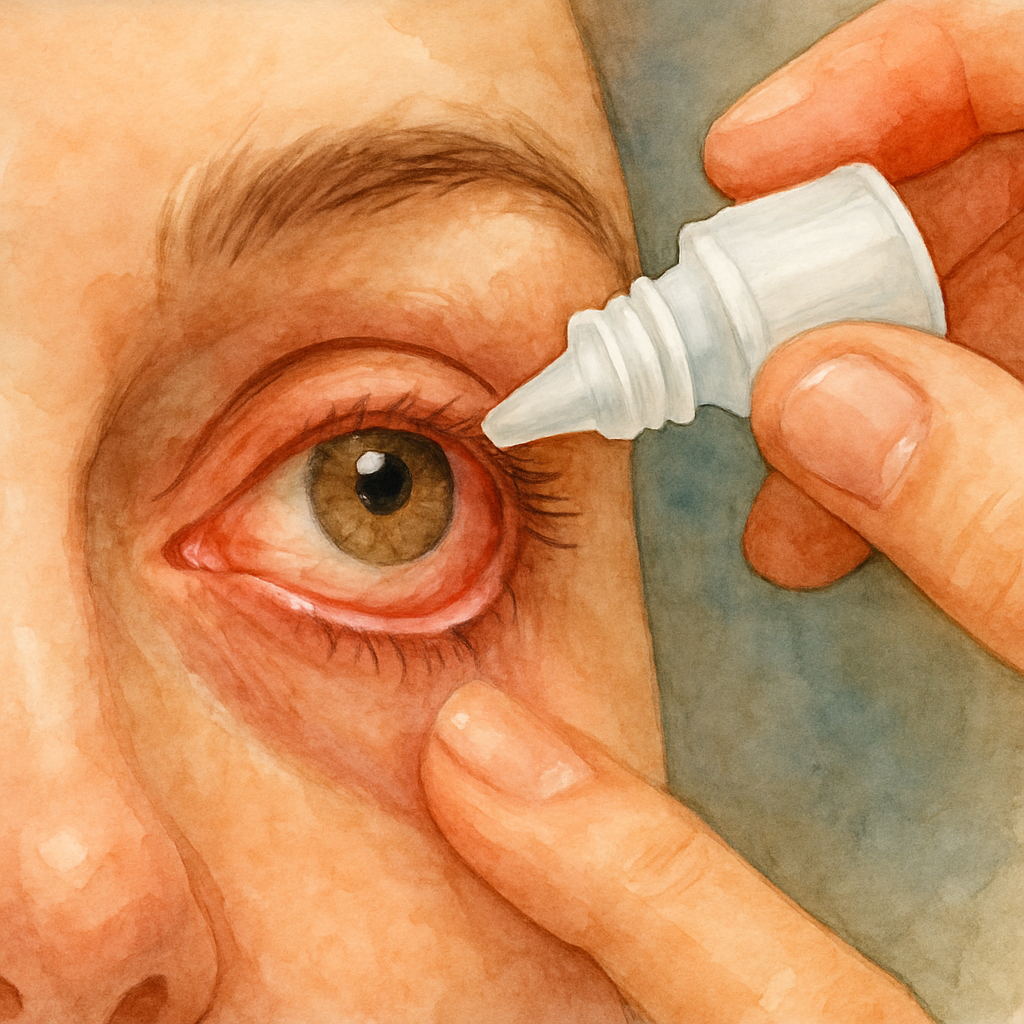
Ever stared at the prescription label for a new eye injection and felt that knot in your stomach? You’re not alone—many patients wonder what “vabysmo injection side effects” might look like before the first drop lands in their eye.
Imagine sitting in Dr. Rahul Dubey’s clinic in Sydney, the gentle hum of the exam room in the background, and the doctor explaining that Vabysmo (faricimab) is designed to treat wet age‑related macular degeneration and diabetic macular edema. You nod, but a part of you is still asking, “Will I wake up with a gritty feeling? Will my vision blur for a day?” Those questions are natural, and the good news is the side‑effect profile is fairly predictable.
Most people experience mild, short‑lived reactions. A fleeting redness or a tiny pinch right after the injection is common, and it usually fades within a few hours. A few patients notice a brief increase in floaters or a slight hazy spot that clears as the eye adjusts. These sensations are generally harmless and signal that the medication is settling where it needs to.
But there are rarer possibilities you should keep on your radar. In less than 1% of cases, inflammation inside the eye—known as uveitis—can develop, and that might require a quick follow‑up visit and a short course of steroids. Even more uncommon is a sudden rise in eye pressure, which can feel like a pressure cooker in your head and would need immediate attention.
So, what can you do to stay ahead of any surprise? First, write down any change you notice—whether it’s a sting, a blur, or a new float—and share it with Dr. Dubey at your next appointment. Second, follow the post‑injection care plan: use the prescribed eye drops, avoid rubbing your eye, and keep an eye (no pun intended) on your vision for the first 48 hours.
By staying informed and communicating openly, you turn uncertainty into confidence. Let’s dive deeper into each side effect, why it happens, and how to manage it—so you can focus on getting back to the things you love.
TL;DR
If you’re worried about vabysmo injection side effects, know that most patients only feel a brief redness or mild floaters in the eye that disappear within hours.
Rarely you might experience inflammation or pressure spikes, so tracking any new sensations and following Dr. Dubey’s after‑care plan keeps you safe and confident.
Side Effect #1: Common Eye Redness
Imagine the moment the needle is withdrawn and you feel a quick, warm flush around the white of your eye. It’s the classic "red eye" most patients notice right after a Vabysmo injection. It’s not a horror story – it’s actually the body’s normal response to a tiny bit of trauma.
Why does it happen? The injection punctures the conjunctiva, and a little bit of blood vessels dilate. That’s why you see a pink halo that can last anywhere from a few minutes to a couple of hours. Most of the time it fades on its own, but knowing what to expect stops the panic.
What to look for
Duration:If the redness sticks around longer than 24 hours, give Dr. Dubey a call. It could signal irritation that needs a drop of anti‑inflammatory eye drops.
Pain level:A mild sting or gritty feeling is normal. Sharp, throbbing pain isn’t – that’s a red flag.
Vision impact:Your vision should stay clear. If you notice a hazy spot that doesn’t clear, it might be something else.
So, what should you do when that red ring appears? First, don’t rub the eye. It feels instinctive, but rubbing can worsen irritation. Instead, keep a clean cotton pad handy and gently pat any tears away.
Second, apply the post‑procedure drops exactly as prescribed. They’re designed to soothe that brief inflammation. If you’re not sure which drops to use, check the Eye Injection Side Effects: What You Need to Know page – it breaks down the schedule in plain English.
Third, track the symptom. Write down when the redness started, how intense it feels, and whether it changes. This log is gold when you talk to the clinic.
Quick self‑care checklist
Keep your hands clean; avoid touching the eye.
Use the prescribed anti‑inflammatory drops twice daily for the first 48 hours.
Apply a cool compress (a clean, damp washcloth) for 5‑10 minutes if the eye feels warm.
Monitor vision – any new blur? Call the office.
Most people report the redness fading by the time they finish their morning coffee. If you’re still seeing a pink rim after a full day, it’s worth a quick phone call to the clinic.
Here’s a little video that walks you through the after‑care steps – it’s short, but it shows exactly how to apply drops and when to expect the redness to subside.
While you’re waiting for the redness to clear, you might wonder how this compares to other eye‑care services you’ve heard about. For clinics looking to grow their patient base, partners like Healthier Lifestyle Solutions specialize in digital marketing for health practices.
And if you’re a fellow eye‑care professional reading this, platforms such as MarisGraph offer tools to help you manage clinic workflow and reduce staff burnout – something every retina specialist knows is vital.
Lastly, if you’re curious about AI‑driven support for post‑procedure questions, Assistaix provides a chatbot that can answer common concerns about Vabysmo side effects, 24/7.
Side Effect #2: Temporary Vision Blurriness
Imagine waking up after your Vabysmo injection and the world looks a little foggy, like you’re staring through a light‑misted window. That moment can feel unsettling, but most patients discover the blur is short‑lived and harmless.
Why does the vision wobble? The tiny needle creates a minute disturbance in the vitreous humor, the gel‑like substance that fills the back of your eye. That disturbance can shift light‑scattering particles just enough to make things look fuzzy for a few hours. It’s similar to when you stir a glass of water and see ripples – the water’s still clear, you just need a moment for the surface to settle.
What patients are saying
Take Sarah, a 72‑year‑old retiree from Manly. She told me she woke up with “a veil over my sight” the morning after her injection. She kept her eye closed, used the prescribed lubricating drops, and after about three hours her vision cleared enough to read the newspaper. Or Mark, a 60‑year‑old accountant, who noticed a hazy halo around streetlights during his evening walk. He logged the symptom, called Dr. Dubey, and was reassured that the blur usually fades within 24 hours.
These anecdotes highlight two patterns: the blur tends to peak within the first few hours and resolves quickly, and a quick check‑in with your eye‑care team can ease anxiety.
How common is it?
In the pivotal Phase 3 trials for faricimab, about 12 % of participants reported transient visual disturbances, most of which resolved by day two. The data shows the effect is dose‑independent and rarely persists beyond 48 hours.
Actionable steps to clear the fog
Stay hydrated:Drinking water helps maintain the eye’s natural fluid balance, which can speed up the clearing process.
Use preservative‑free artificial tears:Apply one drop every hour for the first six hours. The extra moisture helps smooth the vitreous surface.
Avoid bright screens:Dim the lights, use night mode on devices, and give your eyes a break every 20 minutes.
Gentle eye massage:With clean hands, lightly tap the closed eyelid in a circular motion for 30 seconds. This can help redistribute the gel and reduce the blur.
Log the experience:Write down when the blur started, how long it lasted, and what you did to feel better. This log is gold for your next appointment.
And if you’re wondering whether you need to call the clinic, here’s a quick rule‑of‑thumb: if the blur lasts longer than 48 hours, if you notice new floaters, or if you experience pain, reach out immediately.
When to seek extra help
While most blurs are benign, a few red flags signal something more serious:
Sudden loss of central vision.
Persistent halos around lights.
Sharp, stabbing eye pain.
These could indicate inflammation or a pressure spike, both of which need prompt medical attention.
If you ever feel unsure, remember you’re not alone. Dr. Dubey’s team often references the broader landscape of eye‑procedure side effects to put things in perspective. For example, the Vitrectomy Side Effects: 5 Key Risks You Need to Know page breaks down similar transient visual changes after other retinal surgeries, reinforcing that a brief blur is typically nothing to fear.
On the practical side, many clinics are turning to automation tools to streamline post‑procedure follow‑ups. Assistaix offers AI‑driven appointment reminders and symptom‑tracking questionnaires, making it easier for you to report any lingering blur and for the clinic to respond quickly.
Bottom line: temporary vision blurriness after a Vabysmo injection is a normal part of the eye’s adjustment process. With a few simple steps—hydration, lubricating drops, gentle eye massage, and diligent logging—you’ll likely be back to crystal‑clear sight before you know it. And if anything feels off, a quick call to Dr. Dubey’s office will get you the reassurance you need.
Side Effect #3: Intraocular Pressure Increase
Feeling a sudden pressure in your eye after a Vabysmo injection can be unsettling. It’s the kind of sensation that makes you pause, wonder if something’s wrong, and reach for the phone to call the clinic. Let’s break down why this happens, what to watch for, and how you can keep the pressure in check.
Why does pressure rise?
The injection delivers medication directly into the vitreous cavity. That tiny volume can temporarily displace fluid, nudging the delicate balance of aqueous humor that regulates eye pressure. In most people the spike is mild and fades within a few hours, but in a small fraction it can linger long enough to cause discomfort or even damage to the optic nerve.
Clinical trials of faricimab report that less than 1% of patients experience a clinically significant intraocular pressure (IOP) rise. While the number sounds low, for anyone with glaucoma or a history of pressure issues it’s a red flag worth taking seriously.
How to spot a pressure spike
Typical warning signs include a dull ache behind the eye, a feeling of tightness like a balloon, or blurry vision that doesn’t improve after the usual post‑injection haze clears. Some patients describe seeing halos around lights – that’s a classic clue that pressure is building.
If you notice any of these symptoms, don’t wait. A quick IOP check at the office can confirm whether you need treatment. Early intervention often means a short course of pressure‑lowering eye drops, which can bring the numbers back to normal within a day or two.
Practical steps you can take
Monitor your vision closely:Keep a simple log of when you notice discomfort, how intense it feels (1‑10 scale), and any associated visual changes.
Stay upright:Lying flat can increase pressure. Sitting up or standing for a few minutes after the injection helps fluid circulate.
Avoid heavy lifting or straining:Activities that raise intra‑abdominal pressure (like weightlifting) can also push up eye pressure.
Use prescribed drops promptly:If your doctor gave you pressure‑lowering drops, start them at the first sign of a spike.
For a quick reference, see the intravitreal injection overview page, which walks through post‑procedure care in plain language.
Quick comparison table
Symptom | Typical Onset | Action Needed |
Dull eye ache | Within 4‑6 hours | Log and call clinic if >3/10 |
Halos around lights | 12‑24 hours | Schedule IOP check ASAP |
Persistent blurry vision | Beyond 24 hours | Use prescribed drops; follow‑up |
And because visual cues can be subtle, here’s a short video that explains how doctors measure eye pressure and why it matters after an injection.
Bottom line: an intraocular pressure increase is rare, but it’s not something to ignore. By staying alert, logging symptoms, and reaching out early, you protect your vision and keep the recovery smooth. If you ever feel unsure, give Dr. Dubey’s team a call – they’re there to guide you through every step.
Side Effect #4: Inflammation (Uveitis)
Imagine you’ve just left Dr. Dubey’s clinic, the gentle whir of the slit lamp still in your ears, and a few hours later your eye feels gritty, a little red, and you notice a faint haze that wasn’t there before. That’s the moment many patients describe when uveitis – inflammation inside the eye – sneaks in after a Vabysmo injection.
Uveitis isn’t just a fancy medical term; it’s your eye’s way of saying something’s irritated. In the world of intravitreal injections, it’s rare – less than 1 % of faricimab recipients report it – but because it can affect vision quickly, you want to know the signs and what to do.
What exactly is uveitis?
Uveitis is inflammation of the uveal tract, the pigmented layer that includes the iris, ciliary body, and choroid. Think of it like an inner eye sunburn. The inflammation can cause cells and fluid to spill into the vitreous, creating that cloudy look and sometimes a painful “floaty” sensation.
How do you know it’s happening?
Typical red flags include:
New floaters or specks:Tiny specks that dance around your vision.
Blurred or dimmed vision:Things look washed out, especially in low light.
Eye pain or ache:A dull ache that worsens when you move your eye.
Light sensitivity:Bright lights feel harsher than usual.
These symptoms often appear within the first 3‑7 days after the injection, but they can show up later if the eye’s immune response lingers.
So, what should you do if you notice any of these? First, stop guessing and start logging. Write down the time you first saw the floaters, the pain level on a 1‑10 scale, and any changes in color perception. That log becomes the fastest way for Dr. Dubey’s team to gauge severity.
Why does uveitis happen after Vabysmo?
The exact trigger isn’t fully understood, but there are a few plausible culprits. The needle itself can introduce a tiny amount of bacterial debris, prompting an immune reaction. The medication, while targeted, may also tip the delicate balance of cytokines in the eye, sparking inflammation in a susceptible person.
Patients with a history of autoimmune conditions or prior eye inflammation are a little more prone, which is why the pre‑injection questionnaire asks about past uveitis episodes.
Managing uveitis – a step‑by‑step game plan
1. Call the clinic ASAP.Even if the symptoms seem mild, early intervention usually means a short course of steroid eye drops instead of oral steroids.
2. Follow the prescribed taper.Your doctor may start you on a stronger steroid and then gradually reduce the dose over 1‑2 weeks. Skipping doses can let the inflammation rebound.
3. Use anti‑inflammatory drops.Non‑steroidal drops (like ketorolac) can complement steroids and help control pain.
4. Rest your eyes.Limit screen time, avoid bright sunlight without sunglasses, and give your eyes a break from heavy reading.
5. Attend the follow‑up.A quick check‑up 48‑72 hours after you start treatment lets the doctor confirm the inflammation is receding.
If you’re also dealing with Diabetic Eye Disease , keep an extra eye on blood sugar levels – spikes can worsen inflammation and make recovery slower.
When to worry about complications
Rarely, uveitis can lead to cataract formation or increased intra‑ocular pressure, the same pressure spike we covered earlier. If you notice a sudden “fog” that doesn’t lift, a halo around lights, or a sharp pain that won’t ease with drops, treat it as an emergency and head straight to the clinic.
Most of the time, though, uveitis after Vabysmo resolves fully with proper treatment. Patients report returning to their normal routine within a week or two, and the vision gains from the injection remain intact.
Bottom line: inflammation feels scary, but you have a clear roadmap. Spot the symptoms early, call the office, follow the drop regimen, and you’ll likely be back to clear sight without a hitch.
Side Effect #5: Rare Systemic Reactions
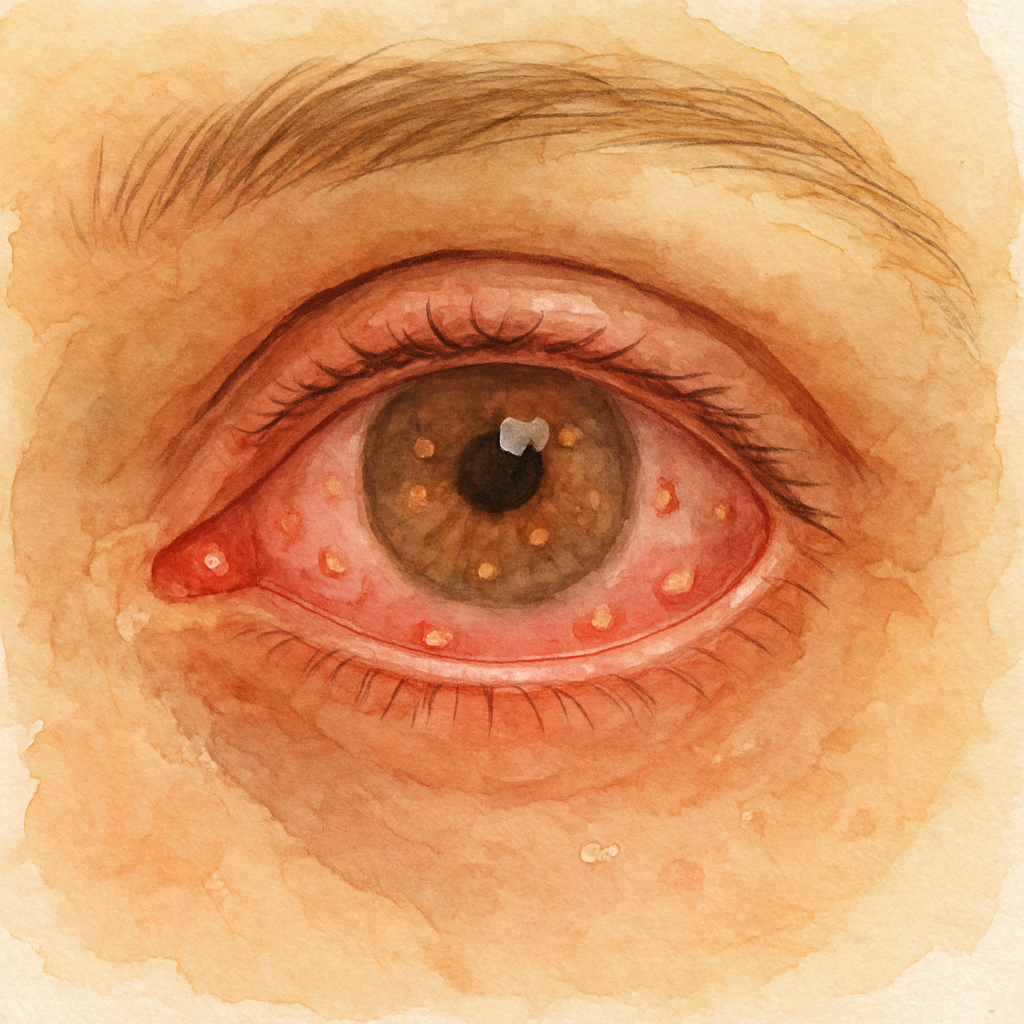
When you think about an eye injection, the first thing that comes to mind is usually a red eye or a little blur. But once in a while the medication can send signals beyond the eye, and you might feel something totally unexpected in your chest, leg, or skin.
What “rare systemic reactions” actually mean
In the clinical trials for Vabysmo, less than 1 % of patients reported any problem that affected the whole body. That tiny slice includes allergic‑type rashes, occasional blood‑clot warnings, and, in the most extreme cases, a stroke‑like event. The term “systemic” just means the reaction isn’t confined to the eye.
Allergic‑type skin or breathing signs
Some folks notice a mild rash, itching, or even a fleeting sense of tightness in the throat a few hours after the injection. These are usually short‑lived and respond to an antihistamine, but if swelling spreads or breathing gets harder, you need emergency care.
Blood‑clot warnings – arterial thromboembolism (ATE)
Vabysmo’s active ingredient faricimab can, in rare cases, tip the balance of clotting factors. An ATE can show up as sudden pain, swelling, or a heavy feeling in a leg or arm, and in worst‑case scenarios it can lead to a non‑fatal stroke or heart attack. The Healthline review notes that “blood clots were an uncommon systemic side effect reported in studies of Vabysmo” according to Healthline . If you feel any of these signs, call 911 or head straight to the ER.
How to spot the red flags early
Unexplained swelling or painin a limb that didn’t happen before.
Sudden shortness of breathor a feeling of chest tightness after the injection.
Rapidly spreading rashthat isn’t just a tiny spot.
New neurological symptomslike facial droop, slurred speech, or loss of balance.
Write down the exact time you noticed the symptom, the intensity on a 1‑10 scale, and any activities you were doing. A clear note helps Dr. Dubey decide whether you need a blood test, an ultrasound, or a quick adjustment to your medication.
Practical steps if a systemic reaction seems possible
Stop any non‑prescribed supplements that thin the blood (like high‑dose fish oil) until you’ve spoken with the clinic.
Call the office within the first 24 hours of the symptom. Even a mild concern is worth a quick triage.
If you’re prescribed an antihistamine or a short course of steroids for a rash, take it exactly as directed—don’t skip doses.
For any sign of clotting, the doctor may order a D‑dimer test or an urgent Doppler scan to rule out a deep‑vein thrombosis.
Keep your follow‑up appointment 48‑72 hours after the injection; that window is when most systemic signals would show up.
Why the risk stays low
The injection delivers a tiny volume directly into the vitreous, so only a minuscule amount enters the bloodstream. That’s why most patients never feel anything beyond the eye. Still, having a history of clotting disorders, recent surgery, or uncontrolled diabetes can nudge the odds higher, which is why the pre‑screen questionnaire asks about those conditions.
When to breathe easy
If you finish the first week after the injection without any of the red‑flag symptoms listed above, you’ve probably avoided the rare systemic side‑effects entirely. Most people report feeling perfectly normal, and the vision benefits of Vabysmo continue to accrue.
For a broader view of what to expect from any eye injection, check out Understanding Vitrectomy Complications: What You Need to Know . It breaks down the overlap between ocular and systemic safety in plain language.
Bottom line: rare systemic reactions are just that—rare. Knowing the warning signs, keeping a symptom log, and reaching out to Dr. Dubey’s team fast turns a scary “what if” into a manageable step. You’re in good hands, and most of the time the only thing you’ll notice is a clearer view of the world.
Managing and Reporting Vabysmo Side Effects
Okay, you’ve made it past the redness, the blurry moments, and the occasional floaters. Now it’s time to talk about the stuff that really matters when you’re living with an injection schedule.
Know the red‑flag symptoms
Most people feel only mild, short‑lived reactions – a little pink eye, a brief haze, maybe a tiny bump of pressure. But there are a few warning signs that deserve a quick call to the clinic.
Think about sudden, sharp eye pain that doesn’t ease with a cool compress, a rapid swelling that spreads beyond the lid, or a vision change that feels like a curtain falling over your sight.
If you notice any of these, treat them like a fire alarm – don’t ignore it.
What to do right after the injection
First thing: stay upright for at least 15‑20 minutes. That simple tilt helps the tiny volume of medication settle where it belongs and reduces the chance of a pressure spike.
Next, grab the post‑procedure checklist your doctor gave you. It usually says something like “avoid heavy lifting, don’t rub your eye, and keep a symptom log for the next 48 hours.” Follow it to the letter.
And yes, you can sip water and have a light snack – just skip the heavy gym session.
Log everything – even the tiny stuff
Here’s a trick that saves you a lot of back‑and‑forth: write down the exact time each symptom starts, how intense it feels on a 1‑10 scale, and what you did about it.
For example, “12:30 pm – mild redness, 2/10, applied cold compress, no change after 10 minutes.” A short note like that can help Dr. Dubey’s team spot a pattern or decide whether you need a follow‑up visit.
Keep the log on your phone or in a notebook you carry to the clinic. When you call, you’ll have the details ready, and the doctor can give you clear next steps fast.
When to call the clinic
If any symptom scores above a 5 on the pain scale, lasts longer than 24 hours, or is accompanied by new floaters, halos, or sudden vision loss, pick up the phone now.
Even a modest increase in eye pressure can feel weird, but the clinic can arrange a quick intra‑ocular pressure check. It’s a painless test that tells you if the eye’s fluid dynamics are off‑balance.
Remember, the EMA’s product information notes that serious systemic reactions happen in less than 1% of patients, so the odds are low, but the impact of catching them early is huge according to the EMA .
What the doctor might do
When you call, the clinic may ask you to come in for a brief exam. They’ll check the pressure, look for signs of inflammation, and decide if a short course of steroid or pressure‑lowering drops is needed.
In most cases, a few extra eye drops for a day or two are enough to smooth things out. If they suspect an infection, you’ll get antibiotics – but that’s rare.
The key is that you’re not waiting for the problem to get worse; you’re getting guidance before it escalates.
Quick‑step checklist
Stay upright 15‑20 min after injection.
Apply a cold compress if redness or mild swelling appears.
Avoid rubbing the eye – it can spread any irritation.
Log each symptom: time, severity, action taken.
Call the clinic if pain >5/10, vision changes, or symptoms persist >24 h.
Bring your log to any follow‑up appointment.
By treating your side‑effect monitoring like a mini‑project, you stay in control and keep your vision recovery on track. You’ve already taken the biggest step by choosing a treatment that can preserve your sight – now just keep the communication loop tight.
So, what’s the next move? Grab that notebook, jot down today’s observations, and give the clinic a heads‑up if anything feels off. You’ve got this, and Dr. Dubey’s team is just a call away.
Conclusion
If you’ve made it this far, you already know that most vabysmo injection side effects are mild, short‑lived, and easy to manage.
But what if a red eye lingers or a blur won’t quit? Remember the quick‑step checklist: stay upright, use the drops, log every sensation, and call the clinic if pain hits 5/10 or vision drops suddenly.
Think about the moment you first noticed a twinge after the injection. You wrote it down, you called Dr. Dubey, and a few extra drops kept the pressure in check. That simple habit turns uncertainty into confidence.
So, what’s the next move? Grab that notebook (or phone app) right now, jot down today’s observations, and set a reminder to review them before your follow‑up. Your proactive notes will save time and keep your eye health on track.
Finally, keep this mantra in mind: monitoring isn’t a chore, it’s a partnership with your eye‑care team. You’re in control, and with a little diligence the benefits of Vabysmo far outweigh the occasional side effect.
Track your symptoms daily, and you’ll notice patterns before they become problems.
Ready to stay ahead of any surprise? Reach out to Dr. Rahul Dubey’s clinic the moment something feels off – they’re just a call away.
FAQ
What are the most common vabysmo injection side effects and how long do they usually last?
Most people notice a mild redness, a brief hazy blur, or a tiny pressure bump within the first few hours after the injection. These reactions are typically short‑lived—redness fades in 4‑6 hours, blurry vision clears within 24–48 hours, and any pressure sensation drops off by the end of the first day. Keeping a cool compress handy and using the prescribed drops speeds up recovery.
When should I be concerned about eye redness after a Vabysmo injection?
A pink eye that eases after a few hours is normal, but you should call the clinic if the redness intensifies, spreads to the eyelid, or is paired with pain above a 5/10 level, swelling, or sudden vision loss. Those signs can indicate inflammation or infection, which need prompt evaluation. Document the time it started and any other symptoms before you call.
How can I tell if blurry vision is normal or a sign of a problem?
Transient blur that improves within a day or two is expected as the vitreous settles. If the fog persists longer than 48 hours, worsens, or is accompanied by flashes, new floaters, or sharp eye pain, it could signal inflammation or pressure changes. In those cases, schedule an intra‑ocular pressure check and let Dr. Dubey know right away.
What steps can I take at home to manage a pressure spike after the injection?
First, stay upright for at least 15‑20 minutes—lying flat can trap fluid. Apply a cool compress to the closed lid for 5‑10 minutes a few times a day. Use any pressure‑lowering drops exactly as prescribed, and avoid heavy lifting or straining. If pain reaches 5/10 or vision blurs, book an urgent IOP test.
Are there any systemic reactions I need to watch for, and what do I do if they appear?
Systemic signs are rare but include unexplained swelling, sudden shortness of breath, rash that spreads quickly, or leg pain that could hint at a clot. If any of these occur within 24 hours of the injection, treat them as emergencies—call 911 or go to the nearest ER, then inform Dr. Dubey’s office as soon as possible.
What should I include in my symptom log to help Dr. Dubey’s team diagnose issues quickly?
Record the exact time each symptom starts, its intensity on a 1‑10 scale, and any actions you took (drops, compress, rest). Note changes in vision—like halos, floaters, or loss of focus—as well as any pain, redness, or swelling. A brief photo of the eye (if safe) and a summary of medications you’re taking also give the clinic a clear picture.
Comments