


Vitrectomy Side Effects: 5 Key Risks You Need to Know
- Nov 29, 2025
- 18 min read
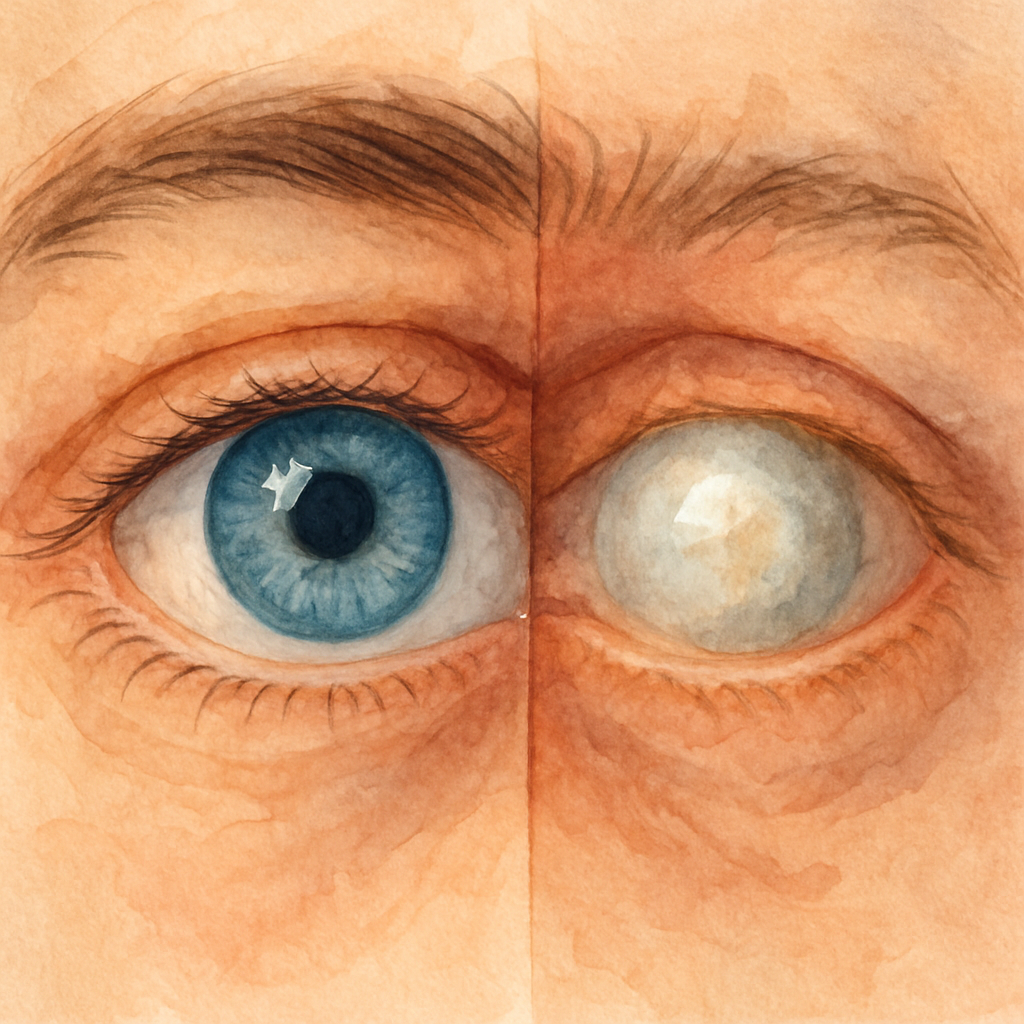
Ever walked into the clinic, heard the word "vitrectomy" and felt a knot in your stomach? You’re not alone. Most patients picture a smooth, quick fix, but the reality often includes a handful of side effects that can catch you off guard.
Imagine waking up after surgery and noticing a sudden increase in floaters, or a lingering blurry spot that just won’t clear. One of my patients, Sarah, thought her vision would be crystal‑clear within days, yet she spent two weeks battling mild swelling and light sensitivity before things settled. That’s why understanding the most common vitrectomy side effects matters – it lets you set realistic expectations and act quickly if something feels off.
Here’s what tends to show up most often: temporary eye pressure spikes, mild inflammation, and occasional cataract formation if the lens was already vulnerable. In rarer cases, you might hear about retinal detachment or macular edema. The good news? Most of these issues are manageable with medication, positioning advice, or a brief follow‑up visit.
So, what can you do right now to protect yourself? First, keep a symptom diary – note any changes in glare, floaters, or pain. Second, follow post‑op instructions to the letter, especially the eye‑drop schedule. Third, don’t wait for a week to call if you notice sudden vision loss; early intervention can make all the difference.
Need a roadmap for the recovery phase? Check out What to Expect During Vitrectomy Recovery Time: A Practical Guide for step‑by‑step tips on managing swelling, when to resume activities, and signs that warrant a call to your surgeon.
If you’re also looking for ways to find a specialist you can trust, a quick look at Healthier Lifestyle Solutions can help you connect with reputable eye‑care providers who understand the nuances of vitrectomy side effects.
TL;DR
Vitrectomy side effects are usually temporary, like brief pressure spikes, mild inflammation, or a fleeting cataract risk, but catching them early lets you manage pain, protect vision, and stay on track with recovery.
Keep a symptom diary, follow your surgeon’s eye‑drop schedule, and call immediately if vision worsens—these simple steps cut complications and give you peace of mind.
Side Effect #1: Cataract Formation
Ever notice how a clear lens can turn cloudy just months after vitrectomy? That’s cataract formation, and it’s one of the most common “surprise” side effects patients talk about.
Think about the last time you looked through a foggy window – you can see shapes, but everything’s muted. Your eye can feel the same way when the natural lens starts to opacify after surgery.
Why does it happen?
During vitrectomy the surgeon manipulates the vitreous gel, which sits right behind the lens. The tiny amount of light and heat from the operating microscope, plus the fluid exchange, can stress lens fibers. If your lens was already a bit hazy (early‑stage cataract), that stress can accelerate the clouding process.
Studies from major eye centers show that up to 30 % of patients develop a clinically significant cataract within the first year post‑op, especially those over 60 or with diabetes. Those numbers aren’t magic – they’re real outcomes you’ll hear in follow‑up appointments.
Real‑world stories
Take Mark, a 68‑year‑old retiree from Sydney. He went in for a vitrectomy to clear a vitreous hemorrhage. Six months later, he complained of “looking through a milkshake” – his surgeon diagnosed a rapidly progressing cataract and scheduled a quick cataract extraction. Mark’s vision bounced back to better than before the original surgery.
Then there’s Lina, a 45‑year‑old teacher with high myopia. Her lens was still crystal clear when she had vitrectomy for a macular hole. A year later, a subtle glare appeared while reading. An exam revealed a mild posterior sub‑capsular cataract – something she never expected at her age. She opted for lens replacement and now enjoys sharp vision again.Both stories underline a simple truth: cataract formation can hit anyone, but early detection makes the fix painless.
What to watch for
Spotting a cataract early is easier than you think. Keep an eye (pun intended) on these signs:
Increased glare when driving at night
Colors looking washed out or yellowed
Difficulty reading fine print without extra light
A “halo” around lights
If any of these pop up, call your surgeon. A quick slit‑lamp exam can confirm whether it’s a cataract or just post‑surgical inflammation.
Actionable steps to protect your lens
1️⃣Follow the eye‑drop schedule religiously.Anti‑inflammatory drops reduce swelling that can indirectly stress the lens.
2️⃣Shield your eyes from UV light.Sunglasses with 99 % UV protection cut down on the photo‑oxidative damage that accelerates cataract formation.
3️⃣Stay on top of your systemic health.Good blood sugar control if you have diabetes, and a balanced diet rich in antioxidants (leafy greens, berries) give your lens a nutritional buffer.
4️⃣Schedule a routine check‑up.Even if you feel fine, a 6‑month post‑op exam lets the doctor spot early lens changes and plan a smooth cataract surgery if needed.
5️⃣Know the timeline.Most cataracts that develop after vitrectomy become visually significant between 6‑12 months. Mark your calendar and set a reminder to book that follow‑up.
Expert tip
Dr. Rahul Dubey often advises patients to keep a simple “vision diary.” Jot down any new glare, halos, or color shifts each week. Patterns emerge quickly, and you’ll have concrete notes to share with your surgeon.
For a deeper dive into the range of vitrectomy complications and how they’re managed, check out Understanding Vitrectomy Complications: What You Need to Know . It walks you through the whole picture, from retinal concerns to lens health.
And if you’re curious about how a strong brand can help an eye‑care practice reach more patients, the folks at GHO Sydney specialize in that exact kind of storytelling.
Side Effect #2: Retinal Detachment Risk
Imagine finishing your vitrectomy and then, a few weeks later, noticing a shadow drifting across your field of view – like a curtain being pulled down. That feeling of panic? It’s the hallmark of a retinal detachment beginning to form.
Retinal detachment isn’t just a scary phrase doctors throw around; it’s a real, sight‑threatening complication that can happen after vitrectomy. Studies show that iatrogenic retinal breaks occur in roughly 7‑10% of cases, and those breaks are the most common gateway to a full‑blown detachment clinical insights report .
Why does the retina tear after vitrectomy?
During the procedure the surgeon removes the gel‑like vitreous and often induces a posterior vitreous detachment (PVD). That sudden shift can tug on the delicate retinal tissue. If the vitreous was already adherent, the pull may create a tiny tear. In a phakic eye, those tears can be hard to see until fluid seeps behind the retina.
Older patients and high myopes are especially vulnerable – the retina in a myopic eye is stretched thin, making it easier for a tear to turn into a detachment.
Real‑world stories you can relate to
Take Jason, a 62‑year‑old accountant from Sydney. He had a pars‑plana vitrectomy for a vitreous hemorrhage. Two months post‑op he woke up with a dark wedge in his left vision. An urgent exam revealed a retinal break that had progressed to a partial detachment. A quick repeat surgery saved his sight, but the extra procedure added weeks of recovery.
Then there’s Maya, a 38‑year‑old graphic designer with high myopia. She felt a sudden “flash” followed by a floating curtain. The retinal tear was small, but because she delayed calling her surgeon, the detachment spread, requiring a more extensive vitrectomy and a silicone oil fill. She’s now on a strict follow‑up schedule.
Warning signs you shouldn’t ignore
Here’s what to look for – and act on immediately:
Sudden appearance of a dark shadow or curtain that starts at the periphery and moves inward.
Flashes of light, especially in the peripheral vision.
An increase in the number of floaters, especially if they seem to cluster.
Reduced peripheral vision or a “missing piece” in your visual field.
If any of these pop up, call your surgeon right away. Early repair dramatically improves outcomes.
Actionable steps to lower your risk
1️⃣Follow post‑op positioning instructions.Some surgeons ask you to keep your head tilted for a few days to let the fluid settle away from the retina.
2️⃣Schedule a comprehensive retinal exam at 1‑week, 1‑month, and 3‑month marks.The exam includes dilated fundoscopy and often an OCT scan to spot tiny tears before they widen.
3️⃣Monitor your vision diary.Just like Dr. Dubey recommends for cataract symptoms, jot down any new flashes or shadows. Patterns become obvious quickly.
4️⃣Control systemic risk factors.Keep diabetes and hypertension in check – vascular changes can weaken retinal adhesion.
5️⃣Avoid heavy lifting or straining for the first 2‑3 weeks.Sudden spikes in intra‑ocular pressure can exacerbate a hidden tear.
6️⃣Wear protective eyewear.If you play sports or work in a dusty environment, goggles reduce the chance of blunt trauma that could reopen a healed tear.
When to seek urgent care
Any flash, curtain, or rapid loss of peripheral vision warrants an emergency visit. Even if you’re unsure, it’s better to be over‑cautious. The retina can re‑attach if caught early; once it separates fully, the surgery becomes more complex and the visual prognosis drops.
For a deeper dive into the cascade of vitrectomy complications, you might also explore the Vitreous Floaters page – it explains how floaters can be an early warning sign of retinal traction.
And if you’re an eye‑care professional reading this, consider looking after your own wellbeing too. A good resource for physician burnout support is Marisgraph’s physician wellbeing platform , which offers tools to stay resilient while handling high‑risk cases.
Side Effect #3: Elevated Intraocular Pressure
After your vitrectomy you might notice a throbbing sensation behind the eye, or a vague feeling that something’s “pressing” on your vision. That’s the classic sign of intra‑ocular pressure (IOP) rising – a side effect that catches many patients off guard.
Why does it happen? The surgery replaces the gel‑like vitreous with a balanced salt solution. That fluid can shift the dynamics inside the eye, temporarily clogging the trabecular meshwork – the drainage system that keeps pressure steady. Add a few drops of steroid medication, and you’ve got a perfect storm for a pressure spike.
What you might feel
Most people describe a mild ache, a headache that sits right over the eye, or occasional blurry spots that clear up when you blink. It’s not the same as a migraine; it’s more like the eye is “full” and needs to let some fluid out.
Do you ever wonder if a pressure rise is serious? The answer depends on two things: how high the number climbs and how long it stays up. A quick rise to 25‑30 mmHg that settles in a day is usually harmless. Anything that sticks above 30 mmHg for several days can threaten the optic nerve and lead to glaucoma if ignored.
Red‑flag symptoms
Sudden, sharp eye pain that doesn’t ease with rest.
Seeing halos around lights, especially at night.
Rapid loss of peripheral vision – like the edge of a picture fading.
Persistent headache that feels deeper than a typical tension headache.
If any of those pop up, call your surgeon right away. Early intervention can mean a simple medication adjustment instead of a more invasive procedure.
How to keep pressure in check
1️⃣Follow the drop schedule exactly.Your surgeon may prescribe a short course of steroid drops followed by a pressure‑lowering agent. Skipping doses can cause the pressure to swing wildly.
2️⃣Avoid heavy lifting and straining for the first two weeks.Those Valsalva maneuvers push extra fluid into the eye and can spike IOP.
3️⃣Stay hydrated, but don’t over‑drink.Too much fluid can raise overall body pressure, which sometimes reflects in the eye.
4️⃣Limit caffeine.A big cup of coffee can give a temporary pressure bump – keep it to one cup a day for the first month.
5️⃣Monitor with a home tonometer if your doctor suggests one.Seeing the numbers yourself can catch a trend before it becomes an emergency.
And if you’re curious about how other eye procedures can affect your eye health, check out Eye Injection Side Effects: What You Need to Know for more practical tips.
Below is a short video that walks you through what an eye pressure check looks like and why it matters after vitrectomy.
After you’ve watched the video, keep this quick checklist handy:
Measure IOP on day 1, day 3, and day 7 post‑op (if you have a tonometer).
Note any new pain, halos, or vision loss in your diary.
Call the clinic if pressure reads above 30 mmHg or if symptoms worsen.
Most pressure spikes settle within two weeks as the eye re‑establishes its drainage pathways. If yours lingers, your surgeon may add a beta‑blocker drop or consider a laser trabeculoplasty to open the meshwork.
Bottom line: elevated intra‑ocular pressure is a common vitrectomy side effect, but it’s usually manageable with vigilance, medication, and a bit of lifestyle tweaking. Stay proactive, track your symptoms, and you’ll keep your vision on the right track.
Side Effect #4: Infection and Inflammation
If you’ve just left the operating theatre and your eye feels gritty, warm, or oddly swollen, you’ve probably stumbled onto the dreaded infection and inflammation combo that can follow a vitrectomy.
Most of the time the body’s immune response does its job – a little redness, a few cells, and you’re back on track in a week. But when bacteria slip past the sterile field, things can turn nasty fast.
So, what actually triggers an infection after vitrectomy? The most common culprits are surface bacteria from the eyelid margin, tiny breaches in the conjunctiva during instrument entry, and, less often, contaminated fluid used to replace the vitreous.
A quick glance at the numbers: recent surveys in Australian eye clinics report infection rates hovering around 0.5‑1 % for routine vitrectomy – low, but enough that every surgeon stresses sterile technique.
Here’s how you can spot an infection before it spirals:
Increasing redness that spreads beyond the incision site.
Sharp, throbbing pain that doesn’t improve with your prescribed anti‑inflammatory drops.
Yellow or green discharge leaking from the eye.
Fever, chills, or a general feeling of being unwell – your body is sounding the alarm.
If any of those red flags show up, call your surgeon immediately. Early treatment usually means a short course of fortified antibiotic eye drops or, in rare cases, a tiny intravitreal injection of antibiotics.
Inflammation, on the other hand, is the body’s natural healing fire. It shows up as mild swelling, a few extra cells in the anterior chamber, and sometimes a hazy vision that clears as the eye settles.
Most patients experience only a low‑grade inflammation that the surgeon’s prescribed steroid drops tame in a week or two. The trick is not to stop the drops too early – you’ll feel better, but the underlying inflammation can flare up again.
A handy checklist for the first two weeks after vitrectomy:
Check the eye three times a day for new redness or discharge.
Rate pain on a 0‑10 scale; if it climbs above 4, call the clinic.
Note any sudden cloudiness or loss of vision – even a tiny change matters.
Finish the full course of steroids even if your eye feels fine.
Keep a small log of temperature; a fever over 38 °C paired with eye symptoms warrants urgent attention.
If you’re worried about infection, there’s one simple preventive habit that many patients overlook: cleaning the eyelid margin with a sterile, preservative‑free wipe every night for the first week. It removes residual debris and cuts down the bacterial load.

And remember, inflammation isn’t always bad – it’s a sign that the eye is healing. The goal is to keep it mild enough that you don’t lose vision while the tissues knit back together.
Bottom line: infection is rare but serious, inflammation is common and usually manageable. By watching the warning signs, sticking to your drop regimen, and keeping a simple nightly eyelid‑cleaning routine, you give yourself the best chance for a smooth recovery. For a broader view of how eye procedures can trigger side effects, you might find the guide on AREDS2 side effects surprisingly relevant – it explains why inflammation can flare after any intra‑ocular treatment.
Side Effect #5: Visual Disturbances – Comparison Table
After a vitrectomy, many people notice their vision feeling a little… off. It might be a flicker of light you didn't have before, or a sudden cloud of floaters drifting across the field. Those visual disturbances are a classic vitrectomy side effect, and they can range from barely annoying to genuinely scary.
So, what should you be watching for? Below is a quick‑look table that lines up the most common visual quirks, when they usually show up, and what you can actually do about them.
Visual Disturbance | Typical Onset | Frequency (post‑op) | Practical Management |
New or increased floaters | Days‑to‑weeks | 30‑40 % | Track them in a vision diary; if they multiply rapidly or block central vision, schedule a follow‑up OCT. |
Photopsia (flashes of light) | Within 48 hours | 15‑20 % | Check for retinal tears; urgent exam if flashes persist more than 24 hours. |
Glare/halo around lights | 1‑3 weeks | 25‑35 % | Wear UV‑blocking sunglasses; ensure anti‑inflammatory drops are completed. |
Color distortion or reduced contrast | 2‑4 weeks | 10‑15 % | Adjust screen brightness; consider a short course of mild steroid drops if inflammation is suspected. |
Notice how each row gives you a concrete step, not just a vague warning. That’s the difference between “maybe you’ll notice something” and “here’s a clear plan you can follow.”
Let’s walk through a couple of real‑world snapshots so the table feels less like a spreadsheet and more like a conversation you could have with your surgeon.
Case 1: Emma’s “rain‑storm” floaters
Emma, a 52‑year‑old graphic designer, woke up a week after her vitrectomy and saw a swarm of tiny specks drifting like raindrops. She panicked, thinking the surgery had failed.
Because she had started a simple vision diary – jotting the number and size of floaters each night – her doctor could see the trend was stable. The surgeon reassured her that postoperative vitreal traction often creates temporary floaters, and they usually settle within two months. Emma’s action: keep the diary, wear sunglasses outdoors, and avoid heavy lifting for the first two weeks.
Case 2: Luis’s sudden flash
Luis, 68, noticed a bright streak of light in his peripheral vision three days after surgery. He remembered the table’s “photopsia” row and called the clinic immediately.
The urgent exam revealed a tiny retinal tear that hadn’t yet led to detachment. A laser retinopexy sealed the break, and Luis avoided a full‑blown detachment. His takeaway: don’t wait for the flash to fade; act fast.
Do you see a pattern? Early detection plus a specific response can turn a scary symptom into a manageable hiccup.
Here are three actionable steps you can embed into your recovery routine right now:
Start a vision diary today.Write down any new lights, shadows, or floaters. Even a single sentence each night builds a clear picture for your surgeon.
Set a “visual check‑in” schedule.Look at a bright lamp for 10 seconds at day 1, day 3, and day 7. Note any halos or color shifts. This quick habit catches subtle changes before they become problems.
Keep your UV‑blocking sunglasses within reach.Slip them on whenever you step outside or sit near a bright screen. The protection reduces glare and helps the eye’s healing environment stay calm.
And remember, not every visual glitch means trouble. Some patients experience mild glare for a few weeks simply because the eye’s healing cells are still remodeling. The key is to differentiate “expected” from “worrisome.”
Bottom line: visual disturbances after vitrectomy are common, but with a simple tracking system, timely eye checks, and a few protective habits, you stay in control. If something feels off, trust the table, trust your diary, and give your surgeon a call – early action saves vision and peace of mind.
Side Effect #6: Persistent Floaters
After your vitrectomy, you might notice those specks that look like tiny dust particles dancing across your vision. Most of us call them "floaters," but when they stick around for weeks or months, they become a real nuisance.
So, why do some floaters linger? The surgery removes the natural vitreous gel, replacing it with a balanced salt solution. That fluid shift can leave behind clumps of collagen fibers that settle in the posterior chamber. In many patients those clumps dissolve quickly, but if the eye’s healing response is a bit over‑zealous, the fibers can stick around and keep floating.
Does that mean you’re doomed to see a perpetual rainstorm? Not at all. Persistent floaters are usually harmless, but they can be distracting – especially when you’re trying to read a screen or drive at night.
What you might actually see
Imagine looking at a clear blue sky and suddenly spotting a few tiny cobwebs drifting by. That’s the visual equivalent of persistent floaters. They tend to be more noticeable when you stare at a plain background – a white wall, a bright computer monitor, or a clear night sky.
Most patients describe them as:
Small, dark specks that move with eye motion
Thread‑like strands that wobble when you look around
Occasional clusters that feel like a “snowstorm” in the periphery
Sound familiar? If you’ve experienced that, you’re not alone.
Real‑world snapshot
Take Alex, a 58‑year‑old accountant from Sydney. Two weeks after his vitrectomy, he started seeing a handful of gray dots whenever he checked his email. He felt uneasy, wondering if the surgery had gone wrong.
Because Alex kept a simple vision diary – just a line each evening noting “floaters: 5 specks, no change” – his surgeon could see the pattern was stable. The doctor explained that the floaters were likely residual collagen fibers and reassured him they often fade within three to six months.
On the other hand, Maya, a 42‑year‑old graphic designer, reported a sudden increase in floaters a month after surgery, accompanied by a mild “cobweb” feeling across her central vision. Her surgeon ordered an OCT scan, which showed a tiny vitreous traction spot. A quick laser vitreolysis session broke up the clump, and Maya’s visual comfort improved dramatically.
How to tame persistent floaters
Here are five practical steps you can start today:
Keep a floaters log.Jot down the number, size, and any changes each night. Patterns emerge quickly, and you’ll have concrete data to share with your surgeon.
Practice gentle eye movements.Slowly shift your gaze up‑down and side‑to‑side a few times a day. This can help the fluid circulate and encourage the fibers to settle.
Stay well‑hydrated.Adequate water supports the eye’s natural turnover of vitreous substitute fluid, which may aid in clearing floaters faster.
Use UV‑blocking sunglasses.Reducing glare gives your brain a break from constantly processing those specks, making them feel less intrusive.
Discuss laser vitreolysis.If floaters remain bothersome after three months, ask your surgeon whether a minimally invasive laser can safely vaporize the stubborn fibers.
Does that feel manageable? Most people find that a combination of logging and a bit of patience does the trick.
When to raise the alarm
If you notice any of the following, call your surgeon right away:
A sudden surge in the number of floaters
Flashes of light accompanying the floaters
Any loss of peripheral vision or a dark curtain effect
Those signs could indicate a retinal tear or detachment, which needs urgent attention.
Bottom line: persistent floaters after vitrectomy are common, but they’re usually not dangerous. By tracking them, staying hydrated, and knowing when to seek help, you can keep your recovery on track and your vision clear enough for daily life.
Conclusion
If you’ve made it this far, you know vitrectomy side effects aren’t mysterious monsters—they’re manageable quirks you can track.
Think back to the moments we highlighted: cataract formation, retinal detachment risk, pressure spikes, inflammation, visual disturbances, and those stubborn floaters. Each one has a simple checklist you can follow, and you already have a vision diary ready to go.
So, what’s the next step? Start by reviewing your diary tonight. Mark any new glare, flashes, or a sudden rise in floaters. Then, schedule that 1‑month follow‑up if you haven’t already. A quick call to your surgeon can turn a tiny warning into a swift fix.
Remember, you’re not alone in this journey. Your surgeon, Dr. Rahul Dubey, is just a phone call away, and the community of patients who’ve walked this path can offer tips that feel like a coffee‑chat.
Here’s a tiny action plan you can copy:
Log symptoms daily for the first six weeks.
Wear UV‑blocking sunglasses whenever you step outside.
Stay hydrated and avoid heavy lifting for two weeks.
Call your clinic immediately if you notice flashes, a curtain‑like shadow, or pain that won’t quit.
By treating each side effect with the same care you’d give a new habit, you keep your recovery on track and your vision clear. Ready to take control? Your eye health starts with the next simple habit you adopt today.
FAQ
What are the most common vitrectomy side effects I should watch for?
Right after a vitrectomy you’ll likely notice a few things that many patients report: mild inflammation, a temporary rise in eye pressure, new floaters or flashes, and the early stages of cataract formation. Some people also feel a bit of glare or halo around lights. All of these are normal signals that your eye is healing, but they still deserve a quick check‑in with your surgeon.
How soon after surgery can I expect to notice these side effects?
Most side effects appear within the first two weeks. Inflammation and pressure spikes often show up in the first few days, while floaters and flashes can linger a bit longer, sometimes up to a month. Cataract changes tend to develop more slowly, usually becoming noticeable around the six‑month mark. Keeping a daily log helps you spot patterns before they become worrisome.
When is a symptom considered an emergency and needs a call to my surgeon?
If you see a sudden curtain‑like shadow, a burst of bright flashes, or a rapid increase in floaters, treat it as urgent. Sharp eye pain that doesn’t ease with rest, halos that get brighter, or a loss of peripheral vision also demand immediate attention. In those moments, pick up the phone – a quick exam can prevent permanent damage.
What can I do at home to reduce the risk of cataract formation after vitrectomy?
First, stick to the eye‑drop schedule your surgeon gave you; anti‑inflammatory drops keep swelling low, which eases stress on the lens. Second, wear UV‑blocking sunglasses whenever you’re outside – the sun’s rays accelerate lens clouding. Finally, stay hydrated, eat plenty of leafy greens and berries, and keep any diabetes under control. Those simple habits create a healthier environment for your natural lens.
Are there any lifestyle changes that help keep intra‑ocular pressure stable?
Avoid heavy lifting, intense straining, or vigorous exercise for the first two to three weeks – those actions push fluid into the eye and can spike pressure. Limit caffeine to one cup a day and keep your salt intake moderate. Getting regular, gentle walks helps circulation without over‑pressurizing the eye. If you notice a throbbing ache, pause and call your clinic.
How should I use a vision diary effectively?
Write a quick line each evening: note any new glare, flashes, floaters, or pain on a 0‑10 scale. Use a simple table – date, symptom, severity – so you can spot trends at a glance. Bring the diary to every follow‑up; the surgeon can compare your notes with exam results and adjust treatment faster than guessing.
What follow‑up schedule is typical for monitoring vitrectomy side effects?
Most surgeons see patients at day 1, week 1, month 1, and month 3 after the procedure. If you have risk factors like diabetes or high myopia, you might add a six‑month visit. Each appointment includes a pressure check, slit‑lamp exam, and sometimes an OCT scan to catch hidden tears. Sticking to this timeline keeps complications caught early and your recovery on track.
Comments