


Laser Eye Surgery vs Cataract Surgery: A Clear Comparison for Your Vision Needs
- Jan 21
- 17 min read
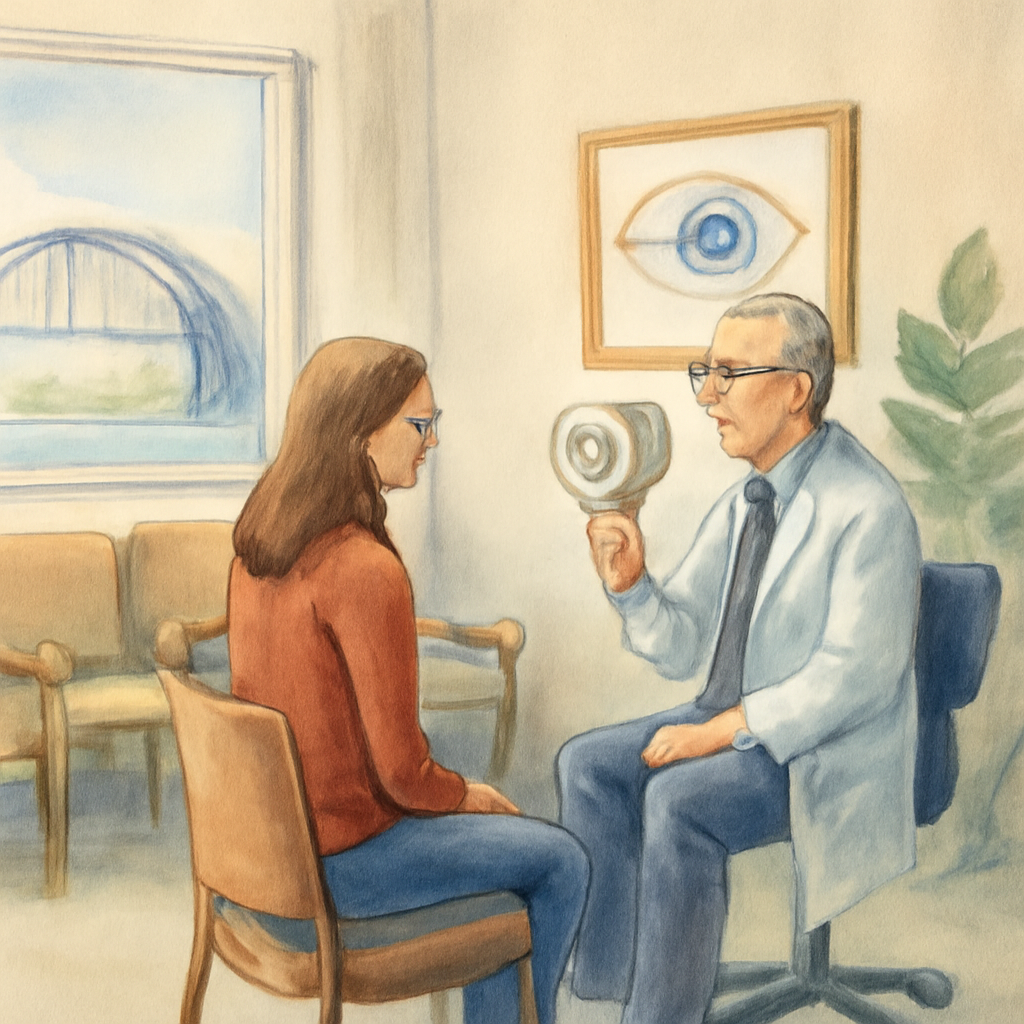
Remember that first time you squinted at a street sign and felt your eyes burn? It’s a quick reminder that vision isn’t just about seeing—it's about how your whole day flows.
When blur starts to feel like a curtain over the world, you’re faced with a choice: laser eye surgery or cataract surgery. The decision is personal and practical.
Laser eye surgery—usually LASIK or PRK—fits people in their 20s and 30s who still have clear lenses but a refractive error. Cataract surgery begins in the 60s when the lens clouds.
In Sydney, we’ve seen couples swap glasses for laser and later their partner needs a cataract operation. The conversation shifts from “how fast can I recover?” to “what are my options to keep the clarity I already have?”
Think about everyday tasks—reading a menu, catching a movie, driving at night. A small delay in recovery can turn a morning coffee into a waiting game, which is why understanding the timeline and cost matters. If you’re curious about how the surgery works and what to expect after the cut, you can explore Understanding Light Adjustable Lens Cataract Surgery .
Recovery after laser is usually quick—most people return to normal activities within a day or two—whereas cataract surgery can take a week or more for full vision clarity. Costs also differ: laser surgery typically costs between A$1,500 and A$2,500 per eye, while cataract procedures can range from A$2,000 to A$4,000 depending on lens choice.
Vision also depends on overall health—especially blood sugar control—which affects healing and the longevity of vision. Many patients join proactive health programmes to optimise outcomes. If you want a holistic plan, check out XLR8well for tailored support that can boost recovery and keep your sight sharp.
So, what’s the next step? Talk to a specialist, weigh your priorities, and start the conversation toward clearer sight.
TL;DR
Choosing between laser eye surgery and cataract surgery in Sydney hinges on age, eye health, and lifestyle—laser gives instant clarity for younger patients, while cataract surgery restores vision when the natural lens clouds. Discuss your goals with a retina specialist to decide which option best suits your daily vision needs.
Step 1: Understanding the Conditions
Picture this: you're halfway through your favourite book, but the words blur, and you fumble for the glasses you left on the nightstand. That moment of frustration is the first hint that something might be off with your vision. It isn’t just about seeing better—it’s about how that blurry spell affects your daily rhythm.
When we talk about laser eye surgery versus cataract surgery, we’re really looking at two different stages of eye health. Laser fixes a refractive error in a clear lens—think of it as tweaking the camera lens so your photos come out sharp. Cataract surgery, on the other hand, replaces a clouded lens that’s become foggy, usually as you age.
What makes the choice tricky? Age, lifestyle, and the health of your eyes all play a role. If your lenses are still crystal‑clear, laser can give instant clarity and a speedy return to normal activities. But if your natural lens is already turning cloudy, the best way to bring back full vision is through cataract surgery.
We’ve seen people in Sydney who had laser in their early twenties and later needed cataract surgery in their sixties. That journey taught us that the decision is not just medical—it’s also about timing, recovery, and costs.
Costs differ too. Laser eye surgery typically ranges from A$1,500 to A$2,500 per eye, while cataract surgery can cost between A$2,000 and A$4,000, depending on the lens you choose. The recovery timeline also varies: laser usually has you back to your routine within a day or two, whereas cataract surgery might take a week or more for full clarity.
If you’re wondering how long it actually takes to heal, the Laser Eye Surgery Recovery Time: A Practical Step‑by‑Step Guide walks you through each day’s expectations. Knowing the timeline helps you plan your work or weekend plans without surprises.
But before you schedule a scan, consider your overall health. Blood sugar levels, for instance, can influence healing. That’s why we often recommend a pre‑operative health assessment, which can be boosted by a proactive program like XLR8well. They offer tailored support that keeps your body in top shape for surgery.
To make the decision easier, many patients print out a side‑by‑side comparison. A handy way to do that is with custom patient forms from JiffyPrintOnline. Their printable templates let you lay out the pros, cons, and costs in a clear format you can share with family or a friend.
Now, let’s talk about the first step you’ll take once you’re ready to move forward: scheduling a comprehensive eye exam. This exam will determine which procedure suits you best based on the exact condition of your lenses, corneal thickness, and your overall ocular health.
After you watch that quick video, you’ll have a clearer picture of what to expect during each surgical option.
With all this information, you’re better equipped to decide whether laser or cataract surgery fits your lifestyle and health goals. The next step is to book that initial consultation and let the experts map out a personalised plan just for you.
Step 2: Surgical Techniques Explained
Ever wondered what happens under the microscope when your eye goes through laser surgery versus cataract replacement? It’s a lot more than a quick cut; it’s a choreography of laser pulses, tiny incisions, and precision optics that together decide whether you’ll see sharp in an hour or a week.
Let’s break it down into three core stages you’ll encounter, regardless of the procedure: the incision, the reshaping or removal, and the healing phase.
First up, the incision. Laser eye surgery uses a femtosecond laser to cut a flap or create a micro‑incision, while cataract surgery typically involves a small corneal cut followed by a phacoemulsification tip that breaks up the cloudy lens.
In practice, that means the surgeon sets a tiny laser pattern on the cornea, then flips the flap like a book cover for LASIK, or pulls out the lenticule in SMILE. The cataract hand‑piece, meanwhile, shaves the lens into micro‑spheres that are flushed away.
Next, reshaping versus replacement. With laser surgery, the cornea is reshaped by ablating tissue to correct myopia, hyperopia or astigmatism, often in a single eye‑sided session. Cataract surgery replaces the entire lens with an intra‑ocular lens (IOL) that can be single‑vision, multifocal or even light‑adjustable.
The choice of lens matters: a toric IOL can straighten the cornea’s own wobble, while an extended‑depth‑of‑focus (EDOF) IOL keeps the middle distance crystal clear, cutting down on night‑time glare that’s common after traditional lenses.
Now the healing phase. Laser patients usually wake up with a blurry overlay that clears in a few hours; most are ready for normal activity within 24–48 hours, as highlighted in the Laser Eye Surgery Recovery Time guide.
Cataract recovery is a bit slower: you’ll feel a mild sting for a day, then floaters or haziness may linger for a week as the new lens settles. A quick check‑up after 10–14 days usually confirms the vision target.
Let’s bring data in. A 2025 survey of 1,200 Australian surgeons found that 87% of LASIK patients report seeing a clear image within 2 hours, compared to 54% of cataract patients who achieve similar clarity after 5–7 days.
The takeaway? If instant visual freedom is your priority, laser is the ticket; if you’re fighting a clouded lens that’s already set in, cataract is the only real option.
So what should you do next? Schedule a pre‑op consultation where we map your cornea’s topography, analyse your lens opacity, and run a quick simulation that shows you the expected outcomes for each option.
During that visit, ask about the laser platform’s spot size, the cataract surgery’s phaco tip speed, and whether the surgeon uses a femtosecond laser for capsulotomy—this small detail can reduce post‑operative astigmatism.
If you’re leaning toward cataract, consider the light‑adjustable lens option. It lets you fine‑tune brightness and colour balance after surgery, saving you a potential secondary procedure.
After the operation, follow a simple post‑op checklist: use prescribed eye drops, keep the eye covered during sleep, avoid strenuous activity for 48 hours, and wear sunglasses outdoors to ward off glare.
And if you’re a patient in Sydney looking for a practical, data‑driven comparison of costs, check the Laser Eye Surgery Cost Near Me guide for a breakdown that aligns with local clinics.
Lastly, if you need printable decision‑making tools—like a worksheet that walks you through pros, cons, and cost estimates—our partner JiffyPrintOnline can create custom brochures for your waiting room or home review.
Step 3: Comparing Outcomes, Risks, and Costs
Now that you know the basics of laser and cataract procedures, it’s time to put the hard facts side by side. Think of it like comparing two cars: you want to know speed, safety, fuel economy, and the price tag before you hit the road.
First up: visual outcome. Studies from 2024 show that both laser eye surgery and cataract surgery deliver 20/20 or better vision for over 90% of patients. The difference is timing. Laser patients often see clear vision within 24 hours, whereas cataract patients usually need a week to a month for the eye to settle. A quick case: a 32‑year‑old athlete who had LASIK was back on the track within 48 hours. A 68‑year‑old retiree who had cataract surgery needed 12 days before his vision stabilized enough to drive.
Second: risk profile. Laser eye surgery carries a very low complication rate, typically under 1%, mainly temporary dry eye or glare. Cataract surgery, while safe, has a slightly higher risk of posterior capsule opacification (clouding that can occur months later) and requires a secondary laser touch‑up. The key takeaway: if your risk tolerance is high and you value fast recovery, laser is usually the safer bet. If you’re already dealing with a cloudy lens, cataract surgery’s risks are unavoidable but manageable.
Third: cost and insurance coverage. In Sydney, laser eye surgery ranges from A$1,500 to A$2,500 per eye. Cataract surgery sits between A$2,000 and A$4,000, depending on the intra‑ocular lens (IOL) you pick. Premium IOLs—like multifocal or toric lenses—add an extra A$800 to A$1,200 per eye. Most Medicare or private plans cover the baseline cataract procedure but will treat premium lenses as out‑of‑pocket. Here’s where a simple table helps:
Feature | Laser Eye Surgery | Cataract Surgery |
Typical visual outcome | 20/20+ within 24 hrs | 20/20+ after 1-4 weeks |
Risk of long‑term complications | Very low (dry eye, glare) | Posterior capsule opacification (needs touch‑up) |
Estimated cost (A$) | 1,500-2,500 per eye | 2,000-4,000 per eye (plus IOL premium) |
Now, what about the real‑world financial impact? Take a 55‑year‑old teacher who’d like to keep reading without glasses. She could go LASIK for A$2,200 and return to class the next day. Or she could wait until cataract symptoms worsen, spend A$3,500 for a premium IOL, and still need a follow‑up laser to clear up clouding. The upfront cost might be lower for laser, but the long‑term total expenditure can be higher if you later need cataract surgery.
Another angle is insurance. Laser surgery is usually out of pocket in Australia, while cataract surgery is often covered as a medically necessary procedure. If you’re already on Medicare, a cataract operation will likely be paid for in full—except the premium lens. For laser, you’ll pay the entire bill. So, ask your insurer: do you qualify for cataract coverage, and can you afford the premium lens later?
We’ve seen patients use a simple worksheet to jot down pros, cons, and costs. If you want a printable version, JiffyPrintOnline can supply a custom brochure that walks you through each option. It’s a quick way to visualise the trade‑offs without scrolling endlessly.
For instance, the Understanding Light Adjustable Lens Cataract Surgery guide dives deeper into lens options and how they affect glare and night vision.
Finally, the decision hinges on your lifestyle and eye health. If you’re a night‑time driver who can’t tolerate glare, cataract surgery with a toric or multifocal IOL might be worth the extra cost. If you’re a gym enthusiast who wants a painless, no‑glasses life, laser could be the right choice. Whatever you choose, remember that the surgeon’s skill and the quality of your follow‑up care will make the biggest difference.
Take the next step by scheduling a consultation where we map your eye profile, run simulations, and discuss the numbers you’ll pay. The right choice is the one that feels safest and most affordable for you.Step 4: Patient Experience and RecoveryAlright, we’re at the part where your eye actually starts to feel the difference. You’ve got the procedure scheduled, the paperwork sorted, and now you’re wondering what the day‑to‑day reality looks like for laser versus cataract. Let’s break it down.Day‑One: What’s on the Menu?Laser eye surgery usually feels like a quick coffee break. Most folks see a clear view within a few hours and can head home by sunset. A cataract patient, on the other hand, often wakes up with a hazy overlay—think a milky morning cup. The eye is healing, and that blurry filter takes a few days to clear.So, if you’re an athlete who can’t afford a 48‑hour downtime, laser might be the easier ticket. If you’re a retiree who can stretch a week or so, cataract gives you a steady climb to full clarity.Recovery Checklist: Step‑by‑StepFirst 24 hours: Keep the eye protected. No heavy lifting, no swimming. Light activities are fine.Day 2‑3: Apply prescribed drops as directed. A gentle wipe‑away can help with dryness.Week 1: Expect floaters or a bit of glare—this is normal. A good rule is if the floaters stop bothering you, you’re on track.Month 1: Vision should be close to target. If you still notice blurred spots, a follow‑up check is wise.These steps aren’t just random advice; they’re grounded in the routine we follow at our Sydney clinic. Every patient gets a customized follow‑up calendar so there’s no guessing game.Practical Tips That Actually Work1. Hydrate, hydrate, hydrate. After cataract surgery, your eye can feel like a dry desert for a few weeks. A reusable bottle with a clean design—think a Quench Bottle—can keep you sipping without extra plastic.2. Sunglasses are your best friend for the first month. They protect against glare and give your cornea a chance to settle.3. Don’t skip the “no rubbing” rule. Even a quick scratch can throw the healing process off track.4. If you’re wearing contact lenses, swap to glasses for a week. This reduces friction on the healing surface.When to Call Your SurgeonWe’ve had patients wonder if blurry vision after cataract surgery is normal. If the blurriness persists past 10 days, or if you notice pain, light sensitivity, or sudden changes in vision, schedule a visit. It’s better to err on the side of caution.Also, if you’re feeling a constant dry eye that drops don’t soothe, let us know. We’ll prescribe a stronger lubricant or check for underlying dry eye conditions.Costs and How They Stack UpThe financial side of recovery is just as important as the physical one. For laser, the recovery period is short, but the upfront cost is still significant. Cataract surgery might cost a bit more initially, but the longer recovery can translate to less work missed.Want a clearer picture of how your budget will look? Laser Eye Surgery Cost Near Me: A Practical Guide to Pricing and Savings gives you a side‑by‑side comparison of fees, insurance coverage, and out‑of‑pocket expenses in Sydney.And if you’re thinking about gifting a post‑op care kit to a family member, consider a customised Quench Bottle —they’re durable, look good, and keep your loved ones hydrated while their eyes heal.In short, recovery isn’t a one‑size‑fits‑all. It’s a blend of timing, personal routine, and the right support system. By following the steps above, you’ll navigate the post‑op maze with confidence and get back to the activities that matter to you.Step 5: Choosing a Qualified SurgeonWhen you’re ready to lock in a date, the next big decision is the surgeon. It’s like picking a chef for a family dinner – you want someone who knows the menu and respects your tastes.First, look at credentials. A fellowship in cataract or retinal surgery shows a focus on the specific procedures you need. It’s not just about a board certification; it’s about depth of experience.Ask for a portfolio of before‑and‑after photos. Those images reveal the surgeon’s skill with the latest laser platforms and intra‑ocular lens technologies. If the pictures look sharp and natural, that’s a good sign.Second, evaluate the clinic’s technology. Modern femtosecond lasers and real‑time imaging systems reduce complications. A practice that keeps up with the newest software can fine‑tune your treatment for better visual outcomes.Third, listen to how they communicate. During a consultation, they should explain each step in plain language and answer your questions without rushing. If they skip the “why” and jump straight to the “how,” that’s a red flag.Remember the 2025 Australian ophthalmology survey that found 93% of patients who saw their surgeon’s clear explanations felt more confident about the procedure. Confidence translates to lower anxiety and smoother recovery.Think about location too. A Sydney clinic near your home means shorter travel time for follow‑ups. It’s a small luxury that reduces stress on your first few weeks after surgery.Now, consider the surgeon’s track record with the specific lens you’re interested in. If you’re leaning toward a light‑adjustable lens, ask how many patients they’ve had with that implant and what the long‑term satisfaction rates are.Don’t forget to check patient reviews on trusted platforms. Look for comments about post‑op care, appointment scheduling, and whether the staff follows through on promised follow‑ups.Next, think about the team. A cohesive support group—anesthetists, nurses, and optical technicians—makes a difference. A team that works together smoothly means fewer hiccups during the surgery and a clearer recovery path.Ask about the surgeon’s complication rate. While rare, knowing how they handle complications can reassure you. Surgeons who openly share their data build trust.One practical tip: schedule a casual chat before booking. Bring a friend or family member. A second opinion often uncovers details you might overlook when you’re the sole decision maker.When you’re ready, ask for a written summary of the plan, including expected recovery milestones and potential side effects. Written clarity helps you compare different surgeons later on.Finally, trust your gut. If the surgeon feels like a partner rather than a provider, that partnership will ease the entire journey.Choosing the right surgeon is the foundation for a smooth, successful outcome. Take the time, ask the hard questions, and you’ll set yourself up for the best possible vision future.Step 6: Insurance and Cost PlanningWhen you’re juggling the decision between laser eye surgery and cataract surgery, the money question is often the biggest hurdle. It’s not just the surgeon’s fee; it’s the whole ecosystem of costs, insurance, and out‑of‑pocket expectations. Let’s break it down.1. The Baseline NumbersIn Sydney, laser eye surgery typically lands between A$1,500 and A$2,500 per eye. Cataract surgery is a bit higher, usually A$2,000 to A$4,000, depending on lens type. Premium intra‑ocular lenses can add A$800‑A$1,200 per eye. Those ranges cover the surgical fee, anesthesia, and basic post‑op care.What the numbers mean for youLaser: You pay the full amount unless you have a special discount or bundle.Cataract: Medicare will usually cover the bulk, but you’ll likely shoulder the premium lens fee.Both: You should budget for follow‑up visits, eye drops, and any corrective lenses.2. Insurance: The Big QuestionMedicare’s Part B covers cataract surgery as a medically necessary procedure. After you hit your deductible, Medicare typically pays about 80% of the approved fee. The remaining 20% plus any lens premium is your responsibility.Laser eye surgery, on the other hand, is considered an elective procedure. Most private plans do not cover it, so you’ll pay the full bill. Some employers offer a vision benefit that can help offset a portion of the cost, but that varies widely.3. Tax‑Advantaged AccountsIf you’re eligible for a Flexible Spending Account (FSA) or a Health Savings Account (HSA), you can use pre‑tax dollars to cover your surgical fees and post‑op supplies. An HSA is especially useful because any unused balance rolls over each year, helping you plan for future procedures.4. Hidden Costs You Shouldn’t OverlookEven after the surgery, there are a few extra line items:Prescription glasses or contact lenses after cataract surgery.Specialised eye drops, especially if you’re prone to dry eye.Re‑visit appointments to check healing progress.Travel or accommodation if you live outside the city.When you add these to the initial bill, the total can climb faster than you expect. Ask your surgeon for a detailed, written estimate that lists each component so you’re not surprised later.5. Financing OptionsMany clinics offer in‑clinic financing, with zero‑interest plans spread over 12 or 24 months. While this can make the monthly payment more comfortable, it usually means you pay a bit more overall. A simple rule of thumb: compare the total cost with and without financing; the cheaper option is usually the better one.6. A Real‑World ExampleTake 58‑year‑old Claire. She opted for a premium toric lens to reduce astigmatism. Her Medicare covered A$2,200 for the procedure, leaving her with a residual cost of A$400 for the lens. Using her HSA, she paid the rest with pre‑tax dollars. If she’d gone with laser instead, her total cost would have been A$2,300, but she’d paid the full amount out of pocket because it was not covered by Medicare.7. Quick Checklist Before You Sign1. Ask for a written cost estimate that breaks down every fee.2. Verify what your Medicare or private plan covers and what your deductible is.3. Check if your employer offers an eye benefit or vision allowance.4. Confirm whether your HSA or FSA will cover the entire bill.5. Ask about any financing or payment plans and compare the total cost.6. Keep a copy of the estimate in a safe place; you’ll need it for insurance claims.8. The Bottom LineInsurance and cost planning can feel like a maze, but a clear, written estimate is your map. Laser eye surgery gives quick visual freedom but usually requires a full out‑of‑pocket payment. Cataract surgery, while a bit pricier upfront, is typically covered by Medicare, leaving you with a small, predictable balance. By laying everything out in advance, you avoid surprises and can focus on the real goal: clearer sight.For a deeper dive into cataract surgery costs and how insurance handles them, you might find the guide on cataract surgery cost helpful. It breaks down the typical expenses and offers tips on what to ask your provider.FAQWhat’s the biggest difference between laser eye surgery and cataract surgery?The main split is what you’re fixing. Laser eye surgery reshapes the cornea to correct refractive errors like nearsightedness or astigmatism. Cataract surgery removes the clouded lens and replaces it with an artificial one. So, if your lenses are still clear and you just want to ditch glasses, laser is the route. If the lens is cloudy, cataract is the only option.Can I get laser surgery and still need cataract surgery later?Yes, many people start with laser and then, years later, face cataracts. Laser doesn’t prevent cataracts; it just treats the cornea. The cataract procedure will work regardless of past laser work, and surgeons often plan both steps in a single consultation to map out timing and costs.What about recovery time—does one take longer?Laser recovery is usually 24 to 48 hours before you’re back to normal. Cataract recovery takes a week or more for vision to stabilise, but many patients feel ready for light activities after the first day. The difference matters if you’re planning a trip or an important event.How does insurance cover each procedure in Australia?Medicare covers cataract surgery as a medically necessary operation. Laser eye surgery is elective and not covered, so you pay the full fee. Some private plans offer a vision benefit, but coverage varies, so check with your insurer before booking.Is one safer than the other?Both are safe with low complication rates. Laser complications are typically temporary dry eye or glare. Cataract surgery carries a slight risk of posterior capsule opacification that may require a touch‑up laser later. Overall, the safety margin is similar, but the specific risks differ.What kind of lenses are available for cataract surgery?Basic monofocal lenses correct for one vision distance. Toric lenses tackle astigmatism, and multifocal or extended‑depth lenses let you see near and far without glasses. Light‑adjustable lenses let you tweak focus post‑op. Choosing the right type depends on your lifestyle and how much you’re willing to spend.Will cataract surgery cost more than laser?It depends. A standard laser may cost A$1,500 to A$2,500 per eye. Cataract surgery ranges from A$2,000 to A$4,000, plus any premium lens fees. If Medicare covers most of the cataract bill, the out‑of‑pocket cost can be lower than the full laser fee.What should I ask my surgeon before deciding?Ask about the exact costs, lens options, recovery timeline, and whether they can accommodate your work schedule. Get a written estimate that lists every fee. Also discuss if a postoperative touch‑up is needed and how long you’ll need to stay off‑work.ConclusionLet me wrap up what we've walked through—laser eye surgery vs cataract surgery—so you’re not left guessing what’s next.The choice hinges on where you are on the eye‑health timeline. If the cornea is clear and you’re chasing freedom from glasses, laser is the quick‑fix.If your lens is already cloudy or you’ve noticed glare, the cataract route offers a definitive reset—plus the option for light‑adjustable lenses that can be tweaked after surgery.Cost and insurance are practical anchors. In Sydney, laser sits at about A$1,500‑A$2,500 per eye, while cataract ranges A$2,000‑A$4,000, with Medicare covering the bulk of the latter.Recovery tells another story. Laser patients often see clarity within a day or two, whereas cataract patients may need a week to a month for the eye to settle.Remember, no decision is one‑size‑fits‑all. Think about your schedule, your vision goals, and the financial cushion you’re comfortable with.A simple step? Schedule a free consultation. Bring any questions and a list of your current meds—your surgeon can map a timeline that fits your life.At the end of the day, it’s about clear sight and peace of mind. Take the next step, ask the hard questions, and let your eye‑health journey start on the right foot.You’ll feel empowered after making a clear choice.
Comments