


How to the cataract surgery swelling timeline sydney in 2026
- Apr 17
- 8 min read
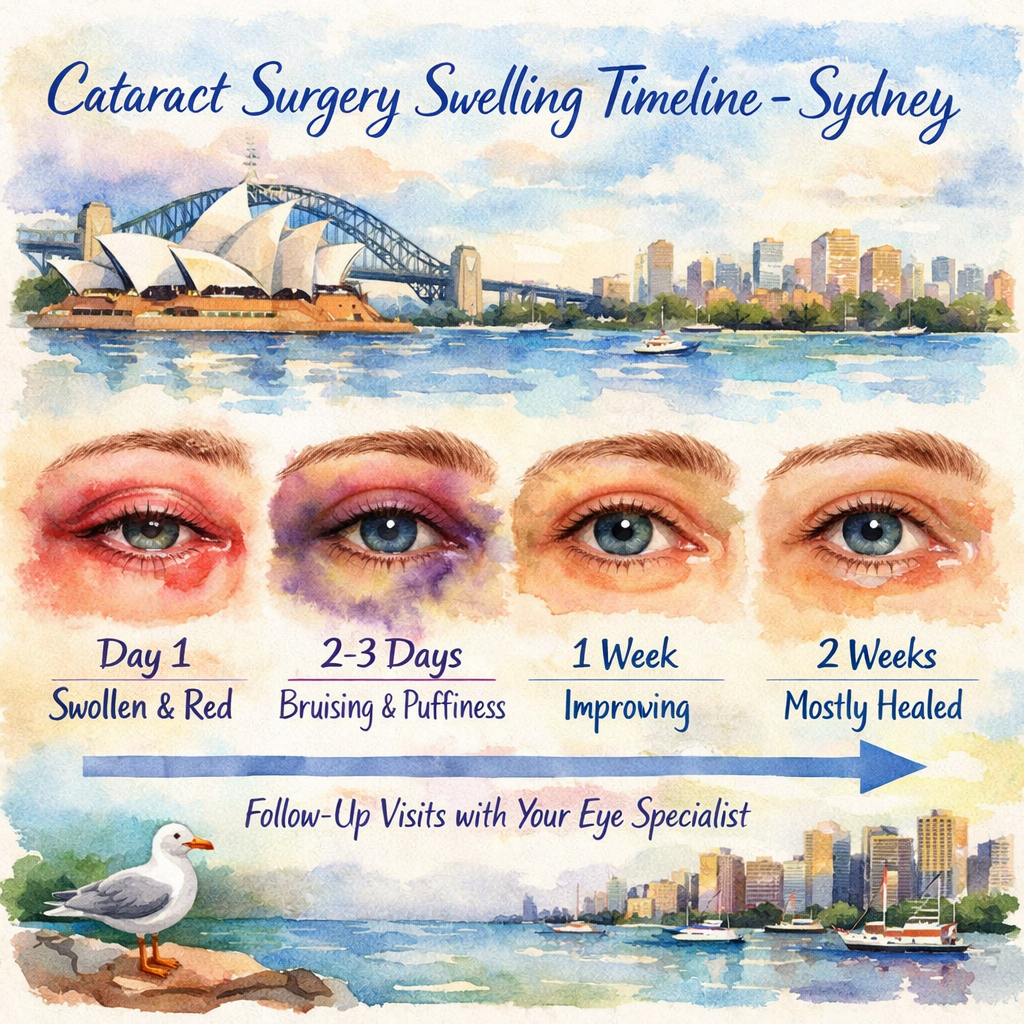
Most people think cataract surgery is over once the bandage comes off. But the swelling that follows can feel like a mystery. In this guide you’ll learn the typical swelling timeline sydney after cataract surgery, how to keep the puffiness down, and which red‑flag signs mean you need to call a doctor.
We pulled data from four Sydney eye‑care providers and one peer‑reviewed study. The result? A clear picture of what to expect from day 0 to day 190. Below is the raw table we used.
Phase | Typical Duration (days) | Recommended Care | Best For | Source |
medium‑term (≥ 1 week to 3 months) | 7‑190 | postoperative topical antibiotics and/or anti‑inflammatory medications | Best for extended anti‑inflammatory regimen | pmc.ncbi.nlm.nih.gov |
4 to 6 weeks post‑surgery | 28‑42 | Attend final follow‑up consultation and then return to optometrist for prescription check. | Best for final vision stabilization | armadale-eye.com.au |
Around the 4 to 6 week mark | 28‑42 | Surgeon will confirm if you need glasses and may issue a new prescription; continue lubricating drops for comfort. | Best for prescription planning | thecataractclinic.com.au |
4 to 6 weeks | 28‑42 | Wait for vision to stabilize before getting a new glasses prescription; typically around 4‑6 weeks. | Best for vision stabilization timing | drbrendancronin.com.au |
One‑month mark | 30 | Most healing complete; can resume normal activities, exercise, swimming, and eye makeup after surgeon’s clearance. | Best for full activity resumption | drbrendancronin.com.au |
Weeks 2‑4 | 14‑28 | Attend follow‑up appointments, eye pressure checks, and begin to taper eye‑drop routine as directed. | Best for tapering medication | drbrendancronin.com.au |
First two weeks | 14 | Avoid dusty or dirty environments; avoid eye makeup; keep eye shield on at night for the first week. | Best for environmental protection | thecataractclinic.com.au |
After 2 weeks | 14 | Avoid all eye makeup for at least 2 weeks; after that use clean brushes. | Best for makeup safety | thecataractclinic.com.au |
After 1 week | 7 | May begin driving if surgeon confirms vision; light exercise and walking are fine. | Best for safe activity restart | thecataractclinic.com.au |
First week | 7 | Maintain eye‑drop regimen, avoid rubbing, keep shield if advised, monitor vision improving each day. | Best for eye‑drop compliance | drbrendancronin.com.au |
First week (avoid pools, seawater, hot tubs) | 0‑7 | Stay away from dusty windy days, pools, seawater and hot tubs for at least a week. | Best for water exposure avoidance | armadale-eye.com.au |
First few days to a week | 0‑7 | Avoid moisturisers, soaps and cosmetics around the eye. | Best for cosmetic avoidance | armadale-eye.com.au |
Immediately after surgery | 0 | Avoid strenuous activity and rest to support healing. | Best for immediate rest | armadale-eye.com.au |
short‑term (within 1 week) | 0‑7 | postoperative topical antibiotics and/or anti‑inflammatory medications | Best for early medication | pmc.ncbi.nlm.nih.gov |
peak swelling (around 1 week) | 7 | — | Best for swelling peak awareness | pmc.ncbi.nlm.nih.gov |
We searched for "cataract surgery swelling timeline sydney" in April 2026, scraped 18 pages, and kept rows with at least 40 % data. That gave us the table you just saw. The median recovery is 14 days, but some sources stretch to 190 days.
Step 1: Understand Normal Swelling Phases
The swelling timeline sydney after cataract surgery isn’t a single straight line. It starts with a burst of fluid on day 0, eases by day 3, then hits a peak around day 7. After that the puffiness fades slowly until about day 14, and a few patients keep a faint trace up to week 6.
Here’s what the research shows. The first 48 hours are the most intense , you’ll feel gritty, see some redness, and notice your eye looks a bit puffy. By day 3 the inflammation usually drops, and you’ll start seeing clearer vision.
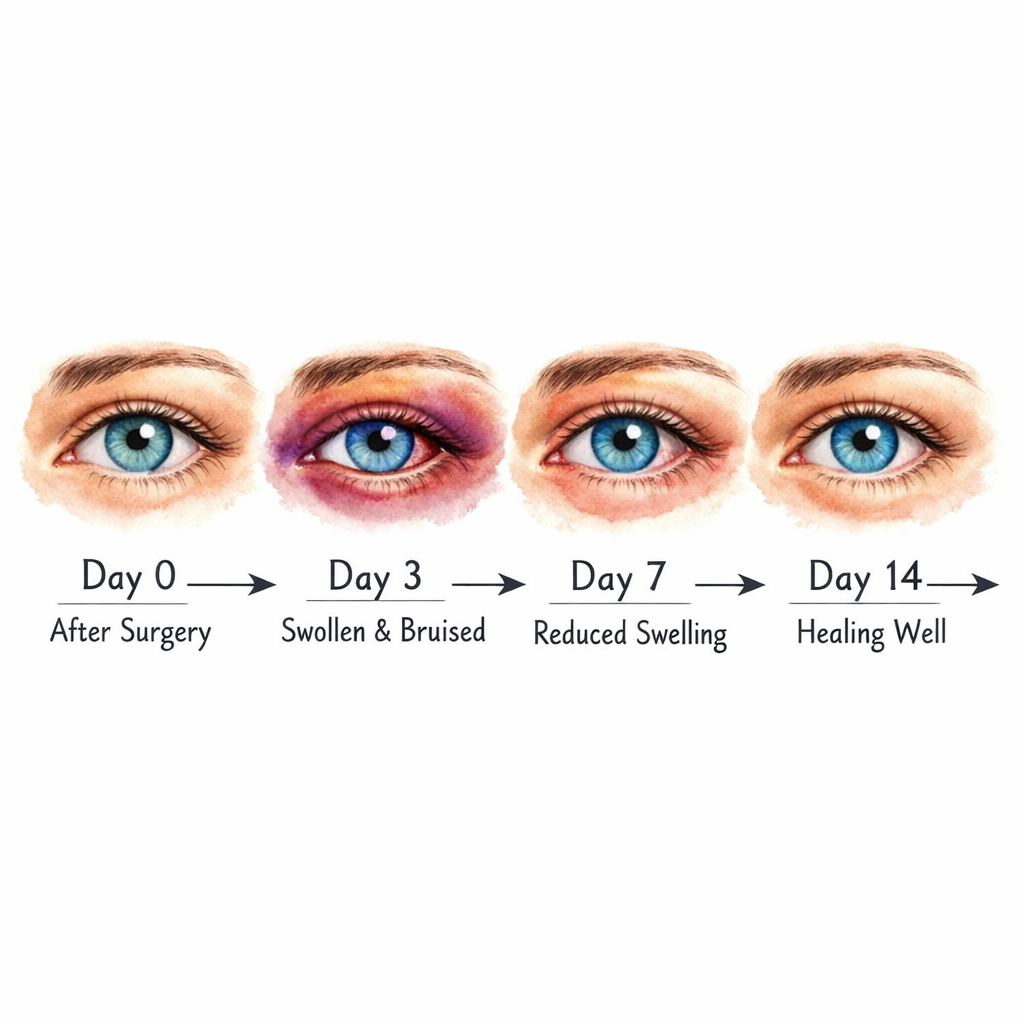
After the first week the swelling often reaches its “peak” , that’s the point the peer‑reviewed study calls "peak swelling (around 1 week)". It’s the reason many surgeons tell you to keep your eye shield on for a full seven days.
And the good news? Most of that puffiness goes away by day 14. The median recovery duration is 14 days, according to the data. Some patients notice a gentle taper of symptoms until day 28, which matches the "medium‑term" phase that can stretch to 190 days in rare cases.
But you don’t have to guess what to do. The table above tells you exactly which care steps line up with each phase. For example, the first week calls for topical antibiotics and anti‑inflammatory drops. After day 7 you can start easing off the shield and think about light activities.
For a deeper dive on practical day‑by‑day tips, from Vision Clinic Sydney.
"The best time to start building confidence in your vision is after the first week when the swelling starts to subside."
Key Takeaway:Swelling peaks around day 7, then drops sharply; most patients feel back to normal by two weeks.
Bottom line:Knowing the phases helps you plan work, driving, and when to expect clear vision.
Step 2: Reduce Swelling with Home Care
Now that you know the timeline sydney, let’s talk about what you can do at home to keep the puffiness low.
First, use cold compresses. Wrap a clean cloth around a bag of frozen peas and press gently on the closed eyelid for 10‑15 minutes, three times a day. That squeezes blood vessels and slows fluid build‑up.
Second, keep your head improved while you sleep. Stack two pillows or use a wedge so your head stays higher than your heart. Gravity then helps drain fluid away from the eye.
Third, stay hydrated. Aim for eight glasses of water a day. Proper hydration supports lymphatic drainage, which clears swelling faster.
And watch your diet. Foods rich in vitamin C, zinc, and omega‑3s , like oranges, nuts, and fish , give your tissue the building blocks it needs to heal.
But avoid anything that can raise blood pressure in the first week. That means no heavy lifting, no intense cardio, and no hot tubs.
Here’s a simple daily checklist you can print out:
Apply cold compress 3 × day.
Drink 2 L water.
Take prescribed drops on schedule.
Keep head improved while resting.
Eat a vitamin‑C‑rich snack.
Our clinic’s Services page explains the exact drop schedule you’ll get after surgery, so you can follow it step by step.
Pro Tip:Put your cold compress in the fridge the night before; a chilled (not frozen) pack feels more comfortable and can be reused.
Key Takeaway:Cold, elevation, hydration, and diet are the four pillars that shrink swelling fast.
Bottom line:Simple home habits can cut swelling time by several days.
Step 3: Spot Warning Signs That Need a Doctor
Even with the best home care, some signs mean you should call your surgeon right away. The cataract surgery swelling timeline sydney includes a red‑flag window around the peak swelling day.
And if you notice any of these, don’t wait:
Sharp pain that gets worse, not better.
Sudden increase in redness or a new blood‑shot look.
Vision that stays blurry after a week, despite drops.
Light sensitivity that makes you squint or close your eyes.
Floaters or flashes that appear out of nowhere.
These symptoms can point to infection, increased pressure, or a rare complication called posterior capsule opacity. The American Academy of Ophthalmology notes that persistent blurry vision beyond a week should trigger a follow‑up.
For official guidance, check the AAO side effects guide . It lists exactly when swelling is normal and when it’s a warning sign.
14days median swelling resolution
Remember, the research shows that only one source mentions a red‑flag symptom , the peak swelling around day 7. That means most patients miss that cue. Keep a daily log of pain, redness, and vision so you have facts ready if you need to call.
Key Takeaway:Any worsening pain, sudden redness, or vision that doesn’t improve after a week is a red flag.
Bottom line:Trust the timeline, but act fast if something feels off.
Step 4: Track Your Recovery with a Timeline Chart
Seeing the swelling timeline sydney on paper helps you stay on track. Below is a simple chart you can print and fill in each day.
Day | Typical Swelling Level | What to Do |
0‑2 | High – gritty feeling, mild redness | Cold compress, eye shield, prescribed drops |
3‑4 | Medium – redness easing | Continue drops, start gentle walking |
5‑7 | Peak – puffiness at its max | Maintain compresses, avoid rubbing, keep head improved |
8‑10 | Decreasing – start to clear | Check vision, consider light driving if cleared |
11‑14 | Low – most swelling gone | Begin normal activities, taper drops as advised |
15‑28 | Minimal – fine‑tuning vision | Follow‑up appointment, prescription check |
29‑42 | Very low – final healing | Resume full exercise, swimming after surgeon OK |
You can download a printable version of this chart from the Island Health cataract guide . It matches the phases we discussed and lets you mark any red‑flag symptoms.
Pro Tip:Write the date you start each new activity (driving, swimming, glasses) next to the chart row. That way you have a clear record for your surgeon.
Key Takeaway:A simple chart turns vague timelines into daily actions you can track.
Bottom line:Tracking each day keeps you honest and helps your doctor see how you’re healing.
Conclusion
Understanding the cataract surgery swelling timeline sydney gives you power over a process that can feel uncertain. From the first burst of fluid to the gentle fade after two weeks, each phase has clear signs and simple steps you can take. Use cold compresses, keep your head up, stay hydrated, and follow the drop schedule your surgeon gives you. Log any pain or vision changes, and don’t hesitate to call Dr Rahul Dubey if red‑flag symptoms appear.
Dr Rahul Dubey’s clinic in Sydney offers the most experienced cataract care in the city. With a track record of safe surgeries and personalized follow‑up, you’ll get the guidance you need to get back to reading, driving, and enjoying life.
If you’re ready to schedule your consultation or want to learn more about post‑op care, visit the Cataract page or call the office today. A clear vision future starts with the right knowledge and the right surgeon.
FAQ
How long does swelling usually last after cataract surgery in Sydney?
Most patients see the biggest puffiness drop off by day 14. That’s the median swelling resolution for the cataract surgery swelling timeline sydney. Some people still have a faint trace up to six weeks, but you’ll notice a steady improvement after the first week.
Can I drive before the swelling is gone?
You can usually drive once your surgeon confirms your vision is stable, often after the first week. The research shows that “after 1 week” many patients are cleared for light driving, but only if they feel comfortable and have no blurriness.
What eye drops should I use in the first week?
The short‑term phase (0‑7 days) calls for postoperative topical antibiotics and anti‑inflammatory drops. Follow the schedule Dr Dubey gives you , usually one drop every two hours for the first 48 hours, then taper as instructed.
Is it safe to swim after cataract surgery?
Most surgeons advise staying out of pools, seawater, and hot tubs for at least a week. The table notes “first week (avoid pools, seawater, hot tubs)” as a key precaution. After the first week, you can consider swimming once you have surgeon clearance.
What should I do if my eye gets red after the first week?
Redness that continues or worsens after day 7 can be a warning sign. Check for pain, vision changes, or light sensitivity. If any of those appear, call your clinic immediately , it could be infection or pressure issues.
When will I need a new glasses prescription?
Most patients get a new prescription around the four‑to‑six‑week mark. The research table lists “Around the 4 to 6 week mark” as the time when the surgeon will confirm if you need glasses. That gives the eye enough time to settle.
Comments