


Can You Wear Contact Lenses After Cataract Surgery? A Practical Guide
- Jan 4
- 17 min read
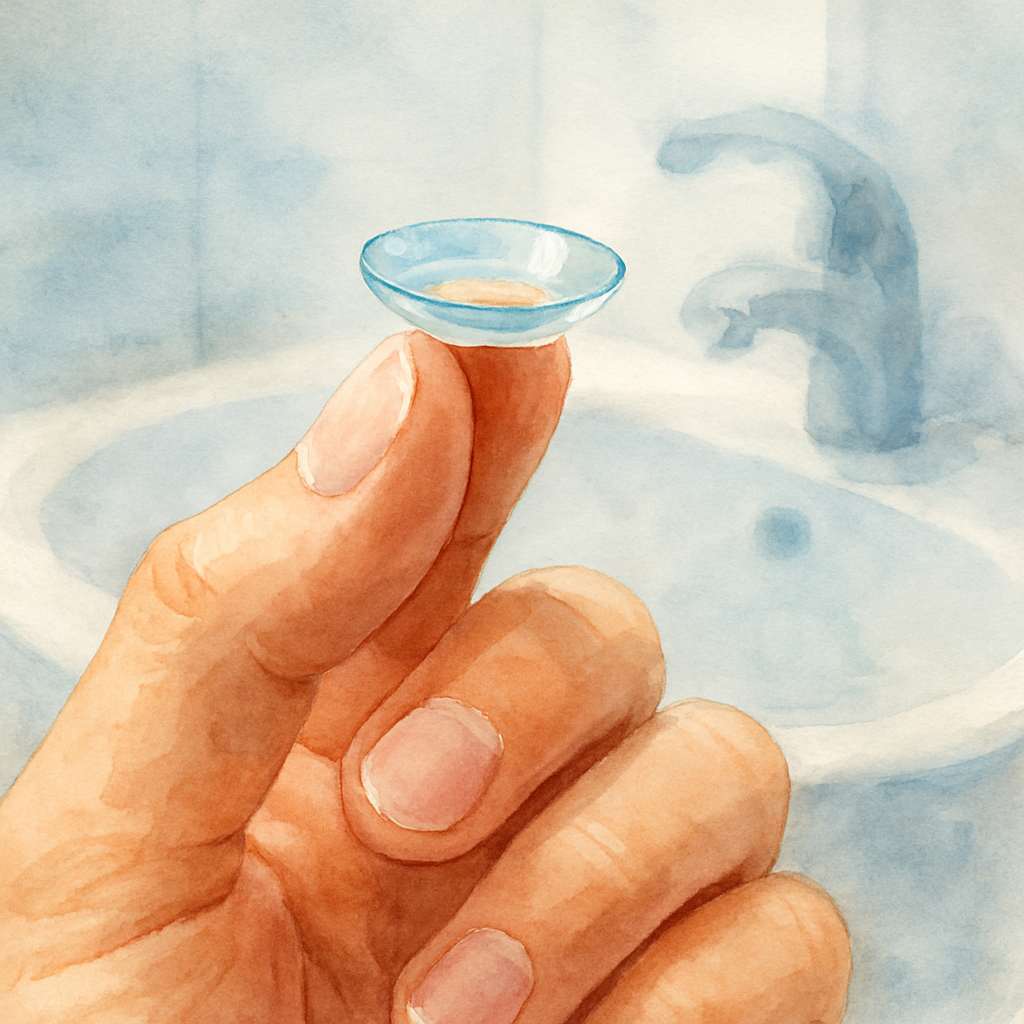
You've just come out of cataract surgery and the world feels a little clearer – but the question buzzing in your mind is, "Can I wear contact lenses now?" That tiny doubt can feel huge when you're eager to get back to reading the morning paper or scrolling through your phone without glasses.
First off, it's completely normal to wonder about contacts. After surgery, your eye is still in the healing phase, and the surface of the cornea needs protection. Most patients in Sydney, especially those who have gone through our no‑gap eye surgery protocol, find that waiting a short, defined period is the safest route.
In practice, we usually advise a minimum of one week before slipping any lenses back onto the eye. Why? During that time the incision sites seal, the eye’s natural tear film stabilises, and the risk of infection drops dramatically. A real‑world example: a retiree from Bondi who loved his daily golf game was told to pause contacts for ten days. He used daily disposable lenses after the wait and reported no irritation – a smooth return to the green.
Here’s a quick checklist you can follow:
Check with your surgeon (or call our clinic) for the exact clearance date.
Start with daily disposable lenses rather than reusable ones.
Maintain strict hygiene – wash hands, use fresh solution, and avoid touching the eye unnecessarily.
Watch for redness, discomfort, or blurry vision – if any appear, remove lenses and call us.
And if you’re also curious about when you can safely apply makeup after the procedure, we’ve put together a step‑by‑step guide that walks you through timing and product choices: When Can You Wear Makeup After Cataract Surgery . It pairs nicely with the contact lens timeline because both involve protecting the delicate post‑op eye.
Bottom line: give your eyes a brief, cautious break, then ease back in with the right lens type and hygiene habits. You'll be back to crystal‑clear vision faster than you think, and you’ll avoid unnecessary setbacks.
TL;DR
Wondering if you can wear contact lenses after cataract surgery during recovery? In short, wait about a week, use daily disposables, and follow strict hygiene to protect your healing eye.
Follow our quick checklist, watch for redness or blur, and you’ll safely enjoy clear vision again soon without setbacks today.
Step 1: Get Clearance From Your Surgeon
After the lights dim and the surgeon’s voice says "all done," you probably feel a mix of relief and a dash of curiosity: can you wear contact lenses now? That question is natural, especially if you’ve been a lens‑wearer for years. The short answer is – you need the green light from your surgeon first.
Why does clearance matter? The incision on the cornea is tiny, but it’s still a wound that needs time to seal. Jumping in too early can introduce microbes, disrupt the healing flap, or even shift the intra‑ocular lens we just placed. In our Sydney clinic, we typically ask patients to wait about seven days before touching the eye with anything besides prescribed drops.
How to Ask for Clearance
Pick up the phone or send a quick message to the clinic. A simple, "Hey, when is it safe to start my contacts again?" works. Most surgeons will give you a clear date, but if you’re unsure, ask for the specific criteria they use – like no redness, stable visual acuity, and a sealed incision on your follow‑up exam.
When you get the go‑ahead, write it down. I’ve seen patients forget the exact day and end up slipping a lens a day too early. A quick note in your phone or a post‑it on the bathroom mirror does the trick.
And remember, the surgeon’s advice isn’t just a formality. It’s based on what we see in the office – the eye’s pressure, the tear film’s stability, and how comfortably you’re seeing without glasses.
What to Do While You Wait
Use this waiting period to double‑check your lens stash. If you’ve been using reusable lenses, consider switching to daily disposables for the first few weeks after surgery. They’re less likely to trap bacteria and you won’t have to worry about cleaning solutions messing with your fresh incision.
Also, give your eyes some extra TLC. Artificial tears (the preservative‑free kind) can keep the surface moist, which helps the cornea heal faster. It’s a small habit that pays off when you finally slip those lenses back on.
Speaking of habits, if you’re also curious about makeup timing after surgery, check out our guide on When Can You Wear Makeup After Cataract Surgery . The same principles of gentle handling apply.
Once you have clearance, schedule a short appointment to have the surgeon verify the incision is sealed. It’s a quick check, but it gives you peace of mind that you’re not risking infection.
First Contact Lens Day
When the day arrives, start with a single lens on one eye. Keep the other eye in its glasses. This way, if anything feels off – a hint of blur, a tickle, or unexpected discomfort – you can remove the lens right away and call the clinic.
Don’t rush into a full week of wear. Begin with a few hours, then gradually increase as long as you feel comfortable. If redness or irritation shows up, stop and let the surgeon know.
That video walks through the typical post‑op timeline and shows real patients how they transitioned back to contacts.
Bottom line: getting explicit clearance from your surgeon is the cornerstone of a safe return to contacts. It protects your healing eye, gives you confidence, and keeps your vision sharp. Follow the surgeon’s timeline, use daily disposables, and stay vigilant for any warning signs. You’ll be back to clear, comfortable sight without setbacks, and you’ll know you did it the right way.
Step 2: Choose the Right Contact Lens Type
Now that your surgeon has given you the green light, the next question is: which lens actually fits your life after cataract surgery? It’s not a one‑size‑fits‑all decision – the choice hinges on your prescription, daily routine, and how comfortable you feel with handling lenses.
Start with the basics: daily vs. extended wear
Most of our Sydney patients gravitate toward daily disposable lenses. They’re fresh every morning, which means less buildup of protein deposits – a big win when your eye is still healing. The downside? You’ll need a new pair each day, which can add a small cost.
If you’re a night‑owl who can’t remember to take lenses out before bed, extended‑wear lenses sound tempting. But remember, they sit on your eye for up to 24‑hours and carry a higher infection risk, especially in the first weeks post‑op. In our experience, we usually recommend staying with daily disposables for at least the first month.
Do you have astigmatism? Consider toric lenses
Astigmatism is common after cataract surgery because the cornea can become slightly irregular during the procedure. Toric lenses are engineered with different powers in different meridians to neutralise that distortion. They’re available in both daily and extended‑wear formats, but the daily version tends to be gentler on a healing cornea.
For a deeper dive on toric pricing and what to look for, check out our guide on Toric Lens Cost: What You Need to Know Before Buying . It walks you through insurance coverage, brand differences, and budgeting tips.
Presbyopia? Multifocal or monovision lenses
Most people over 40 start to notice that reading the newspaper feels harder – that’s presbyopia. After cataract surgery you might already have a multifocal intra‑ocular lens (IOL) implanted, but many still prefer the added flexibility of contact lenses.
Multifocal contacts give you near and distance vision in the same eye, while monovision places a distance lens in one eye and a near lens in the other. A quick trial at our clinic can show you which feels more natural. If you’re unsure, try a “what‑if” scenario: picture yourself at a coffee shop, reading a menu across the table while also scanning the street outside. Which setup keeps the text sharp without squinting?
Special cases: hybrid, scleral, and bandage lenses
Some patients have irregular corneas from previous surgeries or keratoconus. Hybrid lenses combine a rigid centre for crisp vision with a soft skirt for comfort. Scleral lenses sit on the white of the eye, bypassing an uneven cornea altogether – they’re a lifesaver for people who struggle with standard soft lenses.
Bandage lenses don’t correct vision; they protect the surface after surgery or injury. If your doctor notes any lingering corneal dryness, a bandage lens can act like a shield while you finish your drop regimen.
Actionable checklist for picking your lens
Confirm your post‑op prescription with the optometrist – note sphere, cylinder, and axis.
Decide on wear schedule: daily disposable is safest for the first 4‑6 weeks.
If you have astigmatism, ask about toric options; the link above explains costs.
For presbyopia, try a trial of multifocal vs. monovision lenses at the clinic.
Consider any corneal irregularities – hybrid or scleral lenses might be required.
Make a habit of discarding lenses at the end of the day and washing hands thoroughly before handling new ones.
Log any discomfort, redness, or blur and report it immediately; early intervention prevents complications.
Remember, the goal isn’t just to slip a lens on and forget it’s there – it’s to protect your newly healed eye while giving you the freedom you missed during recovery. If you follow these steps, you’ll transition from glasses to contacts smoothly and safely.
Step 3: Proper Insertion Technique Post‑Surgery
Alright, you’ve got the green light from your surgeon and you’ve chosen the right lens type. Now comes the part that makes most people’s stomach flip a little: actually putting the lens on. Trust me, it’s not rocket science, but it does need a bit of mindfulness, especially when your cornea is still in the healing zone.
First thing’s first – wash your hands like you’re preparing a gourmet meal. Use lukewarm water, a mild soap, and scrub for at least 20 seconds. Dry them with a lint‑free towel. Any residue can turn a simple insertion into a gritty nightmare.
Step‑by‑step insertion checklist
Prep the lens.Remove the lens from its package using the fingertip of your dominant hand. Place it on the palm of your other hand, making sure the concave side is facing up. If you’re using a daily disposable, the solution in the blister is already there; otherwise, add a drop of sterile saline.
Stabilise the eye.Look straight ahead, and with your free hand, gently pull down the lower eyelid. Then, with your thumb, lift the upper eyelid. This creates a little pocket, like a tiny stage for the lens.
Insert.Bring the lens close to the cornea, letting it rest on the tear film. It should glide onto the eye without you having to push. If it hesitates, blink a few times; the natural tear flow will help it settle.
Position.Once the lens is on, look up and then down a few times. This encourages the lens to centre itself. A well‑centred lens feels almost invisible – you shouldn’t feel any pressure or dragging.
Check for comfort.If you experience any burning, gritty sensation, or blurred vision, remove the lens immediately, rinse with fresh solution, and try again. Persistent discomfort means you should call the clinic.
So, what should you do if the lens just won’t stay put? Here’s a real‑world example: Maria, a 62‑year‑old from Bondi, struggled with a tiny tilt on Day 2 post‑op. She took a step back, re‑washed her hands, and used a fresh pair of daily disposables. Within a minute, the lens settled perfectly, and she was back reading her garden magazine without a hitch.
Another tip from our clinic: keep a small bottle of preservative‑free saline on the bedside table. If your eye feels dry mid‑day, a quick drop can restore that smooth glide.
And don’t forget to log each insertion. A simple notebook entry – date, time, lens brand, any notes – helps you spot patterns early. If redness or blur shows up two days in a row, it’s a red flag.
While you’re mastering the technique, you might wonder about other post‑op habits. For instance, Can You Sleep on Your Side After Cataract Surgery? offers guidance on positioning that reduces pressure on the healing incision, which can indirectly make lens wear more comfortable.
Notice the video walks through the same steps we just listed, but seeing the motion can clear up any lingering “what‑if” doubts. Pause, rewind, and practice the hand‑positioning in front of a mirror – it’s like rehearsal before the big performance.
One more piece of science: the American Academy of Ophthalmology notes that proper lens insertion reduces the risk of post‑operative infection by up to 30% because fewer micro‑abrasions are created on the corneal surface. AAO – Cataract IOL Implants That’s a solid reason to be meticulous.
Finally, here’s a quick cheat‑sheet you can print or screenshot:
Wash hands → 20 sec soap → lint‑free dry
Check lens orientation
Pull lower lid, lift upper lid
Place lens, blink 3×
Center with up‑down gaze
Log the attempt
If anything feels off, remove the lens, rinse, and call us. Better safe than sorry, especially when your eye is still finding its new equilibrium after cataract surgery.
Step 4: Monitoring for Complications
Now that you’ve mastered insertion, the next thing you’ll notice is how your eye feels throughout the day. It’s normal to wonder, “Is this just the usual post‑op soreness or something more serious?” The answer lies in a simple, daily check‑in routine that catches problems before they snowball.
What to watch for, day by day
We break it down into three zones: colour, comfort, and clarity. If any of these change, it’s a red flag.
Colour:Look for increasing redness around the white of the eye, especially if it spreads beyond the incision site.
Comfort:A mild gritty feeling is common for the first 48 hours, but sharp pain, burning, or a sudden increase in soreness means you should call us.
Clarity:Blurry vision that doesn’t improve after a blink or a sudden “halo” around lights could indicate swelling or a displaced lens.
Imagine you’re reading the morning paper on the balcony. If the letters start to wobble, pause, blink a few times, and then re‑evaluate. If the wobble persists, it’s time to log it and ring the clinic.
Simple daily log – your personal safety net
Grab a notebook or use the notes app on your phone. Record the date, time, and any of the three signs you noticed. A sample entry might look like:
Date | Redness | Discomfort | Vision Change |
Day 3 | None | Mild gritty feeling | Clear |
Day 5 | Spot of pink near lower lid | None | Slight blur after screen use |
Day 7 | None | Sharp pain after lens insertion | Significant blur |
Seeing the pattern on paper helps you decide whether a symptom is fleeting or worth a call.
When to call the clinic
We’ve seen three common scenarios in our Sydney practice:
1. The “dry eye” trap:Maria, a 62‑year‑old Bondi resident, noticed intermittent gritty patches on Day 4. She increased her preservative‑free saline drops and the sensation vanished. If you’re only dealing with dryness, a few extra drops usually do the trick.
2. The early infection warning:James, a 55‑year‑old accountant, woke up on Day 6 with bright red sclera, a warm feeling, and a sudden loss of sharpness. He called us immediately, and we prescribed a short course of antibiotics. The infection cleared, and he was back to his screens in a week.
3. The lens‑displacement alarm:Aisha, a 70‑year‑old retiree, felt her vision double‑blur after a single hour of lens wear on Day 8. A quick slit‑lamp check showed the IOL had shifted slightly. We adjusted it in‑office, and the vision steadied.
If any of these red flags match what you’re feeling, don’t wait – give us a call.
Pro tip from the clinic
We recommend setting a reminder on your phone for the same time each afternoon. That way you’ll remember to do the quick three‑point check before you settle down with a book or TV. Consistency beats panic.
And if you’re curious about how other post‑op activities fit into this monitoring routine, our guide on When Can You Lift Weights After Cataract Surgery walks you through safe exercise timing – another piece of the overall safety puzzle.
Bottom line: monitoring isn’t a chore; it’s your personal early‑warning system. By tracking colour, comfort, and clarity, you’ll spot issues before they become emergencies, keep your recovery on track, and enjoy the freedom of contacts without fear.
Step 5: Long‑Term Vision Management
Now that you’ve got the green light and have been wearing contacts without drama, the real challenge is keeping that clear vision for the years ahead. It’s not enough to slip a lens on once a week and call it a day – your eyes need a long‑term game plan.
First, schedule a comprehensive eye exam at least six months after surgery, then every six to twelve months thereafter. In our Sydney practice we’ve seen patients who skip that follow‑up develop subtle corneal changes that could have been caught early. Those appointments let us check IOL positioning, tear‑film health, and any early signs of cataract recurrence.
Second, protect your tear film. Dryness is the silent enemy of contact comfort, especially after the incision has healed. Keep a bottle of preservative‑free saline on your nightstand, and consider nightly lubricating drops if you notice a gritty sensation after a long day of screen time.
Third, stick to a “daily disposable only” rule for at least the first three months. Even if a reusable lens seems cheaper, the extra protein buildup can irritate a healing cornea. Think of it as a short‑term investment in a smoother, longer‑term vision experience.
Fourth, watch your lifestyle triggers. Swimming, hot tubs, or dusty garden work can introduce microbes to the eye surface. If you can’t avoid those activities, swap contacts for glasses just for that session, then resume lenses after you’ve rinsed with sterile solution.
Fifth, set a simple visual‑health checklist you can glance at each morning:
Hand hygiene – wash, dry, repeat.
Lens integrity – no tears, no deposits.
Comfort check – any burning, redness, or blur?
Drop routine – anti‑inflammatory and lubricating drops as prescribed.
If anything feels off, remove the lens immediately and call the clinic. In my experience, a quick call prevents an infection from turning into a vision‑threatening emergency.
Sixth, think ahead to age‑related changes. As you move beyond your 60s, presbyopia may creep back, and you might need a switch to bifocal or monovision lenses. Bring your optometrist into the conversation early so you can trial options before any vision dip catches you off guard.
Lastly, keep a small journal of your vision trends. Jot down dates when you notice glare while driving at night, or when reading the newspaper feels fuzzy. Over months those notes become a powerful diagnostic tool for both you and your surgeon.

By treating your post‑op eyes like a prized car – regular service, premium fuel, and attentive care – you’ll enjoy the freedom of contacts long after the cataract surgery scar has faded.
Don’t forget the power of UV protection. Even after the incision is sealed, prolonged sun exposure can dry the ocular surface and accelerate macular changes. Choose sunglasses with 100 % UVA/UVB blocking and wear them whenever you’re outdoors, especially on bright Sydney afternoons. Pair that with a diet rich in omega‑3 fatty acids – fish, walnuts, or a daily supplement – to keep tear production steady. Finally, mark your calendar for the one‑year post‑op review; that visit lets us reassess lens stability and tweak your contact regimen if needed.
Deep Dive: Vision Recovery Timeline After Cataract Surgery
After the surgeon closes the incision, you’re probably wondering how quickly your eyes will settle enough for contacts. The answer isn’t a one‑size‑fits‑all clock, but a series of milestones that most of our Sydney patients hit in a predictable order.
First week – the delicate healing window
During the first 48 hours you’ll notice mild redness, a little gritty feeling and light sensitivity. That’s normal; the corneal epithelium is still sealing the tiny entry point. We tell you to keep glasses on and avoid any lens contact until the surgeon gives a green light, usually around Day 5‑7. At this stage the risk of infection drops dramatically once the incision is sealed.
Does it feel like you’re stuck? Think of it as letting fresh paint dry before you walk on it – a short pause that saves you from costly scratches later.
Weeks 2‑4 – gaining stability
By the end of week 2 most patients report a noticeable sharpness boost. The new intra‑ocular lens (IOL) has settled, and the eye’s tear film begins to normalize. This is the sweet spot to schedule your post‑op check‑up and ask for clearance to try daily disposable contacts.
In our experience, a brief trial of a single lens for an hour on Day 10‑12 gives you a clear signal: if comfort holds, you can slowly extend wear time. If you feel any burning or sudden blur, pull the lens off and call us.
What about vision “training”? Some surgeons suggest a light‑adaptation exercise – looking at a distant object for a minute, then a near one – to help the brain sync with the new IOL.
Beyond one month – full vision potential
At the four‑to‑six‑week mark the eye is essentially back to baseline, and most patients comfortably wear contacts all day. This is also when you can consider switching from daily disposables to extended‑wear lenses if you prefer, but we still recommend staying with daily lenses for the first three months to keep protein buildup low.
Don’t forget the long‑term checklist: UV‑blocking sunglasses, preservative‑free saline drops, and a routine eye‑exam every six months. These habits keep the IOL centered and the tear film healthy, so your contact experience stays smooth year after year.
Day‑by‑day symptom guide
Day 1‑3: mild redness, watery eyes, and a feeling like you’ve just woken up with sand in your lashes. Keep the eye shield on while you sleep and use the prescribed anti‑inflammatory drops.
Day 4‑7: the incision is usually sealed; you may notice the “halo” effect around lights fade. This is a good window to ask your surgeon about contact clearance.
Day 8‑14: if you’ve started a short‑term lens trial, watch for any sudden increase in glare or blurry spots. Log each incident – it helps us fine‑tune your post‑op plan.
Want the full breakdown of what the typical recovery looks like? Check out this detailed timeline from the Cornea and Laser Eye Institute, which aligns closely with what we see in our Sydney practice.
Conclusion
So, you’ve made it through the whole post‑op journey – from the first check‑up to mastering lens insertion. The big question was, can you wear contact lenses after cataract surgery? The answer is a clear yes, as long as you follow the timing, hygiene and monitoring steps we’ve laid out.
Remember, the surgeon’s clearance is your passport; stick with daily disposables for the first few weeks, keep your hands spotless, and log any redness or blur. Those simple habits keep the incision sealed and the new IOL stable.
What if you notice a hint of irritation after a few days? Take the lens off, rinse, and give us a call – early intervention prevents infection.
In the long run, schedule six‑monthly exams, protect your eyes with UV‑blocking sunglasses, and keep a bottle of preservative‑free saline handy. Treat your eyes like a prized car: regular service, premium fuel, and attentive care.
Ready to get back to crystal‑clear vision? Book your post‑op clearance visit or give our Sydney clinic a call today, and we’ll help you enjoy contacts safely.
And don’t forget to stay hydrated and limit screen time in the evenings – both support tear‑film stability, making your lenses feel more comfortable day after day.
FAQ
Can I wear contact lenses immediately after cataract surgery?
Short answer: no. The cornea is still sealing the tiny incision, and your tear film is still stabilising. Even if you feel fine, inserting a lens too early can scrape the wound or introduce bacteria. Most of our Sydney patients wait until the surgeon gives a written clearance – usually around day 5‑7. Until then, stick with glasses or the protective shield you were given.
How long should I wait before putting contacts back in?
We generally advise a minimum of one week after an uncomplicated cataract operation. That gives the incision time to fully close and the inflammation to subside. If your surgeon notes any haze or lingering redness, they may extend the wait by a few days. Keep a daily log of any symptoms; when you see consistent comfort for three straight days, you’re usually ready for a short trial of daily disposables.
Are daily disposables safer than monthly lenses after surgery?
Yes. Daily disposables arrive fresh every morning, so there’s no protein build‑up or deposit risk on a healing eye. Reusable lenses require cleaning solutions, and any residue can irritate the cornea during the first weeks. In our clinic we usually recommend staying with daily disposables for at least the first month, then reassessing if you prefer a longer‑wear option.
What signs tell me I need to remove my lenses?
If you notice any new redness, a gritty sensation that won’t go away after a blink, sudden blur that doesn’t improve with a blink, or a burning feeling, take the lens out immediately. Rinse with preservative‑free saline, rest the eye, and call the clinic. Even mild discomfort can be an early warning of infection or a displaced IOL, so don’t ignore it.
Do I need a special type of lens after my IOL is implanted?
Most people can use their regular soft lenses, but a few situations call for something different. If you have residual astigmatism, a toric lens will give sharper vision. For presbyopia, multifocal or monovision lenses work well. And if your cornea is irregular after a previous procedure, hybrid or scleral lenses may be the best fit. Your optometrist can run a quick test to confirm the right design.
Will wearing contacts affect my IOL positioning?
When you follow proper hygiene and start with short wear times, contacts rarely shift the intra‑ocular lens. Problems usually arise only if a lens rubs against the incision or you press too hard during insertion. That’s why we stress a gentle hand‑wash, a clean lens, and a brief initial wear period. If you feel any “floaty” vision or halos, remove the lens and get it checked.
What should I do if I experience discomfort while wearing contacts post‑op?
First, remove the lens and rinse with preservative‑free saline. Give your eye a few minutes to settle, then try a fresh daily disposable. If discomfort returns, note the time, any redness, and whether it’s on one eye or both. Call our Sydney clinic right away – we can adjust your drop regimen or recommend a different lens type before an infection takes hold.
Comments